- Company Articles
- Products and Technology
- Product knowledge
- Technical Guide: Duplex Aluminum Pipe Joint Compatibility with Lean Tubes

Technical Guide: Duplex Aluminum Pipe Joint Compatibility with Lean Tubes
Related Product
Duplex Aluminum Pipe Joint
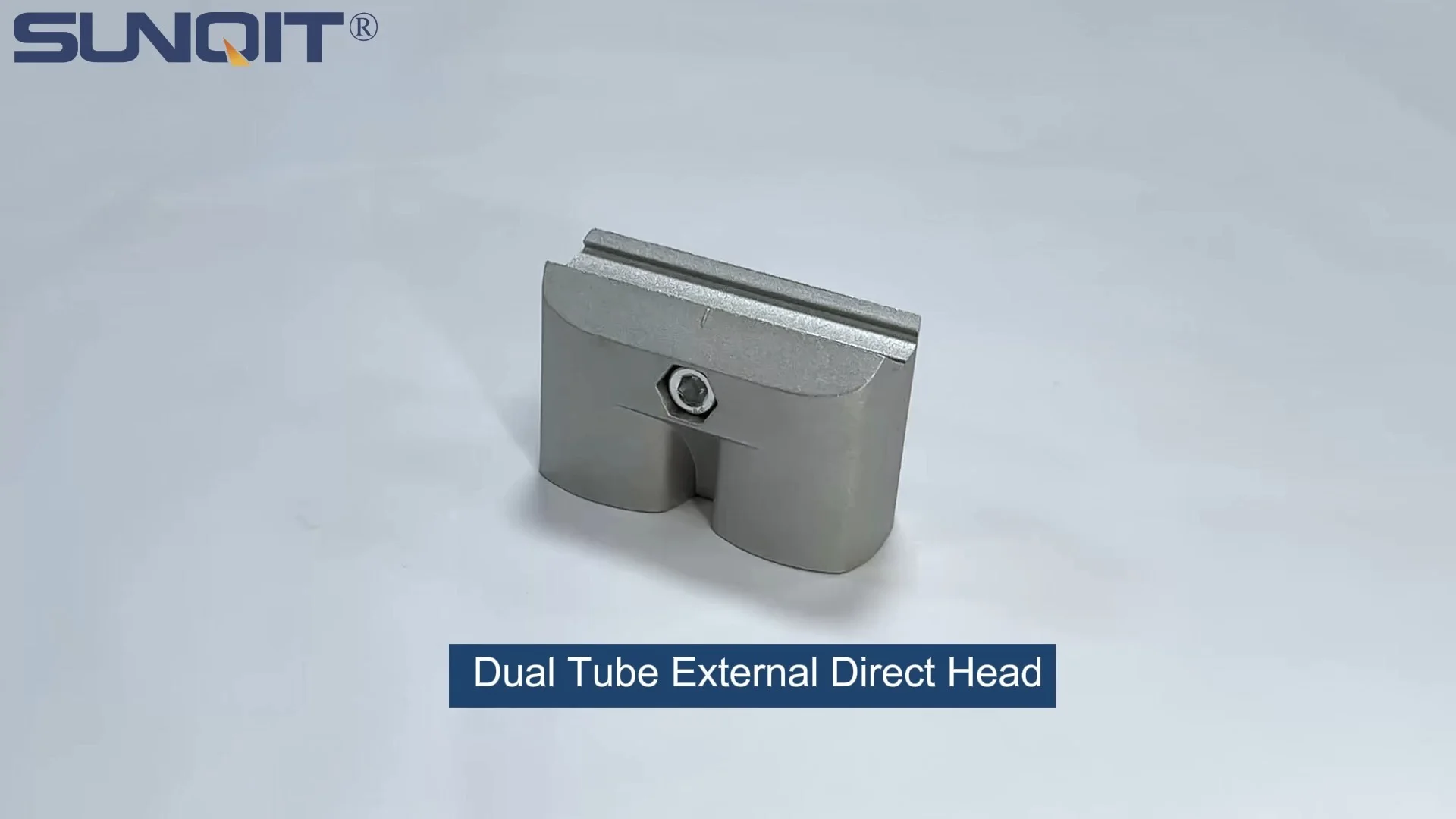
Duplex Aluminum pipe joint used for one pcs 28pcs aluminum pipe and one pcs of 28mm duplex pipe connection in straight angle.
Walk into any modern manufacturing facility, and you'll notice a common thread: efficiency. Every tool, every workstation, every inch of space is designed to keep production moving smoothly. At the heart of this efficiency lie systems built on lean principles—and at the heart of those systems? The often-overlooked heroes: lean tubes and the joints that hold them together. Today, we're diving deep into one of the most critical components of these systems: the duplex aluminum pipe joint, and how its compatibility with lean tubes can make or break your operation's productivity.
Whether you're setting up a new assembly line, upgrading existing workstations, or troubleshooting bottlenecks in your material flow, understanding how duplex aluminum pipe joints interact with different lean tubes is key. This guide will break down the science of compatibility, explore the nuances of material pairing, and equip you with the knowledge to build lean systems that stand the test of time. Let's start by demystifying the star of the show: the duplex aluminum pipe joint.
What Are Duplex Aluminum Pipe Joints?
Duplex aluminum pipe joints are specialized connectors designed to link lean tubes into modular structures—think workbenches, flow racks, conveyors, or turnover trolleys. Unlike single-piece or fixed-angle joints, duplex joints are engineered with dual functionality: they offer both rigidity for stability and adjustability for flexibility. This "duplex" nature makes them a favorite in lean manufacturing, where adaptability is as important as durability.
Crafted from high-grade aluminum alloys (often 6061 or 6063), these joints boast a unique design that typically includes internal or external rotation mechanisms. For example, the internal rotary aluminum joint allows tubes to swivel up to 180 degrees, while fixed-angle duplex joints lock into positions like 90° or 45° for static structures. Their lightweight yet robust construction ensures they can handle daily wear without adding unnecessary bulk to your systems.
But why aluminum? Unlike steel joints, aluminum resists corrosion—critical in environments with moisture or chemicals. It also pairs naturally with aluminum lean pipe , creating a seamless, rust-free system that's easy to clean and maintain. For manufacturers prioritizing sustainability, aluminum's recyclability is an added bonus, aligning with green lean practices.
The Role of Lean Tubes in Modern Production
Before diving into compatibility, let's clarify what lean tubes are and why they matter. Lean tubes—also called "flow tubes" or "modular tubes"—are the building blocks of lean manufacturing systems. They're designed to be lightweight, easy to assemble, and reconfigurable, allowing teams to adapt workspaces on the fly as production needs change.
The most common types include aluminum lean pipe , PE-coated steel tubes, and stainless steel pipe series. Each serves a unique purpose: aluminum tubes shine in clean, lightweight applications like electronics assembly workbenches; PE-coated tubes offer cost-effective durability for material handling trolleys; and stainless steel tubes excel in hygienic settings like food processing plants.
What ties all these tubes together? Joints. And not just any joints—duplex aluminum pipe joints, in particular, have become the gold standard for their ability to balance strength and flexibility. Imagine a production line where a sudden order spike requires reconfiguring three workstations overnight. With the right lean tubes and duplex joints, that transition can happen in hours, not days. That's the power of modularity—and it all starts with compatibility.

Key Compatibility Factors: Ensuring a Perfect Fit
Compatibility between duplex aluminum pipe joints and lean tubes isn't just about "does it fit?" It's about ensuring the connection is secure, durable, and fit for purpose. Here are the critical factors to consider:
1. Material Matching
The first rule of compatibility is material harmony. Aluminum joints and aluminum tubes are a match made in manufacturing heaven—both resist corrosion, and the metal-on-metal connection creates a tight, vibration-resistant bond. But what if you're using PE-coated lean pipe? Here, you'll need duplex joints with smooth, non-marring surfaces to avoid scratching the PE coating. For stainless steel pipe series, opt for duplex joints with stainless steel components or corrosion-resistant coatings to prevent galvanic corrosion (a chemical reaction that occurs when dissimilar metals touch in moist environments).
2. Diameter and Tolerance
Size matters—literally. A duplex joint designed for 30mm tubes won't work with 28mm lean tubes, no matter how hard you try. Most manufacturers standardize on diameters like 28mm (PE-coated), 30mm (aluminum), or 40mm (heavy-duty stainless steel). Always check the joint's inner diameter tolerance: a tolerance of ±0.5mm ensures a snug fit without damaging the tube. For example, the basic aluminum tube often has a 30mm outer diameter, pairing perfectly with duplex joints rated for 30mm ±0.3mm.
3. Load Capacity
Every lean system has a job to do—whether it's holding 50kg of circuit boards on a workbench or supporting a 200kg material rack. Duplex joints are rated for specific load capacities, usually ranging from 50kg to 500kg per joint, depending on design. When pairing with lean tubes, ensure the tube's wall thickness can handle the load too. A thin-walled aluminum tube might buckle under heavy weight, even with a high-capacity joint. For example, workbench E (single deck-without caster) typically requires joints and tubes rated for at least 150kg to support tools, materials, and operator weight.
4. Environmental Conditions
Where will your system live? In a dry electronics factory? A humid food processing plant? Or an outdoor warehouse? Aluminum lean pipe and duplex joints thrive in indoor, climate-controlled environments but may need extra protection (like anodization) in coastal or high-moisture areas. For ESD-sensitive environments (e.g., semiconductor manufacturing), look for ESD-rated duplex joints and esd workbench components to dissipate static electricity safely.
5. Assembly Flexibility
One of the biggest perks of lean systems is their reconfigurability. Duplex joints with rotary or swivel features (like the 180° swivel lean pipe joint ) allow tubes to pivot, making it easy to adjust angles or disassemble and rebuild structures. If your process requires frequent changes, prioritize joints with tool-free adjustments (e.g., quick-release levers) over those that need wrenches. This saves time and reduces downtime during reconfigurations.

Lean Tube Types and Their Compatibility with Duplex Joints
Not all lean tubes are created equal, and their compatibility with duplex aluminum pipe joints varies. Let's break down the most common types and how they pair with duplex joints:
| Lean Tube Type | Core Material | Typical Diameter | Duplex Joint Compatibility | Best For |
|---|---|---|---|---|
| Aluminum Lean Pipe | Aluminum Alloy (6061/6063) | 20mm–40mm | Excellent (tight fit, corrosion-resistant) | Workbenches, Flow Racks, ESD Workstations |
| PE Coated Lean Pipe | Steel core with PE coating | 28mm–30mm | Good (use non-marring joints to protect coating) | Material Trolleys, Temporary Storage Racks |
| Stainless Steel Pipe Series | 304/316 Stainless Steel | 25mm–50mm | Moderate (requires stainless steel or coated joints) | Food Processing, Clean Rooms, Outdoor Use |
| Basic Aluminum Tube | Lightweight Aluminum | 15mm–25mm | Very Good (ideal for small, lightweight structures) | Small Parts Bins, Display Racks |
Aluminum Lean Pipe: The Gold Standard for Duplex Joints
Aluminum lean pipe is the top choice for duplex joint compatibility, and for good reason. Its smooth, uniform surface creates a tight seal with aluminum joints, minimizing wobble. Plus, aluminum's natural oxide layer prevents corrosion, ensuring the connection stays strong for years. This combo is perfect for high-precision environments like automotive assembly lines, where stability is critical. For example, aluminum workbench A (a popular model in electronics manufacturing) relies on 30mm aluminum lean pipe and duplex joints to maintain a level surface for circuit board assembly.
PE Coated Tubes: Balancing Cost and Compatibility
PE coated tubes are budget-friendly and offer a non-slip surface, making them great for material trolleys. However, their steel core and plastic coating require extra care with duplex joints. Avoid joints with sharp edges that could scratch the PE coating, and opt for those with rubberized grips or smooth inner surfaces. While compatibility is good, these joints may loosen slightly over time due to the coating's flexibility—regular tightening is a must.
Stainless Steel: When Durability Trumps Everything
Stainless steel tubes are tough, but they're heavier and less compatible with standard aluminum duplex joints. To avoid galvanic corrosion, use duplex joints made from stainless steel or with a protective coating (like zinc plating). These joints are pricier, but necessary for hygienic or outdoor applications. For instance, a material rack B (3 row and 3 floor) in a seafood processing plant would use stainless steel tubes and duplex joints to withstand constant washdowns.

Essential Aluminum Pipe Accessories for Seamless Integration
Duplex aluminum pipe joints don't work alone—they rely on a suite of aluminum pipe accessories to create fully functional lean systems. From connectors to casters, these accessories bridge gaps and add functionality. Here are the key players:
Joints and Connectors
Beyond duplex joints, you'll need specialized connectors to build complex structures. The multi-angle fixed aluminum joint allows for connections at 30°, 45°, 90°, or 135°, perfect for triangular or angled racks. For straight runs, external straight aluminum joint s create seamless, rigid lines. Don't overlook roller track connectors —these attach roller tracks (like plastic roller track guide rail yellow or aluminum guide rail A ) to lean tubes, enabling smooth material flow in flow racks.
Casters and Feet
For mobile systems (e.g., hand trolley A ), casters are non-negotiable. Caster wheel s with caster accessories like brakes or swivel locks pair with duplex joints via castor install base s. Ensure the caster's load rating matches the joint and tube capacity—overloading can lead to wobbly trolleys and premature wear. For stationary structures like workbenches, anti-slip adjustable leveling feet keep the system stable on uneven floors, while suction cup anti-slip foot adjuster s add extra grip in high-vibration environments.
Workbench and Rack Components
To turn lean tubes and duplex joints into workstations, you'll need workbench components like tabletop panels (aluminum honeycomb or wood), shelf brackets, and tool hooks. For example, workbench E (single deck-without caster) uses duplex joints to attach the tabletop to the frame, with aluminum profile rubber strip s along the edges to prevent scratches. Turnover trolley and rack systems often include swivel roller balls 1 inch to allow easy sliding of bins and boxes.
Roller Tracks and Guides
Flow racks and conveyors depend on smooth material movement, thanks to roller track and accessories . 40 steel roller track yellow wheel s are common for medium-weight loads, while 38 aluminum roller track black esd with side guide s are ideal for ESD-sensitive parts. Roller track placon mount for aluminum profile flat s secure tracks to lean tubes, ensuring alignment and reducing jams.
Installation Best Practices: Building for Success
Even the best duplex joints and lean tubes will fail if installed incorrectly. Follow these steps to ensure a secure, long-lasting system:
1. Plan Your Design
Start with a blueprint. Sketch the structure (e.g., a flow rack or workbench) and note the positions of duplex joints, tubes, and accessories. Consider load paths—how weight will distribute across joints—and ensure critical connections (like corners) use reinforced joints. Tools like CAD software or lean system design apps can help visualize the layout.
2. Prepare the Tubes
Cut lean tubes to precise lengths using a pipe cutter or hacksaw. For aluminum tubes, deburr the edges with a file to remove sharp burrs that could damage joints or cause injury. Wipe tubes clean of dust or oil—debris can prevent a tight fit with duplex joints.
3. Assemble in Stages
Build the frame first: connect vertical tubes to base joints (e.g., aluminum foot base s) and ensure they're plumb using a level. Then add horizontal tubes, starting from the bottom up. Tighten duplex joints snugly, but don't over-torque—aluminum can strip if forced. For rotary joints, test movement before fully tightening to ensure smooth swivel.
4. Test and Adjust
Once assembled, test the system's stability. Apply gentle pressure to corners to check for wobble—if it moves, tighten the duplex joints or add diagonal braces. For mobile systems, roll the trolley across different floor surfaces to ensure casters swivel freely and brakes engage properly. Load-test with weights slightly above the intended capacity to verify joint and tube strength.
5. Document and Label
Label joints and tubes with part numbers (e.g., "Duplex Joint 30mm-001") for easy replacement. Take photos of the assembly process to guide future reconfigurations or repairs. This documentation is invaluable for training new team members or troubleshooting issues down the line.
Troubleshooting Common Compatibility Issues
Even with careful planning, compatibility issues can arise. Here's how to diagnose and fix the most common problems:
Issue: Loose Joints
Cause:
Mismatched tolerances, worn joint components, or over-tightening (which can stretch aluminum threads).
Solution:
Check tube and joint diameters—if the tube is too small, add a rubber sleeve (e.g.,
plastic pipe sleeve
) for a tighter fit. replace worn joints or use thread-locking fluid (like Loctite) on threaded connections. For PE-coated tubes, ensure the joint's inner surface is clean and free of debris.
Issue: Corrosion at Joints
Cause:
Using aluminum joints with uncoated steel tubes (galvanic corrosion) or exposure to moisture.
Solution:
Switch to compatible materials (aluminum tubes with aluminum joints, stainless steel with stainless steel). Apply anti-corrosion spray (e.g., WD-40 Specialist Long-Term Corrosion Inhibitor) to joints in humid environments. For coastal areas, anodize aluminum joints for extra protection.
Issue: Joints Won't Rotate (Rotary Models)
Cause:
Debris in the rotation mechanism or over-tightening of the locking collar.
Solution:
Disassemble the joint, clean the internal components with a dry brush, and apply a light lubricant (like silicone spray). Adjust the locking collar to allow rotation while maintaining stability.
Issue: Tubes Bend Under Load
Cause:
Undersized tubes, excessive weight, or insufficient bracing.
Solution:
Upgrade to thicker-walled aluminum lean pipe (e.g., 1.5mm vs. 1.2mm wall thickness). Add diagonal braces using
three way aluminum pipe joint
s to distribute weight. Reduce load or use heavier-duty
stainless steel pipe series
tubes for high-capacity applications.
Maintenance and Longevity: Keeping Your System Strong
A well-maintained lean system with duplex aluminum pipe joints can last 10+ years. Follow these maintenance tips to maximize lifespan:
Regular Inspections
Check joints monthly for looseness, corrosion, or wear. Tighten any loose connections with a torque wrench (follow manufacturer specs—typically 15–20 Nm for aluminum joints). Inspect roller tracks for debris and clean with a damp cloth. For casters, lubricate caster wheel bearings every 6 months with lithium grease.
Cleaning
Aluminum joints and tubes are easy to clean: wipe with a mild detergent and water, then dry thoroughly to prevent water spots. Avoid abrasive cleaners (e.g., steel wool) that can scratch the surface. For ESD workstations, use anti-static cleaning solutions to maintain conductivity.
Replacement of Worn Parts
Don't wait for parts to fail—replace worn components proactively. Common wear items include caster wheels (look for flat spots), roller track guides (check for cracks), and joint locking mechanisms (replace if they won't hold tension). Work with a reliable lean pipe supplier to stock spare parts like duplex aluminum pipe joint s and aluminum pipe accessories for quick repairs.
Seasonal Adjustments
Extreme temperatures can affect aluminum and plastic components. In cold weather, joints may tighten slightly—loosen locking collars by 1/4 turn if rotation becomes stiff. In hot, humid climates, increase inspection frequency for corrosion and lubricate moving parts more often.
Conclusion: Building a Lean Future with Compatibility in Mind
Duplex aluminum pipe joints and lean tubes are more than just hardware—they're the backbone of efficient, adaptable manufacturing systems. By prioritizing compatibility—matching materials, sizes, and load capacities—you create systems that not only meet today's needs but can evolve with tomorrow's challenges. Whether you're assembling a simple workbench or a complex flow rack, remember: the right combination of aluminum lean pipe , duplex joints, and aluminum pipe accessories is the key to unlocking lean excellence.
As you embark on your next project, partner with a trusted lean pipe supplier who understands the nuances of compatibility. They can help you select the right tubes, joints, and accessories for your specific application, ensuring your system is built to last. After all, in lean manufacturing, every connection counts—and the best connections start with compatibility.