- Company Articles
- Products and Technology
- Product knowledge
- Technical Specifications of Three Way Lean Pipe Joint Chrome: Size, Load Capacity

Technical Specifications of Three Way Lean Pipe Joint Chrome: Size, Load Capacity
Related Product
Three Way Lean Pipe Joint Chrome
Three way lean pipe joint for 3 pcs 28MM lean pipe connection in straight angle, which used widely in workbench, flow rack, hand trolley frame connection.
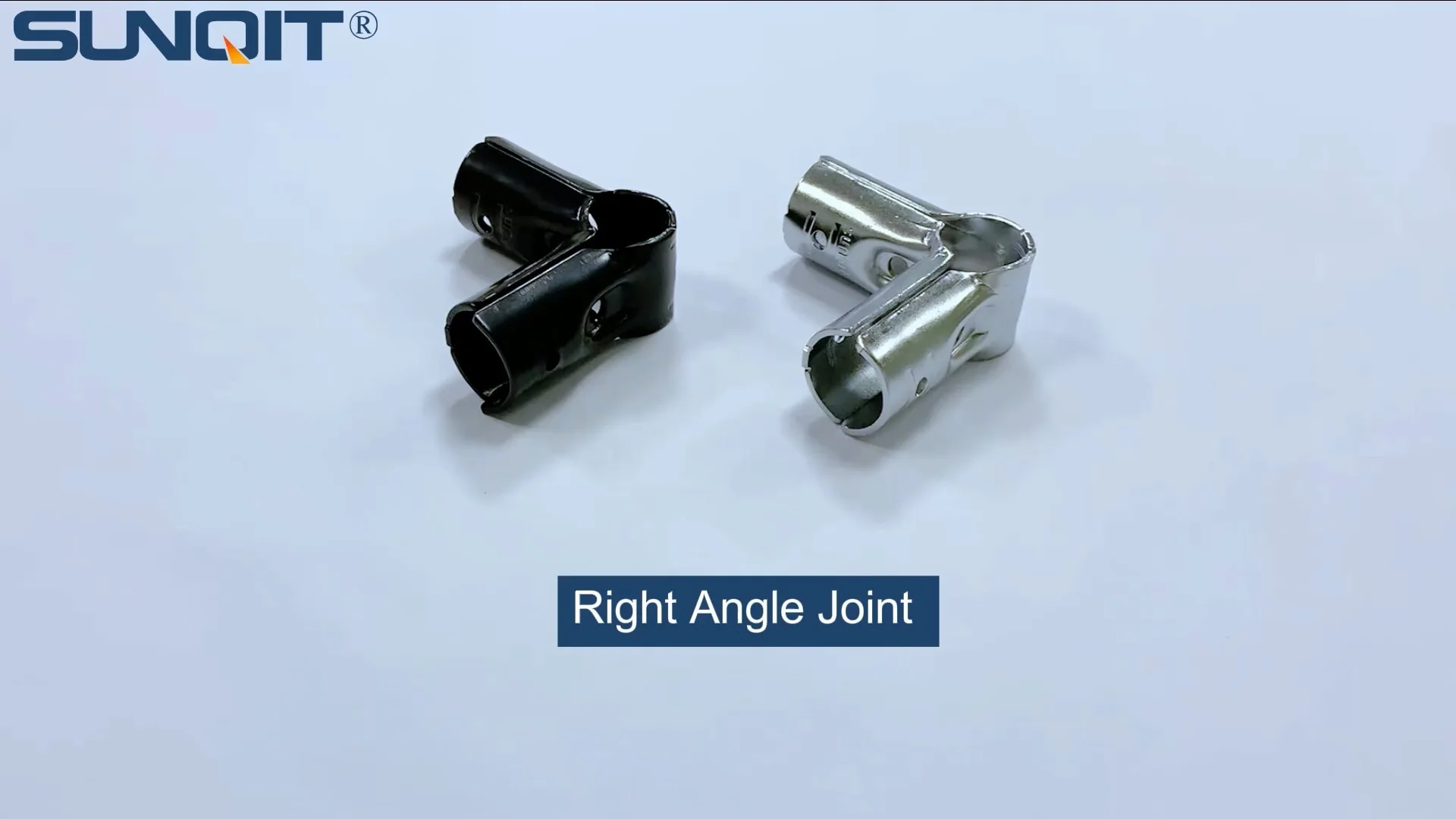
In the intricate dance of modern manufacturing, where efficiency and adaptability reign supreme, even the smallest components can make a world of difference. Lean systems, the backbone of streamlined production floors, rely on a network of parts working in harmony—none more critical than the humble yet indispensable lean pipe joint. Today, we're shining a spotlight on a true workhorse of this ecosystem: the three way lean pipe joint chrome. This unassuming piece, with its sleek metallic finish and robust design, is the quiet architect behind countless workbenches, material racks, and assembly lines. It's the connector that turns individual lean pipes into flexible, functional structures, enabling factories to adapt, grow, and thrive in an ever-changing market. Let's dive deep into its technical specifications, from size nuances to load capacity, and uncover why it's a non-negotiable for any lean operation.
What is a Three Way Lean Pipe Joint Chrome?
Before we get into the specs, let's clarify what exactly a three way lean pipe joint chrome is. At its core, it's a specialized connector designed to join three lean pipes (or aluminum profiles) at a 90-degree angle, though some variants allow for adjustable angles. The "chrome" in its name refers to the plating process—chrome plating not only gives it a polished, professional look but also adds a layer of protection against corrosion and wear. Unlike generic plastic or uncoated steel joints, this chrome-plated version is built to withstand the rigors of industrial environments, from the constant vibrations of assembly lines to the occasional bumps of material handling.
Think of it as the "cornerstone" of modular lean systems. Whether you're building a custom workbench for electronics assembly, a material rack for storing components, or a roller track for moving goods between stations, the three way joint is where the structure gains its stability and versatility. It's the reason lean systems are so popular: with a few pipes and joints, you can reconfigure a workstation in hours, not days, adapting to new product lines or shifting production needs without overhauling your entire setup.
Technical Specifications: Size & Dimensions
Size matters when it comes to lean pipe joints—too loose, and the structure wobbles; too tight, and assembly becomes a frustrating chore. The three way lean pipe joint chrome is engineered with precision to balance snugness and flexibility, ensuring a secure fit while still allowing for easy adjustments during setup. Let's break down its key size parameters:
| Specification | Details |
|---|---|
| Material Composition | Carbon steel core with chrome plating (Cr ≥ 99.9%) |
| Chrome Plating Thickness | 8-12 μm (microns) |
| Inner Diameter (Pipe Socket) | 28mm (standard for 28mm lean pipes); compatible with 25mm pipes with adapter sleeves |
| Outer Diameter (Joint Body) | 45mm (at widest point) |
| Length (Socket to Socket) | 65mm (center-to-center between adjacent sockets) |
| Compatible Lean Pipe Sizes | 1.2mm, 1.5mm, 2.0mm PE coated lean pipe; 1.0mm, 1.2mm stainless steel pipe; 2020, 3030 aluminum profile (with adapters) |
| Thread Size (Locking Screw) | M8 x 16mm (hex socket head cap screw) |
Why These Dimensions Matter
The 28mm inner diameter is no accident—it's the industry standard for most lean pipes, ensuring compatibility with a wide range of lean pipe and aluminum profile systems. This means if you already have a setup using 28mm PE coated lean pipes, adding a three way chrome joint won't require replacing your existing pipes. The 45mm outer diameter strikes a balance between strength and space efficiency; it's sturdy enough to support heavy loads but not so bulky that it takes up valuable real estate on crowded workbenches.
The M8 locking screw is another key detail. It's long enough to bite into the pipe (or profile) securely but short enough to avoid piercing through, and the hex socket design allows for easy tightening with a standard Allen wrench—no need for specialized tools. This simplicity speeds up assembly and disassembly, a boon for teams that need to reconfigure workstations regularly.

Load Capacity: How Much Weight Can It Handle?
Perhaps the most critical specification for any industrial connector is load capacity. A joint that fails under stress can bring an entire production line to a halt, not to mention pose safety risks. The three way lean pipe joint chrome is tested rigorously to ensure it can handle the demands of real-world manufacturing. Let's break down its load ratings:
| Load Type | Capacity | Notes |
|---|---|---|
| Static Vertical Load | Up to 500 kg | When used with 2.0mm thick lean pipe; decreases with thinner pipes (e.g., 300 kg for 1.2mm pipe) |
| Dynamic Horizontal Load | Up to 200 kg | For applications like roller tracks or sliding material racks (constant but low-speed movement) |
| Impact Load (Short Duration) | Up to 300 kg | Resistant to sudden jolts, e.g., dropping tools or components on the workbench |
Real-World Applications of Load Capacity
To put these numbers in perspective, consider a typical electronics assembly workbench. A fully loaded workbench might have a soldering station (15 kg), a parts bin rack (30 kg), a monitor and tools (20 kg), and a small conveyor (50 kg)—total around 115 kg. The three way joint, even when using 1.2mm lean pipe, can handle this with ease, leaving plenty of buffer for additional items.
For heavier applications, like automotive part storage racks, using 2.0mm lean pipe and multiple three way joints distributes the load. A material rack with three shelves (rack b, 3 row and 3 floor) loaded with engine components (each shelf holding 150 kg) would exert ~450 kg on the joints—well within the 500 kg static load limit. And because the joints are chrome-plated, they won't weaken over time from exposure to oils or coolants, a common issue in automotive shops.
It's important to note that load capacity depends on proper installation. Overtightening the locking screw can strip the threads or warp the pipe, while undertightening leads to slippage. Most manufacturers recommend a torque of 15-20 Nm for the M8 screw—enough to secure the joint without damaging components.

Material & Durability: The Chrome Advantage
The three way lean pipe joint chrome isn't just about looks—its material composition is a key factor in its performance. Let's start with the core: high-grade carbon steel. Carbon steel is chosen for its strength-to-weight ratio; it's rigid enough to support heavy loads but not so brittle that it cracks under impact. The steel undergoes a heat treatment process to harden it, ensuring the joint doesn't deform even under sustained pressure.
Then there's the chrome plating. Chrome plating is applied via electroplating, where a thin layer of chromium is deposited onto the steel surface. This layer is only 8-12 microns thick (about the width of a human hair), but it packs a punch: it's highly resistant to corrosion, so even in humid environments or areas with occasional water exposure (like cleaning stations), the joint won't rust. It also has low friction, meaning pipes can be adjusted or rotated in the joint without scraping off the plating, extending the joint's lifespan.
Compare this to uncoated steel joints, which can start rusting within months in damp conditions, or plastic joints, which warp under high temperatures or heavy loads. Chrome-plated steel strikes the perfect balance: durable, corrosion-resistant, and cost-effective. It's why industries from food processing (where cleanliness is key) to aerospace (where precision matters) rely on chrome-plated lean pipe joints.
Applications: Where It Shines in Lean Systems
The three way lean pipe joint chrome is a chameleon in the manufacturing world—versatile enough to fit into almost any lean setup. Let's explore some of its most common applications:
1. Workbenches: The Heart of Assembly Lines
Workbenches are the most obvious application, and for good reason. A typical aluminum workbench (like workbench e, single deck-without caster) uses three way joints to connect the legs, frame, and shelf supports. The chrome finish resists scratches from tools and parts, keeping the workbench looking professional even after years of use. For ESD (electrostatic discharge) workbenches, which are critical in electronics manufacturing, the joint's conductivity (chrome is a metal) can be grounded to prevent static buildup—an added safety feature.
2. Material Racks & Trolleys
Material racks (rack c, rack d) and turnover trolleys rely on three way joints for stability. A rack with multiple shelves needs joints that can support vertical and horizontal loads simultaneously, and the chrome plating ensures the joints don't seize up when adjusting shelf heights. Trolleys, which are moved around the factory, benefit from the joint's impact resistance—bumping into a wall or another trolley won't bend or break the connection.
3. Roller Tracks & Conveyors
Roller tracks (roller track placon mount for aluminum profile) are essential for moving materials between workstations, and three way joints are the "hinges" that allow the track to turn or change elevation. For example, a 40 steel roller track with yellow wheels might use three way joints to create a 90-degree turn, guiding components from a assembly line to a testing station. The joint's dynamic load capacity (200 kg) ensures smooth movement even when the track is fully loaded.
4. Custom Lean Solutions
One of the best things about lean systems is their customizability. A manufacturer might need a specialized rack for odd-shaped parts or a mobile workstation for on-the-go repairs. The three way joint makes this possible. For instance, combining basic aluminum tube with three way joints and caster wheels creates a mobile workbench that can be wheeled to different areas of the factory. Add a roller track on top, and you've got a portable assembly station—all thanks to the joint's ability to connect pipes, wheels, and tracks seamlessly.
Three Way Chrome Joint vs. Other Options
Not all three way joints are created equal. Let's compare the chrome-plated version to other common alternatives to see why it stands out:
Chrome vs. Stainless Steel Joints
Stainless steel joints are corrosion-resistant, but they're heavier and more expensive than chrome-plated steel. For most indoor manufacturing environments, chrome is sufficient—stainless steel is overkill unless the area is highly corrosive (e.g., chemical plants). Chrome also has a smoother finish, making it easier to clean and less likely to snag on gloves or clothing.
Chrome vs. Plastic Joints
Plastic joints are cheap and lightweight, but they lack the load capacity of metal. A plastic three way joint might handle 50 kg static load at best, making it unsuitable for industrial use. They also degrade under UV light or high temperatures, so they're not ideal for factories with bright lighting or near ovens/machinery.
Chrome vs. Uncoated Steel Joints
Uncoated steel is strong but prone to rust. In a factory with high humidity or frequent cleaning, uncoated joints would need regular painting or oiling to prevent corrosion—adding maintenance costs. Chrome plating eliminates this need, saving time and money in the long run.
Maintenance & Longevity Tips
To get the most out of your three way lean pipe joint chrome, a little maintenance goes a long way. Here's how to keep them in top shape:
Cleaning the Chrome Plating
Chrome resists stains, but oil, grease, and dust can build up over time. Wipe joints with a soft cloth dampened with mild soap and water—avoid abrasive cleaners or steel wool, which can scratch the plating. For tough grime, a solution of vinegar and water (1:1 ratio) works well; just rinse thoroughly afterward to prevent vinegar from corroding the steel underneath.
Checking for Wear
Inspect joints monthly for signs of damage: cracks in the steel, peeling chrome, or loose locking screws. If the chrome is peeling, the underlying steel is exposed and may start to rust—replace the joint immediately. Loose screws can be retightened, but if the threads are stripped, the joint should be swapped out to avoid failure.
Lubrication (When Needed)
Most three way joints don't require lubrication, but if you're frequently adjusting the pipe angles (e.g., reconfiguring a workbench), a drop of machine oil on the locking screw threads prevents seizing. Avoid heavy greases, which attract dust and gum up the works.
Why the Three Way Lean Pipe Joint Chrome is a Lean System Essential
In the world of lean manufacturing, efficiency is everything—and efficiency starts with reliable components. The three way lean pipe joint chrome may be small, but it's a linchpin of lean systems, enabling the flexibility, durability, and cost-effectiveness that modern factories demand. Its precise size ensures compatibility with standard lean pipes and aluminum profiles, while its chrome plating and robust load capacity make it suitable for everything from light assembly workbenches to heavy-duty material racks.
Whether you're a small workshop building your first lean setup or a large manufacturer scaling operations, choosing the right joint matters. The three way lean pipe joint chrome isn't just a connector—it's an investment in your operation's productivity, safety, and adaptability. So the next time you walk through a factory floor, take a moment to appreciate the little chrome joints holding everything together—they're the unsung heroes keeping the world of manufacturing moving forward.