- Company Articles
- Products and Technology
- Procurement Guidelines
- Technical Specifications to Check Before Buying Roller Track Placon Mount Brackets

Technical Specifications to Check Before Buying Roller Track Placon Mount Brackets
Related Product
Roller Track Placon Mount Bracket
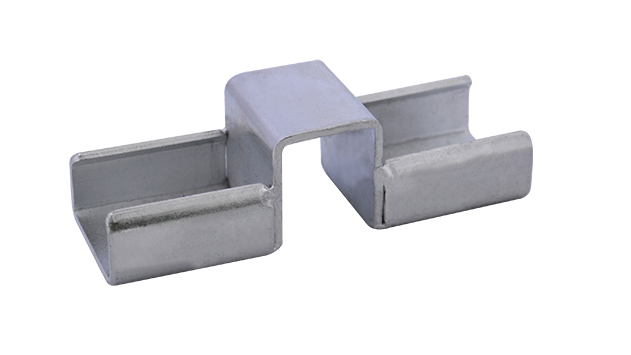
Roller track placon mount work as a connector for roller track and pipe or aluminum profile in rack syetem, it is a necessary parts in rack system which widely used in industrial plant and logistic,warehouse storage.
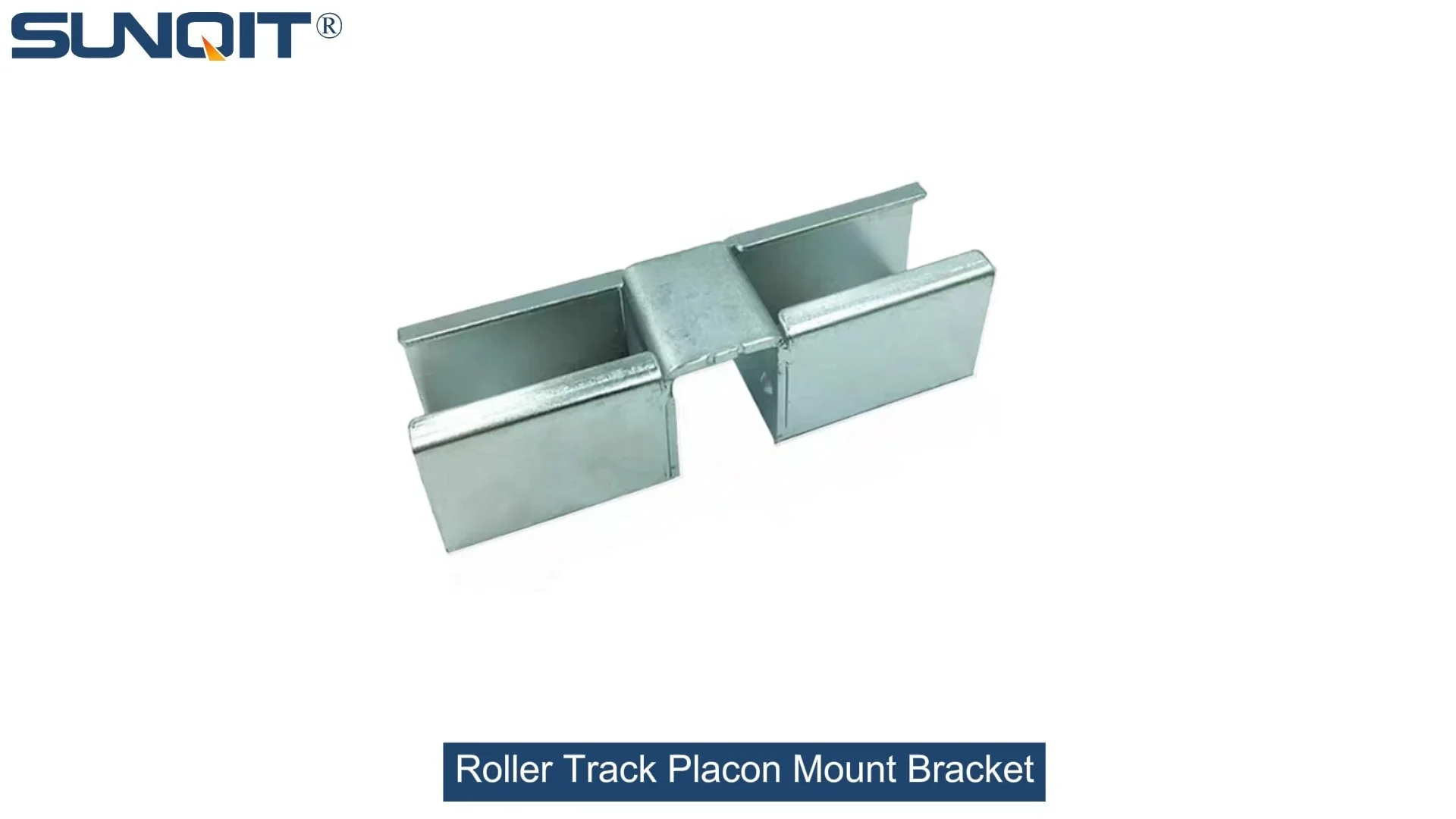
When you're building a smooth material handling system—whether for a bustling factory floor or a precision-focused workshop—roller track placon mount brackets are the quiet workhorses holding everything together. These small but critical components connect roller tracks to frames, workbenches, or conveyor systems, ensuring materials glide seamlessly from one station to the next. But choosing the wrong brackets can turn your efficient workflow into a frustrating mess of jams, delays, and even safety hazards. To avoid that, let's walk through the technical specs you need to verify before hitting "buy." Think of it as a checklist for peace of mind—because in manufacturing, every detail impacts your team's productivity and your bottom line.
1. Material Composition: The Foundation of Durability
The first thing to look at is what the bracket is made of. Material isn't just about cost—it determines how well the bracket will hold up in your specific environment, how much weight it can bear, and how long it will last. Let's break down the most common options and when to pick each:
| Material Type | Key Traits | Best For | Potential Drawbacks |
|---|---|---|---|
| Aluminum Profile | Lightweight, corrosion-resistant (especially with anodized finish), good strength-to-weight ratio | General manufacturing, clean rooms, 3C assembly lines, lean systems where weight matters | Not ideal for extreme heavy loads (over 150kg per bracket) or high-impact environments |
| Stainless Steel | Exceptional rust resistance, high tensile strength, withstands harsh cleaning agents | Medical device production, food processing, outdoor or humid warehouses, chemical-exposed areas | Heavier than aluminum; can add unnecessary weight to mobile systems |
| Carbon Steel (Galvanized) | Budget-friendly, strong for heavy loads, easy to machine | Low-moisture environments, static storage racks, non-critical material paths | Prone to rust if coating chips; needs regular inspection in damp areas |
| Engineered Plastic | Lightweight, non-conductive, cost-effective for light loads | Electronics assembly (ESD-safe variants), packaging lines with small/light items | Limited load capacity (usually under 30kg); can warp in high temperatures |
For most lean system setups—like those using aluminum pipe workbenches or flexible conveyor lines—aluminum profile brackets are a solid bet. They're easy to integrate with other aluminum components (think aluminum pipe accessories or t-slot aluminum pipe), and their corrosion resistance means they'll stay looking and performing like new even in slightly humid conditions. Just make sure the aluminum is treated with an anodized finish; this thin oxide layer adds an extra barrier against scratches and rust, which is a must if you're using the brackets near cleaning stations or in areas with occasional moisture.
2. Load Capacity: Don't Guess—Calculate Your Needs
Nothing ruins a workflow faster than a bracket that bends or breaks under pressure. Load capacity isn't a number to estimate—it's a critical spec that depends on two factors: static load (weight when materials are stationary on the track) and dynamic load (weight when materials are moving, which adds stress from momentum). Most suppliers list both, but don't just take their word for it—do the math for your specific use case.
For example, if your team moves plastic bins filled with small parts, each bin might weigh 15kg, and you typically have 4-5 bins on a 2-meter roller track section. That's 60-75kg of dynamic load spread across 4-6 brackets (depending on spacing). So each bracket would need to handle at least 12-19kg dynamically. But here's the catch: always add a 30% buffer. Why? Because real-world use is messy—someone might stack an extra bin, or a bin might get stuck and require a push, increasing stress. A bracket rated for 20kg dynamic load might work on paper, but a 30kg rating gives you breathing room.
Pro tip: If you're using the brackets with a lean pipe workbench or a conveyor system, check the combined load rating of the entire setup. A bracket might handle 50kg on its own, but if the workbench frame isn't reinforced, the whole structure could wobble. It's all about balance!
2. Compatibility: Will It Play Well With Your Existing System?
There's nothing more frustrating than unboxing new brackets only to find they don't fit your roller tracks or frames. Compatibility is key, and it goes beyond just "does it bolt on." Here's what to check:
- Roller Track Size: Roller tracks come in standard widths (40mm, 60mm, 85mm are common). The bracket's "grip"—the part that holds the track—must match your track's width and thickness. A 40mm bracket won't securely hold an 85mm track, leading to wobbling or even derailment.
- Mounting Hole Pattern: If you're attaching the bracket to a workbench, aluminum profile frame, or conveyor leg, the hole spacing and diameter need to align with your existing hardware. Mismatched holes mean drilling new ones (which weakens the frame) or using adapters (which add cost and complexity). Look for brackets with slotted holes if you need flexibility in positioning.
- Connection Type: Some brackets use bolts, others use clips or snap-fit designs. If your team needs to reconfigure the line frequently (hello, lean manufacturing!), quick-connect brackets save time. For permanent setups, bolted brackets are sturdier.
If you're unsure, ask the supplier for a compatibility chart or send photos of your current roller track and mounting surface. Most reputable suppliers (like those specializing in lean system components) will help you cross-verify—don't skip this step!

3. Surface Treatment: More Than Just Looks
How the bracket's surface is treated might seem like a minor detail, but it affects everything from corrosion resistance to safety. Here are the top treatments to consider:
Anodization (for Aluminum): This electrochemical process creates a hard, protective layer on aluminum brackets. It resists scratches, prevents rust, and can even add color (though most industrial brackets stick to clear or silver). If your environment is humid or you need easy cleaning (like in medical device production), anodized aluminum is a must.
Galvanization (for Steel): A zinc coating that acts as a sacrificial layer—if the bracket gets scratched, the zinc corrodes first, protecting the steel underneath. Great for outdoor use or warehouses with high moisture, but avoid it if you need a super-smooth surface (galvanizing can leave a slightly rough texture).
ESD Coating: In electronics manufacturing (think 3C assembly or circuit board production), static electricity can damage sensitive components. ESD (electrostatic discharge) coatings on brackets dissipate static, keeping your parts safe. Look for brackets rated to meet ANSI/ESD S20.20 standards if this applies to you.
Avoid untreated or "raw" metal brackets unless you're in a dry, low-risk environment. Over time, even a little moisture will cause rust, which can flake off and contaminate products or jam roller tracks.

4. Installation Design: Flexibility Meets Stability
How the bracket is designed to install affects two things: how easy it is to set up, and how adjustable it is if your needs change. Let's compare the most common installation styles:
| Installation Type | Pros | Cons | Best For |
|---|---|---|---|
| Bolt-On (Fixed Position) | Extremely stable, high load capacity, secure in high-vibration environments | Hard to reposition; requires drilling if holes don't align | Permanent setups (e.g., a dedicated conveyor line that rarely changes) |
| Slotted (Adjustable) | Can slide horizontally/vertically to align with tracks; no need for precise hole drilling | May loosen over time with heavy vibration; needs periodic tightening | Lean systems where workflow is updated regularly, workbench-mounted tracks |
| Clip-On (Tool-Free) | Super fast to install/remove; great for temporary setups or quick reconfigurations | Lower load capacity (usually under 30kg); can pop off if bumped hard | Lightweight material handling, seasonal workflows, or teams that need to rearrange daily |
Another thing to consider is the bracket's "height adjustability." If your roller track needs to slope slightly for gravity-fed flow (common in flow rack systems), brackets with built-in height (like threaded feet or shim slots) let you fine-tune the angle without shimming with washers or wood blocks. Small adjustments make a big difference in how smoothly materials move—too steep, and bins might slide too fast; too flat, and they'll get stuck.
5. Environmental Resistance: Built for Your Workplace's Reality
Your factory or warehouse isn't a controlled lab—temperatures fluctuate, chemicals get spilled, and dust builds up. A bracket that works in a clean 3C assembly room might fail miserably in a hot, humid automotive plant. Here's what to watch for:
- Temperature Range: If your facility has extreme heat (near ovens or welding stations) or cold (freezer storage areas), check the bracket's temperature rating. Plastic brackets can warp above 60°C (140°F), while untreated steel might become brittle in sub-zero temps.
- Chemical Exposure: Warehouses using degreasers, sanitizers, or oils need brackets resistant to those chemicals. Stainless steel or anodized aluminum holds up well; painted steel might chip, exposing the metal underneath.
- Dust and Debris: In woodworking or metalworking shops, fine dust can get into bracket joints and cause binding. Look for brackets with sealed pivot points or smooth surfaces that are easy to wipe clean.
For example, in a medical device facility, brackets might need to withstand daily wipe-downs with isopropyl alcohol. In that case, a stainless steel bracket with a smooth, non-porous finish is better than aluminum with a rough texture that traps bacteria. Always match the bracket to the harshest condition it will face, not just the average day.
6. Certification and Quality Assurance: Trust, But Verify
Finally, don't overlook the paperwork. Reputable suppliers will provide certification documents that back up their specs—things like load test reports, material composition certificates, or compliance with industry standards (ISO 9001 for quality, CE for safety in the EU). These aren't just pieces of paper; they're proof the supplier has done the testing to ensure the bracket performs as claimed.
If you're in a regulated industry (medical, aerospace, food production), certifications aren't optional. For example, brackets used in medical device manufacturing might need to meet FDA guidelines for non-toxic materials. Even in less regulated fields, a supplier who can't provide basic test data is a red flag—you're essentially gambling with your system's reliability.
Pro tip: Ask for a sample before buying in bulk. Mount it, load it up, and simulate a day's use. Does it creak under load? Do the bolts loosen? A $50 sample could save you from a $5,000 mistake.
Choosing roller track placon mount brackets might not feel as exciting as picking out a new conveyor or a sleek aluminum workbench, but it's just as crucial. These small components are the glue that holds your material handling system together, and getting them right means fewer headaches, less downtime, and a smoother workflow for your team. By checking material, load capacity, compatibility, installation design, environmental resistance, and certifications, you're not just buying brackets—you're investing in efficiency. So take the time to verify these specs, ask your supplier tough questions, and test before committing. Your future self (and your production line) will thank you.