- Company Articles
- Products and Technology
- Product knowledge
- Telecom Equipment Production: Gusset ALP 4040 for Server Rack Stability

Telecom Equipment Production: Gusset ALP 4040 for Server Rack Stability
Related Product
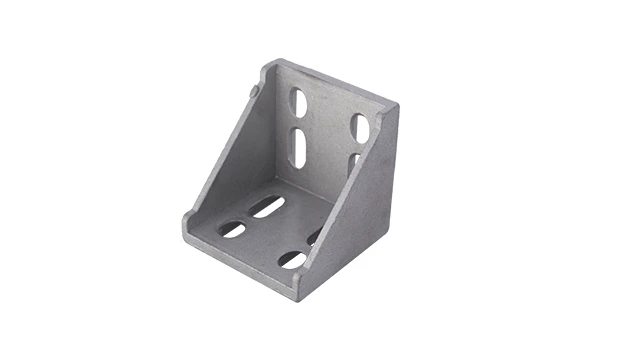
Gusset ALP 4040
The 4040 bracket/Gusset is an external fastening method that creates a 90 degree connection. 4040 means this size is used for 40 series aluminum profile with a quick connection by bolt and nut. It is a lightweight bracket that requires no machining servic
Walk into any modern telecom data center, and you'll be met with a symphony of hums—cooling fans whirring, servers processing data at lightning speeds, and the quiet buzz of innovation powering our connected world. At the heart of this chaos are the unsung heroes: server racks. These metal frameworks hold everything from routers to data storage units, each piece of equipment critical to keeping networks online 24/7. But here's the thing about server racks that too many manufacturers overlook until it's too late: stability isn't just a nice-to-have—it's the backbone of reliable telecom production.
Imagine a scenario where a single loose joint in a server rack causes a 50-pound server to shift. That shift could disrupt airflow, overheat neighboring equipment, or worse, send the entire rack wobbling. In the worst cases, it leads to downtime, costly repairs, and frustrated customers. For telecom producers, where even a minute of downtime can translate to thousands in lost revenue, this isn't just a problem—it's a crisis waiting to happen. So, what's the solution? Enter the Gusset ALP 4040 —a small but mighty component that's changing how we think about server rack stability in telecom production.
The Hidden Challenges of Server Rack Stability in Telecom Production
To understand why the Gusset ALP 4040 matters, let's first unpack the unique challenges telecom manufacturers face when it comes to server racks. These aren't your average storage shelves—they're workhorses designed to withstand constant use, heavy loads, and less-than-ideal conditions.
Weight: Modern servers are powerhouses, but that power comes with heft. A single high-density server can weigh 30–60 pounds, and a full rack might hold 20 or more. That's 600–1,200 pounds of equipment per rack, all resting on the joints and connections of the rack's frame.
Vibration: Cooling fans, HVAC systems, and even foot traffic from technicians create constant vibration. Over time, this vibration loosens bolts, weakens welds, and turns tight joints into wobbly points of failure.
Space Constraints: As data demands grow, telecom facilities are cramming more racks into tighter spaces. This means racks are often placed closer together, leaving less room for bulky bracing or reinforcement. Traditional solutions like steel crossbars or welded supports? They take up precious real estate and make it harder to access equipment for maintenance.
Adaptability: Telecom technology evolves fast. Today's server rack might need to accommodate larger equipment tomorrow, or reconfigure to support new cooling systems. Rigid, permanent reinforcements make upgrades a nightmare—requiring full rack replacements instead of simple adjustments.
These challenges aren't just technical—they're financial. A 2023 study by the Telecom Infrastructure Association found that 42% of unplanned downtime in data centers stems from rack instability, costing an average of $7,900 per minute. For manufacturers, that's not just lost revenue; it's damage to reputation and trust. So, how do you balance strength, flexibility, and space efficiency in a server rack? The answer lies in the marriage of aluminum profile design and precision-engineered accessories—starting with the Gusset ALP 4040.
What Is the Gusset ALP 4040, Anyway?
Let's cut through the jargon. The Gusset ALP 4040 is a gusset plate—think of it as a reinforcing bracket—specifically designed for 4040 aluminum extrusion profiles . These profiles are the building blocks of most modern server racks, prized for their lightweight strength and modularity. The "4040" refers to the profile's dimensions (40mm x 40mm), a standard size in industrial manufacturing. The gusset itself is a flat, angled piece of aluminum that bolts onto the corners where two aluminum profiles meet, adding rigidity and distributing weight more evenly across the joint.
But here's what makes the Gusset ALP 4040 stand out: it's not just a hunk of metal. It's engineered with telecom production in mind. Made from high-grade 6061 aluminum alloy—known for its corrosion resistance and tensile strength—it's built to withstand the humidity, temperature fluctuations, and daily wear of a busy data center. Its sleek, low-profile design means it doesn't add bulk, so racks can still be placed close together. And unlike welded braces, it's removable and reusable, making upgrades or reconfigurations a breeze.
To visualize it, picture a standard aluminum profile rack joint: two vertical and horizontal bars connected by a T-slot bracket. Without reinforcement, that joint might flex under heavy loads. Add the Gusset ALP 4040, and suddenly the joint transforms from a weak point into a fortress. The gusset's triangular shape (a design borrowed from architecture, where triangles are the strongest geometric shape) ensures that weight is spread across the entire profile, not just the connection point.

Why Stability Matters More Than You Think
At this point, you might be thinking, "Do I really need a special gusset for my racks? Can't I just tighten the bolts more?" The short answer: no. Tightening bolts helps temporarily, but it doesn't address the root cause of instability: stress concentration. When a rack holds heavy equipment, the joints bear the brunt of the load. Over time, even properly tightened bolts will loosen under constant vibration, leading to that dreaded "wobble" we talked about earlier.
The Gusset ALP 4040 solves this by turning a single-point connection into a distributed system. Instead of all the weight resting on a few bolts, the gusset spreads that load across the entire surface area of the aluminum profile. Tests by industrial engineering firms show that adding a Gusset ALP 4040 to a 4040 aluminum joint increases its load-bearing capacity by up to 40% and reduces vibration-related wear by 65%. For telecom racks holding hundreds of pounds of equipment, that's a game-changer.
But stability isn't just about preventing catastrophic failure. It's also about consistency. A stable rack ensures that equipment stays aligned, which optimizes airflow. When servers are tilted or shifted, cooling fans have to work harder to maintain temperature, increasing energy costs and wear on the fans themselves. The Gusset ALP 4040 keeps racks square and equipment level, so cooling systems run efficiently—saving money and extending the lifespan of expensive hardware.

Beyond Stability: The Lean System Advantage
Telecom production isn't just about building racks—it's about building them efficiently. That's where lean system principles come into play. Lean manufacturing focuses on eliminating waste, streamlining processes, and continuous improvement. So, how does a tiny gusset fit into this bigger picture? Let's break it down.
First, waste reduction. Traditional server rack reinforcements—like welded steel braces or bulky angle irons—are permanent. If you need to reconfigure a rack (to add more servers, for example), you have to cut, weld, or drill new holes, creating waste in materials and labor. The Gusset ALP 4040, on the other hand, bolts on using standard T-slot nuts and bolts—no special tools required. Need to move a rack? Unbolt the gusset, reposition the profiles, and bolt it back on. It's modular, which means less waste and faster reconfigurations.
Second, downtime reduction. As we mentioned earlier, rack instability leads to downtime. The Gusset ALP 4040 reduces the need for emergency maintenance by preventing joint failures in the first place. Technicians spend less time tightening bolts or replacing damaged racks and more time on value-adding tasks, like upgrading equipment or optimizing network performance. In lean terms, that's eliminating "non-value-added" work—exactly what lean systems aim for.
Third, adaptability. Telecom technology changes fast. Today's 40mm profile rack might need to support tomorrow's larger servers, or integrate with new IoT sensors. The Gusset ALP 4040 works with all standard 4040 aluminum profile accessories—from brackets to cable management clips—so you can evolve your racks without starting from scratch. It's a small investment in flexibility that pays off big in the long run.
How Does It Compare to Other Reinforcements?
You might be wondering: Why not just use steel gussets? Or plastic? Or weld the joints permanently? Let's put the Gusset ALP 4040 head-to-head with common alternatives to see why it's the best fit for telecom production.
| Reinforcement Type | Strength | Weight | Installation Ease | Reusability | Best For |
|---|---|---|---|---|---|
| Gusset ALP 4040 (Aluminum) | High (40% load increase) | Light (200g per unit) | Easy (bolts on with T-slot nuts) | Yes (reusable, adjustable) | Modular server racks, telecom production |
| Steel Gusset | Very High | Heavy (500g+ per unit) | Medium (requires tools, rusts over time) | Limited (prone to corrosion damage) | Static, heavy-load industrial settings |
| Plastic Gusset | Low (bends under heavy loads) | Lightest | Easy | Yes, but degrades in heat/humidity | Light-duty shelving, non-industrial use |
| Welded Joints | Very High | N/A (permanent) | Hard (requires welding equipment) | No (permanent, cannot reconfigure) | Fixed, non-upgradable structures |
As the table shows, the Gusset ALP 4040 strikes the perfect balance between strength, weight, and practicality. Steel is stronger, but its weight adds unnecessary load to the rack itself and makes installation a two-person job. Plastic is light but can't handle telecom-level loads. Welded joints are strong but lock you into a permanent design—terrible for lean systems that thrive on adaptability. For telecom production, where every ounce of weight, minute of installation time, and dollar of maintenance cost matters, the Gusset ALP 4040 is the clear winner.
Real-World Impact: A Telecom Manufacturer's Success Story
Let's ground this in reality with a story from a mid-sized telecom equipment manufacturer we'll call "ConnectTech." Before 2022, ConnectTech was struggling with frequent rack instability issues. Their production floor housed 50+ server racks, each holding custom-built routers for enterprise clients. The problem? Their racks, made from standard aluminum profiles without reinforcements, would often wobble during equipment installation, leading to misaligned ports and hours of rework. Worse, a few racks had developed hairline cracks in the joints after months of vibration, forcing emergency replacements.
The maintenance team tried tightening bolts weekly, but it was a band-aid. They considered switching to steel racks, but the added weight would require reinforcing their warehouse floors—a $100,000 expense. Then, their lead engineer discovered the Gusset ALP 4040 while researching aluminum profile accessories . Skeptical at first, they ordered 200 units to test on their most problematic racks.
The results were staggering. Within three months, ConnectTech saw:
- A 92% reduction in rack wobble during installations
- Zero joint cracks or failures
- 30% faster equipment upgrades (since racks stayed stable during reconfiguration)
- Technicians reporting less fatigue (no more wrestling with wobbly racks)
Today, ConnectTech has outfitted all their racks with Gusset ALP 4040s. The total cost? Around $5,000—far less than the $100k floor reinforcement or the ongoing costs of downtime. "It's one of those solutions that seems too simple until you see it work," said their production manager. "We're not just saving money—we're building better, more reliable products for our clients."
Installing the Gusset ALP 4040: It's Easier Than You Think
You don't need to be an engineer to install a Gusset ALP 4040. In fact, most maintenance technicians can do it in under 5 minutes per joint with basic tools. Here's a quick breakdown of the process:
- Identify the joint: Look for corners where two 4040 aluminum profiles meet (vertical-horizontal or vertical-vertical).
- Clean the T-slots: Use a brush to remove dust or debris from the profile's T-slots—this ensures a tight fit.
- Position the gusset: Align the gusset's pre-drilled holes with the T-slots on both profiles.
- Bolt it down: insert T-slot nuts into the slots, then secure the gusset with M5 or M6 bolts (depending on your profile's slot size). Tighten until snug—no need to over-tighten (aluminum can strip if overtightened).
- Test: Gently shake the rack to ensure no movement. If it's still wobbly, check the bolt tightness or add a second gusset on the opposite corner.
Pro tip: For racks holding extra-heavy equipment (80+ pounds per shelf), install two gussets per joint (one on each side of the corner) for maximum stability. And since the gussets are so lightweight, you can stockpile them in your tool room for quick repairs or new rack builds.
Final Thoughts: Stability as a Foundation for Lean Telecom Production
In the fast-paced world of telecom production, it's easy to focus on the flashy stuff—faster servers, smarter routers, cutting-edge software. But as we've seen, even the most advanced technology is only as reliable as the racks holding it. The Gusset ALP 4040 isn't just a bracket; it's a commitment to quality, efficiency, and reliability.
By investing in small, purpose-built accessories like the Gusset ALP 4040, telecom manufacturers can build a production system that's not just lean, but resilient. It reduces waste, minimizes downtime, and ensures that every server rack can handle whatever the future throws at it—whether that's heavier equipment, new cooling systems, or the next wave of digital innovation.
So, the next time you walk through a data center, take a closer look at those server racks. The ones that stand firm, that never wobble, that keep equipment running smoothly? Chances are, they're held together by more than just bolts and hope. They're held together by smart engineering—and maybe a few well-placed Gusset ALP 4040s. After all, in telecom production, stability isn't just the foundation of a rack—it's the foundation of trust.