- Company Articles
- Products and Technology
- Product knowledge
- Temperature Resistance of Suction Cup Anti-Slip Foot Adjusters: What to Know

Temperature Resistance of Suction Cup Anti-Slip Foot Adjusters: What to Know
Related Product
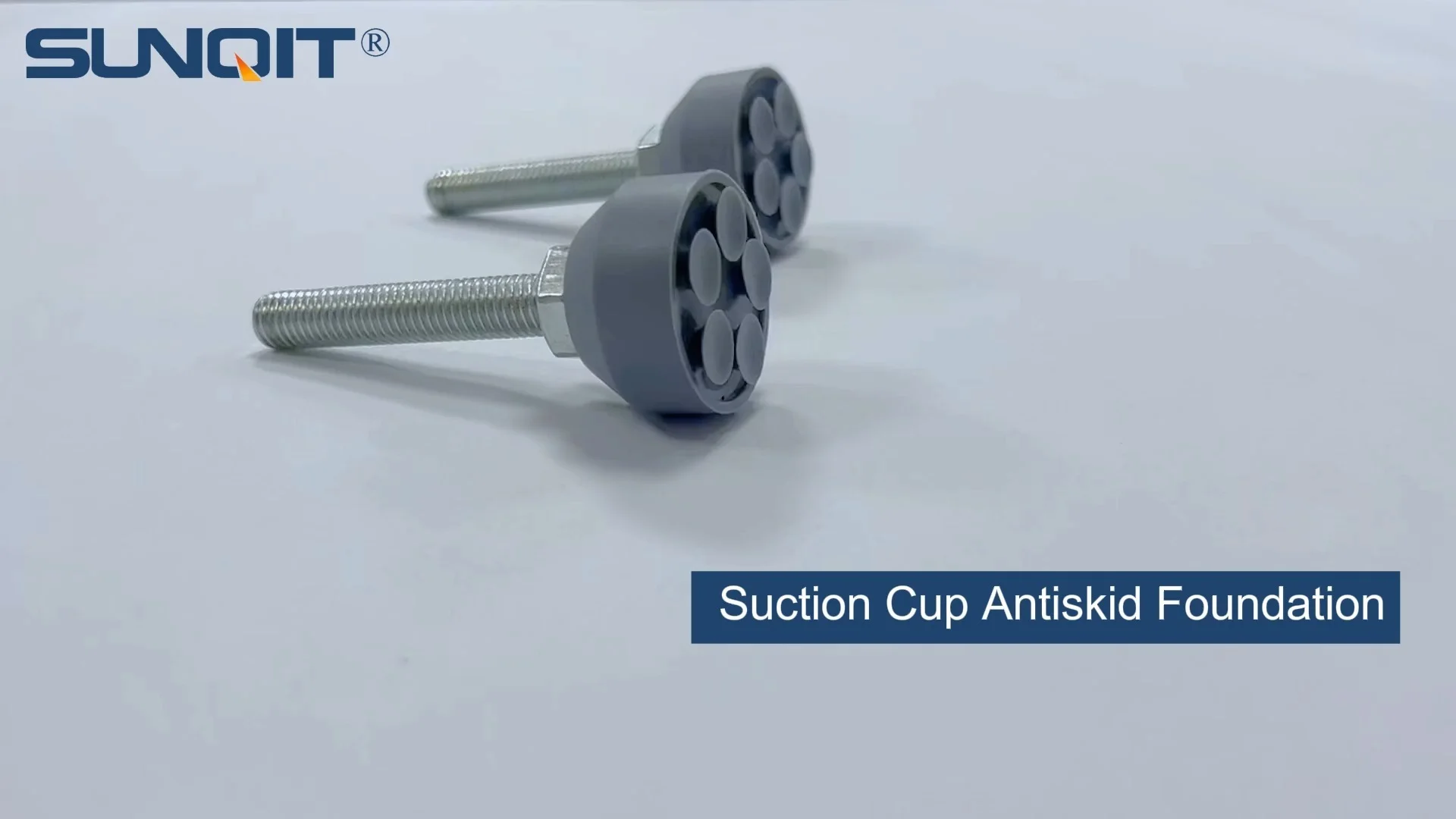
Suction Cup Anti-slip Foot Adjuster
D=35mm suction cup anti-slip foot adjusterï¼screw M10*55ï¼with a blot, used for workbench, flowrack pipe contact with groud.
Introduction: The Unsung Heroes of Workplace Stability
Walk into any busy factory, warehouse, or workshop, and your eyes might be drawn to the big machines—the assembly lines, the robotic arms, the towering storage racks. But if you look closer, you'll notice the smaller components that keep everything running smoothly: the caster wheels that let carts glide, the lean pipe workbenches that organize tools, and the tiny but critical parts that ensure none of it slips, shifts, or shakes. Among these unsung heroes? Suction cup anti-slip foot adjusters. These unassuming devices might not grab headlines, but they're the silent guardians of stability in industrial settings. And today, we're diving deep into one of their most important features: temperature resistance.
Why does temperature matter when it comes to a foot adjuster? Think about it: factories get hot in summer, especially near machinery that generates heat. Cold storage facilities stay frosty year-round. Even workshops in temperate climates can see temperature swings from morning to afternoon. All these changes affect materials—rubber hardens in the cold, softens in the heat, and loses its grip when it's too extreme. For a suction cup anti-slip foot adjuster, which relies on a tight seal and friction to keep equipment steady, temperature resistance isn't just a "nice-to-have." It's a make-or-break factor for safety, productivity, and even product quality. Let's unpack why.
What Are Suction Cup Anti-Slip Foot Adjusters, Anyway?
Before we talk about temperature, let's make sure we're all on the same page about what these devices are and how they work. A suction cup anti-slip foot adjuster is a small, often cylindrical component designed to attach to the bottom of equipment—think workbenches, shelving units, or machinery—to do two key things: adjust height and prevent slipping. The "adjuster" part comes from a threaded stem that lets you raise or lower the foot to level uneven surfaces, ensuring the equipment sits flat. The "suction cup anti-slip" part is the base: a flexible, often rubberized cup that creates a vacuum seal with the floor, combined with textured or grippy material to maximize friction.
Imagine setting up a lean pipe workbench in your workshop. The floor might have small dips or bumps from years of use. Without adjustable feet, the workbench would wobble, making precise tasks like assembly or measurement nearly impossible. Add foot adjusters, and you can tweak each corner to level the bench. But if the suction cups on those feet can't handle the temperature in your workspace—say, the workshop gets to 95°F in summer—the rubber might soften, the seal might break, and suddenly your "stable" workbench is sliding mid-task. That's where temperature resistance steps in.

Why Temperature Resistance Isn't Optional
Let's start with the basics: materials and temperature don't mix well. Most suction cup anti-slip foot adjusters use rubber, silicone, or polyurethane for their suction cups. These materials are chosen for their flexibility and grip, but they're sensitive to heat and cold. Here's what happens when temperatures go to extremes:
- High Heat: Rubber and similar materials soften when heated. At around 140°F (60°C), many rubbers start to lose their structural integrity—they become sticky, lose elasticity, and their suction cups can't maintain a tight seal. In extreme cases (over 200°F/93°C), they might even melt or degrade, leaving your equipment without any anti-slip protection.
- Cold Temperatures: Cold has the opposite effect: materials harden. Below 32°F (0°C), rubber can become brittle, cracking or losing flexibility. A hard, rigid suction cup won't conform to the floor's surface, breaking the vacuum seal and reducing friction. In freezing conditions, moisture can also freeze between the cup and the floor, turning a secure grip into a slippery mess.
The consequences? A workbench that slides during assembly, causing parts to misalign. A shelving unit that shifts, risking a collapse. A machine that vibrates excessively because its feet can't absorb shocks, leading to premature wear. In worst-case scenarios, unstable equipment can cause accidents—tools falling, workers tripping, or products getting damaged. For businesses, that means downtime, repair costs, and lost revenue. For workers, it means a less safe environment. Simply put, if your suction cup anti-slip foot adjusters can't handle your workspace's temperature range, you're gambling with stability.

Factors That Affect Temperature Performance
Not all suction cup anti-slip foot adjusters are created equal when it comes to temperature resistance. Several factors determine how well they hold up, starting with the material of the suction cup itself. Let's break down the key variables:
1. Material Composition
The type of material used in the suction cup is the biggest driver of temperature resistance. Here's a quick overview of common options:
| Material | Typical Temperature Range | Pros | Cons |
|---|---|---|---|
| Natural Rubber | -4°F to 176°F (-20°C to 80°C) | Excellent grip, low cost, flexible at room temp | Poor resistance to extreme heat/cold; degrades in oil/chemicals |
| Silicone | -148°F to 572°F (-100°C to 300°C) | Exceptional high/low temp resistance; chemical-resistant | More expensive; slightly less grip than rubber at room temp |
| Polyurethane | -40°F to 212°F (-40°C to 100°C) | Durable, good abrasion resistance, balances temp range | Stiffer than rubber; can harden in very cold temps |
As you can see, silicone is the clear winner for extreme temperatures, but it comes with a higher price tag. Natural rubber works well in moderate environments but fails in heat or cold. Polyurethane is a middle ground—great for most industrial settings but not ideal for sub-zero or scorching conditions.
2. Suction Cup Design
Even the best material can underperform if the suction cup's design is flawed. A well-designed cup has a thick, flexible rim that conforms to the floor, a concave shape to create strong suction, and a texture that enhances friction. In high heat, a thin or poorly shaped cup might warp, breaking the seal. In cold, a rigid design won't flex, leaving gaps between the cup and the floor.
3. Stem and Adjuster Material
It's not just the suction cup that matters—the stem (the part that adjusts height) and the base (which connects the cup to the equipment) also play a role. Most stems are metal (steel or aluminum), which handle temperature changes well, but if the stem is poorly threaded or the adjuster mechanism is plastic, extreme temps can cause warping or jamming. For example, plastic adjusters might crack in the cold or melt in the heat, making it impossible to level your equipment.

Common Temperature Ranges in Industrial Settings
To choose the right suction cup anti-slip foot adjuster, you first need to know your workspace's temperature extremes. Let's look at typical environments and their temp ranges:
General Factories and Workshops
Most indoor industrial spaces stay between 60°F and 95°F (15°C to 35°C) in moderate climates. However, areas near machinery (like ovens, furnaces, or welding stations) can spike to 120°F (49°C) or more. In summer, without AC, workshops might hit 110°F (43°C). For these settings, polyurethane or natural rubber (if temps stay below 140°F) usually works.
Cold Storage and Freezers
Food processing plants, pharmaceutical warehouses, and cold storage facilities often operate at 32°F (0°C) or lower. Freezers can go as low as -40°F (-40°C). In these environments, natural rubber is out of the question—it will harden and crack. Silicone or specialized cold-resistant polyurethane is a must.
High-Heat Environments
Foundries, glass manufacturing, and facilities with industrial ovens regularly see temps above 150°F (65°C). Near furnaces, it might even reach 250°F (121°C). Here, silicone is the only reliable choice—other materials will soften or degrade quickly.
Outdoor or Uncontrolled Spaces
Warehouses with open doors, construction sites, or outdoor workshops face the full brunt of weather. In desert climates, summer temps can hit 120°F (49°C); in winter, cold regions might drop to -20°F (-29°C). These spaces need foot adjusters that handle both extremes—again, silicone is your best bet.
Testing Temperature Resistance: How Manufacturers Ensure Performance
You might be wondering: How do you know if a suction cup anti-slip foot adjuster can really handle the temperatures it claims? Reputable manufacturers put their products through rigorous testing to verify performance. Here's what that process looks like:
- Thermal Cycling: Products are exposed to repeated cycles of high and low temperatures (e.g., -40°F to 200°F) for days or weeks. This simulates real-world conditions where temps fluctuate daily.
- Static Heat/Cold Exposure: Samples are placed in ovens or freezers at extreme temps for extended periods (24–72 hours) to check for softening, hardening, cracking, or melting.
- Grip Strength Testing: After temperature exposure, the suction cups are tested for friction and suction force using specialized equipment. A drop in grip strength of more than 20% usually means the product fails.
- Abrasion and Wear Testing: Temperature-stressed materials are also tested for wear resistance—extreme temps can make materials more prone to tearing or breaking, so this ensures durability.
When shopping for foot adjusters, look for products with test certifications (like ISO or ASTM standards) that confirm their temperature range. Avoid generic, unbranded options—they might claim to handle high temps but skip the testing.
Real-World Example: The Lean Pipe Workbench in a Bakery
Let's put this all into context with a real scenario. Imagine a small bakery that uses a lean pipe workbench to assemble pastries. The workbench is located near a large oven that runs all day, keeping the area around it at 100–110°F (38–43°C) during peak hours. The bakery initially uses standard natural rubber suction cup foot adjusters, assuming the temp isn't "that hot."
At first, everything works fine. But as summer arrives and the oven runs longer, the workbench starts to slide. The bakers notice that the pastries they're assembling are misaligned—croissants with uneven layers, cookies that don't sit straight on trays. They check the workbench and find the suction cups are sticky and misshapen; the rubber has softened in the heat, losing its grip. One day, a baker bumps the bench, and a tray of unbaked muffins slides off, hitting the floor. The bakery loses product, wastes time cleaning up, and has to delay orders.
The solution? Switching to silicone suction cup anti-slip foot adjusters rated for up to 300°F (149°C). The new feet stay firm even near the oven, the workbench stops sliding, and the bakers can focus on making pastries instead of worrying about stability. It's a small change, but it saves the bakery time, money, and frustration—all because they prioritized temperature resistance.
Choosing the Right Suction Cup Anti-Slip Foot Adjuster for Your Space
Now that you understand why temperature resistance matters, how do you pick the right foot adjuster for your needs? Follow these steps:
- Measure Your Temperature Extremes: Use a thermometer to record the highest and lowest temps in your workspace over a week. Note any hot spots (near machinery) or cold zones (near freezers).
- Check Material Compatibility: Match your temp range to the material: silicone for extremes, polyurethane for moderate heat/cold, natural rubber for room-temp settings.
- Consider Load Capacity: Foot adjusters have weight limits—make sure they can support your equipment (e.g., a heavy lean pipe workbench with tools will need sturdier feet than a lightweight cart).
- Look for Quality Construction: Opt for thick, flexible suction cups, metal stems (not plastic), and smooth adjuster mechanisms that won't jam in extreme temps.
- Read Reviews and Ask for Samples: If possible, test a sample in your actual workspace. See how it holds up over a few days of temperature changes before buying in bulk.
Maintenance Tips: Extending the Life of Your Foot Adjusters
Even the best suction cup anti-slip foot adjusters need care to perform well long-term. Here's how to keep them in top shape:
- Clean Regularly: Dust, dirt, and oil can break the suction seal. Wipe the cups with a damp cloth weekly to remove debris.
- Inspect for Wear: Check for cracks, hardening, or stickiness (signs of degradation). replace any foot adjusters that show these signs—don't wait for them to fail.
- Adjust Height as Needed: If your workspace floor shifts (due to temperature or humidity), readjust the feet to keep the equipment level. A tilted bench puts extra strain on the foot adjusters.
- Store Spare Feet Properly: If you keep extra foot adjusters on hand, store them in a cool, dry place away from direct sunlight and chemicals. Extreme temps during storage can degrade materials even if they're not in use.
- Lubricate Adjuster Threads: A drop of silicone-based lubricant on the stem threads prevents jamming, especially in cold temps where metal can seize up.
Conclusion: Don't Overlook the Small Stuff
Suction cup anti-slip foot adjusters might be small, but their role in keeping your workspace safe and productive is huge. Temperature resistance isn't just a specification on a datasheet—it's a critical feature that prevents accidents, reduces downtime, and ensures your equipment (like that trusty lean pipe workbench) does its job, no matter how hot or cold it gets.
So the next time you're setting up a workbench, installing a machine, or upgrading your facility, take a moment to think about the foot adjusters. Measure your temps, choose the right material, and invest in quality. Your workers, your products, and your bottom line will thank you.
After all, in the world of industrial stability, the smallest components often make the biggest difference.