- Company Articles
- Products and Technology
- Product knowledge
- Temporary vs. Permanent Plastic Pipe End Caps: When to Use Each Type

Temporary vs. Permanent Plastic Pipe End Caps: When to Use Each Type
Related Product
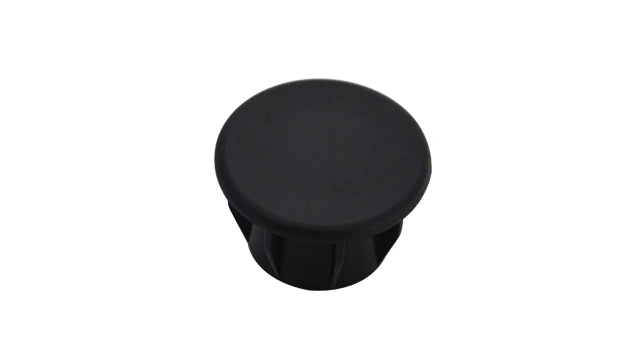
Plastic pipe end cap
Plastic pipe cover, used for 28mm two end cover and protection, to avoid any scratch from sharp metal surface.
Walk into any manufacturing facility, warehouse, or construction site, and you'll quickly realize that pipes are the unsung backbone of daily operations. They carry fluids, support structures, guide materials, and even form the framework of workstations and assembly lines. But what happens when a pipe isn't connected to anything? Left open, its end becomes a magnet for dirt, debris, and moisture—all of which can damage internal components, clog systems, or even pose safety risks to workers. That's where pipe end caps come in. These small, often overlooked components seal pipe ends, keeping them clean, protected, and functional. Yet not all end caps are designed for the same job. Temporary caps and permanent caps serve distinct purposes, and choosing the wrong one can lead to inefficiency, added costs, or even equipment failure. In this guide, we'll break down the differences between temporary and permanent plastic pipe end caps, explore their unique use cases, and help you decide which is right for your project—whether you're setting up a lean pipe assembly line, building an aluminum profile workbench, or managing a warehouse full of roller tracks.
What Are Plastic Pipe End Caps, Anyway?
Before diving into the temporary vs. permanent debate, let's clarify what pipe end caps are and why they matter. At their core, end caps are protective covers designed to fit snugly over the open end of a pipe. They're typically made from plastic—polyethylene (PE), polypropylene (PP), PVC, or ABS—though metal options exist. Plastic, however, is the go-to for most applications thanks to its affordability, corrosion resistance, and versatility.
The primary functions of end caps are threefold: protection , containment , and safety . Protection keeps contaminants like dust, water, and debris out of pipes during storage, transport, or installation. Containment prevents fluids (like oils, chemicals, or water) from leaking out of open pipe ends in active systems. Safety, often overlooked, is critical too—exposed pipe ends can have sharp edges that snag gloves, clothing, or skin; end caps smooth those edges, reducing injury risks.
But here's the catch: not all pipes need the same level of sealing. A pipe waiting to be installed next week needs a cap that's easy to remove. A pipe that's part of a permanent fluid system needs a cap that will never budge, even under pressure. That's where the split between temporary and permanent caps comes into play. Let's start with the flexible option: temporary end caps.
Temporary Plastic Pipe End Caps: Flexibility for Short-Term Needs
What Are Temporary Caps, and When Do You Need Them?
Temporary plastic pipe end caps are designed for short-term use . Think of them as the "" (rented apartment) of end caps—they serve a temporary purpose, are easy to install and remove, and can be reused multiple times. They're ideal for situations where the pipe end will eventually be connected to another component, or where access to the pipe's interior is needed later.
Materials: Lightweight, Flexible, and Reusable
Temporary caps are almost always made from low-density polyethylene (LDPE) or polypropylene (PP) . These materials are flexible, lightweight, and impact-resistant—key traits for withstanding the rough-and-tumble of storage yards, construction sites, or factory floors. LDPE, in particular, has a slight "give" to it, allowing the cap to stretch slightly when installed and form a tight seal without permanent deformation. This flexibility also makes removal easy: a quick twist or pull, and the cap pops off, ready to be used again on another pipe.
Some temporary caps also feature ribbed exteriors for better grip during installation/removal, or color coding (e.g., blue for water pipes, red for gas) to help workers quickly identify pipe types. This is especially useful in busy warehouses where dozens of pipes might be stored side by side.
Design Features: Snap-On, Friction-Fit, and No-Fuss
The hallmark of a temporary cap is its friction-fit or snap-on design . Unlike permanent caps, which may require adhesives or tools, temporary caps rely on mechanical pressure to stay in place. Most have a slightly tapered interior: when pushed onto the pipe end, the plastic compresses, creating a tight seal. Some models include a lip or flange at the base, which acts as a stop to prevent over-insertion and makes removal easier (you can hook a finger under the lip to pull it off).
Another common design feature is vent holes in some industrial-grade temporary caps. These tiny holes allow air pressure to equalize inside the pipe, preventing the cap from popping off due to temperature changes or altitude shifts—handy if you're transporting pipes across long distances or storing them outdoors in fluctuating weather.
Installation and Removal: Simple Enough for Anyone
Installing a temporary cap is usually a one-person job that takes seconds. No tools, no adhesives, no training required. Just align the cap with the pipe end and push firmly until it seats. The friction fit does the rest. Removal is just as easy: grip the cap (or its flange, if present) and twist or pull. The flexible plastic releases without damaging the pipe or the cap itself—meaning you can reuse the cap dozens of times, making temporary caps a cost-effective choice for projects with frequent pipe handling.
Real-World Use Cases for Temporary Caps
Temporary caps shine in scenarios where pipes are in transition —not yet installed, being moved, or waiting for final assembly. Here are a few common examples:
- Lean Pipe Assembly Lines: In lean manufacturing, workers often build modular workstations using lean pipes (also called "flexible pipes") and connectors. During setup, pipes are cut to length, fitted with joints, and adjusted repeatedly until the workflow is optimized. Temporary caps keep these cut pipe ends clean and safe while the workstation is being fine-tuned. Once the layout is finalized, the caps are removed, and the pipes are connected to other components like roller tracks or material racks.
- Warehouse Storage: Pipes waiting to be installed—whether for plumbing, HVAC, or structural support—need protection from dust, rain, and pests. Temporary caps seal out moisture and debris, ensuring the pipes are "job-ready" when needed. For example, a construction crew might order 50 feet of aluminum pipe for a project, cap the ends temporarily, and store them outdoors until the framing phase begins.
- Maintenance and Repairs: When a fluid system (like a factory's coolant lines) is shut down for repairs, open pipe ends can suck in contaminants. Temporary caps provide a quick, reversible seal until the system is back online. Unlike permanent caps, they won't damage the pipe threads or require tools to remove, saving maintenance crews time.
- Transportation: Pipes loaded onto trucks or shipping containers are jostled during transit. Temporary caps prevent dirt from being forced into the pipe ends by wind or vibration, and they also stop loose debris (like gravel from the road) from entering. This is critical for precision applications, such as medical device manufacturing, where even a tiny particle inside a pipe can ruin a product.
Pros and Cons of Temporary Caps
Pros:
- Cost-effective: Reusable design means you buy fewer caps over time.
- Easy to use: No tools or adhesives required—anyone can install/remove them.
- Protective: Shields against debris, moisture, and minor impacts during transit/storage.
- Versatile: Works with most pipe materials (plastic, metal, aluminum) and sizes.
Cons:
- Not for long-term use: Can loosen over time due to vibration, temperature changes, or UV exposure.
- Limited pressure resistance: Not designed to contain high-pressure fluids; a strong enough flow could blow the cap off.
- Less secure: May fall off if not installed properly, leaving the pipe exposed.

Permanent Plastic Pipe End Caps: For Long-Term Sealing
What Are Permanent Caps, and When Do You Need Them?
If temporary caps are the "rented apartment," permanent caps are the "owned home"—they're designed to stay put indefinitely, creating a secure, long-lasting seal. These caps are used when a pipe end is permanently closed —never to be connected to another component or accessed again. Think of a dead-end pipe in a plumbing system, the leg of an aluminum profile workbench, or the end of a roller track that doesn't feed into another conveyor.
Materials: Rigid, Durable, and Built to Last
Permanent caps are made from sturdier plastics than their temporary counterparts. PVC (polyvinyl chloride) and ABS (acrylonitrile butadiene styrene) are common choices, thanks to their rigidity, chemical resistance, and structural strength. Some high-performance models use glass-reinforced plastic (GRP) for added durability, ideal for industrial environments with high temperatures or corrosive substances.
Unlike flexible LDPE, these materials hold their shape over time, ensuring the seal remains tight even after years of exposure to weather, moisture, or mechanical stress. They're also less prone to UV degradation, making them suitable for outdoor use (though most permanent caps used outdoors are still recommended to be painted or coated for extra protection).
Design Features: Threaded, Glued, or Crimped for a Permanent Bond
Permanent caps are all about permanence , so their designs focus on creating an unbreakable seal. Here are the most common types:
- Threaded Caps: These have internal threads that match the external threads of the pipe. They're screwed on and often sealed with Teflon tape or pipe dope to prevent leaks. Threaded caps are common in plumbing systems, where pipes carry water or gas under pressure.
- Glued Caps: Designed for unthreaded pipes (like PVC drain pipes), these caps are secured with solvent cement—a strong adhesive that melts the plastic surface of both the cap and pipe, fusing them into a single piece. Once dry, the bond is nearly as strong as the pipe itself.
- Crimp-On Caps: Used for metal or aluminum pipes, these caps are placed over the pipe end and crimped (compressed) with a tool, deforming the cap and pipe slightly to create a tight, mechanical seal. They're popular in automotive and HVAC systems.
- Push-Fit Caps: A newer design, these caps use internal O-rings and barbs to create a watertight seal when pushed onto the pipe. While easier to install than glued or crimped caps, they're still considered permanent because removing them requires cutting or damaging the cap.
Installation: Tools, Adhesives, and Precision
Installing a permanent cap is more involved than installing a temporary one. It requires tools, adhesives, or specialized equipment, and once done, it's not reversible (without cutting the cap off). For example:
- Threaded caps: Require Teflon tape or pipe dope to seal threads, plus a wrench to tighten them securely.
- Glued caps: The pipe end and cap must be cleaned with primer, coated with solvent cement, and twisted together quickly before the cement sets (usually within 30 seconds).
- Crimp-on caps: Need a crimping tool to compress the cap onto the pipe, requiring steady hands to avoid over-crimping (which can crack the pipe) or under-crimping (which leads to leaks).
This extra effort pays off, though: a properly installed permanent cap will last the lifetime of the pipe, requiring no maintenance or replacement.
Real-World Use Cases for Permanent Caps
Permanent caps are essential when pipes are fixed in place and need to stay sealed indefinitely. Here are a few key scenarios:
- Aluminum Profile Workbenches: Workbenches built with aluminum extrusion profiles often have exposed pipe ends that could snag clothing or scratch tools. Permanent caps smooth these edges, improving safety and giving the workstation a finished, professional look. Many workbench suppliers pre-install these caps to ensure quality control.
- Finalized Fluid Systems: In plumbing, HVAC, or chemical processing, pipes that terminate (e.g., a dead-end water line or a capped-off gas valve) need permanent caps to prevent leaks. A glued or threaded cap here ensures no fluid escapes, even under pressure.
- Structural Pipes: Pipes used for support (like the legs of a roller track rack or the frame of a material trolley) need permanent caps to keep out moisture, which can cause rust or corrosion. Over time, a temporary cap might loosen, letting water in and weakening the structure—permanent caps eliminate that risk.
- Medical and Food-Grade Applications: In industries where cleanliness is critical (e.g., pharmaceutical manufacturing or food processing), permanent caps prevent bacterial growth inside pipes. Their seamless, non-porous design leaves no gaps for contaminants to hide, making them easier to sanitize.
Pros and Cons of Permanent Caps
Pros:
- Long-lasting: Creates a permanent seal that won't loosen or degrade over time.
- Pressure-resistant: Can handle high-pressure fluids (when properly installed with adhesives or threads).
- Safety-focused: Eliminates sharp edges permanently, reducing injury risks in workplaces like assembly lines.
- Weatherproof: Resists UV rays, moisture, and temperature extremes, making them suitable for outdoor use.
Cons:
- Not reusable: Once installed, they can't be removed without damaging the cap or pipe.
- Installation time: Requires tools, adhesives, or training, adding labor costs.
- Costlier upfront: More expensive per unit than temporary caps, especially when factoring in adhesives or tools.

Temporary vs. Permanent Caps: A Side-by-Side Comparison
| Feature | Temporary Plastic Pipe End Caps | Permanent Plastic Pipe End Caps |
|---|---|---|
| Primary Use | Short-term protection during storage, transport, or assembly | Long-term sealing for permanently closed pipe ends |
| Materials | LDPE, PP (flexible, lightweight) | PVC, ABS, GRP (rigid, durable) |
| Installation Method | Friction-fit or snap-on; no tools/adhesives needed | Threaded, glued, crimped, or push-fit; requires tools/adhesives |
| Removal | Easy (twist or pull); reusable | Difficult (requires cutting or damaging the cap); not reusable |
| Seal Strength | Moderate (good for debris/dust; not for high pressure) | High (watertight, airtight; suitable for high-pressure fluids) |
| Durability | Reusable but prone to wear after multiple uses | Long-lasting (lifetime of the pipe) |
| Best For | Lean pipe assembly lines, temporary storage, maintenance | Aluminum profile workbenches, plumbing systems, structural pipes |
| Cost (Per Unit) | Low ($0.10–$1.00, depending on size) | Higher ($0.50–$5.00, plus adhesives/tools) |
Choosing the Right Cap: 5 Key Questions to Ask
Now that you understand the differences, how do you decide between temporary and permanent caps for your project? Start by asking these five questions:
1. How Long Will the Pipe End Be Sealed?
If the pipe is temporarily disconnected (e.g., waiting for a connector, being stored for a few weeks, or part of a lean pipe workstation that might be reconfigured), go with a temporary cap. If the pipe end will never be connected again (e.g., the leg of an aluminum workbench or a dead-end plumbing line), permanent is the way to go.
2. What's the Environment Like?
Outdoor pipes, or those in harsh environments (high temperatures, chemicals, UV exposure), need the durability of permanent caps. Indoor pipes in controlled environments (like a factory floor) might only need temporary caps during assembly. For example, roller tracks in a warehouse might use temporary caps during installation, then switch to permanent caps once the system is operational.
3. Will the Pipe Carry Fluids Under Pressure?
If the pipe transports liquids or gases under pressure (even low pressure, like a garden hose), temporary caps are risky—they can pop off, causing leaks. Permanent caps (threaded or glued) are designed to handle pressure and prevent blowouts.
4. Is Reusability Important?
If you're working with a limited budget or need to cap multiple pipes temporarily (e.g., a lean pipe supplier shipping bulk orders), temporary caps are cost-effective because they can be reused. Permanent caps are a one-time expense, so reserve them for applications where reusability isn't a factor.
5. What Are the Safety Requirements?
In workplaces with strict safety standards (e.g., OSHA-regulated factories), exposed pipe ends are a hazard. Permanent caps eliminate sharp edges permanently, making them a better choice for high-traffic areas like assembly lines or walkways. Temporary caps can loosen over time, creating a safety risk if they fall off, so they're best used in low-traffic, temporary setups.
Final Thoughts: Small Caps, Big Impact
At first glance, plastic pipe end caps might seem like trivial components—after all, they're just small pieces of plastic. But as we've explored, they play a critical role in protecting pipes, ensuring safety, and maintaining efficiency in everything from lean pipe workstations to industrial plumbing systems. Temporary caps offer flexibility for short-term needs, while permanent caps provide long-lasting security for pipes that will never be opened again.
The next time you reach for an end cap, take a moment to consider the pipe's purpose, environment, and lifespan. Are you building a modular aluminum profile workbench that might be reconfigured next year? Temporary caps make sense. Installing a permanent plumbing line in a commercial building? Go with a glued or threaded permanent cap. By matching the cap to the job, you'll save time, reduce costs, and ensure your pipes stay protected—no matter what the job throws at them.
In the end, the "right" cap is the one that fits your project's unique needs. And now, you're equipped to choose it with confidence.