- Company Articles
- Products and Technology
- Product knowledge
- Tensile Strength of 0.8mm Stainless Steel Pipe: Key for Heavy-Duty Turnover Carts

Tensile Strength of 0.8mm Stainless Steel Pipe: Key for Heavy-Duty Turnover Carts
Related Product
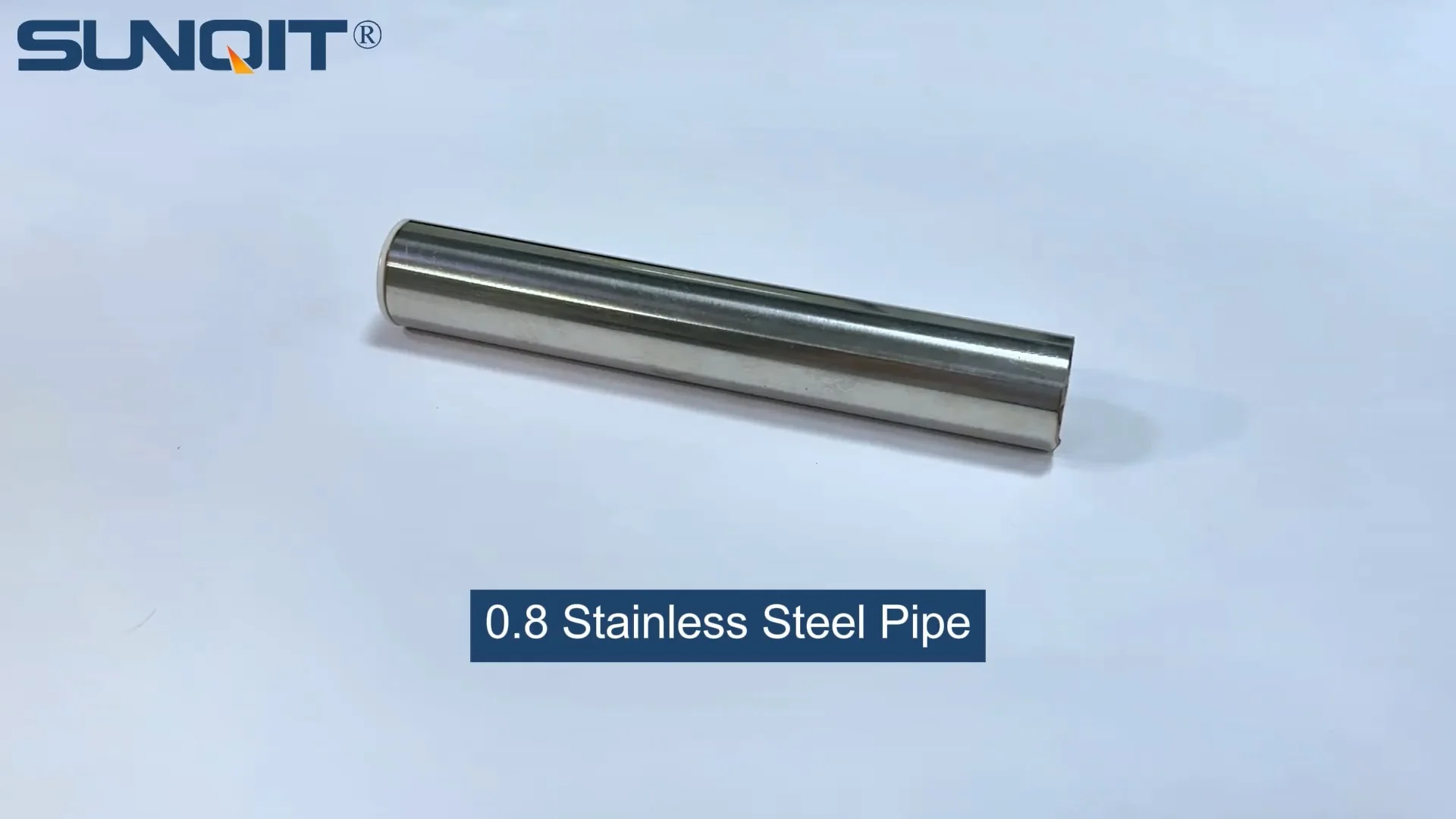
0.8mm Stainless Steel Pipe
Stainless steel pipe, lean pipe, diameter is 28mm, material is SS201 or SS304, SS201 is normally used in the market. It knows a KARAKURI, KAIZEN material for industrial plant to improve efficiency, save labor cost, standard management.
Walk into any busy warehouse, manufacturing plant, or distribution center, and you'll notice a silent workhorse keeping operations moving: the turnover cart. These unassuming tools—stacked with components, raw materials, or finished products—are the backbone of efficient material flow. But not all turnover carts are created equal. Ask any floor manager what causes the most frustration, and they'll likely mention carts that bend under load, wheels that snap, or frames that warp after a few months of heavy use. The culprit? Often, it's the material choice. And when it comes to heavy-duty applications, one component stands out as a game-changer: the 0.8mm stainless steel pipe from the stainless steel pipe series. Its secret weapon? Tensile strength.
In this article, we'll dive into why tensile strength matters for turnover carts, how 0.8mm stainless steel pipe delivers it, and why this often-overlooked specification can mean the difference between seamless operations and costly downtime. We'll also explore real-world applications, compare it to other materials, and explain how it integrates with critical components like caster wheels to create a cart that's not just tough, but reliable for years.
Why Turnover Carts Can't Afford Weak Materials
First, let's set the scene. A typical heavy-duty turnover cart might carry 300–500 pounds of goods—think automotive parts, electronic components, or bulk raw materials. Over a single shift, that cart could be pushed, pulled, loaded, and unloaded dozens of times. It navigates uneven floors, hits curbs, and endures sudden stops. If the frame flexes even a little under that stress, two problems arise: instability (risking spills or worker injury) and accelerated wear (leading to frequent replacements).
For years, manufacturers experimented with materials like aluminum pipe, PE-coated lean pipe, or thin-gauge steel. Aluminum is lightweight but lacks the rigidity for heavy loads; PE-coated pipes are affordable but prone to cracking under tension. Then came the shift to stainless steel—a material prized for corrosion resistance and strength. But not all stainless steel pipes are the same. The 0.8mm thickness, in particular, has emerged as the sweet spot for balance.
Tensile Strength: The Hidden Metric That Makes or Breaks a Cart
Tensile strength is the maximum amount of tensile (pulling) force a material can withstand before breaking. For a turnover cart's frame, this isn't just about "not breaking"—it's about maintaining structural integrity under repeated stress. Imagine a cart loaded with 400 pounds of metal parts. As a worker pushes it up a slight incline, the frame experiences tension: the pipes stretch ever so slightly. If the tensile strength is too low, those small stretches add up, leading to permanent deformation (a bent frame) or, worse, a snapped joint.
Stainless steel, by nature, has impressive tensile strength. But the 0.8mm thickness is where engineering meets practicality. Let's break it down: A 0.8mm stainless steel pipe (part of the stainless steel pipe series) typically has a tensile strength of 500–700 MPa (megapascals). To put that in perspective, 500 MPa means it can withstand 500 million newtons of force per square meter—enough to resist the constant pulling and pushing of daily use without deforming.
Why 0.8mm specifically? Thicker pipes (like 1.2mm) offer higher tensile strength but add weight, making carts harder to maneuver. Thinner pipes (0.5mm) save weight but sacrifice durability. 0.8mm hits the "Goldilocks zone": strong enough to handle heavy loads, light enough for workers to push comfortably, and cost-effective to produce.

How 0.8mm Stainless Steel Pipe Stacks Up Against Alternatives
To truly appreciate 0.8mm stainless steel, let's compare it to two common alternatives: 1.5mm PE-coated lean pipe and 0.8mm aluminum pipe. The table below highlights key metrics for heavy-duty turnover cart frames:
| Material | Thickness | Tensile Strength (MPa) | Weight per Meter (kg) | Corrosion Resistance | Best For |
|---|---|---|---|---|---|
| 0.8mm Stainless Steel (Stainless Steel Pipe Series) | 0.8mm | 500–700 | 0.6–0.8 | Excellent (resists rust, chemicals) | Heavy loads (300–500 lbs), wet/dusty environments |
| 1.5mm PE-Coated Lean Pipe | 1.5mm (with PE coating) | 300–400 | 0.7–0.9 | Good (PE coating resists minor corrosion) | Light to medium loads (100–250 lbs), clean environments |
| 0.8mm Aluminum Pipe | 0.8mm | 200–300 | 0.4–0.5 | Good (natural oxide layer) | Light loads (under 200 lbs), applications prioritizing weight |
The data speaks for itself. 0.8mm stainless steel outperforms aluminum in tensile strength by 60–130% and PE-coated lean pipe by 25–40%, while remaining lighter than 1.5mm PE-coated options. For heavy-duty turnover carts, this translates to a frame that can handle more weight without adding unnecessary bulk.

Beyond the Frame: How Stainless Steel Pipes Support Critical Components
A turnover cart is more than just a frame. It relies on components like caster wheels, joints, and shelves to function. Here's where 0.8mm stainless steel pipe truly shines: it provides a stable foundation for these parts, ensuring they work together seamlessly.
Take caster wheels, for example. A heavy-duty caster wheel (often rated for 150–200 lbs per wheel) needs a strong mounting point. If the pipe frame is weak, the stress of a 500-lb load could cause the pipe to bend where the caster is attached, leading to wobbly wheels or even a detached caster—both safety hazards. 0.8mm stainless steel's tensile strength ensures the mounting points stay rigid, keeping wheels aligned and functional.
Joints are another critical area. Turnover carts in the stainless steel pipe series use welded or bolted joints to connect pipes. If the pipe itself lacks tensile strength, the joint becomes the weakest link. A sudden jolt (like hitting a pothole) could pull the pipe away from the joint, even if the joint itself is well-made. Stainless steel's resistance to stretching means the pipe and joint work as a team, distributing stress evenly.
Real-World Impact: A Warehouse's Experience with 0.8mm Stainless Steel Carts
Let's look at a real example. A mid-sized automotive parts manufacturer in Michigan was struggling with their turnover carts. They'd been using aluminum pipe carts for years, but frequent breakdowns were costing them: a bent frame here, a snapped caster mount there. On average, they replaced 2–3 carts per month, at $200–$300 each. Worse, cart failures caused delays—workers had to stop, unload the damaged cart, and transfer goods to a backup, eating into production time.
After consulting with a material specialist, they switched to turnover carts built with 0.8mm stainless steel pipe from the stainless steel pipe series. The results were striking: over six months, they replaced only one cart (due to a rare accident, not material failure). Load capacity increased by 40% (from 350 lbs to 500 lbs), allowing them to consolidate trips. Workers reported the carts felt "sturdier" and easier to push, even when fully loaded. The plant manager summed it up: "We used to think aluminum was 'good enough,' but the stainless steel carts paid for themselves in less than a year—no more downtime, no more replacement costs."
Why Tensile Strength Isn't Just a "Nice-to-Have"
At this point, you might be thinking, "My carts aren't failing that often—do I really need to upgrade?" Here's the thing: tensile strength isn't just about avoiding catastrophic failure. It's about consistency. A cart with a 0.8mm stainless steel frame will perform the same on day 1 as it does on day 1,000. It won't develop a slight lean after six months of use, or start creaking under loads it once handled easily. That consistency translates to:
- Predictable performance: Workers know exactly how much the cart can carry, reducing guesswork and accidents.
- Lower long-term costs: Fewer replacements mean less spending on new carts and less labor time spent on repairs.
- Safer operations: A rigid frame reduces the risk of tip-overs or spills, protecting both workers and inventory.
For businesses that rely on turnover trolley and rack systems, these benefits are hard to ignore. In industries like manufacturing, where margins are tight and efficiency is king, a small upgrade in material can lead to big gains in productivity.
Final Thoughts: Investing in the Right Foundation
Turnover carts may not be the most glamorous part of your operation, but they're essential. And when it comes to building a cart that can handle heavy loads, resist corrosion, and last for years, the 0.8mm stainless steel pipe from the stainless steel pipe series is the unsung hero. Its tensile strength isn't just a specification on a datasheet—it's the reason your workers can focus on their jobs instead of fixing broken carts, and why your bottom line stays healthy.
So, the next time you're shopping for turnover carts, don't just look at the load rating or wheel type. Ask about the frame material. Ask about tensile strength. And if the answer is "0.8mm stainless steel," you'll know you're investing in a cart that's built to work as hard as your team does.