- Company Articles
- Products and Technology
- Product knowledge
- Tensile Strength of 1.0mm Stainless Steel Pipe for Heavy-Duty Applications

Tensile Strength of 1.0mm Stainless Steel Pipe for Heavy-Duty Applications
Related Product
1.0mm Stainless Steel Pipe
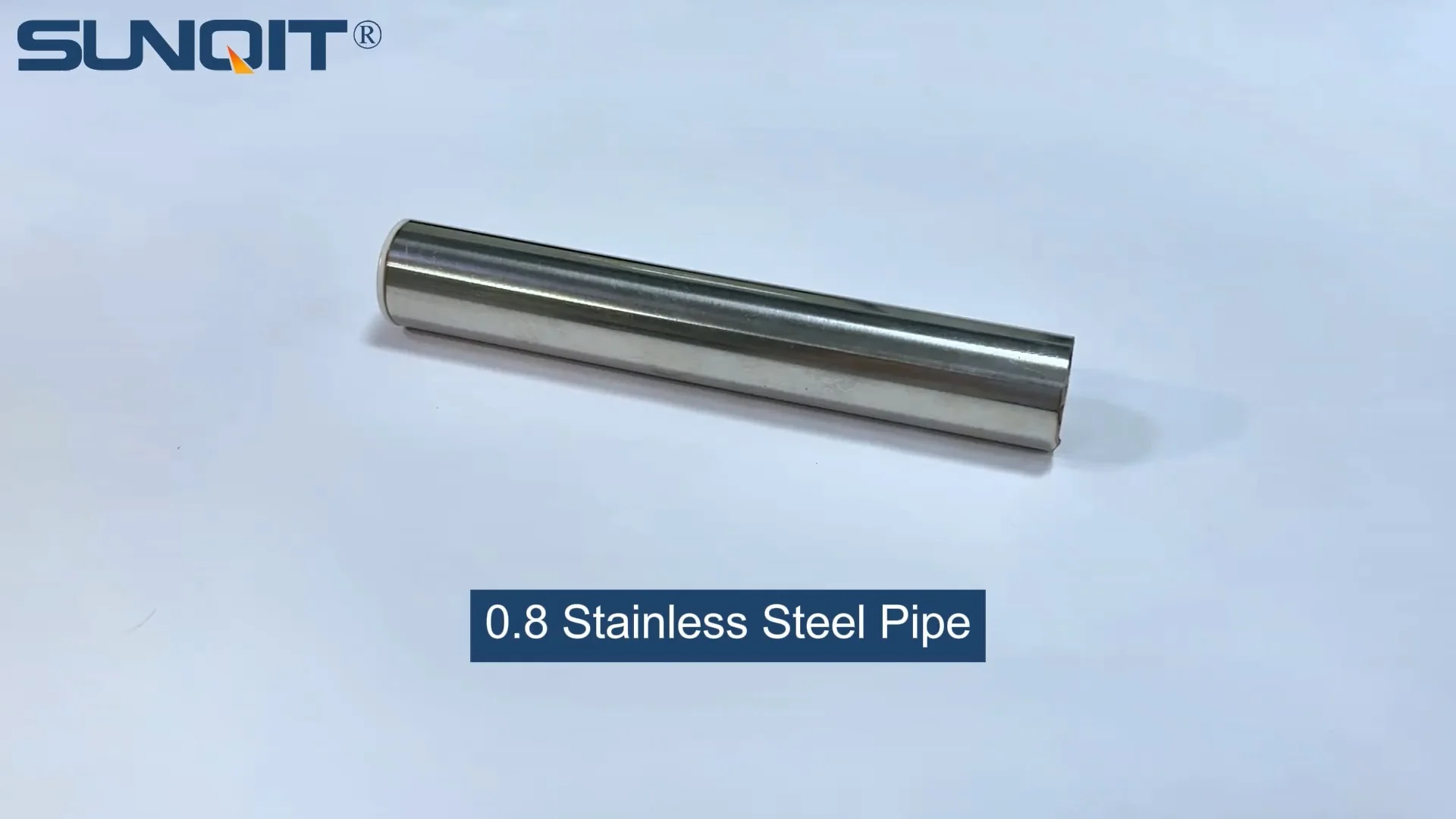
Stainless steel pipe, lean pipe, diameter is 28mm, material is SS201 or SS304, SS201 is normally used in the market. It knows a KARAKURI, KAIZEN material for industrial plant to improve efficiency, save labor cost, standard management.
Why this thin yet tough material is becoming a backbone in modern industrial setups
Introduction: The Unsung Hero of Factory Floors
Walk into any busy factory, and you'll notice a silent network holding everything together—pipes. They frame workbenches, support conveyor systems, and form the skeleton of production lines. But not all pipes are created equal. Imagine a scenario: It's a Monday morning at a car parts assembly plant. The production line is running at full speed, with heavy metal components sliding down a material rack. Suddenly, a loud creak echoes through the facility. A pipe supporting the rack has bent under the weight, halting the entire line. Hours of downtime, lost revenue, and a frustrated team later, the root cause is clear: the pipe simply wasn't strong enough for the job.
This is where the 1.0mm stainless steel pipe steps in. Part of the broader stainless steel pipe series, this unassuming component has quietly become a game-changer for heavy-duty applications. It's not just about being "strong"—it's about balancing strength, durability, and practicality. In this article, we'll dive into why tensile strength matters, what makes 1.0mm stainless steel pipe stand out, and how it's transforming spaces like production assemble lines and workbenches. Whether you're a plant manager, a procurement officer, or just curious about the machinery that keeps industries moving, let's unpack the story of this industrial workhorse.
What Even Is Tensile Strength, Anyway?
Let's start with the basics. Tensile strength sounds like a technical term, but it's actually a simple concept we've all experienced. Think about stretching a rubber band: you pull it, and it stretches until—snap!—it breaks. The force needed to make that rubber band snap? That's a rough idea of tensile strength. In engineering terms, it's the maximum amount of stress a material can handle before it fractures when pulled apart. For pipes, this translates to: How much weight or pressure can they take before bending, warping, or breaking?
Why does this matter for industrial pipes? Because in heavy-duty settings, pipes are constantly under tension. A workbench holding 200kg of tools relies on its frame to resist the downward pull of gravity. A production assemble line's conveyor system uses pipes to support moving parts, which create dynamic stress as they shift and vibrate. If a pipe's tensile strength is too low, it might not snap immediately, but over time, it can stretch (a process called "yielding") and lose its shape—leading to the kind of breakdown we imagined earlier.
Tensile strength is measured in megapascals (MPa), which is a unit of pressure. For context, a typical plastic pipe might have a tensile strength of 20-30 MPa, while a standard aluminum pipe could hit 100-150 MPa. But 1.0mm stainless steel? We're talking 500-700 MPa, depending on the grade. That's the difference between a pipe that bends under a heavy load and one that stands firm, day in and day out.

Why 1.0mm? The Sweet Spot of Thickness
You might be wondering: If thicker pipes are stronger, why not just use 2.0mm or 3.0mm stainless steel? Great question. The answer lies in balance. Thicker pipes are stronger, but they're also heavier, bulkier, and more expensive. A 3.0mm pipe might have off-the-charts tensile strength, but it would add unnecessary weight to a workbench or conveyor, making installation harder and increasing energy costs for moving parts. On the flip side, a 0.5mm pipe is lightweight but would buckle under even moderate stress—hardly ideal for heavy-duty tasks.
1.0mm hits that "just right" zone. It's thick enough to deliver impressive tensile strength (we're talking 550 MPa on average for 304-grade stainless steel, a common choice) but thin enough to keep weight manageable. Let's put that in perspective: A 1-meter length of 1.0mm stainless steel pipe (with a standard 28mm outer diameter) weighs about 0.8kg. Compare that to a 2.0mm pipe of the same diameter, which weighs 1.5kg—nearly double. For a factory with hundreds of meters of piping, that weight adds up fast, affecting everything from installation ease to the structural load on floors.
Another perk? Flexibility. 1.0mm stainless steel isn't brittle. It has a little give, which matters in dynamic environments. If a heavy component accidentally slams into a pipe, the material can absorb some of the impact without cracking. This ductility—combined with high tensile strength—makes it perfect for settings where both static loads (like a workbench holding tools) and dynamic loads (like parts moving along a conveyor) are common.

Beyond Tensile Strength: What Else Makes It Reliable?
Tensile strength is the star of the show, but the 1.0mm stainless steel pipe brings more to the table. Let's talk about corrosion resistance. Stainless steel gets its name from its ability to resist rust and corrosion, thanks to a chromium oxide layer that forms on its surface. In factories where moisture, oils, or chemicals are present (think food processing, automotive, or electronics), this is non-negotiable. A regular steel pipe would rust within months, weakening its structure and compromising tensile strength. But stainless steel? It stays strong even in damp or messy environments.
Then there's temperature resistance. Many heavy-duty applications involve heat—whether from machinery, welding, or ambient conditions. Stainless steel holds its tensile strength well under high temperatures, unlike some plastics or even aluminum, which can soften when heated. This makes it suitable for use near furnaces or in warm climates where other materials might fail.
Let's not forget longevity. A 1.0mm stainless steel pipe isn't just strong today—it stays strong for years. Unlike wood or mild steel, it doesn't rot, warp, or require frequent repainting. This durability translates to lower maintenance costs and fewer replacements, which is music to any plant manager's ears. When you invest in stainless steel, you're not just buying a pipe—you're buying peace of mind.
Heavy-Duty Applications: Where It Shines
Now, let's get practical. Where exactly is this pipe used? The answer is: almost anywhere heavy loads, durability, and reliability are non-negotiable. Let's start with production assemble lines. These lines are the heartbeat of manufacturing, and they depend on sturdy frameworks to keep parts moving. From supporting conveyor belts to holding up assembly stations, the 1.0mm stainless steel pipe ensures the line stays stable, even when churning out hundreds of products per hour. Imagine a smartphone assembly line: tiny, delicate parts are transported on trays supported by pipes. If those pipes bend, the trays tip, and parts go flying. Stainless steel keeps everything aligned and secure.
Workbenches are another big application. A good workbench isn't just a table—it's a command center. Mechanics, engineers, and technicians rely on them to hold tools, materials, and ongoing projects. A flimsy workbench wobbles, making precise work impossible. But one framed with 1.0mm stainless steel? It stays rock-solid, even when someone leans on it or places a 100kg machine on top. I visited a aerospace parts workshop last year, and their workbenches had been in use for over a decade—still straight, still strong, no signs of bending. The secret? You guessed it: 1.0mm stainless steel pipes.
Material racks and storage systems also benefit. In warehouses, racks hold pallets of heavy goods. A single pallet of car batteries, for example, can weigh over 500kg. The pipes supporting these racks need to handle that weight day in, day out. Stainless steel's tensile strength ensures the racks don't sag or collapse, protecting both the goods and the workers around them.
Case Study: Automotive Plant Reduces Downtime by 75%
A mid-sized automotive parts manufacturer in Ohio was struggling with frequent line stoppages. Their old mild steel pipes, used to support material racks, kept bending under the weight of heavy engine components. The maintenance team was replacing pipes every 3-4 months, costing thousands in downtime and replacement parts. After switching to 1.0mm stainless steel pipes from a reputable lean pipe supplier, they saw immediate results. Over two years, pipe-related failures dropped to zero, and maintenance costs plummeted. "It was a no-brainer," said the plant manager. "The initial cost was higher, but the savings in downtime and replacements paid for it within six months."
How Does It Compare to Other Materials?
You might be thinking: Why not use aluminum pipe instead? Aluminum is lighter, after all. It's true—aluminum is less dense than stainless steel, making it easier to handle. But when it comes to tensile strength, aluminum falls short. A 1.0mm aluminum pipe has a tensile strength of around 120-180 MPa, compared to stainless steel's 550+ MPa. For light-duty applications, aluminum works. But for heavy loads? Stainless steel is the safer bet.
What about galvanized steel? Galvanized steel is coated in zinc to resist corrosion, but it's still not as durable as stainless steel. The zinc coating can scratch off, leading to rust, and its tensile strength (around 300-400 MPa for 1.0mm) is lower than stainless steel. Plus, galvanized steel is heavier than stainless steel for the same strength, making installation more labor-intensive.
Let's put this in a table to make it clear:
| Material | Tensile Strength (MPa) | Corrosion Resistance | Weight (kg/m, 28mm OD) | Best For |
|---|---|---|---|---|
| 1.0mm Stainless Steel (304 Grade) | 550-700 | Excellent | 0.8 | Heavy-duty, corrosive environments |
| 1.0mm Aluminum (6061 Grade) | 120-180 | Good | 0.5 | Light-duty, low-weight needs |
| 1.0mm Galvanized Steel | 300-400 | Moderate (coating-dependent) | 0.9 | Medium-duty, dry environments |
| 1.0mm Plastic (PVC) | 40-60 | Good (chemical-resistant) | 0.3 | Light loads, non-industrial use |
As you can see, stainless steel outperforms the competition in tensile strength and corrosion resistance, with only a slight weight penalty compared to galvanized steel. For heavy-duty applications, the trade-off is more than worth it.
Choosing the Right Supplier: Why It Matters
So, you're sold on 1.0mm stainless steel pipe. Now what? The next step is finding a reliable lean pipe supplier. Not all suppliers are created equal, and the quality of your pipe depends heavily on where you buy it. Here's what to look for:
First, material certification. Reputable suppliers will provide certificates of analysis (COA) proving the stainless steel meets industry standards (like ASTM or ISO). This ensures the pipe has the tensile strength and corrosion resistance you need. Avoid suppliers who can't provide these documents—you might end up with subpar material that fails prematurely.
Second, manufacturing process. How is the pipe made? Look for suppliers who use cold-drawn or seamless manufacturing methods. These processes produce pipes with uniform thickness and consistent tensile strength, unlike cheaper welded pipes that can have weak spots at the seams.
Third, customer support. A good lean pipe supplier doesn't just sell you a product—they help you choose the right one. Do they ask about your application, load requirements, and environment? Do they offer technical advice on installation or maintenance? This level of support can save you from costly mistakes down the line.
Finally, track record. Check reviews, ask for references, or look for case studies. A supplier with a history of serving industries like yours is more likely to understand your needs. If a supplier has worked with automotive or aerospace plants, they know what it takes to deliver pipes that meet heavy-duty standards.
Installation and Maintenance Tips
Even the strongest pipe won't perform well if installed poorly. Here are a few tips to ensure your 1.0mm stainless steel pipe setup is rock-solid: Use high-quality fittings and joints. The tensile strength of the pipe is only as good as the connections holding it together. Invest in stainless steel or compatible metal joints that won't corrode or weaken over time.
Avoid over-tightening. When securing pipes to frames or racks, use the right torque. Over-tightening can stress the material, creating weak points. Follow the supplier's guidelines for fastener torque and joint assembly.
Inspect regularly. Even stainless steel needs a little love. Every few months, check for signs of damage: dents, cracks, or loose joints. Clean the pipes with a mild detergent to remove grease or grime—this helps maintain the corrosion-resistant layer. If you notice any issues, address them immediately to prevent small problems from becoming big ones.
Conclusion: The Quiet Force Behind Industrial Strength
At the end of the day, the 1.0mm stainless steel pipe is more than just a component—it's a foundation. It's the reason production assemble lines run smoothly, workbenches stay steady, and material racks hold their load without fail. Its high tensile strength, combined with corrosion resistance, ductility, and longevity, makes it the go-to choice for heavy-duty applications.
Whether you're building a new production line, upgrading an old workbench, or just looking to avoid the headache of frequent pipe failures, investing in 1.0mm stainless steel pipe is a decision you won't regret. And with the right lean pipe supplier by your side, you can rest easy knowing your industrial setup is built to last.
So, the next time you walk through a factory, take a moment to appreciate the pipes holding everything together. Chances are, many of them are 1.0mm stainless steel—quietly, reliably, and strongly keeping the world of manufacturing moving forward.