- Company Articles
- Products and Technology
- Product knowledge
- Tensile Strength of 1.5mm Stainless Steel Pipe for Heavy-Duty Turnover Carts

Tensile Strength of 1.5mm Stainless Steel Pipe for Heavy-Duty Turnover Carts
Related Product
1.5mm Stainless Steel Pipe
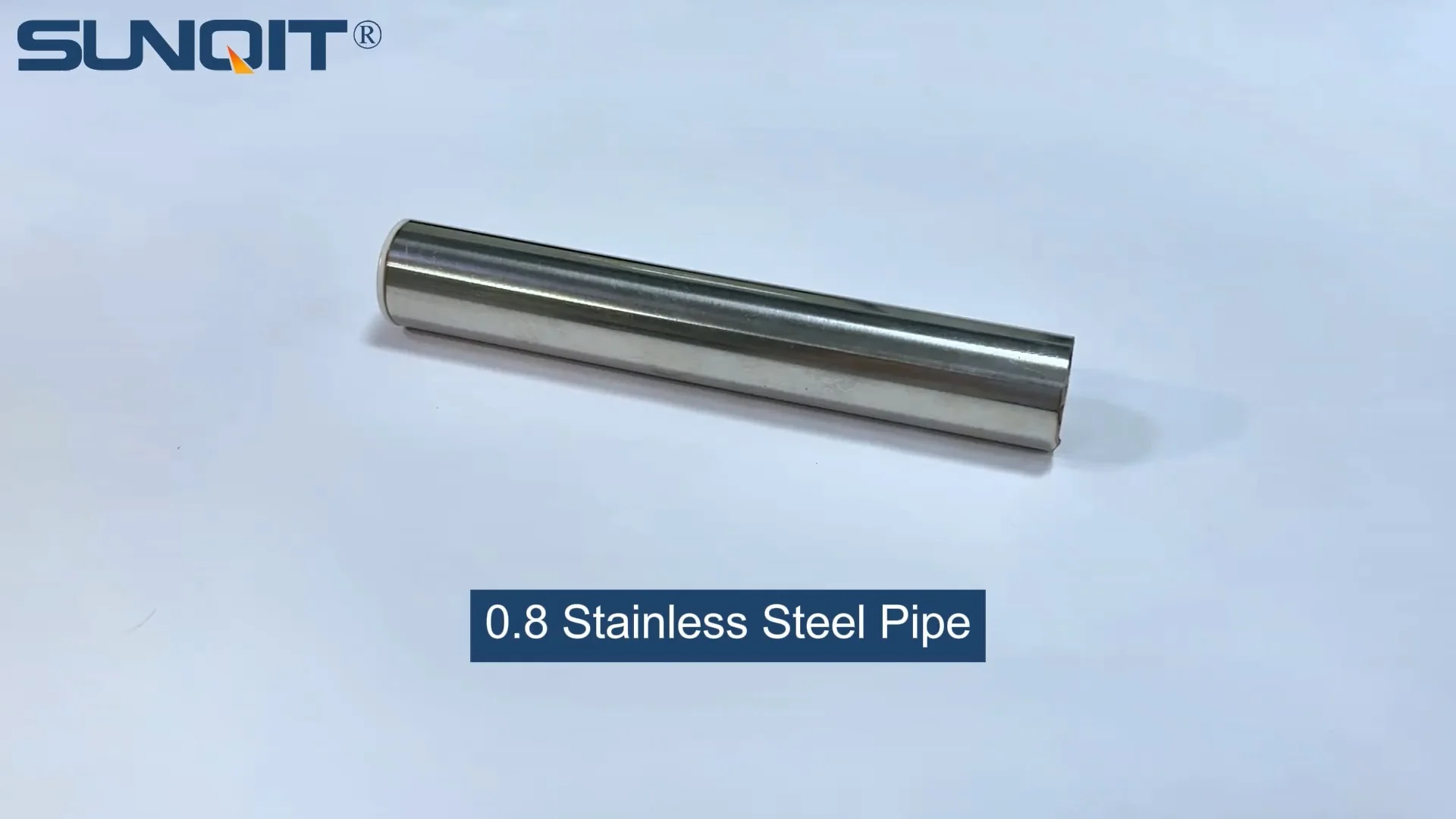
Stainless steel pipe, lean pipe, diameter is 28mm, material is SS201 or SS304, SS201 is normally used in the market. It knows a KARAKURI, KAIZEN material for industrial plant to improve efficiency, save labor cost, standard management.
The Unsung Heroes of Your Workflow: Heavy-Duty Turnover Carts
Walk into any busy manufacturing plant, warehouse, or distribution center, and you'll notice a quiet workhorse keeping operations moving: the heavy-duty turnover cart. These carts aren't just metal frames on wheels—they're the backbone of daily logistics, shuttling raw materials from storage to assembly lines, transporting finished products to shipping zones, and ensuring that every corner of your facility stays connected. But what makes a turnover cart truly reliable? More often than not, it's the materials under the hood—specifically, the stainless steel pipe series that forms its frame. Today, we're zooming in on one critical component: the 1.5mm stainless steel pipe. Its tensile strength isn't just a technical specification; it's the difference between a cart that lasts for years and one that falters under pressure.
Let's start by breaking down why these carts matter. In fast-paced environments, downtime is the enemy. A flimsy cart that bends under a heavy load or breaks mid-shift can throw off production schedules, delay shipments, and even put workers at risk. That's where turnover trolley and rack systems shine—when built with the right materials, they become extensions of your team, reliable and ready to handle whatever the day throws at them. And at the core of that reliability? Tensile strength.
What Is Tensile Strength, Anyway?
Tensile strength sounds like a term reserved for engineers, but it's actually pretty straightforward: it's the maximum amount of pulling force a material can withstand before it breaks or deforms permanently. Think of it as the "staying power" of the steel pipe. For a turnover cart, this matters because every time you load boxes, parts, or equipment onto it, you're essentially pulling (or stressing) the frame. If the pipe's tensile strength is too low, the frame could bend, warp, or even snap—putting both the load and the operator in danger.
For 1.5mm stainless steel pipe, tensile strength typically ranges between 500 MPa (megapascals) and 700 MPa, depending on the grade of stainless steel (like 304 or 316). To put that in perspective: 1 MPa is roughly the pressure of 145 pounds per square inch. So 500 MPa? That's 72,500 psi—more than enough to handle the rigors of daily use in most industrial settings. But why 1.5mm specifically? Let's compare.

Why 1.5mm? Finding the Sweet Spot in Pipe Thickness
Stainless steel pipes for turnover carts come in various thicknesses: 1.0mm, 1.2mm, 1.5mm, 2.0mm, and beyond. Each has its place, but 1.5mm hits a sweet spot that balances strength, weight, and cost. Thinner pipes (1.0mm or 1.2mm) might save a few dollars upfront, but they sacrifice tensile strength. A 1.2mm pipe, for example, might have a tensile strength of 450-550 MPa—enough for light loads, but risky if you regularly haul 300kg+ items. On the flip side, 2.0mm pipes offer higher tensile strength (600-800 MPa) but add unnecessary weight. A cart built with 2.0mm pipes becomes harder to maneuver, especially when paired with caster wheel systems that aren't designed for extra heft. Over time, that extra weight can also strain floors and increase wear on wheels and joints.
1.5mm pipes, though, strike the perfect balance. They're strong enough to handle heavy loads (we're talking 500kg+ in some setups) without making the cart cumbersome. They're also resistant to corrosion—a must in environments where carts might be exposed to moisture, chemicals, or temperature fluctuations. For businesses that rely on lean system principles, this balance is key: it reduces waste (fewer broken carts to replace), improves efficiency (easier to move, so workers save time), and keeps operations running smoothly.

How Tensile Strength Translates to Real-World Performance
Let's ground this in a real scenario. Imagine a food processing plant where turnover carts transport crates of frozen produce. Each crate weighs 50kg, and the cart needs to hold 10 crates—500kg total. Add in the weight of the cart itself (around 50kg), and you're looking at 550kg of stress on the frame. A 1.5mm stainless steel pipe with a tensile strength of 600 MPa can easily handle this load because the actual stress on the pipe (calculated based on the cart's design and load distribution) will be far below 600 MPa. In fact, most well-designed carts have a safety factor of 2-3x, meaning they're built to withstand 2-3 times their rated load. For a 500kg cart, that's 1,000-1,500kg of breaking strength—well within the capabilities of 1.5mm stainless steel.
But tensile strength isn't the only factor. The way the pipe is joined (using lean pipe joint components), the quality of the caster wheel system, and even the cart's overall design play roles. A weak joint can fail before the pipe does, just as a cheap caster might lock up and cause stress on the frame. That's why choosing a reputable supplier matters—one that ensures every part, from the pipe to the joints to the wheels, is engineered to work together.
Comparing Stainless Steel Pipes: Thickness vs. Tensile Strength
To better understand how 1.5mm stacks up, let's look at a comparison of common stainless steel pipe thicknesses used in turnover carts. This table breaks down their typical tensile strengths, load capacities, and best-use scenarios:
| Pipe Thickness (mm) | Typical Tensile Strength (MPa) | Estimated Load Capacity (kg) | Best For |
|---|---|---|---|
| 1.0mm | 400-500 | 150-250 | Light loads (small parts, tools, office supplies) |
| 1.2mm | 450-550 | 250-400 | Medium loads (boxes, electronics, light machinery parts) |
| 1.5mm | 500-700 | 400-600 | Heavy loads (industrial parts, raw materials, bulk goods) |
| 2.0mm | 600-800 | 600-800 | Extra-heavy loads (machinery, metal components, outdoor use) |
As you can see, 1.5mm pipes are the workhorses of the bunch—versatile enough for most heavy-duty tasks without the added bulk of 2.0mm. They're also cost-effective: thicker pipes require more material, driving up the cart's price tag. For businesses looking to balance performance and budget, 1.5mm is often the way to go.
Beyond the Cart: How 1.5mm Stainless Steel Pipes Support Lean Systems
In today's competitive landscape, lean system principles are more than just a buzzword—they're essential for staying efficient. Lean is all about minimizing waste, and one of the biggest wastes in any operation is downtime caused by faulty equipment. A turnover cart built with 1.5mm stainless steel pipe reduces that waste in three key ways:
1. Durability = Less Replacement: A cart that lasts 5+ years instead of 2 means fewer purchases, less time spent ordering replacements, and lower long-term costs.
2. Reliability = Fewer Delays: No more mid-shift breakdowns or bent frames. Workers can trust the cart to handle the load, keeping workflows on track.
3. Safety = Happier Teams: A sturdy cart reduces the risk of accidents, which boosts morale and reduces workers' compensation claims. When your team feels safe, they're more productive.
Pair this with other lean tools—like workbench setups that integrate seamlessly with turnover carts—and you've got a system that doesn't just work, but thrives.
Caring for Your Cart: Preserving Tensile Strength Over Time
Even the strongest 1.5mm stainless steel pipe needs a little TLC to maintain its tensile strength. Here are a few simple maintenance tips to keep your turnover cart in top shape:
1. Clean Regularly: Stainless steel resists corrosion, but dirt, chemicals, and moisture can still take a toll. Wipe down the frame with a mild detergent and water weekly, especially if used in harsh environments.
2. Check Joints and Casters: Tighten loose lean pipe joint connections and lubricate caster wheel bearings monthly. Loose joints put extra stress on the pipe, while stiff casters make the cart harder to push, increasing frame strain.
3. Avoid Overloading: Even with a safety factor, consistently exceeding the cart's load capacity can weaken the pipe over time. Stick to the rated weight limit.
4. Store Properly: When not in use, store carts in a dry area away from extreme temperatures. Avoid stacking heavy items on top of parked carts, as this can warp the frame.
Final Thoughts: Investing in Strength for the Long Haul
At the end of the day, the tensile strength of a 1.5mm stainless steel pipe is more than just a number. It's a promise—a promise that your turnover cart will be there, day in and day out, supporting your team and your business. Whether you're running a small workshop or a large manufacturing plant, choosing the right materials isn't just about quality; it's about respect—for your workers, your customers, and the hard work that goes into keeping operations moving.
So the next time you see a heavy-duty turnover cart gliding across the floor, take a moment to appreciate the engineering behind it. That 1.5mm stainless steel pipe? It's not just part of the cart—it's part of your success.