- Company Articles
- Products and Technology
- Product knowledge
- The Basics of Gusset Alp 3030: What Every Manufacturer Should Know

The Basics of Gusset Alp 3030: What Every Manufacturer Should Know
Related Product
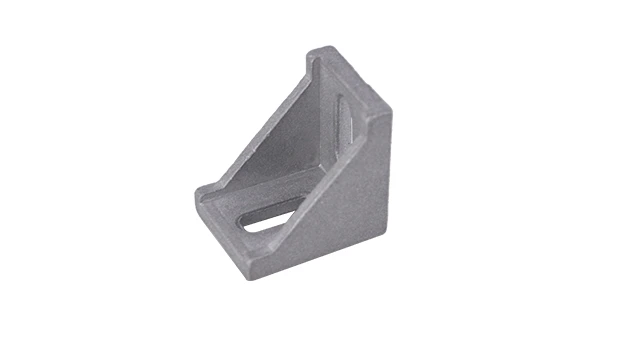
Gusset ALP 3030
The 3030 bracket/Gusset is an external fastening method that creates a 90 degree connection. 3030 means this size is used for 30 series aluminum profile with a quick connection by bolt and nut.
A deep dive into the unsung hero of sturdy, flexible manufacturing setups
Walk into any modern manufacturing facility, and you'll notice a common thread: efficiency. From the smooth flow of materials on conveyor belts to the organized workbenches where assembly happens, every element is designed to minimize waste and maximize productivity. But behind these seamless operations are countless small components working together—components that often go unnoticed until something breaks. Today, we're shining a spotlight on one such unsung hero: the Gusset Alp 3030 . If you're a manufacturer working with aluminum profiles, lean systems, or custom workbenches, this is one part you can't afford to overlook. Let's break down what it is, why it matters, and how it can transform your production floor.
What Even Is a Gusset Alp 3030?
First things first: let's demystify the name. "Gusset" refers to a flat, often triangular piece of material used to reinforce joints—think of it as the "backbone" that strengthens connections between two or more parts. "Alp" likely nods to its material (aluminum) and purpose (assembly, perhaps?), and "3030" is a direct reference to the aluminum profile it's designed for: the 3030 series, a popular choice in manufacturing for its balance of strength and lightweight design.
So, put simply, a Gusset Alp 3030 is a specialized aluminum gusset plate engineered to reinforce corners and joints in structures built with 3030 aluminum profiles. These profiles are the building blocks of everything from workbenches and material racks to machine guards and production cells. Without a reliable gusset, those joints can loosen over time, leading to wobbly workstations, misaligned material flows, or even safety hazards. The Gusset Alp 3030 steps in to prevent that by distributing stress evenly across the joint, ensuring stability even under heavy loads or constant use.
Design & Materials: Why Aluminum Matters Here
Not all gussets are created equal, and the Gusset Alp 3030's design and material choice set it apart. Let's start with the material: aluminum. Why aluminum, you ask? For manufacturers, aluminum checks three critical boxes: lightweight , corrosion-resistant , and strong enough for the job . Unlike steel gussets, which add unnecessary weight to structures (making them harder to reconfigure), aluminum keeps things light without sacrificing durability. This is especially important in lean systems, where flexibility—being able to rearrange workstations or material racks quickly—is key.
Then there's the design. Most Gusset Alp 3030 plates are triangular or L-shaped, with pre-drilled holes that align perfectly with the T-slots in 3030 aluminum profiles. This isn't just about convenience; those T-slots are the secret to the modularity of aluminum profile systems. By using bolts or screws that fit into these slots, the gusset can be securely fastened to two or more profiles at a corner, creating a rigid connection that won't shift. Some models even come with rounded edges to reduce the risk of cuts or scrapes—a small detail that makes a big difference for workers who interact with these structures daily.
Another design feature worth noting is thickness. While exact specs vary by manufacturer, most Gusset Alp 3030 plates are between 2mm and 5mm thick. This sweet spot ensures they can handle the typical loads of a manufacturing environment—think toolboxes, heavy components, or even the weight of workers leaning on a workbench—without bending or warping. Thinner gussets might save a few cents, but they'll fail under stress; thicker ones add unnecessary bulk. The Gusset Alp 3030 hits that balance just right.

Why Lean Systems Can't Afford to Skip It
Lean manufacturing is all about eliminating waste—whether that's wasted time, wasted space, or wasted effort. A lean system relies on structures that are not only efficient but also adaptable. Here's where the Gusset Alp 3030 becomes indispensable: it turns flimsy, temporary setups into robust, long-lasting structures that can evolve with your needs.
Imagine this scenario: You've built a workbench using 3030 aluminum profiles to assemble small electronic components. Without gussets, the joints at the corners might start to loosen after a few months of use. The workbench wobbles, tools slide off, and workers have to pause to readjust it—wasting precious time. With Gusset Alp 3030 plates reinforcing those corners, the workbench stays stable for years. Even better, when you need to reconfigure the workbench (say, adding a shelf or extending the surface), the gussets can be easily removed and reinstalled, no welding or specialized tools required. That's the lean promise in action: minimal waste, maximum flexibility.
But it's not just about stability and adaptability. In lean systems, safety is also a top priority. A loose joint in a material rack could lead to a collapse, damaging inventory or injuring workers. The Gusset Alp 3030 reduces that risk by ensuring joints stay tight, even under the stress of constant loading and unloading. For manufacturers, that means fewer accidents, lower insurance costs, and a workforce that feels confident in their workspace.

How It Stacks Up: Gusset Alp 3030 vs. Other Gussets
Not sure if Gusset Alp 3030 is right for your setup? Let's compare it to other common gusset types used in manufacturing:
| Gusset Type | Best For | Weight | Reusability | Cost |
|---|---|---|---|---|
| Gusset Alp 3030 | 3030 aluminum profiles, workbenches, material racks | Light (2-5mm thick aluminum) | High (easily removed/reinstalled) | Moderate (value for durability) |
| Steel Gusset (Generic) | Heavy-duty structures, fixed setups | Heavy (adds bulk to structures) | Low (often welded or permanently fastened) | Low upfront, high long-term (corrosion risk) |
| Plastic Gusset | Light loads, temporary displays | Very light | High, but low durability | Low, but needs frequent replacement |
| Gusset Alp 2020 | 2020 aluminum profiles (smaller structures) | Light, but smaller dimensions | High, but not compatible with 3030 profiles | Similar to Alp 3030, but limited use case |
As you can see, the Gusset Alp 3030 stands out for its versatility, especially if your facility uses 3030 aluminum profiles (which many do). It's not the cheapest option upfront, but its reusability and durability make it a cost-effective choice in the long run—especially for lean systems that need to adapt over time.
Installing Gusset Alp 3030: It's Easier Than You Think
You might be thinking, "This all sounds great, but installing gussets sounds like a hassle." Let me put your mind at ease: installing a Gusset Alp 3030 is straightforward, even if you're not a seasoned engineer. Here's a step-by-step breakdown of how it's done in most manufacturing settings:
- Prepare the profiles: Start by aligning the two 3030 aluminum profiles at the corner where you want to install the gusset. Make sure they're square (use a carpenter's square if needed) to ensure the structure will be stable.
- Position the gusset: Place the Gusset Alp 3030 over the joint, aligning its pre-drilled holes with the T-slots in the profiles. Most gussets are designed to sit flush against the profiles, so you'll feel it "click" into place if aligned correctly.
- Fasten with bolts/screws: insert T-slot bolts or screws through the gusset's holes and into the T-slots of the profiles. Tighten them with a wrench or screwdriver—you want them snug, but don't over-tighten (this can strip the threads or warp the gusset).
- Test the joint: Give the structure a gentle shake to ensure the joint is rigid. If it wobbles, check that the gusset is aligned properly and the bolts are tight enough.
- Repeat as needed: Depending on the structure, you might need gussets at multiple corners. For example, a workbench typically has four corners, each reinforced with a Gusset Alp 3030.
The best part? No welding, no specialized tools, and no need to call in a contractor. Most manufacturers can train their own maintenance teams to install these gussets in minutes. And if you ever need to reconfigure the structure—say, moving a workbench to a new location—simply loosen the bolts, remove the gussets, rearrange the profiles, and reinstall. It's that easy.
Where You'll Find Gusset Alp 3030 in Action
Now that we've covered the "what" and "how," let's talk about the "where." Gusset Alp 3030 isn't just a niche component—it's used in a wide range of manufacturing applications. Here are some of the most common places you'll spot it:
1. Workbenches
From assembly workbenches to packing stations, workbenches are the heart of many manufacturing operations. A sturdy workbench isn't just about having a flat surface—it's about supporting tools, materials, and sometimes even heavy machinery. Gusset Alp 3030 reinforces the corners of these workbenches, ensuring they don't wobble when workers are using power tools or handling bulky items. For example, a workbench E (single deck-without caster) (a common model in many facilities) relies on gussets to keep its frame stable, even when loaded with parts bins and equipment.
2. Material Racks
Material racks—like the material rack B (3 row and 3 floor) —are another prime spot for Gusset Alp 3030. These racks hold everything from raw materials to finished products, and their vertical joints take a lot of stress. Without gussets, the shelves might sag or the entire rack could tip over when fully loaded. Gussets distribute that weight evenly, keeping the rack upright and secure.
3. Production Cells
Lean production cells are designed to group all the tools and materials needed for a specific task in one area. These cells often include custom-built structures—like machine guards, tool holders, or in-process storage—made from 3030 aluminum profiles. Gusset Alp 3030 ensures these structures can withstand the daily wear and tear of a busy production line, from workers bumping into them to the vibration of nearby machinery.
4. Turnover Trolleys and Racks
Turnover trolleys are used to move materials between workstations, and they need to be both lightweight and sturdy. Gusset Alp 3030 reinforces the joints of these trolleys, so they don't rattle or shift when being pushed across the factory floor. This not only protects the materials inside but also makes the trolleys safer for workers to handle.
The Top Benefits for Manufacturers
At this point, you might be thinking, "Okay, it's a useful part—but is it really worth investing in?" Let's break down the tangible benefits Gusset Alp 3030 brings to manufacturers, both big and small:
- Longer lifespan for structures: Without gussets, aluminum profile structures can start to weaken after 6-12 months of heavy use. With Gusset Alp 3030, that lifespan extends to 5+ years—saving you money on replacements.
- Reduced downtime: Loose joints mean stop-and-go work as workers adjust wobbly structures. Gussets keep things stable, so production keeps moving.
- Lower maintenance costs: Steel gussets rust; plastic gussets crack; Gusset Alp 3030 aluminum gussets resist corrosion and wear, meaning less time and money spent on repairs.
- Improved safety: Sturdy structures mean fewer accidents. OSHA (Occupational Safety and Health Administration) reports that "struck-by" hazards are a leading cause of workplace injuries—many of which can be prevented with reinforced joints.
- Flexibility for growth: As your business grows, your manufacturing needs change. Gusset Alp 3030 makes it easy to expand or reconfigure existing structures instead of building new ones from scratch.
Think of it this way: A single Gusset Alp 3030 costs just a few dollars, but it protects thousands of dollars' worth of equipment, materials, and labor. It's a small investment with a huge return.
Common Misconceptions (and Why They're Wrong)
Even with all these benefits, some manufacturers still overlook Gusset Alp 3030—often because of common myths. Let's debunk a few:
Myth #1: "Aluminum profiles are strong enough on their own—no need for gussets."
False. While 3030 aluminum profiles are strong, their joints are the weak point. Without reinforcement, the T-slot connections can loosen over time, especially under heavy loads or constant vibration. Gussets add that extra layer of security.
Myth #2: "Gussets make structures harder to reconfigure."
The opposite is true! Gussets are designed to be easily removed and reinstalled. In fact, they make reconfiguration safer by ensuring joints stay tight during and after the process. Without gussets, repeatedly taking apart and rebuilding structures can weaken the T-slots, making them less reliable over time.
Myth #3: "We only need gussets for heavy loads."
Even light loads can cause joints to loosen over time. Think about a simple workbench where workers place tools and small components daily. The constant lifting and placing might not feel like "heavy" use, but it adds up. Gussets prevent that slow, gradual wear and tear.
Caring for Your Gusset Alp 3030: Maintenance Tips
Like any component, Gusset Alp 3030 works best when properly maintained. Luckily, aluminum is low-maintenance, but a little care goes a long way:
- Inspect regularly: Once a month, check gussets for signs of damage (like cracks or bent edges) or loose bolts. Tighten any bolts that have come loose—this is the most common issue and easiest to fix.
- Clean when needed: If the gussets get covered in grease or dirt (common in manufacturing environments), wipe them down with a damp cloth. Avoid harsh chemicals, as these can damage the aluminum's finish.
- replace if damaged: If a gusset is bent, cracked, or has stripped holes, replace it immediately. A damaged gusset won't provide proper reinforcement, putting the entire structure at risk.
- Lubricate bolts (optional): If you plan to reconfigure the structure often, a small amount of anti-seize lubricant on the bolts can make them easier to loosen later. Just be sure to use a lubricant that's compatible with aluminum.
These simple steps will keep your Gusset Alp 3030 gussets—and the structures they support—in top shape for years.
Final Thoughts: Why Gusset Alp 3030 Deserves a Spot in Your Toolkit
Manufacturing is a world of big machines and bold innovations, but it's the small components that often make the biggest difference. The Gusset Alp 3030 might not grab headlines, but it's the unsung hero that keeps your workbenches sturdy, your material racks stable, and your lean system running smoothly. It's lightweight, durable, easy to install, and designed to grow with your business—everything a manufacturer needs in a component.
So, the next time you're designing a new workbench, setting up a material rack, or reconfiguring your production line, don't overlook the Gusset Alp 3030. It's a small investment that pays off in reduced downtime, improved safety, and a manufacturing floor that's ready to tackle whatever comes next. After all, in lean manufacturing, success is in the details—and this is one detail you can't afford to miss.