- Company Articles
- Products and Technology
- Product knowledge
- The Benefits of Aluminum Workbench D for Electronics Repair Shops

The Benefits of Aluminum Workbench D for Electronics Repair Shops
Related Product
Aluminum Workbench D
Aluminum tube workbench is more flexible and durable, compared with traditional PE/ABS coated steel tube. It is easy to assemble, anti corrosion, rust protection, and recycle use after disassemble.
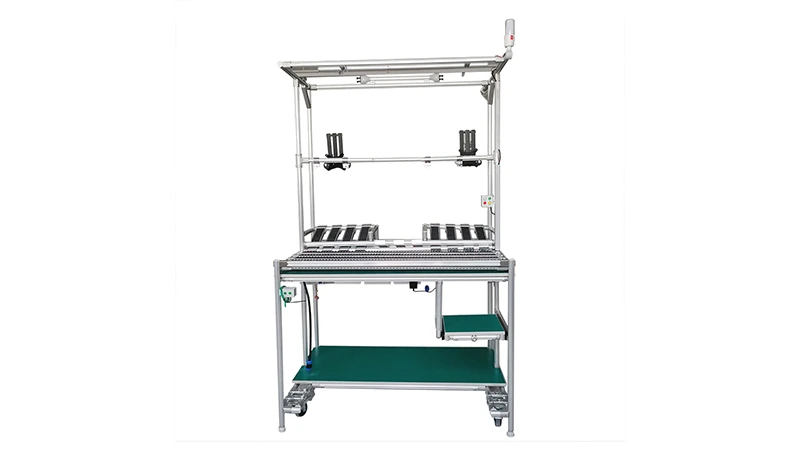
Running an electronics repair shop means balancing precision, speed, and care—especially when working with delicate components like circuit boards, microchips, and sensitive wiring. A cluttered workspace, static electricity, or inefficient tool access can turn a routine repair into a frustrating, time-consuming task. That's where the right equipment makes all the difference. Enter Aluminum Workbench D: a purpose-built solution designed to address the unique challenges of electronics repair. More than just a table, it's a hub of organization, protection, and efficiency, crafted with features that cater specifically to the needs of tech technicians. Let's dive into why this workbench is becoming a must-have for repair shops looking to elevate their game.
The Struggles of Traditional Workspaces in Electronics Repair
Before we explore what makes Aluminum Workbench D stand out, let's talk about the common headaches repair shop owners and technicians face daily. Many shops still rely on basic wooden or steel workbenches, which often fall short in key areas:
- Static Damage Risks: Unfinished wood or uncoated steel surfaces don't protect against electrostatic discharge (ESD). A single static spark—often invisible to the naked eye—can fry a $50 microchip or render a smartphone motherboard useless. Technicians end up spending extra time grounding themselves with separate mats or wristbands, which can shift, slide, or get in the way during repairs.
- Cluttered Workflows: Tools, screws, spare parts, and testing equipment pile up quickly. Without built-in organization, technicians waste precious minutes rummaging through drawers or searching for the right screwdriver, slowing down turnaround times.
- Lack of Mobility: Heavy, fixed workbenches mean technicians are tied to one spot. If a large device (like a TV or gaming console) needs repairs, moving it to the bench risks damage. Alternatively, carrying tools back and forth between stations disrupts focus.
- Durability Issues: Wooden benches scratch easily, absorb spills (like cleaning solvents or solder flux), and warp over time. Steel benches, while sturdy, are prone to rust if not properly maintained—another hazard in environments where moisture (from cleaning or humidity) is common.
These challenges don't just affect productivity; they impact the bottom line. Damaged components mean lost revenue, disorganized workspaces lead to longer repair times, and outdated benches require frequent replacements. Aluminum Workbench D was designed to solve all these problems—and more.
What Makes Aluminum Workbench D Different? An Overview
Aluminum Workbench D is part of a new generation of workspace solutions tailored for precision industries like electronics repair. At its core, it's built around three principles: protection, adaptability, and efficiency. Let's break down its key components and how they transform daily operations.
1. Aluminum Profile: Lightweight Strength That Lasts
The first thing you'll notice about Aluminum Workbench D is its frame: constructed from high-grade aluminum profile. Unlike wood or steel, aluminum offers a rare combination of lightness and durability. The workbench weighs roughly 45-55kg (depending on configuration), making it easy to move when needed, but it can support up to 300kg of weight—plenty for heavy tools like oscilloscopes, soldering stations, or multiple laptops.
Aluminum's natural resistance to corrosion is a game-changer for repair shops. Spills from isopropyl alcohol or flux cleaners wipe off easily without staining or warping the surface. Even in humid environments, the aluminum profile won't rust, ensuring the workbench looks and functions like new for years. Plus, the smooth, matte finish resists scratches from tools or device casings, maintaining a professional appearance that clients notice.
But what really sets the aluminum profile apart is its modularity. The frame uses T-slot aluminum extrusion profile, a design where grooves along the edges allow for easy attachment of accessories. Need a shelf for spare parts? Screw a bracket into the T-slot. Want to add a tool rail? Slide in a mounting clip. This flexibility means the workbench grows with your shop—no need to buy a new bench when your needs change.
2. ESD Workstation Features: Protecting Delicate Components
Electronics repair techs know: static electricity is the silent killer. A static charge as small as 500 volts can damage a microchip, and charges over 10,000 volts (common from shuffling feet on carpet) can destroy components instantly. Aluminum Workbench D addresses this with integrated ESD workstation features that eliminate guesswork.
The work surface itself is made from ESD-safe material, typically a composite of aluminum and conductive fibers, with a surface resistance of 10^6 to 10^9 ohms—within the industry standard for ESD protection. This ensures any static charge on the technician's body or tools is safely grounded, rather than transferring to the device being repaired.
But the protection doesn't stop there. The workbench includes a built-in grounding point (a metal terminal on the side) that connects to your shop's grounding system. Technicians can attach anti-static wristbands directly to this point, creating a continuous path for static to dissipate. Even the legs and frame are designed to conduct electricity, so the entire workbench acts as a shield against electrostatic discharge.
Compare this to traditional workbenches, where ESD protection often means laying down a separate rubber mat. Those mats can slide around, lose their conductivity over time, or get damaged by heat from soldering irons. With Aluminum Workbench D, ESD safety is built-in—one less thing to worry about when you're focused on repairing a client's device.
3. Roller Track: Streamlining Material and Tool Movement
Ever found yourself stretching across a cluttered workbench to grab a screwdriver or a bin of screws? It's not just inconvenient—it's a safety risk (knocking over tools) and a productivity killer. Aluminum Workbench D solves this with an integrated roller track along the back edge of the work surface.
The roller track uses 38 aluminum roller track with yellow wheels (other colors like black ESD or white are available), designed to let small bins, tool holders, or even lightweight test equipment glide smoothly. The wheels are made from durable plastic that won't scratch devices, and the track is mounted at a slight angle to ensure items stay in place until you nudge them. Need a Phillips-head screwdriver? Slide the tool bin over. Finished with a batch of screen replacements? Push the part bin to the next workstation.
For shops with multiple technicians, the roller track fosters collaboration. Imagine a scenario where one tech is disassembling a laptop, and another is ready to test the motherboard. Instead of walking across the shop, the disassembled parts can be slid along the roller track to the testing station—saving time and reducing the risk of dropping components.
The roller track is also customizable. You can add dividers to separate tools from parts, or install end stops to prevent bins from sliding off. And because it's mounted using roller track placon mount brackets (designed to fit the T-slot aluminum profile), you can adjust its height or position to match your workflow.
4. Caster Wheels: Mobility Without Compromise
While Aluminum Workbench D is sturdy, there are times when you need to move it—whether to rearrange the shop floor, clean underneath, or bring the workbench to a client's device (like a large TV or server rack). That's where the optional caster wheels come in.
The workbench can be fitted with four heavy-duty caster wheels (two swivel, two with brakes) that lock securely when in use. The wheels are made from rubber with a treaded design, so they roll smoothly on concrete or tile floors without scratching. When locked, the brakes hold the bench firmly in place, even when leaning on it or using heavy tools. And because the caster installation base is bolted directly to the aluminum profile frame, there's no wobble—unlike cheaper workbenches where wheels loosen over time.
Mobility also opens up new possibilities for space management. During busy periods, you can cluster workbenches together for team projects. During slow times, push them against the wall to free up floor space for client consultations. It's a small feature that adds big flexibility to how you use your shop.
5. Lean System Integration: Cutting Waste, Boosting Efficiency
At its heart, Aluminum Workbench D is more than a workspace—it's a tool for lean system implementation. Lean management focuses on reducing waste (time, materials, effort) and streamlining workflows, and this workbench is built to support those goals.
Take the 5S methodology (Sort, Set in Order, Shine, Standardize, Sustain), a cornerstone of lean systems. Aluminum Workbench D excels at "Set in Order": with the T-slot aluminum profile, every tool has a designated spot. Screwdrivers hang on a rail, spare parts go in labeled bins on the roller track, and testing equipment sits on a lower shelf—no more searching through drawers. "Shine" (cleanliness) is easier too: the smooth aluminum surface wipes down in seconds, and the roller track prevents dust buildup in hard-to-reach corners.
Waste from damaged components is minimized thanks to the ESD workstation features. By grounding static charges, the workbench reduces the risk of frying expensive parts—a common source of waste in repair shops. And the durability of the aluminum profile means fewer replacements, aligning with lean's "Sustain" principle of long-term efficiency.
Perhaps most importantly, the workbench reduces "motion waste"—the time spent walking, reaching, or searching. With tools and parts within arm's reach (thanks to the roller track and T-slot accessories), technicians can focus on repairing devices instead of moving around the shop. Over a day, that adds up to hours of saved time—and more repairs completed.

Real-World Impact: How Shops Are Using Aluminum Workbench D
To understand the difference Aluminum Workbench D makes, let's look at a real example. TechFix, a mid-sized electronics repair shop in Chicago with 8 technicians, switched to Aluminum Workbench D six months ago. Here's what their owner, Maria, had to say:
"Before, we were using old wooden workbenches. Static damage was a constant issue—we'd lose 2-3 circuit boards a month, costing us $200-300. The benches were heavy, so we couldn't rearrange the shop, and tools were always scattered. Now, with the ESD workstation features, we haven't had a single static-related failure. The roller track keeps parts organized, and the caster wheels let us move benches to where the work is. Our repair time per device has dropped by 15%, and we've taken on 20% more clients because we're more efficient. Best decision we made all year."
Another shop, QuickRepair in Austin, uses the modularity of the aluminum profile to customize each workbench for different repair types. Their "phone station" has a shelf for screen replacement tools and a roller track for spare displays. Their "laptop station" adds a keyboard tray and cable management clips (attached via T-slot accessories). This specialization has reduced tool mix-ups and made training new technicians faster—since every station follows the same organized layout.

Comparing Aluminum Workbench D to Traditional Workbenches
Still on the fence? Let's put Aluminum Workbench D head-to-head with common alternatives in a side-by-side comparison:
| Feature | Traditional Wooden Workbench | Basic Steel Workbench | Aluminum Workbench D |
|---|---|---|---|
| Material | Particleboard/wood | Carbon steel (painted) | Aluminum profile (T-slot extrusion) |
| ESD Protection | None (requires separate mat) | None (unless specially coated) | Integrated (surface + grounding terminal) |
| Mobility | Heavy (80-100kg), not movable | Very heavy (100-150kg), fixed | Light (45-55kg) with optional caster wheels |
| Durability | Prone to warping, staining, scratches | Rusts if paint chips; heavy | Corrosion-resistant, scratch-proof, 5+ year lifespan |
| Customization | Limited (screws into wood, risk of splitting) | Basic (welded or bolted accessories) | High (T-slot profile, easy accessory attachment) |
| Maintenance | Requires refinishing every 1-2 years | Need to repaint to prevent rust | Wipe clean; no refinishing needed |
| Cost Over Time | Low upfront, high replacement cost | Medium upfront, high maintenance | Higher upfront, low maintenance, long lifespan |
As the table shows, Aluminum Workbench D excels in every category that matters for electronics repair shops. While the upfront cost is higher than a basic wooden bench, the long-term savings from reduced damage, increased efficiency, and lower maintenance make it a smart investment.
Customization Options: Building Your Perfect Workbench
Aluminum Workbench D isn't a one-size-fits-all solution—it's a starting point. Here are some of the most popular accessories and configurations shops are using:
- Shelves & Drawers: Add 1-2 adjustable shelves using aluminum profile accessories for storing tools, spare parts, or client devices. Lockable drawers keep small components (like screws or capacitors) secure.
- Tool Rails & Hooks: Mounted via T-slot brackets, these hold screwdrivers, pliers, or anti-static wristbands within easy reach.
- LED Task Lighting: Attach slim LED strips to the frame for bright, focused light—essential for soldering tiny components or inspecting circuit boards.
- Cable Management: T-slot clips and cable organizers keep power cords and test leads neat, preventing tangles and tripping hazards.
- ESD Mats & Wristbands: While the workbench itself is ESD-safe, adding a compatible ESD mat (attached via adhesive or T-slot clips) provides extra protection for ultra-sensitive components.
Many suppliers also offer pre-configured packages, like the "Starter Kit" (workbench + roller track + caster wheels) or the "Pro Kit" (includes shelves, tool rail, and LED lighting). For unique needs, custom designs are available—just work with a lean pipe supplier or aluminum profile supplier to create a bench tailored to your shop's layout.
Conclusion: Investing in Your Shop's Future
Electronics repair is a competitive industry, where efficiency, precision, and client trust determine success. Aluminum Workbench D isn't just a piece of furniture—it's a tool that addresses the core challenges shops face: static damage, disorganization, wasted time, and outdated equipment. By combining aluminum profile durability, ESD workstation safety, roller track convenience, caster wheel mobility, and lean system efficiency, it transforms workspaces into hubs of productivity.
Shops that switch to Aluminum Workbench D report fewer damaged components, faster repair times, and happier technicians. Clients notice the clean, organized environment, which builds trust and encourages repeat business. And with its modular design, the workbench grows with your shop, ensuring you won't need to replace it for years.
At the end of the day, Aluminum Workbench D is more than an expense—it's an investment in your shop's future. For technicians who spend hours at their workbench, it's a daily reminder that their tools and workspace are built to support their best work. And in a business where every second and every component counts, that's priceless.