- Company Articles
- Products and Technology
- Product knowledge
- The Benefits of Duplex Aluminum Pipe Joint for Reusable Lean Systems

The Benefits of Duplex Aluminum Pipe Joint for Reusable Lean Systems
Related Product
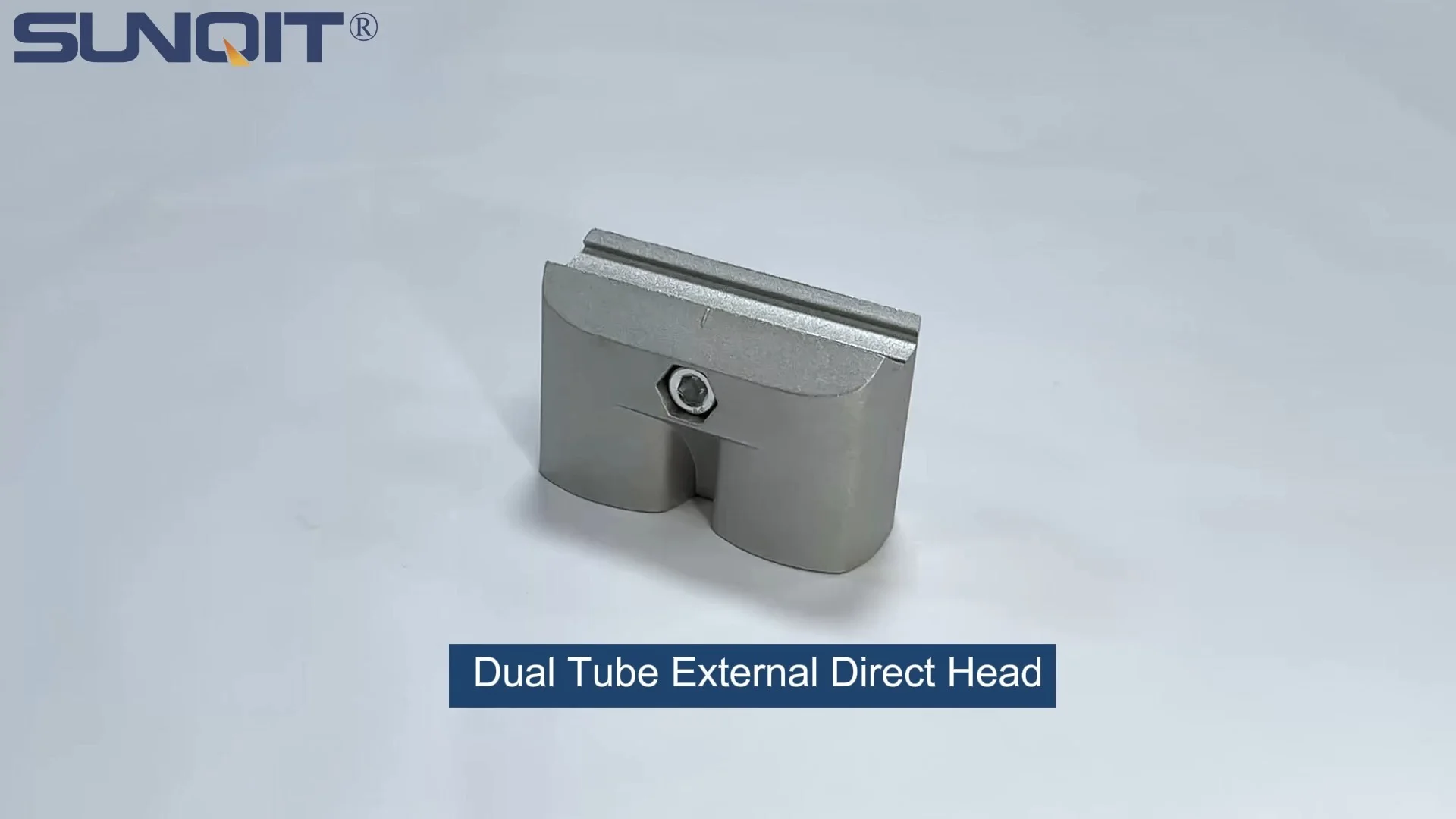
Duplex Aluminum Pipe Joint
Duplex Aluminum pipe joint used for one pcs 28pcs aluminum pipe and one pcs of 28mm duplex pipe connection in straight angle.
The Evolution of Lean Systems: From Rigidity to Flexibility
Walk into any modern manufacturing facility that's fully embraced lean principles, and you'll immediately sense the difference. Gone are the days of fixed, immovable production lines that take weeks or months to reconfigure. Instead, you'll find workspaces that adapt like clockwork—adjusting to new product lines, shifting demand, or process improvements in hours, not days. This shift isn't just about better tools or smarter software; it's about rethinking the very building blocks of production systems. At the core of this transformation lies modularity, and few components embody that modular spirit as effectively as the duplex aluminum pipe joint.
Lean manufacturing, at its heart, is about eliminating waste—whether that's wasted time, materials, or space. Traditional production setups, built with welded steel frames or rigid plastic structures, are the antithesis of this. Once installed, they're nearly impossible to modify without extensive downtime and added costs. A single design change could mean cutting, welding, or even replacing entire sections of a workstation or material rack. For manufacturers striving to stay agile in a fast-paced market, this rigidity is a liability.
Enter modular lean systems, built around components like aluminum lean pipes, connectors, and accessories. These systems are designed to be reconfigured, repurposed, and reused—turning "fixed" into "flexible" and "permanent" into "temporary." And among the many parts that make this possible, the duplex aluminum pipe joint stands out. It's not just a connector; it's a bridge between the old world of rigidity and the new world of adaptability. In the following sections, we'll unpack what makes these joints so special, and how they're reshaping the future of lean manufacturing.
What Are Duplex Aluminum Pipe Joints?
Let's start with the basics: What exactly is a duplex aluminum pipe joint? At first glance, it might look like a simple piece of hardware—a small, often cylindrical component with threaded ends or internal mechanisms. But its design is deceptively clever. Duplex joints are engineered to connect aluminum lean pipes (hollow aluminum tubes) quickly and securely, while still allowing for easy disassembly and reconfiguration. Unlike traditional welded joints or even basic plastic connectors, they're built for both strength and flexibility.
The "duplex" in their name refers to their dual functionality: they can often rotate internally or externally, allowing pipes to connect at multiple angles (90°, 45°, 135°, or even 360° in some designs) without requiring specialized tools or modifications. Made from high-grade aluminum alloys—often reinforced with materials like zinc or magnesium for added durability—they're lightweight yet surprisingly strong. This combination of lightness and strength is critical in lean systems, where workers may need to adjust setups manually without heavy equipment.
Another key feature of duplex aluminum pipe joints is their compatibility with a wide range of aluminum profile accessories. From end caps that protect pipe ends to clamps that secure additional components like workbenches or roller tracks, these joints play well with others. This interoperability is what turns a collection of pipes and joints into a fully functional lean system—whether it's a simple workbench, a multi-tiered material rack, or a complex conveyor setup.
Real-World Context: The Problem with "One-and-Done" Joints
Consider a small electronics manufacturer that produces both smartphones and tablets. Their production line for smartphones uses a specific workstation height and material flow, while tablets require a taller bench and wider conveyor tracks. With traditional welded steel frames, switching between the two would mean either building two separate lines (wasting space and money) or spending days cutting and rewelding the existing setup (wasting time). With duplex aluminum pipe joints, the same base frame can be reconfigured in hours: loosen the joints, adjust the pipe lengths, reposition the workbench, and lock everything back in place. No welding, no cutting, no downtime.

Core Benefit #1: Unmatched Reusability—Built to Last, Built to Change
In lean manufacturing, "reusability" isn't just a buzzword; it's a core principle. Every component should serve multiple purposes over its lifetime, reducing the need for new materials and cutting down on waste. This is where duplex aluminum pipe joints truly shine. Unlike welded joints, which are permanently fixed (and often damaged if you try to take them apart), duplex joints are designed to be disassembled and reassembled repeatedly without losing strength or functionality.
Think of it like a high-quality Lego set for adults: each joint acts as a connector that holds the structure together firmly, but can be popped apart and reused when the design needs to change. This reusability translates to significant long-term savings. A single set of joints and pipes can be repurposed for a workbench today, a material rack next month, and a turnover trolley next year. There's no need to buy new components every time the production line shifts—just reconfigure what you already have.
This also aligns with sustainability goals, a growing priority for manufacturers worldwide. By reducing the need for new metal or plastic parts, duplex joints help lower a facility's carbon footprint. A 2023 study by the Lean Manufacturing Institute found that facilities using modular aluminum systems with reusable joints reduced their annual waste from production setups by an average of 42% compared to those using traditional rigid frames. That's not just good for the planet—it's good for the bottom line, too.

Core Benefit #2: Flexibility in Design—Adapt to Any Workflow
If reusability is the "why" behind duplex joints, flexibility is the "how." These joints don't just let you take things apart—they let you put them back together in almost any configuration you can imagine. Need a workbench with a 45° angle to fit into a tight corner? Duplex joints can handle that. Want to add a second tier to a material rack to store more components? Just add a few extra pipes and joints. Need to rotate a conveyor track to align with a new assembly station? Loosen the joints, adjust the angle, and you're done.
This flexibility is especially valuable in industries with short product lifecycles, like consumer electronics or automotive parts. A manufacturer producing smartwatches today might shift to fitness trackers next quarter, requiring a completely different production layout. With duplex joints, they don't have to start from scratch. They can repurpose existing aluminum lean pipes and accessories to build the new setup, often at a fraction of the cost and time of building new.
Even within a single product line, flexibility matters. Workers on the floor are often the best source of process improvements—suggesting tweaks like adjusting a workstation height to reduce ergonomic strain or repositioning a material rack to cut down on walking time. With traditional setups, these suggestions might take weeks to implement, if they're approved at all. With duplex joints, a supervisor can empower the team to make those changes on the spot, fostering a culture of continuous improvement (another key lean principle).

Core Benefit #3: Durability Without the Weight—Strength Meets Maneuverability
When most people think of "durable" industrial components, they picture heavy steel or thick plastic. But aluminum—especially the high-grade alloys used in duplex joints—offers a unique combination of strength and lightness. Aluminum is naturally resistant to corrosion, making it ideal for factories where moisture, oils, or chemicals are present (like automotive or food processing plants). Unlike steel, it won't rust, and unlike plastic, it won't crack or degrade under heavy loads or extreme temperatures.
This durability means duplex joints can handle the daily wear and tear of a busy manufacturing environment. They're designed to withstand repeated tightening and loosening (a common part of reconfiguration) without stripping threads or weakening connections. Even in high-vibration settings, like near machinery or conveyor belts, they maintain their grip, ensuring the structure stays stable and safe.
And here's the kicker: all that strength comes without the weight. Aluminum is roughly one-third the weight of steel, which makes the entire lean system easier to handle. Workers can adjust workbenches or material racks without needing forklifts or heavy lifting equipment, reducing the risk of injury and speeding up reconfiguration. For example, a standard workbench built with aluminum lean pipes and duplex joints might weigh 50-70 pounds, compared to 150+ pounds for a similar steel setup. That difference isn't just about convenience—it's about empowering teams to take ownership of their workspace.
Core Benefit #4: Cost-Effectiveness—Invest Once, Use Forever
At first glance, duplex aluminum pipe joints might seem pricier than basic plastic connectors or even some steel alternatives. It's true: high-quality aluminum alloys and precision engineering come with a higher upfront cost. But lean manufacturing teaches us to look at the total cost of ownership (TCO), not just the initial price tag. When you factor in reusability, durability, and reduced downtime, duplex joints quickly prove to be the more cost-effective choice.
Let's break it down. Traditional welded steel setups require specialized labor (welders) and equipment, driving up installation costs. If you need to reconfigure, you'll pay again for cutting, welding, and repainting. Plastic joints are cheap upfront, but they wear out quickly—cracking under heavy loads or degrading in harsh environments—meaning you'll replace them constantly. Duplex aluminum joints, by contrast, have a TCO that drops significantly over time. They install quickly with basic tools (no welders needed), last for years (even decades) with minimal maintenance, and can be reused indefinitely.
A case study from a mid-sized automotive parts manufacturer illustrates this point. The company switched from welded steel frames to a modular aluminum system with duplex joints in 2021. While the initial investment was 30% higher than building new steel frames, they recouped that cost within 18 months: reconfiguration time dropped by 80%, maintenance costs fell by 50% (no more rust repairs or welding touch-ups), and they avoided purchasing new equipment for three new product lines by repurposing existing components. Today, they estimate annual savings of $75,000 thanks to the switch.
How Duplex Joints Enhance Key Lean Principles
So far, we've focused on the practical benefits of duplex aluminum pipe joints, but their impact goes deeper—they actively reinforce the core principles of lean manufacturing. Let's explore how:
Eliminating Waste (Muda):
By enabling reusability and reducing the need for new materials, duplex joints directly cut down on waste. They also minimize downtime during reconfigurations, which is a form of "waiting" waste in lean terms.
Continuous Improvement (Kaizen):
When workers can easily adjust their workspaces, they're more likely to suggest and implement improvements. A 2022 survey by the Manufacturing Leadership Council found that facilities with modular setups reported 3x more employee-driven process improvements than those with fixed systems. Duplex joints make those improvements possible without red tape or delays.
Just-In-Time (JIT) Production:
JIT relies on having the right materials, in the right place, at the right time. Duplex joints make it easy to adjust material racks, conveyors, and workbenches to match shifting production schedules, ensuring nothing is overstocked or underutilized.
Respect for People:
Lean isn't just about processes—it's about people. When workers aren't stuck with rigid, uncomfortable, or inefficient setups, morale and productivity rise. Duplex joints put control back in the hands of the people who use the space every day, fostering a sense of ownership and pride.
Comparing Duplex Aluminum Pipe Joints to Alternatives
To truly appreciate the value of duplex aluminum pipe joints, it helps to see how they stack up against common alternatives. Below is a comparison of duplex joints with two popular options: plastic snap-fit joints and traditional welded steel joints.
| Feature | Duplex Aluminum Pipe Joint | Plastic Snap-Fit Joint | Welded Steel Joint |
|---|---|---|---|
| Reusability | Unlimited—can be disassembled and reassembled repeatedly | Limited—snaps weaken after 3-5 uses | None—permanently fixed; disassembly damages components |
| Weight | Light (1/3 the weight of steel) | Very light, but prone to bending under load | Heavy—requires equipment for movement |
| Durability | High—resistant to corrosion, impact, and temperature changes | Low—cracks in cold temperatures; degrades in heat/chemicals | High, but prone to rust without regular maintenance |
| Flexibility | High—adjustable angles (90°, 45°, 135°, etc.) | Low—fixed angles; limited adjustability | None—fixed angles only |
| Installation Time | Fast (minutes with basic tools) | Fast (seconds, but weak connections) | Slow (hours; requires welding equipment) |
| Long-Term Cost | Low (one-time purchase, reusable indefinitely) | High (frequent replacements needed) | Very high (initial welding + replacement costs for reconfigurations) |
Applications in Action: Duplex Joints at Work
Duplex aluminum pipe joints aren't just theoretical—they're transforming real-world lean systems across industries. Let's look at a few examples of how they're being used today:
Case Study 1: Automotive Assembly Workbench
A major automotive supplier needed a workstation that could handle both small parts assembly (like door handles) and larger component testing (like dashboard panels). Using aluminum lean pipes, duplex joints, and a honeycomb workbench top, they built a modular setup. For small parts, the bench is configured with side shelves and a lower material rack. For larger panels, they remove the shelves, raise the bench height by 6 inches (using extra pipe sections and duplex joints), and add a wider roller track for easy material flow. The entire reconfiguration takes two workers less than an hour, and the same bench has been repurposed five times in three years.
Case Study 2: Food Processing Material Rack
A food packaging plant needed a material rack that could hold heavy cardboard boxes (up to 50 lbs per shelf) while resisting the frequent washdowns required for food safety. They chose stainless steel swivel roller balls for the shelves (to allow easy box sliding) and duplex aluminum pipe joints for the frame. Aluminum's corrosion resistance ensures the rack holds up to daily cleaning with sanitizing solutions, while the duplex joints let them adjust shelf heights to fit different box sizes. When the plant introduced a new, taller box, they simply loosened the joints, added 12-inch pipe extensions, and repositioned the shelves—no new rack needed.
Case Study 3: Electronics Repair Turnover Trolley
An electronics repair shop needed a trolley to transport tools and components between workstations. They built a compact trolley using aluminum lean pipes, duplex joints, and caster wheels. The trolley features adjustable dividers (held in place with duplex joints) to separate tools, a small shelf for laptops, and a fold-down side table for on-the-go repairs. When not in use, it can be disassembled and stored in a closet, saving space. The shop owner notes, "We've had this trolley for two years, and it's been everything from a parts cart to a mobile workstation. The duplex joints make it so versatile—we even used it as a temporary display stand at a trade show!"
Choosing the Right Duplex Joints for Your Lean System
Not all duplex aluminum pipe joints are created equal. To get the most out of your lean system, it's important to choose joints that match your specific needs. Here are a few factors to consider:
Load Capacity:
Different joints are rated for different weights. If you're building a heavy-duty material rack, look for joints with a higher load rating (often listed as "static load" or "dynamic load" capacity). For lighter setups like workbenches, standard-duty joints should suffice.
Angle Adjustability:
Some duplex joints are fixed at 90°, while others offer multi-angle rotation. If you anticipate needing flexible configurations, opt for joints with internal or external rotation features.
Compatibility:
Ensure the joints are designed to fit your aluminum lean pipe size (common diameters include 28mm, 30mm, or 40mm). Most suppliers offer joints that work with standard pipe sizes, but double-checking avoids frustration later.
Accessories:
Look for joints that work with other aluminum profile accessories you might need, like end caps, clamps, or mounts. This ensures your system can grow and adapt over time.
Finally, choose a reputable supplier with a track record in lean system components. A good supplier will offer technical support, warranty coverage, and samples to test before you buy. Remember, the cheapest joints might save you money upfront, but they'll cost you more in the long run if they fail or limit your flexibility.
Conclusion: The Future of Lean Is Modular—And Duplex Joints Lead the Way
In a world where manufacturing demands are constantly shifting, flexibility isn't just a nice-to-have—it's a necessity. Lean systems that can adapt quickly, reduce waste, and empower workers are the ones that thrive. And at the center of that adaptability is the duplex aluminum pipe joint. It's a small component, but its impact is huge: enabling reusability, flexibility, and durability that traditional systems can't match.
Whether you're building a simple workbench, a complex conveyor system, or a modular production line, duplex joints offer a path to a more efficient, sustainable, and cost-effective future. They turn static workspaces into dynamic environments where change is not just possible, but easy. And in lean manufacturing, easy change is the key to continuous improvement.
So the next time you walk through a lean facility and marvel at its adaptability, take a closer look at the structures holding it all together. Chances are, you'll find a duplex aluminum pipe joint quietly doing its job—connecting pipes, supporting workflows, and proving that sometimes, the smallest components make the biggest difference.