- Company Articles
- Products and Technology
- Product knowledge
- The Complete Lifecycle of an Aluminum Side Guard: From Production to Recycling

The Complete Lifecycle of an Aluminum Side Guard: From Production to Recycling
Related Product
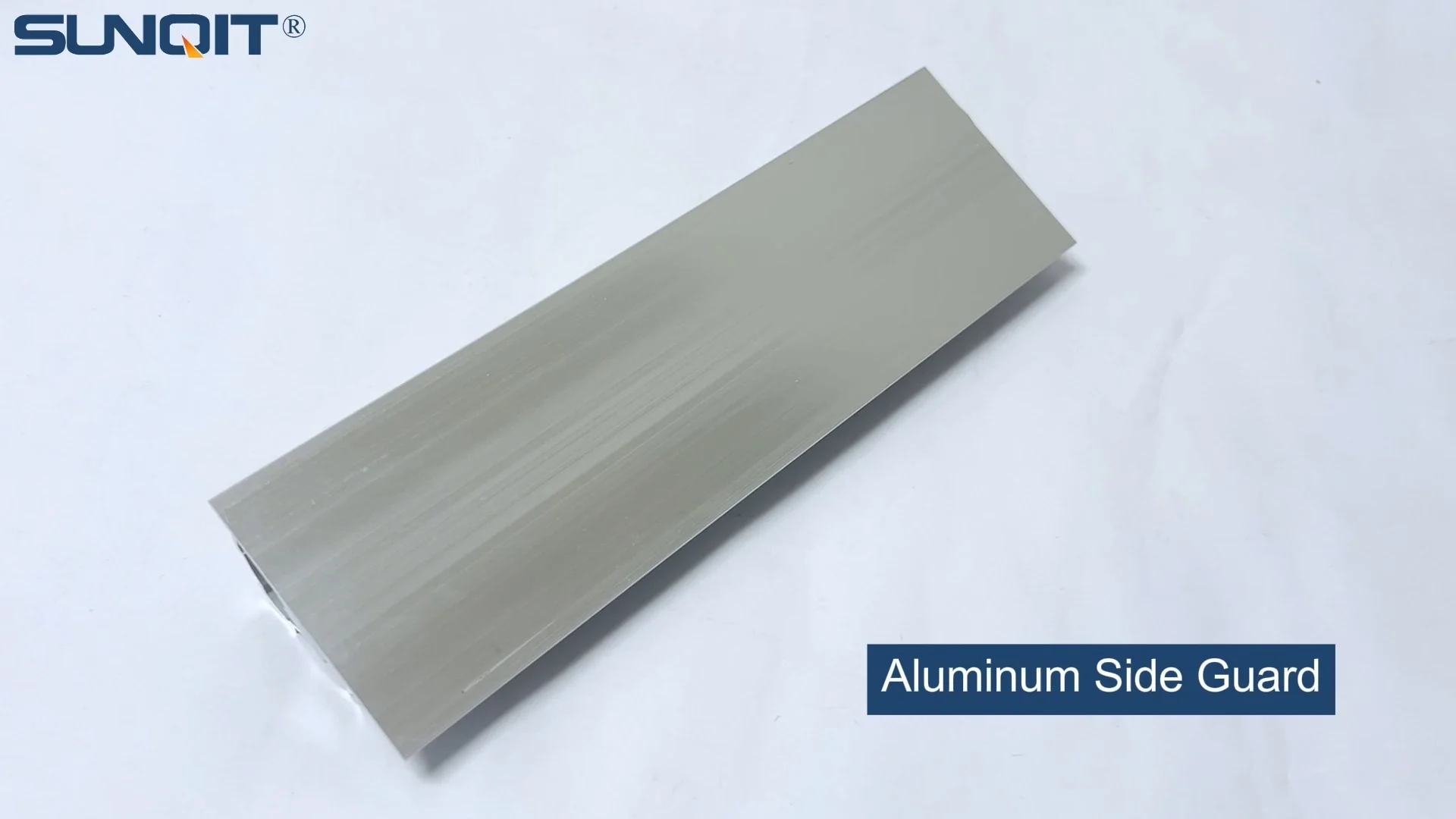
Aluminum Side Guard
Aluminum side guard, it works with a aluminum pipe or a roller track as side guard to prevent material drop,or move to wrong direction.
Walk through any manufacturing plant, warehouse, or logistics hub, and you'll likely spot them: unassuming, sleek, and quietly hard at work. Aluminum side guards—those narrow, often uncelebrated strips of metal—line workbenches, edge conveyor belts, and frame material racks, silently protecting workers, equipment, and materials from bumps, slips, and falls. Despite their modest appearance, these components are the unsung heroes of efficient, safe industrial operations. But have you ever stopped to wonder where they come from? Or what happens to them when their working days are done? This article traces the remarkable journey of an aluminum side guard, from the earth's crust to the factory floor, and finally to its rebirth in a circular economy.
From Earth to Ore: The Raw Material Journey
Every aluminum side guard begins as a humble ore: bauxite. Found in tropical and subtropical regions like Guinea, Australia, and Brazil, bauxite is a reddish-brown rock rich in aluminum hydroxide minerals. Miners extract it using open-pit methods, carefully stripping away topsoil and vegetation before scooping the ore with heavy machinery. While mining can leave scars on the landscape, modern operations prioritize rehabilitation—replanting native flora and restoring ecosystems once extraction ends. This commitment to sustainability sets the stage for aluminum's future as a recycled material.
Once mined, bauxite travels to refineries, where it undergoes the Bayer process to become alumina (aluminum oxide). Crushed bauxite is mixed with hot sodium hydroxide, dissolving the aluminum compounds and leaving behind impurities like iron oxide and silica. The result is a white, powdery alumina, which is then shipped to smelters for the next transformation: electrolysis. In smelters, alumina is dissolved in molten cryolite at 960°C and subjected to an electric current, splitting the oxide into aluminum metal and oxygen. This energy-intensive process (known as the Hall-Héroult method) is why aluminum production historically had a large carbon footprint—but it also makes recycling aluminum so valuable: recycling uses just 5% of the energy required to produce new aluminum from ore.
Shaping Aluminum: The Extrusion Revolution
Aluminum Extrusion Profile: Crafting the Foundation
The next stop for raw aluminum is the extrusion press, where it transforms from ingots into the specific shape of a side guard. Aluminum extrusion is a bit like squeezing toothpaste from a tube—only on an industrial scale. Here's how it works: giant cylindrical billets of aluminum (heated to 400–500°C, soft enough to mold but not molten) are loaded into a hydraulic press. A ram pushes the billet through a custom die—a steel mold with a cross-sectional shape matching the desired product. For an aluminum side guard, the die might be a long, narrow rectangle with subtle grooves for mounting holes or edges designed to interlock with other components.
The extrusion process is a marvel of precision. Die designers spend weeks crafting molds that ensure uniform thickness, smooth surfaces, and structural integrity. Even a tiny imperfection in the die can lead to warping or weak spots in the final product. As the billet exits the die, it cools rapidly—first with water sprays, then with air—locking in its shape. The result? A long, continuous aluminum extrusion profile, which is then cut into manageable lengths (typically 6–12 meters) using circular saws. These lengths will later be trimmed to the exact size needed for side guards, often 1–2 meters long for workbench or conveyor applications.
Fabrication and Finishing: Precision in Every Detail
After extrusion, the aluminum profiles head to fabrication shops, where they're transformed from generic lengths into functional side guards. First, they're cut to precise dimensions using CNC (computer numerical control) saws, ensuring accuracy down to a millimeter. Next, holes are drilled or punched for mounting—allowing the side guard to attach to workbenches, racks, or conveyor frames using screws or brackets. Some side guards also undergo deburring, where sharp edges are smoothed to prevent cuts during installation and use.
Finishing is the final step before the side guard is ready for action. Most aluminum side guards receive anodizing—a process that enhances durability and corrosion resistance. In anodizing, the profiles are submerged in an electrolytic solution and subjected to an electric current, creating a thick, porous oxide layer on the surface. This layer can be dyed (common colors include silver, black, or blue) or left natural for a sleek, industrial look. Anodized aluminum resists scratches, UV rays, and chemical exposure, making it ideal for factory environments where moisture, oils, and cleaning agents are common.
Aluminum Profile Accessories: The Finishing Touches
No side guard is complete without its accessories. Aluminum profile accessories like end caps, gaskets, and mounting brackets turn a simple extrusion into a fully functional component. End caps—plastic or rubber plugs—fit snugly into the ends of the side guard, preventing dust, debris, or liquids from entering the hollow profile. Gaskets, often made of EPDM rubber, create a tight seal between the side guard and the surface it's mounted on, reducing vibration and noise. Mounting brackets, typically made of stamped steel or aluminum, provide a secure connection to workbenches or conveyor frames. These accessories are designed to work seamlessly with the extrusion profile, ensuring the side guard integrates smoothly into larger systems.

From Factory to Field: The Distribution Chain
Lean System Suppliers: Integrating into Efficient Networks
Once fabricated and assembled, aluminum side guards join a global network of lean system suppliers—companies specializing in providing components that optimize workflow, reduce waste, and enhance productivity. These suppliers don't just sell parts; they offer solutions. A side guard might be paired with a workbench, a material rack, or a conveyor system, forming part of a lean manufacturing setup where every component has a purpose. For example, in an automotive assembly line, side guards on workbenches prevent tools from rolling off during production, while those on conveyor belts guide parts to their next station without jamming. Lean system suppliers ensure these components arrive just in time for assembly, minimizing inventory costs and storage space—a cornerstone of lean principles.
Logistics play a crucial role in getting side guards from manufacturers to end-users. Profiles and accessories are packed into cardboard boxes or wooden crates, with foam inserts to prevent scratching during transit. Most shipments travel by truck or train, though international orders may go by sea. Suppliers use barcode tracking to monitor each shipment, ensuring on-time delivery and reducing the risk of loss. Once at the customer's facility, the side guards are unpacked, inspected for damage, and stored until needed—often in climate-controlled warehouses to protect the anodized finish from humidity or extreme temperatures.

On the Job: The Working Life of an Aluminum Side Guard
Applications Across Industries
Aluminum side guards are versatile workhorses, finding homes in nearly every industry imaginable. In automotive plants, they line assembly line workbenches, keeping tools and fasteners within reach while preventing spills onto the floor. In electronics manufacturing, they protect sensitive circuit boards as they glide along conveyor belts, shielding them from static electricity (thanks to optional ESD coatings). In warehouses, they edge material racks, stopping boxes from sliding off during loading and unloading. Even in healthcare facilities, they're used on mobile carts, ensuring medical supplies stay secure during transport. Wherever efficiency and safety matter, aluminum side guards are there.
One of the most common applications is in lean manufacturing workbenches. These workbenches, often built using aluminum profiles, feature side guards along the edges to contain tools, parts, and debris. Workers can focus on their tasks without worrying about items falling off, reducing distractions and improving productivity. Similarly, in distribution centers, side guards on gravity flow racks guide packages as they slide from the loading end to the picking end, preventing jams and ensuring a steady flow of goods.
Durability in Action: Weathering the Daily Grind
An aluminum side guard's working life is a testament to its durability. Aluminum's natural resistance to corrosion means it stands up to moisture, oils, and chemicals—common in factory environments. Unlike steel, it won't rust, even if the anodized layer is scratched. Its lightweight nature (about one-third the weight of steel) makes installation and repositioning easy, reducing strain on workers. And because aluminum is malleable but strong, side guards can absorb minor impacts without bending or breaking. In a typical factory setting, an aluminum side guard can last 10–15 years, outperforming plastic alternatives that crack or fade and steel ones that rust or require frequent painting.
Safety and Efficiency: A Small Component with Big Impact
The true value of an aluminum side guard lies in its ability to enhance safety and efficiency. By containing tools and parts, it reduces trip hazards—one of the leading causes of workplace injuries. By guiding materials along conveyors, it minimizes downtime from jams and misalignments. And by protecting equipment from accidental bumps, it extends the life of expensive machinery. In one study, a manufacturing plant reported a 20% reduction in workplace accidents after installing aluminum side guards on all workbenches and conveyor systems. Another facility noted a 15% increase in productivity, as workers spent less time retrieving fallen items and more time on value-added tasks. These small, unassuming components punch far above their weight in keeping operations running smoothly.
Closing the Loop: Recycling and Circularity
End-of-Life Collection: The First Step to Renewal
Eventually, even the most durable side guard reaches the end of its working life. Maybe it's damaged beyond repair in an accident, or the equipment it's attached to is retired. Whatever the reason, its journey isn't over—it's just beginning a new chapter. In responsible facilities, old aluminum side guards are collected as scrap, separated from other materials (like steel brackets or plastic end caps), and sent to recycling centers. Many manufacturers and suppliers even offer take-back programs, ensuring that end-of-life components are properly recycled rather than ending up in landfills.
Melting and Reprocessing: Transforming Waste into Resource
At recycling centers, the aluminum side guards are shredded into small pieces to remove any remaining coatings or accessories. The shredded aluminum is then melted in a furnace at 700°C—far lower than the 960°C required for primary production. As it melts, impurities like paint, plastic, or dirt rise to the surface and are skimmed off, leaving pure molten aluminum. This molten metal is cast into ingots or billets, which are then sold back to extrusion plants to become new aluminum profiles. The entire recycling process takes just 60 days from collection to new product—a fraction of the time required to produce aluminum from ore.
The Environmental Impact: Why Aluminum Recycling Matters
Aluminum's recyclability is its superpower. Recycling one ton of aluminum saves 9 tons of CO2 emissions and 14,000 kWh of energy—enough to power a home for over a year. It also reduces the need for bauxite mining, conserving natural resources and protecting ecosystems. In fact, 75% of all aluminum ever produced is still in use today, thanks to recycling. For aluminum side guards, this means they can theoretically be recycled indefinitely, with no loss in quality. A side guard that once protected a workbench in Detroit might become part of a bicycle frame in Amsterdam, then a window frame in Tokyo, and so on. This circularity is a model for sustainability in manufacturing, proving that even industrial components can have a minimal environmental footprint.
Aluminum Side Guards vs. Alternatives: A Comparative Look
| Material | Durability | Weight (kg/m) | Recyclability | Cost (USD/m) |
|---|---|---|---|---|
| Aluminum | High (10–15 year lifespan, corrosion-resistant) | 0.8–1.2 | 100% recyclable, infinite loops | $15–$30 |
| Steel | Very high (20+ year lifespan, prone to rust) | 2.5–3.0 | Recyclable, but higher energy use than aluminum | $10–$20 |
| Plastic (PVC/PP) | Low (3–5 year lifespan, prone to cracking/fading) | 0.5–0.7 | Limited (often downcycled to lower-grade products) | $8–$15 |
The table above highlights why aluminum side guards are the preferred choice for most industrial applications. While steel is cheaper and more durable, its weight and higher recycling energy use make it less efficient. Plastic is lightweight and inexpensive but lacks the longevity and recyclability of aluminum. Aluminum strikes the perfect balance: durable, lightweight, cost-effective, and infinitely recyclable.
Conclusion: Celebrating the Lifecycle
The journey of an aluminum side guard is a story of ingenuity, resilience, and sustainability. From bauxite mine to factory floor, and back to the recycling furnace, it embodies the best of modern manufacturing: precision engineering, efficient production, and a commitment to circularity. The next time you see an aluminum side guard in a factory or warehouse, take a moment to appreciate its journey. It's more than just a strip of metal—it's a symbol of how even the smallest components can make a big difference in our workplaces and our world. And as we continue to prioritize sustainability, aluminum side guards will play an even greater role in building a future where waste is eliminated, resources are conserved, and every product gets a second, third, and fourth life.