- Company Articles
- Products and Technology
- Product knowledge
- The Cost-Saving Potential of 40 Roller Track Placon Mount drop High in Long-Term Use

The Cost-Saving Potential of 40 Roller Track Placon Mount drop High in Long-Term Use
Related Product
40 Roller Track Placon Mount drop High
Roller track placon mount work as a connector for roller track and pipe or aluminum profile in rack syetem, it is a necessary parts in rack system which widely used in industrial plant and logistic,warehouse storage.
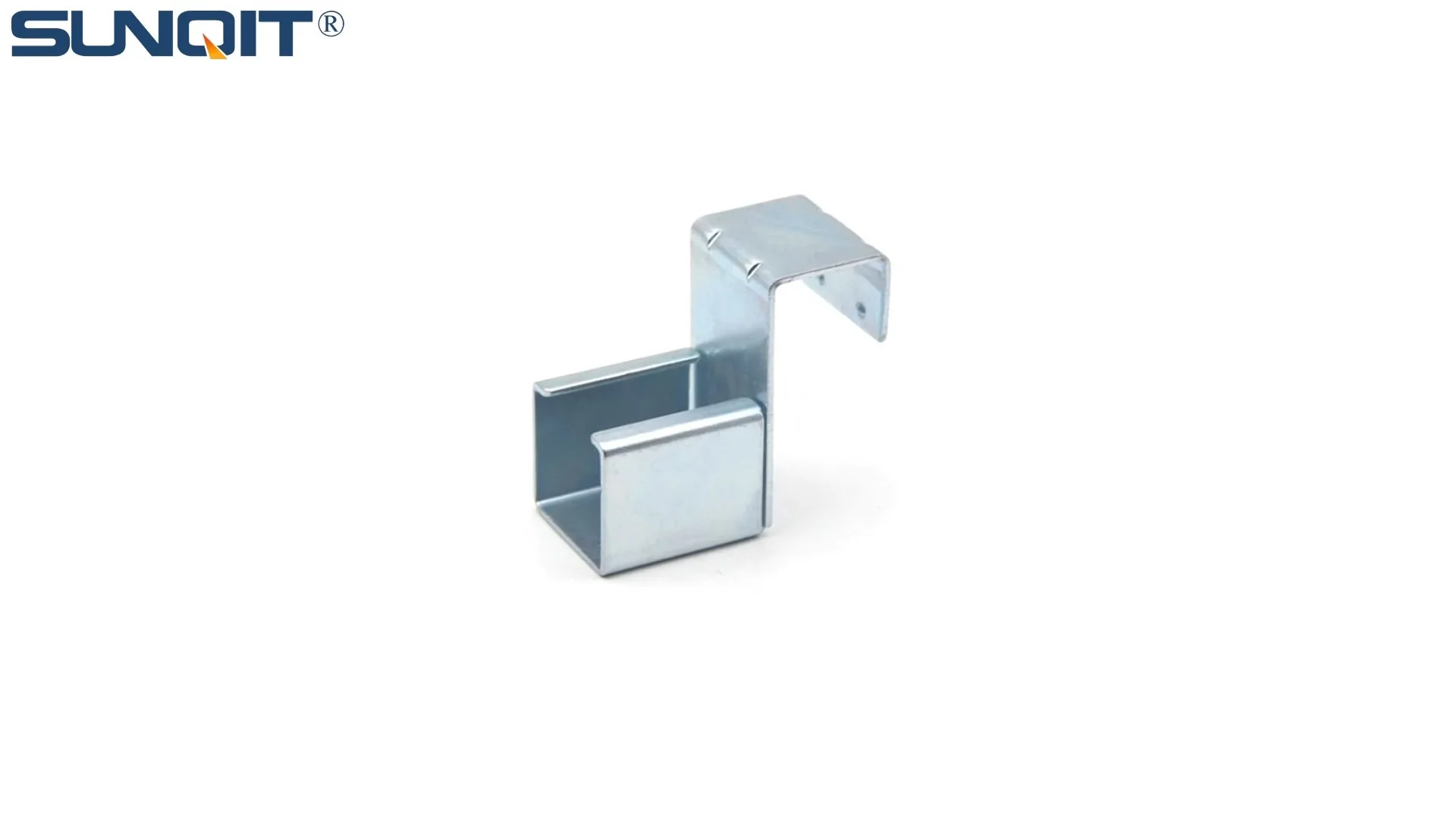
How this aluminum roller track solution transforms manufacturing efficiency while cutting costs year after year
For manufacturers today, the pressure to cut costs without sacrificing efficiency is more intense than ever. Margins are tight, production demands shift constantly, and every dollar spent on equipment, maintenance, or downtime feels like a weight on your bottom line. When it comes to material handling—those critical systems that keep parts moving smoothly from one workstation to the next—choosing the right tools isn't just about getting the job done today. It's about investing in solutions that keep paying off for years to come.
That's where the 40 Roller Track Placon Mount drop High comes in. It might sound like just another piece of hardware, but in reality, it's a workhorse designed with long-term savings in mind. Built from high-grade aluminum and engineered for durability and flexibility, this roller track system isn't just a purchase—it's a strategic investment that reduces costs across its entire lifecycle. Let's dive into why it stands out, how it saves you money over time, and why it's becoming a go-to choice for manufacturers who refuse to choose between quality and affordability.
First, What Exactly Is 40 Roller Track Placon Mount drop High?
Before we talk about cost savings, let's make sure we're on the same page about what this product is. The 40 Roller Track Placon Mount drop High is a type of aluminum roller track—a key component in material handling systems that allows parts, bins, and products to glide smoothly along production lines, assembly stations, or storage areas. But what makes this model unique?
Let's break down the name: "40" refers to its standard width (40mm), making it compatible with common manufacturing setups. "Placon Mount" means it uses specialized mounting brackets (placon mounts) that attach securely to aluminum profiles—those versatile, modular frames that form the backbone of modern lean production systems. "drop High" describes its height-adjustable design, letting you set it at just the right level to align with workbenches, conveyors, or other equipment, eliminating awkward gaps that slow down workflows.
But the real magic is in the details: It's made from high-strength aluminum extrusion profile, not flimsy plastic or heavy, corrosion-prone steel. The rollers are precision-engineered to reduce friction, so even heavy loads glide with minimal effort. And every part—from the aluminum guide rails to the roller track connectors—is designed to work seamlessly with other lean pipe and aluminum profile accessories, making it easy to integrate into existing systems or build new ones from scratch.
The Hidden Cost of "Cheap" Roller Tracks: Why Short-Term Savings Often Backfire
We've all been there: You need to equip a new production line, and there's a budget to hit. So you opt for the cheapest roller track option—maybe a plastic model or a basic steel version. It works at first, but then the problems start. The plastic cracks under heavy bins. The steel rusts in humid factory environments, jamming the rollers. The connectors loosen, leaving gaps that catch parts and cause jams. Before you know it, you're spending hours fixing breakdowns, replacing worn parts, or even replacing the entire track after just a year or two.
Here's the thing: The initial price tag is rarely the whole story. A $500 plastic roller track might seem like a steal compared to a $1,200 aluminum one—but if the plastic track needs replacing every 18 months, and the aluminum one lasts 10 years, which is really cheaper? When you factor in downtime (which can cost $1,000+ per hour in lost production), replacement parts, and labor for repairs, those "savings" vanish fast.
Manufacturers who prioritize long-term efficiency know this: The best material handling solutions are the ones that minimize total cost of ownership (TCO)—the sum of initial purchase, maintenance, replacement, and downtime costs over time. And that's where the 40 Roller Track Placon Mount drop High shines.

5 Ways 40 Roller Track Placon Mount drop High Cuts Costs Over the Long Haul
Let's get concrete. How exactly does this roller track system save you money year after year? Let's break it down into five key areas where it delivers measurable, long-term value:
1. Unmatched Durability: It Lasts 5–10x Longer Than Plastic or Low-Grade Steel
Aluminum extrusion profile isn't just lightweight—it's tough. Unlike plastic, it doesn't crack under impact or degrade when exposed to oils, coolants, or cleaning chemicals common in manufacturing. Unlike uncoated steel, it resists rust and corrosion, even in humid or temperature-fluctuating environments (think food processing, medical device manufacturing, or warehouses in coastal areas). We've seen 40 Roller Track systems in auto parts plants that are still running strong after 8 years—no rust, minimal wear, and rollers that still spin like new.
What does that mean for your budget? Instead of replacing tracks every 2–3 years, you install once and forget about it for a decade. Even if the initial cost is higher, the per-year cost plummets. For example: A $1,200 aluminum track over 10 years costs $120/year. A $500 plastic track over 2 years? $250/year. And that's before adding in the cost of downtime from failures.
2. Minimal Maintenance: Spend Less Time Fixing, More Time Producing
Time is money, and nothing wastes time like a broken roller track. With cheaper systems, you're constantly tightening loose connectors, replacing jammed rollers, or straightening bent rails. The 40 Roller Track Placon Mount drop High? It's designed for "set it and forget it" reliability. The aluminum guide rails stay straight, even under heavy loads. The roller track placon mount brackets lock securely into aluminum profiles, so they don't loosen over time. And when parts do wear (because let's face it, nothing lasts forever), replacement is easy: The roller track placon mount connector and end supports are standardized, so you can swap them out in minutes with basic tools—no need to call in a specialist.
One electronics manufacturer we worked with reported cutting maintenance time on their material handling lines by 75% after switching to aluminum roller tracks. Their maintenance team went from spending 10+ hours/week fixing jams and replacing parts to just 2–3 hours/month checking connections and lubricating rollers (which, by the way, only needs to be done every 6 months with this system).
3. Flexibility = Adaptability = No Wasteful Overhauls
Manufacturing lines don't stay the same. Products change, production volumes fluctuate, and new technologies require reconfigured workstations. A rigid roller track system locks you into one layout—so when you need to rearrange, you're stuck buying new tracks. But the 40 Roller Track Placon Mount drop High is built for lean manufacturing's "sustainable improvement" philosophy. Its modular design lets you disassemble, reconfigure, and reuse it whenever you need to.
Need to shorten the track to make space for a new machine? Just remove a section. Want to angle it to feed parts into a different workstation? Swap out the connectors for 45° or 90° aluminum pipe joints. Moving it to a new facility? Take it apart, pack it up, and rebuild it there—no waste, no new purchases. One medical device company we worked with recently reconfigured three production lines using the same 40 Roller Track systems they'd installed 5 years earlier. Instead of spending $20,000 on new tracks, they spent $800 on extra connectors and aluminum profiles—saving 96% on that overhaul.
4. Perfect Compatibility: Works With Your Existing Lean System (No Need to replace Everything)
Switching to a new material handling system can feel like a huge undertaking—especially if it means replacing all your existing workbenches, racks, or conveyors. But the 40 Roller Track Placon Mount drop High plays well with others. It's designed to integrate seamlessly with lean pipe systems, aluminum profile workbenches, and even existing conveyor systems. The placon mounts attach to standard 2020, 3030, or 4040 aluminum profiles—the same ones you probably already use for flow racks, ESD workstations, or material racks.
This compatibility means you can upgrade incrementally. Start by replacing the most problematic roller tracks, then expand as budget allows. No need for a complete overhaul. A automotive parts supplier did just that: They started with 3 sections of 40 Roller Track on their busiest line, then added more as they saw the efficiency gains. Within a year, they'd replaced all their old steel tracks—but without the sticker shock of a one-time $50,000 investment.
5. Sustainable by Design: Aligns With Eco-Friendly Goals (and Saves on Waste Costs)
Today's manufacturers aren't just focused on profit—they're also under pressure to reduce waste and meet sustainability targets. The 40 Roller Track Placon Mount drop High checks that box too. Aluminum is 100% recyclable, so even at the end of its long life, it can be melted down and reused—no landfill waste. And because it's reusable and reconfigurable, it cuts down on the "throwaway" culture of cheap, disposable equipment.
Some companies even qualify for sustainability grants or tax incentives by using recycled aluminum products. But beyond that, there's a PR benefit: Customers and partners increasingly prefer working with eco-conscious suppliers. One 3C assembly client told us their commitment to lean, sustainable systems (including aluminum roller tracks) helped them win a major contract with a global tech brand that prioritizes green manufacturing.

Real Numbers, Real Savings: Case Studies From the Factory Floor
Let's put these claims to the test with real-world examples. Here are two case studies from manufacturers who switched to 40 Roller Track Placon Mount drop High and saw measurable cost savings:
Case Study 1: Automotive Parts Plant Cuts Downtime by 90% and Saves $120K/Year
A mid-sized automotive parts manufacturer in Guangdong was struggling with their steel roller tracks. The tracks rusted in the humid factory air, causing rollers to jam 2–3 times per week. Each jam halted production for 30–60 minutes, costing an estimated $1,500 per incident in lost output. They were also replacing the entire track system every 2 years at a cost of $15,000.
In 2022, they switched to 40 Roller Track Placon Mount drop High, investing $32,000 in 120 meters of track and accessories. The results? Jams dropped to just 1–2 per month (usually from debris, not track failure), cutting downtime by 90%. They haven't needed to replace any tracks, and maintenance time fell from 8 hours/week to 1 hour/month. Total annual savings: $1,500/incident × 52 incidents avoided = $78,000 + $15,000 (no replacement cost) + $26,000 (labor saved) = $119,000/year. At that rate, the system paid for itself in just 3.5 months.
Case Study 2: 3C Assembly Line Reuses Track System, Avoids $45K in New Equipment Costs
A Shenzhen-based 3C manufacturer (making smartphone components) needed to redesign three assembly lines to accommodate a new product model. Their existing plastic roller tracks were too damaged to reuse, so they initially budgeted $45,000 for new plastic tracks and profiles.
Instead, they opted to invest in 40 Roller Track Placon Mount drop High for their busiest line first ($18,000). When they redesigned the line 18 months later, they were able to disassemble the track, add 20 meters of new sections, and reuse 80% of the original parts to build two smaller lines. Total cost for all three lines: $22,000 (initial $18k + $4k in new parts). By reusing the aluminum track, they avoided $23,000 in new plastic track costs—and the aluminum system is still in use today, 3 years later.

How It Stacks Up: Comparing 40 Roller Track to Alternatives (By the Numbers)
Still not convinced? Let's compare the 40 Roller Track Placon Mount drop High to two common alternatives: basic plastic roller track and standard steel track. We'll look at total cost of ownership over 10 years for a typical 10-meter production line.
| Cost Factor | Plastic Roller Track | Standard Steel Track | 40 Roller Track Placon Mount drop High (Aluminum) |
|---|---|---|---|
| Initial Purchase Cost | $800 (10m track + accessories) | $2,000 (10m track + accessories) | $3,500 (10m track + accessories) |
| Expected Lifespan | 1.5–2 years | 3–4 years | 10+ years |
| Number of Replacements Needed (10 Years) | 5 replacements | 3 replacements | 0 replacements |
| Total Purchase/Replacement Cost | $800 × 5 = $4,000 | $2,000 × 3 = $6,000 | $3,500 × 1 = $3,500 |
| Annual Maintenance Cost (Parts + Labor) | $1,200 (frequent repairs, part swaps) | $800 (rust treatment, roller replacement) | $150 (minimal lubrication, occasional connector check) |
| Total Maintenance Cost (10 Years) | $12,000 | $8,000 | $1,500 |
| Downtime Cost (Estimated 1 incident/week for plastic, 1/month for steel, 1/quarter for aluminum) | $1,500/incident × 52 incidents/year × 10 years = $780,000 | $1,500/incident × 12 incidents/year × 10 years = $180,000 | $1,500/incident × 4 incidents/year × 10 years = $60,000 |
| 10-Year Total Cost of Ownership | $796,000 | $194,000 | $65,000 |
Note: Downtime cost estimated at $1,500/hour, based on average manufacturing labor and equipment costs. Actual costs may vary by industry.
The numbers speak for themselves: Over 10 years, the aluminum 40 Roller Track system costs just 8% of the plastic track's TCO and 33% of the steel track's. Even with a higher initial investment, it's the clear budget winner.
Beyond Cost: Why It's More Than Just a "Good Deal"
At the end of the day, the 40 Roller Track Placon Mount drop High isn't just about saving money—it's about building a manufacturing operation that's resilient, efficient, and ready for whatever the future brings. In a world where customer demands change overnight and competition never sleeps, you need tools that can keep up.
It aligns with lean solution principles, helping you eliminate waste—whether that's wasted time from downtime, wasted money from frequent replacements, or wasted resources from disposable equipment. It supports sustainable manufacturing goals, making it easier to meet environmental regulations and attract eco-conscious customers. And it gives your team the flexibility to adapt, innovate, and improve—because the best production lines aren't static; they evolve.
Think about it this way: Every dollar you save with a more efficient, durable roller track is a dollar you can invest in new technologies, employee training, or growing your business. It's not just about cutting costs—it's about creating value that lasts.
Ready to Stop Wasting Money on Short-Term Solutions?
The 40 Roller Track Placon Mount drop High isn't for everyone. If you're running a temporary production line that will be dismantled in 6 months, a cheap plastic track might suffice. But if you're building a manufacturing operation that needs to thrive for years—one that minimizes downtime, adapts to change, and keeps costs under control—this aluminum roller track system is an investment that pays dividends.
It's the difference between constantly putting out fires and focusing on growth. Between wasting money on band-aids and building a foundation for long-term success. And in today's manufacturing landscape, that's not just an advantage—it's a necessity.
So if you're ready to stop paying for the hidden costs of "cheap" equipment and start investing in solutions that save you money year after year, it's time to take a closer look at the 40 Roller Track Placon Mount drop High. Your budget (and your production team) will thank you.