- Company Articles
- Products and Technology
- Product knowledge
- The Durability of Corrugated Aluminum Pipe: Testing and Performance Data

The Durability of Corrugated Aluminum Pipe: Testing and Performance Data
Related Product
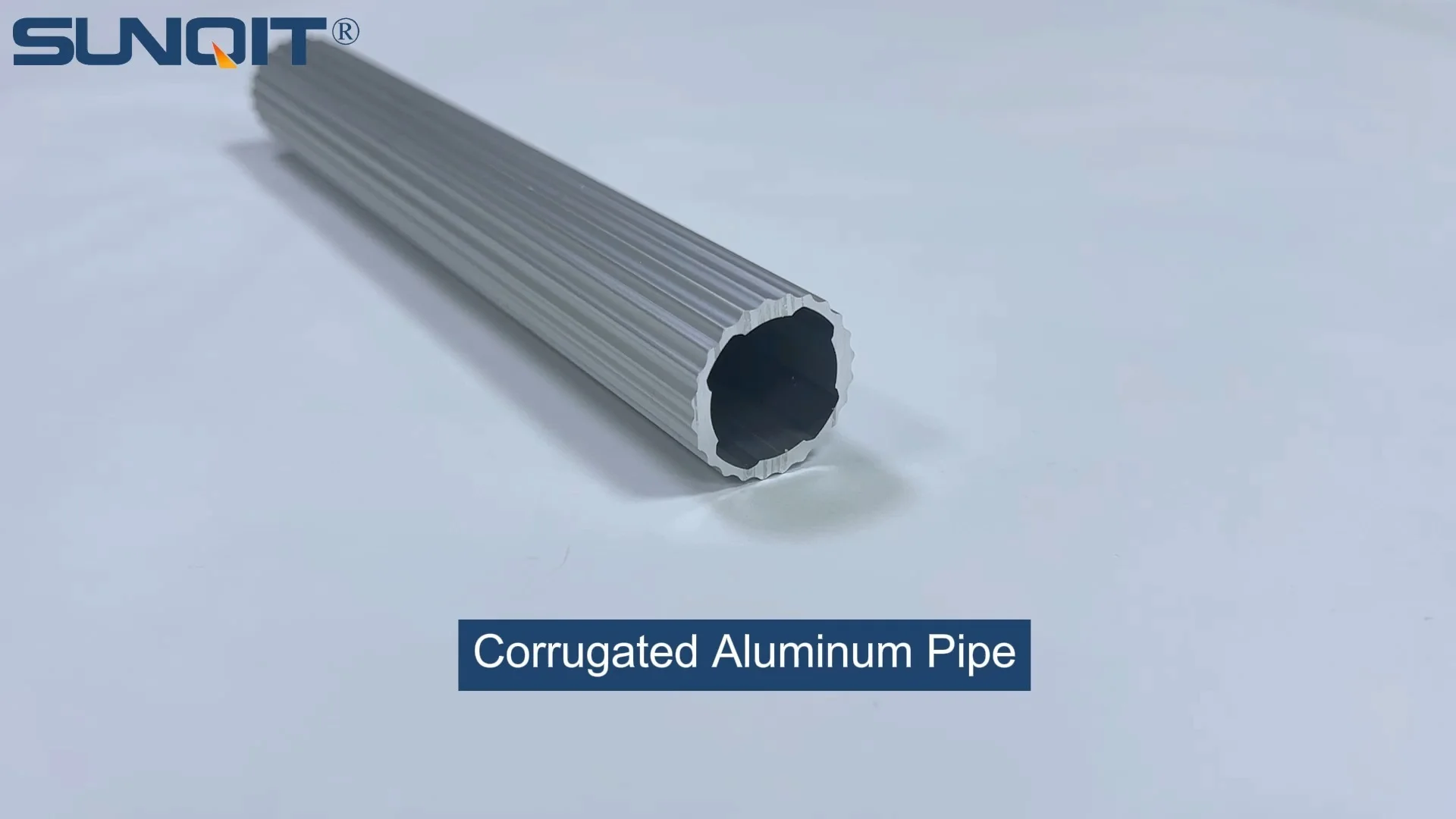
Corrugated Aluminum Pipe
Product Description The slot side is 10mm which can work with a T sliding block for connection accessories Quick Detail Product name Corrugated Aluminum pipe model GLT28-T-3010A Material Science 6005-T6 thickness 1.7mm surface treatment anodic oxidat
In the world of industrial manufacturing and logistics, every component plays a silent but critical role in keeping operations running smoothly. From the conveyor belts that move products across factories to the workbenches where assembly happens, durability isn't just a nice-to-have—it's the backbone of reliability. Among these unsung heroes is the corrugated aluminum pipe, a versatile and robust component used in everything from material handling systems to structural supports. But what makes this pipe so durable? How do we measure its ability to withstand the daily grind of industrial environments? In this article, we'll dive deep into the durability of corrugated aluminum pipe, exploring the testing methods that validate its strength, the performance data that proves its resilience, and why it has become a staple in lean manufacturing and beyond.
What Is Corrugated Aluminum Pipe?
Before we jump into durability, let's start with the basics: what exactly is corrugated aluminum pipe? Unlike smooth-walled pipes, corrugated aluminum pipe features a series of parallel ridges and grooves along its length. This wave-like design isn't just for aesthetics—it's engineered to enhance the pipe's structural integrity. Think of it like the ridges on a cardboard box: they add strength without adding excessive weight. For industrial use, this means the pipe can handle heavier loads, resist bending under stress, and absorb impacts better than its smooth counterparts.
Corrugated aluminum pipe is typically made from high-grade aluminum alloys, chosen for their lightweight properties and natural resistance to corrosion. Aluminum, by itself, is a soft metal, but when alloyed with elements like magnesium and silicon (common in 6000-series alloys), it becomes surprisingly strong—strong enough to compete with steel in many applications, but at a fraction of the weight. This combination of strength and lightness makes corrugated aluminum pipe ideal for situations where both durability and maneuverability matter, such as in temporary structures, conveyor guides, or adjustable workstations.
Materials and Manufacturing: The Foundation of Durability
Aluminum Alloys: The Right Mix for Strength
The durability of corrugated aluminum pipe starts with the material itself. Most industrial-grade corrugated aluminum pipes are made from 6061 or 6063 aluminum alloys, part of the 6000-series family known for their excellent extrudability and mechanical properties. 6061 aluminum, for example, contains magnesium and silicon, which form Mg2Si precipitates during heat treatment—these tiny particles act like reinforcements, boosting the alloy's tensile strength and hardness. 6063, on the other hand, has a slightly lower magnesium content, making it more malleable, which is useful for complex shapes like corrugations. Both alloys offer good corrosion resistance, a must for industrial environments where exposure to oils, chemicals, or moisture is common.
Aluminum Extrusion Profile: Shaping Strength
The process used to create corrugated aluminum pipe is just as important as the alloy itself: aluminum extrusion. Extrusion involves heating a billet of aluminum until it's malleable, then forcing it through a die with the desired cross-sectional shape—in this case, the corrugated pattern. This method ensures that the pipe's structure is uniform throughout, with no weak points or seams that could fail under stress. Unlike pipes made by rolling or welding, extruded corrugated aluminum pipe has a consistent grain structure, which enhances its strength and fatigue resistance over time.
The die design for corrugated pipes is particularly critical. Each ridge and groove must be precisely formed to ensure the pipe can distribute weight evenly and flex without cracking. Manufacturers often use computer-aided design (CAD) to optimize the corrugation pattern, balancing factors like load capacity, flexibility, and material usage. The result is a pipe that's not just strong, but also efficient—using the minimum amount of aluminum to achieve maximum durability.
Aluminum Profile Accessories: Completing the System
A pipe is only as good as the components that hold it together. That's where aluminum profile accessories come into play. These include brackets, connectors, end caps, and clamps designed specifically to work with extruded aluminum pipes. For corrugated aluminum pipe, accessories like 90-degree elbow joints or parallel fixation brackets ensure that the pipe can be integrated into larger systems—such as conveyor frames or material racks—without compromising its structural integrity. These accessories are often made from the same aluminum alloys as the pipe, ensuring compatibility and preventing galvanic corrosion (a common issue when dissimilar metals are joined).
Take, for example, the internal rotary aluminum joint, a type of accessory used to connect two pipes at an angle while allowing for limited rotation. This joint is designed to handle both the static load of the pipe and the dynamic stress of movement, such as when adjusting a workstation's height. By using high-strength aluminum and precision machining, these accessories ensure that the entire system—pipe and joints alike—can withstand repeated use without loosening or failing.

Durability Testing: Putting Corrugated Aluminum Pipe to the Test
Claims of durability are easy to make, but proving them requires rigorous testing. Manufacturers of corrugated aluminum pipe subject their products to a battery of tests designed to simulate real-world conditions, from heavy loads to harsh chemicals. Let's break down the key tests that determine just how tough these pipes really are.
Mechanical Strength Tests: How Much Can It Take?
Mechanical strength tests are all about measuring the pipe's ability to resist deformation or failure under physical stress. These tests mimic the kinds of forces the pipe might encounter in daily use, such as being bent during installation, supporting heavy equipment, or absorbing impacts from dropped tools.
Tensile Strength Testing: Tensile strength is the maximum amount of pulling force a material can withstand before breaking. For corrugated aluminum pipe, this test involves clamping a sample of the pipe at both ends and gradually pulling it apart until it fractures. The result is measured in megapascals (MPa), a unit of pressure. Most industrial corrugated aluminum pipes have a tensile strength of 200–300 MPa, which is more than enough to handle the static loads of typical material handling systems. For example, a 1-inch diameter corrugated aluminum pipe made from 6061-T6 alloy can often withstand over 2,000 pounds of tensile force before breaking—far more than it would ever encounter in a conveyor or workbench application.
Bending Resistance Testing: In many industrial setups, pipes are used in applications where they need to bend slightly without cracking—think of a conveyor guide that curves around a corner. Bending resistance tests measure how far the pipe can flex before permanent deformation occurs. A common method is the three-point bend test: the pipe is supported at both ends, and a force is applied to the center until it bends. The test records the "yield strength," or the point at which the pipe stops springing back to its original shape, and the "ultimate bending strength," where it actually cracks. Corrugated aluminum pipe typically has a yield strength of 150–250 MPa in bending, meaning it can flex significantly under load and still return to its original form.
Impact Resistance Testing: Accidents happen in factories—tools get dropped, pallets bump into structures, and equipment malfunctions. Impact resistance tests simulate these sudden, high-force events to see how the pipe holds up. One common test is the Charpy impact test, where a pendulum is swung at a notched sample of the pipe, and the energy absorbed during fracture is measured in joules (J). Corrugated aluminum pipe, thanks to its corrugated design, tends to absorb impact energy better than smooth pipes because the ridges act like crumple zones, dispersing the force across a larger area. A typical 6061-T6 corrugated pipe might absorb 20–30 J of energy before fracturing, which is more than enough to withstand most accidental impacts in a controlled industrial environment.
Environmental Resistance Tests: Fighting the Elements
Industrial environments aren't just physically demanding—they're also full of environmental threats like moisture, chemicals, and extreme temperatures. Environmental resistance tests ensure that corrugated aluminum pipe can stand up to these conditions over time.
Salt Spray Corrosion Testing: Corrosion is the enemy of metal components, especially in factories near coastal areas or where deicing salts are used. Salt spray testing (also known as the ASTM B117 test) exposes the pipe to a fine mist of saltwater for extended periods—usually 500, 1000, or even 2000 hours—to simulate marine or high-humidity environments. After exposure, the pipe is inspected for rust, pitting, or other signs of corrosion. Aluminum's natural oxide layer provides a built-in defense against corrosion, but when combined with the corrugated design (which reduces water pooling), corrugated aluminum pipe often passes 1000+ hours of salt spray testing with minimal damage. This makes it ideal for use in food processing plants, where moisture and sanitizing chemicals are common, or outdoor logistics yards.
Temperature Extremes Testing: From scorching summer warehouses to freezing cold storage facilities, corrugated aluminum pipe must perform across a wide temperature range. Temperature testing involves exposing the pipe to extreme heat (up to 120°C) and cold (-40°C) for cycles of several hours, then measuring changes in its mechanical properties. Aluminum alloys like 6061 are stable across most industrial temperature ranges, but the corrugated design helps prevent thermal expansion and contraction from causing warping. For example, after 100 cycles of heating and cooling, a corrugated aluminum pipe might show less than 0.1% change in length, ensuring it remains dimensionally stable in fluctuating environments.
UV Exposure Testing: For pipes used in outdoor applications—such as temporary shelters or outdoor conveyor systems—ultraviolet (UV) radiation from the sun can degrade materials over time. UV testing involves exposing the pipe to artificial sunlight (using a xenon arc lamp) for hundreds of hours, then checking for discoloration, brittleness, or loss of strength. Aluminum itself is highly resistant to UV damage, but if the pipe has a protective coating (like anodizing), this test ensures the coating doesn't crack or peel. Most corrugated aluminum pipes retain over 95% of their original strength after 1000 hours of UV exposure, making them suitable for long-term outdoor use.
Long-Term Fatigue Testing: Can It Keep Up Over Time?
Durability isn't just about withstanding one big impact—it's about holding up day after day, year after year. Fatigue testing measures how the pipe performs under repeated, cyclic loading, such as the vibrations from a running conveyor or the constant weight of products moving across a material rack. In these tests, the pipe is subjected to a fluctuating load (e.g., 500–1000 pounds) applied thousands or millions of times, and researchers monitor for cracks or failure.
Corrugated aluminum pipe excels here because its design distributes stress evenly across the ridges, reducing the risk of stress concentrations that can lead to fatigue cracks. A typical fatigue test might run for 1 million cycles at 70% of the pipe's ultimate tensile strength—if it survives without breaking, it's considered fatigue-resistant. Many corrugated aluminum pipes pass this test with ease, making them a reliable choice for high-cycle applications like automated assembly lines.
Performance Data: The Numbers Behind the Durability
All these tests generate a wealth of data, but what do the numbers actually mean for industrial users? Let's take a look at a sample performance data table for a standard 1-inch diameter corrugated aluminum pipe made from 6061-T6 alloy, commonly used in conveyor systems and material racks. This data is based on industry standards and typical test results from leading manufacturers.
| Test Type | Standard Method | Sample Specification | Result | Industrial Relevance |
|---|---|---|---|---|
| Tensile Strength | ASTM E8 | 1-inch diameter, 6061-T6 alloy | 290 MPa (42,000 psi) | Withstands static loads up to 2,500 lbs in conveyor supports |
| Bending Yield Strength | ASTM D790 | 3-foot length, supported at ends | 240 MPa (35,000 psi) | Flexes 15° under 500 lbs load without permanent deformation |
| Impact Resistance (Charpy) | ASTM E23 | Notched sample, -40°C | 25 J (18 ft-lbs) | Survives 10 ft drop of 50-lb tool without cracking |
| Salt Spray Corrosion | ASTM B117 | 5% NaCl solution, 35°C | No red rust after 1000 hours | Suitable for high-moisture environments (e.g., food processing) |
| Fatigue Life | ASTM E466 | 1 million cycles, 70% of ultimate strength | No failure observed | Reliable for 10+ years in high-cycle conveyor systems |
| Thermal Stability | ISO 1879 | -40°C to 120°C, 100 cycles | Length change: <0.1% | Maintains fit in temperature-fluctuating warehouses |
| UV Resistance | ASTM G154 | 1000 hours xenon arc exposure | No discoloration or loss of strength | Suitable for outdoor use in logistics yards |
As you can see, the numbers tell a clear story: this corrugated aluminum pipe is built to last. Its tensile strength of 290 MPa means it can support heavy loads without snapping; its 1000-hour salt spray resistance ensures it won't corrode in wet environments; and its fatigue life of 1 million cycles proves it can handle the repetitive stresses of industrial machinery. For manufacturers, these numbers translate to fewer replacements, less downtime, and lower maintenance costs over time.
Real-World Applications: Where Durability Matters Most
Data is powerful, but nothing illustrates durability like real-world use cases. Let's look at how corrugated aluminum pipe performs in some of the toughest industrial environments.
Conveyor Systems: The Backbone of Material Handling
Conveyor systems are the circulatory system of factories, moving products from one station to the next 24/7. The guides and supports that keep these conveyors aligned are often made from corrugated aluminum pipe. Why? Because they need to withstand the constant vibration of the conveyor, the weight of products (sometimes hundreds of pounds per minute), and occasional impacts from misaligned packages. A leading automotive manufacturer in Michigan, for example, replaced steel guides with corrugated aluminum pipe in their assembly line conveyors five years ago. Since then, they've reported a 60% reduction in guide failures and a 30% decrease in maintenance time—all because the aluminum pipe is lighter (easier to install and adjust), corrosion-resistant (no rust in the humid factory), and more flexible (absorbs shocks from metal parts without bending permanently).
Lean Manufacturing Workstations: Adaptable and Strong
Lean manufacturing relies on adaptability—workstations that can be reconfigured quickly to meet changing production needs. Corrugated aluminum pipe is a favorite here because it's easy to cut, connect, and modify using aluminum profile accessories like internal rotary joints and parallel brackets. A electronics assembly plant in California uses corrugated aluminum pipe to build modular workbenches that can be adjusted in height, width, and layout in minutes. The pipes support heavy tools, static-sensitive components (thanks to optional ESD coatings), and daily use by assembly line workers. After three years of constant reconfiguration and heavy use, the workstations show no signs of structural wear—no cracks in the pipes, no loosening of joints, and no corrosion, even with daily cleaning.
Outdoor Logistics Racks: Braving the Elements
Not all industrial components stay indoors. Outdoor logistics yards use racks and supports made from corrugated aluminum pipe to hold pallets, containers, and equipment. These racks face rain, snow, UV radiation, and temperature swings—yet corrugated aluminum pipe stands up to it all. A distribution center in Florida, which experiences high humidity and frequent rain, switched to corrugated aluminum pipe racks ten years ago. Today, the racks still look nearly new, with no rust or degradation, while the steel racks they replaced needed replacement every 3–5 years. The aluminum racks also weigh less, making them easier to install and reposition as storage needs change.
Comparing to Other Materials: Why Aluminum Beats Steel and Plastic
Corrugated aluminum pipe isn't the only option for industrial applications—so why choose it over steel or plastic? Let's break down the pros and cons:
Steel Pipes: Steel is strong, no doubt, but it's heavy. A steel pipe of the same diameter as corrugated aluminum can weigh 3–4 times as much, making installation and reconfiguration labor-intensive. Steel also rusts without constant painting or coating, which adds maintenance costs. In contrast, corrugated aluminum pipe is lightweight, corrosion-resistant, and requires no painting—saving time and money in the long run.
Plastic Pipes: Plastic is lightweight and corrosion-resistant, but it lacks the strength of aluminum. Under heavy loads or high temperatures, plastic pipes can bend or warp permanently. They also degrade over time when exposed to UV radiation, making them a poor choice for outdoor use. Corrugated aluminum pipe offers the best of both worlds: the strength to handle industrial loads and the weather resistance to last outdoors, without the brittleness of plastic.
Conclusion: Durability That Drives Reliability
In the end, the durability of corrugated aluminum pipe isn't just about passing tests in a lab—it's about proving itself day in and day out in the messy, unpredictable world of industrial operations. From the carefully chosen aluminum alloys to the corrugated design that enhances strength, from the rigorous testing that validates its performance to the real-world applications that rely on its resilience, this pipe has earned its reputation as a durable, reliable component.
For manufacturers and logistics managers, choosing corrugated aluminum pipe means investing in a component that won't let them down. It means fewer breakdowns, less downtime, and more time focusing on what really matters: producing quality products and keeping operations running smoothly. So the next time you walk through a factory or warehouse, take a closer look at the structures around you—chances are, there's a corrugated aluminum pipe hard at work, quietly proving that durability isn't just a specification. It's the foundation of industrial success.