- Company Articles
- Products and Technology
- Product knowledge
- The Environmental Benefits of Using Corrugated Aluminum Pipe in Factories

The Environmental Benefits of Using Corrugated Aluminum Pipe in Factories
Related Product
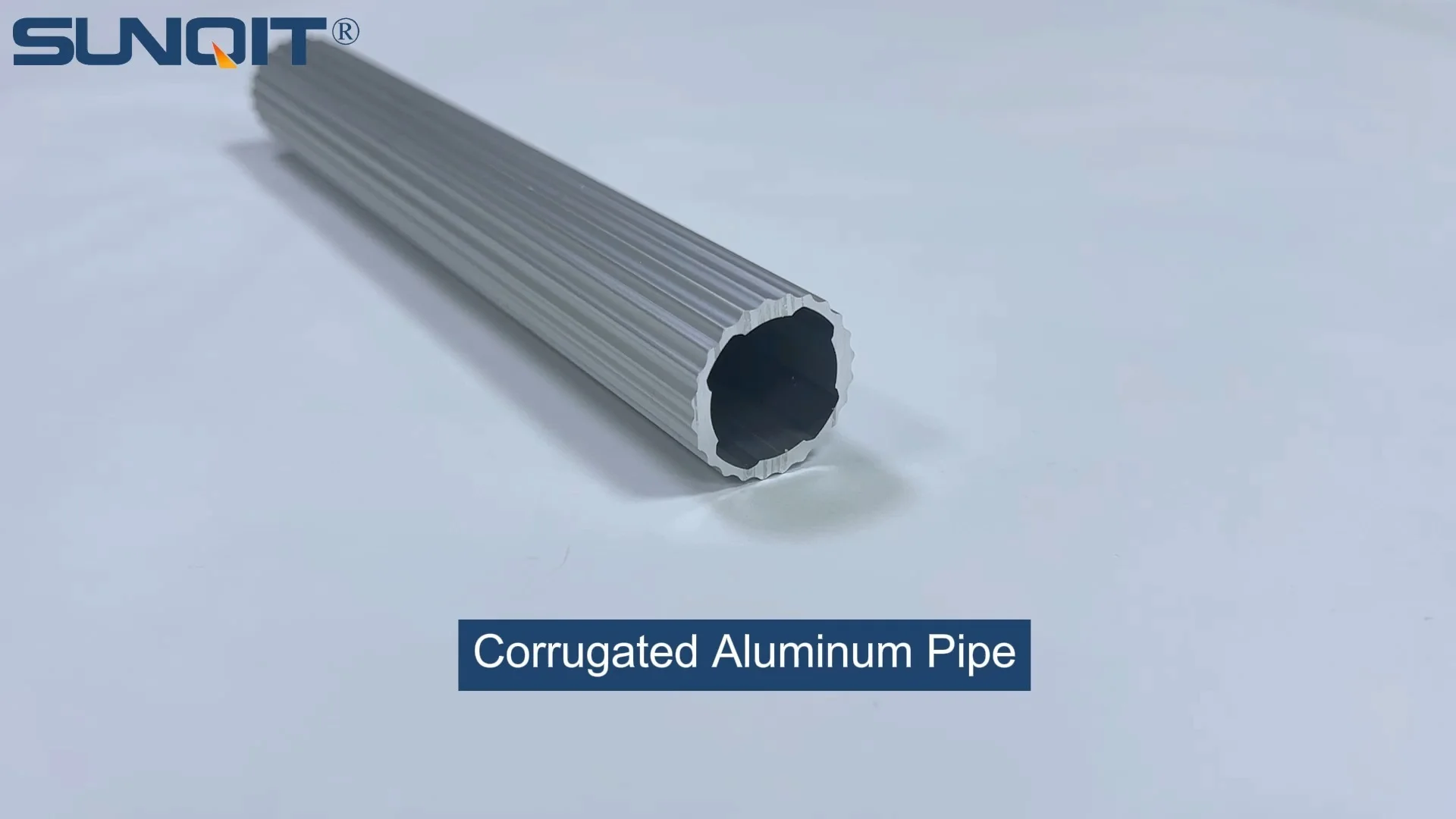
Corrugated Aluminum Pipe
Product Description The slot side is 10mm which can work with a T sliding block for connection accessories Quick Detail Product name Corrugated Aluminum pipe model GLT28-T-3010A Material Science 6005-T6 thickness 1.7mm surface treatment anodic oxidat
Walk through any modern factory, and you'll notice a quiet revolution unfolding. Beyond the hum of machinery and the rhythm of assembly lines, there's a growing focus on something equally critical: sustainability. Factories are no longer just about churning out products—they're about doing so in a way that respects the planet. From solar panels on rooftops to waste-reduction protocols, every detail matters. But one often-overlooked hero in this sustainability journey? The materials that form the backbone of factory infrastructure. Today, let's talk about corrugated aluminum pipe—a unassuming component that's making a big difference in how factories reduce their environmental footprint.
At first glance, a pipe might seem like a small piece of the puzzle. But when you consider how many pipes, racks, workbenches, and conveyance systems fill a factory—from material flow racks to assembly line rails—their cumulative impact adds up fast. Traditional materials like steel or plastic have long been the go-to, but they come with hidden environmental costs. Corrugated aluminum pipe, on the other hand, is emerging as a smarter, greener alternative. Let's dive into why this lightweight, durable material is becoming a staple for eco-conscious manufacturers.
1. Aluminum: The Ultimate Recyclable Material
Let's start with the basics: aluminum is a recycling superstar. Unlike materials that degrade or lose quality when recycled (looking at you, plastic), aluminum can be recycled repeatedly without losing an ounce of its strength or functionality. In fact, nearly 75% of all aluminum ever produced is still in use today. That's a staggering statistic—and it's a game-changer for factories looking to close the loop on waste.
When a factory chooses corrugated aluminum pipe, it's not just buying a product; it's investing in a material that can be repurposed at the end of its life. Imagine a scenario where a factory upgrades its production line. Instead of sending old steel pipes to a landfill (where they'll rust and take decades to break down) or plastic pipes that linger for centuries, aluminum pipes can be collected, melted down, and turned into new pipes, aluminum profile accessories, or even entirely different products—all with minimal energy loss. The Aluminum Association reports that recycling aluminum saves 95% of the energy needed to produce new aluminum from raw ore. That's the equivalent of taking 40 cars off the road for a year for every ton of aluminum recycled. For factories, this means choosing aluminum pipe isn't just a one-time eco-friendly decision; it's a commitment to a circular economy.
Why does this matter for factories? Mining bauxite (the ore used to make aluminum) is resource-intensive and can disrupt ecosystems. By prioritizing recycled aluminum, factories reduce the demand for new mining, lower greenhouse gas emissions, and cut down on the water and energy used in primary aluminum production. It's a small switch that ripples outward, easing pressure on the planet's finite resources.
2. Energy Efficiency Starts with Production
Sustainability isn't just about what happens to a material after use—it's about how it's made in the first place. When compared to traditional materials like steel or PVC, aluminum pipe has a much lower carbon footprint right from the start, thanks to the efficiency of the aluminum extrusion process.
Aluminum extrusion is the method used to create corrugated aluminum pipe and aluminum extrusion profile. Here's how it works: heated aluminum billets (solid blocks of aluminum) are pushed through a die, shaping them into the desired form—whether that's a corrugated pipe, a sleek aluminum profile, or even intricate aluminum profile accessories. This process is remarkably energy-efficient because aluminum has a low melting point (around 660°C, compared to steel's 1,538°C). Lower melting temperatures mean less energy is needed to heat the material, reducing the overall carbon emissions from production.
Let's put this in perspective. Producing a ton of steel emits roughly 1.8 tons of CO2, while producing the same amount of aluminum (using recycled content) emits just 0.2 tons. Even when using primary aluminum (newly mined), the emissions are lower than steel when you factor in aluminum's longevity and recyclability. For factories that source their aluminum pipe from suppliers using renewable energy (like hydroelectric power, common in aluminum production), the carbon footprint drops even further. It's a win-win: factories get a high-quality material, and the planet gets a break from excess emissions.
3. Durability: Less Waste, More Longevity
Sustainability isn't just about recycling—it's about reducing the need to replace things in the first place. Here's where corrugated aluminum pipe truly shines: it's built to last. Unlike steel, which can rust when exposed to moisture or chemicals, aluminum naturally forms a protective oxide layer that resists corrosion. This means it holds up in harsh factory environments—think humid warehouses, areas with chemical spills, or even outdoor loading docks—without needing constant maintenance.
What does this mean for the environment? Fewer replacements. Let's say a factory uses steel pipes for its material flow racks. Over time, those pipes rust, weaken, and need to be swapped out every 5-7 years. Each replacement means new materials, more energy for manufacturing and transportation, and old pipes that often end up in landfills. Now, compare that to aluminum pipe, which can last 15-20 years or more with minimal upkeep. That's decades of avoided waste. For a large factory with miles of piping and racks, the cumulative savings in materials and emissions are enormous.
And it's not just about corrosion. Aluminum's strength-to-weight ratio is impressive, too. Corrugated designs add extra rigidity without adding unnecessary weight, making the pipes resistant to bending or warping under heavy loads. This durability means factories can rely on their aluminum infrastructure for longer, reducing the "take-make-dispose" cycle that plagues so many industries.
4. Lightweight Design: Reducing Emissions from Transportation to Installation
Ever tried lifting a steel pipe? It's heavy work. Now imagine transporting a truckload of them. The weight of traditional materials like steel adds up quickly—and so do the emissions from moving them. Aluminum, by contrast, is 30% lighter than steel, and corrugated aluminum pipe takes this advantage even further by combining strength with minimal weight. This lightness isn't just easier on factory workers; it's a boon for the environment.
Let's break it down. When aluminum pipe is transported from the supplier to the factory, lighter loads mean trucks use less fuel. A single truck can carry more aluminum pipe than steel pipe, reducing the number of trips needed. Fewer trips = less diesel burned = lower CO2 emissions. Once on-site, installing aluminum pipe is faster and requires less heavy machinery. No need for cranes or forklifts for every section—workers can maneuver and assemble the pipes manually or with simple tools. This cuts down on the energy used during installation and reduces the risk of workplace injuries, too.
But the benefits don't stop there. Lightweight aluminum pipe also makes it easier to reconfigure factory layouts. In today's fast-paced manufacturing world, factories often need to adapt their lines to new products or processes. With aluminum, rearranging a flow rack or conveyor system is quicker and requires fewer resources than with steel. This flexibility supports another key sustainability principle: adaptability, which reduces the need for entirely new infrastructure when production needs change.
5. Supporting Lean Systems: Waste Reduction at the Core
Sustainability and lean manufacturing go hand in hand. Lean systems are all about minimizing waste—whether that's excess inventory, inefficient processes, or unnecessary materials. Corrugated aluminum pipe fits perfectly into this philosophy, making it a favorite among factories striving for both efficiency and eco-friendliness.
Lean system principles like "just-in-time" production and "continuous flow" rely on infrastructure that's flexible and easy to optimize. Aluminum pipe, with its modular design and compatibility with aluminum profile accessories, is ideal for this. Factories can quickly assemble custom workbenches, flow racks, or conveyor systems using standardized aluminum components, reducing the need for custom-made (and often wasteful) solutions. For example, using aluminum guide rails and roller track connectors, workers can design material flow paths that eliminate bottlenecks, ensuring products move smoothly without excess handling or storage. This not only cuts down on operational waste but also reduces the energy used in moving materials around the factory.
Another lean principle is "kaizen" or continuous improvement. Aluminum pipe's adaptability makes it easy to tweak systems over time. Maybe a section of a flow rack isn't working as efficiently? Swap out a few aluminum profile accessories or adjust the corrugated pipe layout—no need to tear everything down and start from scratch. This iterative approach means factories waste less material and energy on overhauls, keeping their operations both lean and green.
6. A Comparison: How Aluminum Pipe Stacks Up Against Traditional Materials
To really see the impact of corrugated aluminum pipe, let's put it head-to-head with two common alternatives: steel pipe and PVC plastic pipe. The table below breaks down their environmental performance across key categories:
| Environmental Factor | Steel Pipe | PVC Plastic Pipe | Corrugated Aluminum Pipe |
|---|---|---|---|
| Recyclability Rate | 60-70% (loses quality when recycled) | 5-10% (difficult to recycle; often downcycled) | 95%+ (recyclable infinitely without quality loss) |
| Energy to Produce (per ton) | 35-40 MWh (high emissions from mining/forging) | 8-10 MWh (made from fossil fuels; toxic byproducts) | 4-5 MWh (using recycled aluminum) |
| Typical Lifespan | 5-7 years (prone to rust) | 10-12 years (degrades in UV light/chemicals) | 15-20+ years (corrosion-resistant, durable) |
| Transport Emissions (per mile) | High (heavy; fewer pipes per truck) | Medium (lighter than steel but less durable) | Low (lightweight; more pipes per truck) |
| Maintenance Waste | High (needs painting/coating; frequent replacements) | Medium (prone to cracking; no corrosion but UV damage) | Low (no coatings needed; minimal replacements) |
The numbers speak for themselves. Aluminum pipe outperforms steel and PVC in nearly every environmental category, from recyclability to longevity. For factories serious about sustainability, this isn't just a choice—it's a no-brainer.
7. Real-World Impact: A Factory's Journey to Greener Infrastructure
Let's bring this all to life with a hypothetical example. Meet GreenTech Manufacturing, a mid-sized electronics factory that recently decided to overhaul its production lines. Like many factories, GreenTech had been using steel pipes for its flow racks, workbenches, and conveyor systems for years. But with pressure to reduce its carbon footprint and meet corporate sustainability goals, the team started researching alternatives. After consulting with an aluminum pipe supplier, they decided to switch to corrugated aluminum pipe and aluminum extrusion profile for their main assembly area.
The results were striking. Within the first year: - Recycling savings: Old steel pipes were recycled, and the new aluminum system is expected to be recyclable at the end of its life, closing the loop. - Transport emissions: Shipping the aluminum pipe generated 40% less CO2 than shipping the same amount of steel. - Installation energy: No need for heavy machinery reduced on-site energy use by 25% during setup. - Longevity projections: The aluminum system is expected to last 20 years, compared to 7 years for the old steel setup—avoiding two full replacements and tons of waste. - Lean improvements: The modular aluminum design made it easier to optimize workflow, reducing material waste by 15% and cutting production time by 10%.
GreenTech isn't an anomaly. Factories across industries—from automotive to pharmaceuticals—are seeing similar results. The key takeaway? Small changes in materials can lead to big environmental wins, especially when those materials align with broader sustainability and lean system goals.
Conclusion: Corrugated Aluminum Pipe—A Small Change with a Big Green Impact
In the grand scheme of factory sustainability, corrugated aluminum pipe might not grab headlines like solar arrays or electric vehicles. But as we've explored, its impact is undeniable. From its infinite recyclability to its energy-efficient production, durability, and lightweight design, aluminum pipe checks every box for eco-conscious manufacturers. It's a material that works with the planet, not against it.
For factories looking to reduce their environmental footprint, the message is clear: start with the basics. The pipes, racks, and workbenches that form the backbone of your operations are a perfect place to make a sustainable switch. By choosing corrugated aluminum pipe, you're not just investing in infrastructure—you're investing in a future where manufacturing and the environment thrive together.
So the next time you walk through a factory, take a closer look at those pipes. They might just be the unsung heroes of the sustainability revolution.