- Company Articles
- Products and Technology
- Product knowledge
- The Environmental Benefits of Using Duplex Aluminum Pipe Joints

The Environmental Benefits of Using Duplex Aluminum Pipe Joints
Related Product
Duplex Aluminum Pipe Joint
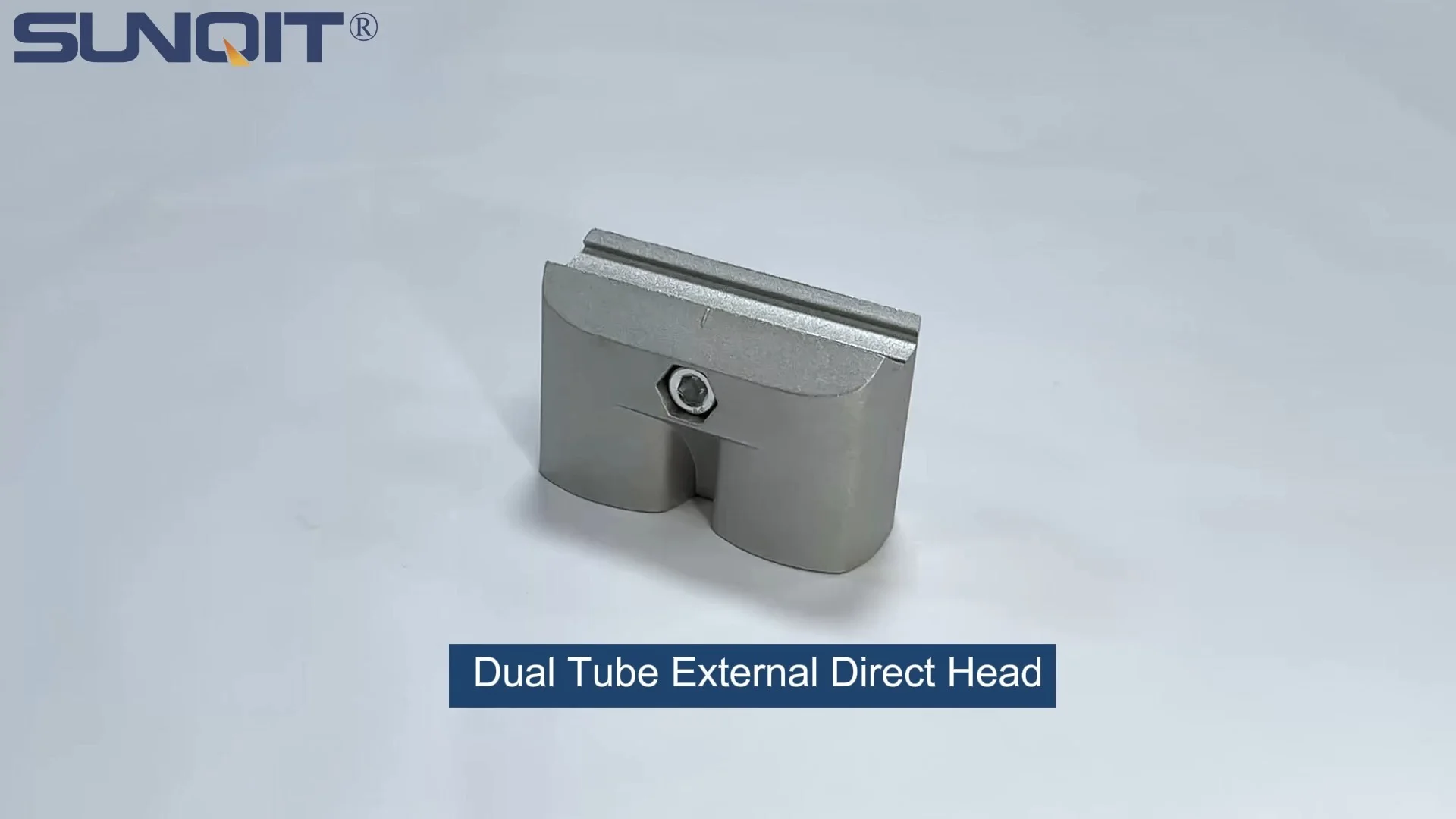
Duplex Aluminum pipe joint used for one pcs 28pcs aluminum pipe and one pcs of 28mm duplex pipe connection in straight angle.
What Are Duplex Aluminum Pipe Joints?
Before we explore their environmental perks, let's clarify what duplex aluminum pipe joints are. Simply put, they're connectors designed to link aluminum pipes—often part of aluminum extrusion profiles—to create modular structures like workbenches, flow racks, or turnover trolleys. What sets "duplex" joints apart is their dual functionality: they're engineered for strength and flexibility, allowing quick assembly, disassembly, and reconfiguration without welding or heavy tools. Think of them as the building blocks of a lean system, enabling teams to adapt workspaces on the fly as needs change. Paired with aluminum profile accessories like end caps, clamps, or guide rails, they form sturdy, customizable setups that grow with your operations. But their real magic? How they align with sustainability goals at every stage of their lifecycle.
Environmental Benefit 1: Infinite Recyclability, Zero Quality Loss
Aluminum is often called the "eternal material," and for good reason: it can be recycled infinitely without losing its structural integrity. Unlike plastic, which degrades after a few cycles, or steel, which may require energy-intensive reprocessing, aluminum retains 100% of its quality when melted down and reused. Duplex aluminum pipe joints, made entirely from aluminum, fit seamlessly into this cycle. When a workstation (say, a Workbench E with a single deck) reaches the end of its useful life, instead of ending up in a landfill, its duplex joints and aluminum pipes can be collected, melted, and transformed into new components—maybe even another set of joints or aluminum extrusion profiles. This closed-loop system drastically reduces the demand for virgin raw materials, which in turn cuts down on mining, refining, and the associated carbon emissions. For context, recycling aluminum uses just 5% of the energy required to produce it from bauxite ore. That's a 95% energy savings—an impact that adds up quickly for manufacturers scaling their operations.
Environmental Benefit 2: Durability That Reduces Waste
Sustainability isn't just about recycling—it's about reducing the need to replace things in the first place. Duplex aluminum pipe joints excel here, thanks to their inherent durability. Aluminum naturally resists corrosion, unlike steel (which often requires coatings that chip or wear off) or plastic (which can crack under heavy loads or UV exposure). In busy factories, where spills, humidity, or chemical exposure are common, this resistance means less degradation over time. A material rack B (with 3 rows and 3 floors) built with duplex joints and aluminum pipes might last 10–15 years, compared to 5–7 years for a steel or plastic-coated equivalent. Fewer replacements mean less waste: fewer discarded parts, less packaging for new materials, and fewer resources spent on manufacturing replacements. For example, a plant using 100 traditional steel racks might replace 20 each year; switching to duplex aluminum could cut that number to 5 or fewer, slashing annual waste by 75%.
Environmental Benefit 3: Lightweight Design Cuts Transportation Emissions
Aluminum is significantly lighter than steel—about one-third the weight per cubic meter. This might not seem like a big deal until you consider the logistics of moving materials. Whether transporting raw aluminum pipes from the supplier or shipping finished workbenches to a client, lighter loads mean lower fuel consumption. A truck carrying 200 steel pipe joints would emit roughly 30% more CO₂ than one carrying the same number of duplex aluminum joints. For manufacturers with global supply chains, this adds up to substantial carbon savings over time. Even within a facility, lighter components reduce the need for heavy machinery to move workbenches or trolleys, lowering on-site energy use. Imagine a team reconfiguring a production line: instead of using a forklift to move a steel workbench, two workers can easily lift an aluminum one with duplex joints. Less machinery use = less energy = fewer emissions.
Environmental Benefit 4: Energy-Efficient Production
Producing aluminum extrusion profiles and duplex joints is inherently less energy-intensive than manufacturing steel or plastic-coated lean pipes. Aluminum extrusion—where raw aluminum is pushed through a die to form specific shapes like pipes or profiles—uses electricity, but modern facilities often power this process with renewable energy sources. Steel production, by contrast, relies heavily on coal-fired furnaces, releasing far more greenhouse gases. Let's crunch the numbers: producing one ton of steel emits about 1.8 tons of CO₂, while producing one ton of aluminum (from recycled material) emits just 0.1 tons. Even primary aluminum production (from bauxite) emits 8 tons per ton, but since duplex joints are often made from recycled aluminum, their footprint is drastically lower. When you choose duplex aluminum pipe joints, you're supporting a production process that's already aligned with lower emissions—before the product even reaches your facility.How Do They Compare to Traditional Materials? A Closer Look
To truly grasp the impact, let's compare duplex aluminum pipe joints (paired with aluminum extrusion profiles) to two common alternatives: traditional steel pipe systems and plastic-coated lean pipes.| Material | Recyclability | Estimated Lifespan (in a factory setting) | CO₂ Emissions (per ton produced) | Weight (kg per meter of pipe) |
|---|---|---|---|---|
| Steel Pipe Joints | 70% recyclable (loses quality over cycles) | 5–7 years | 1.8 tons | 8–10 kg |
| Plastic-Coated Lean Pipe | 30% recyclable (plastic coating complicates recycling) | 3–5 years | 2.5 tons (plastic production + steel core) | 4–5 kg |
| Duplex Aluminum Pipe Joints + Aluminum Extrusion Profiles | 100% infinitely recyclable | 10–15 years | 0.1 tons (using recycled aluminum) | 2–3 kg |
Real-World Impact: A Case Study
Let's take a hypothetical but realistic example: a mid-sized electronics manufacturer with 500 workbenches, 200 material racks, and 50 conveyor systems. They currently use steel pipe joints and plastic-coated lean pipes. Switching to duplex aluminum pipe joints and aluminum extrusion profiles would:
– Cut annual waste by ~60% (fewer replacements).
– Reduce transportation emissions by 30% (lighter materials).
– Lower production-related CO₂ by 85% (using recycled aluminum).
Over 10 years, this could save an estimated 200 tons of CO₂—equivalent to taking 43 cars off the road for a year. Plus, the modularity of the aluminum system would let them reconfigure workspaces without buying new components, saving $50,000+ annually in equipment costs. Sustainability and profitability? It's a win-win.