- Company Articles
- Products and Technology
- Product knowledge
- The Environmental Impact of 40 Roller Track Placon Mount drop High: Eco-Friendly Features

The Environmental Impact of 40 Roller Track Placon Mount drop High: Eco-Friendly Features
Related Product
40 Roller Track Placon Mount drop High
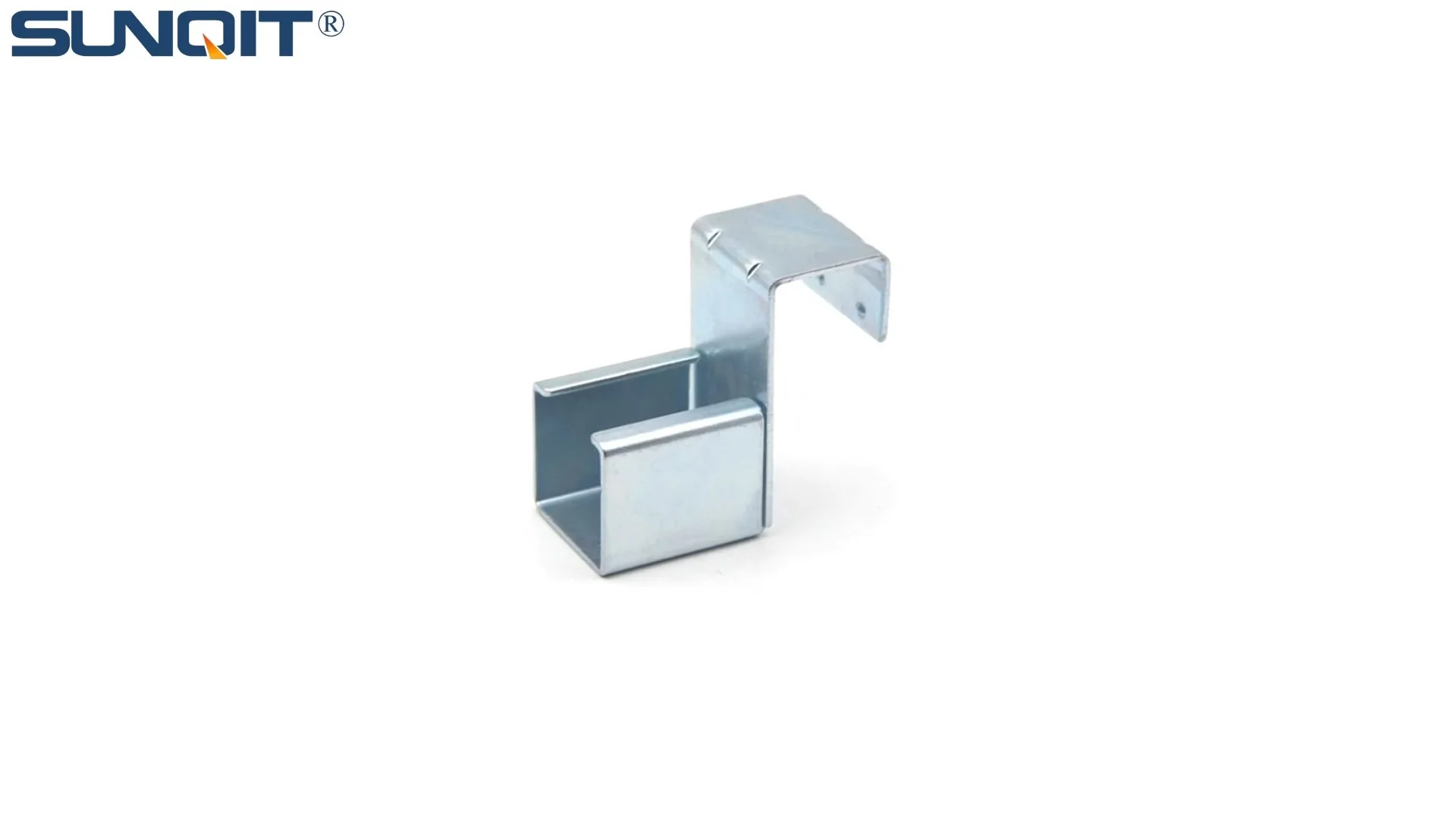
Roller track placon mount work as a connector for roller track and pipe or aluminum profile in rack syetem, it is a necessary parts in rack system which widely used in industrial plant and logistic,warehouse storage.
Walk into any modern manufacturing facility today, and you'll notice a quiet revolution unfolding—one that marries efficiency with environmental responsibility. As factories around the world grapple with stricter sustainability goals and the urgent need to reduce carbon footprints, the tools and systems they rely on are undergoing a green transformation. At the heart of this shift lies lean manufacturing, a philosophy that emphasizes "doing more with less" while minimizing waste. Among the innovations driving this change is the 40 Roller Track Placon Mount drop High, a seemingly unassuming component that packs a powerful environmental punch. Let's dive into how this piece of equipment is redefining eco-friendly production, one roller at a time.
What Is the 40 Roller Track Placon Mount drop High?
Before we explore its environmental benefits, let's get to know the star of the show. The 40 Roller Track Placon Mount drop High is a specialized conveyor component designed for material handling in manufacturing and warehousing. Think of it as a high-efficiency "transportation lane" for goods—whether it's moving circuit boards in a 3C assembly line, medical devices in a cleanroom, or packages in a logistics center. Its name hints at its design: "40" refers to its standard width, "Placon Mount" denotes its unique mounting system that simplifies installation, and "drop High" describes its height-adjustable feature, allowing seamless integration with other workflow elements like workbenches or shelving.
But what truly sets it apart isn't just its functionality—it's how it's built. Crafted with the principles of lean manufacturing in mind, this roller track embodies the idea that sustainability and performance can go hand in hand. Let's break down its eco-friendly features.
Eco-Friendly Feature #1: Aluminum Profile—The Recyclable Workhorse
At the core of the 40 Roller Track Placon Mount drop High is its use of high-grade aluminum profile. Unlike traditional roller tracks made from steel or plastic, aluminum brings a host of environmental advantages that start from the moment it's mined and extend long after the product's useful life.
Why Aluminum? The Numbers Speak for Themselves:
Aluminum is one of the most recyclable materials on the planet, with a recycling rate of over 95%—far higher than plastics (9%) or even steel (60%). What's more, recycling aluminum requires just 5% of the energy needed to produce new aluminum from raw bauxite ore. For context, making one ton of recycled aluminum saves 9 tons of CO2 emissions and 40 barrels of oil compared to primary production. That's a massive reduction in carbon footprint right out of the gate.
Aluminum is one of the most recyclable materials on the planet, with a recycling rate of over 95%—far higher than plastics (9%) or even steel (60%). What's more, recycling aluminum requires just 5% of the energy needed to produce new aluminum from raw bauxite ore. For context, making one ton of recycled aluminum saves 9 tons of CO2 emissions and 40 barrels of oil compared to primary production. That's a massive reduction in carbon footprint right out of the gate.
The 40 Roller Track's aluminum profile is also lightweight—about 30% lighter than steel—without sacrificing strength. This reduces fuel consumption during transportation from the factory to the client's facility. A typical shipment of 100 meters of roller track, for example, would weigh 40% less than a steel alternative, cutting truck emissions by nearly half for that delivery alone.
And let's not forget durability. Aluminum's natural resistance to corrosion means the roller track can withstand harsh factory environments—humidity, oils, even occasional spills—without rusting or degrading. This longevity translates to fewer replacements over time, reducing the demand for raw materials and the energy used in manufacturing new components.

Eco-Friendly Feature #2: Modular Design—Less Waste, More Adaptability
If aluminum is the "what" of this roller track's sustainability, modular design is the "how." The 40 Roller Track Placon Mount drop High is built using a system of interchangeable parts, including internal rotatary aluminum joints, standardized rollers, and placon mounts (the brackets that attach the track to frames). This isn't just about convenience—it's a masterclass in waste reduction.
Traditional roller tracks are often custom-welded or cut to fixed lengths, making them difficult to adjust if a factory reconfigures its layout. When production lines change (and in today's fast-paced manufacturing world, they often do), these rigid tracks end up in landfills because they can't be repurposed. The 40 Roller Track, however, is designed to evolve with your needs.
- No Welding, No Waste: Assembly requires no welding or specialized tools—just a hex key to tighten the internal rotatary aluminum joints. This means components can be easily taken apart and rearranged. Need a shorter track? Simply detach a section and reuse the excess elsewhere. A longer track? Add more modules. No cutting, no grinding, no scrap metal left behind.
- replace, Don't replace: If a roller wears out or a bracket bends, you don't have to replace the entire track. Just swap out the faulty part. This "repairability by design" drastically reduces the volume of waste generated compared to traditional systems, where a single damaged component often dooms the whole unit.
- Grow with Your Business: As a company scales, its material handling needs change. A small electronics manufacturer might start with a 5-meter track, then expand to 15 meters a year later. With modular design, that initial investment isn't wasted—it's built upon. This adaptability is why companies report using the same 40 Roller Track components for 10+ years, even as their operations grow.

Eco-Friendly Feature #3: Energy-Efficient Production—Lean Manufacturing in Action
Sustainability isn't just about the product itself—it's about how it's made. The 40 Roller Track Placon Mount drop High is produced using lean system principles, which prioritize minimizing waste in every step of the manufacturing process. From raw material sourcing to final assembly, the goal is to use fewer resources, emit less carbon, and create less scrap.
For example, the aluminum extrusion process (shaping the aluminum into the track's profile) is optimized using computer-aided design (CAD) to reduce material waste. Traditional extrusion might leave 15-20% of aluminum as scrap; here, that number is cut to under 5% by precisely calculating the length of each extrusion run. The scrap that is generated isn't discarded, either—it's collected, melted down, and recycled back into the production line, creating a closed-loop system.
The factory where the 40 Roller Track is made also runs on a lean energy mix, with solar panels covering 30% of its electricity needs and plans to reach 50% by 2026. LED lighting, energy-efficient machinery, and heat recovery systems further reduce the carbon footprint of each unit produced. Even the packaging is eco-conscious: components are shipped in recycled cardboard boxes with biodegradable padding, eliminating the need for single-use plastics.

How Does It Compare? A Look at Traditional vs. Sustainable Roller Tracks
To truly appreciate the 40 Roller Track's environmental impact, let's compare it to a conventional steel roller track of the same length (10 meters) over a 10-year lifecycle. The results are eye-opening:
| Metric | Traditional Steel Roller Track | 40 Roller Track Placon Mount drop High | Environmental Benefit |
|---|---|---|---|
| Material | Mild steel (recycling rate: 60%) | Aluminum profile (recycling rate: 95%) | 35% higher recycling rate; 95% of material reused at end-of-life |
| Production Energy Use | 1,800 kWh/ton | 900 kWh/ton (50% from recycled aluminum) | 50% reduction in energy consumption during manufacturing |
| Installation Waste | 15-20% scrap from cutting/welding | <1% waste (modular assembly) | 95% less waste generated during setup |
| Reusability | Low (fixed length; welded joints) | High (modular; reconfigurable) | Can be repurposed 3-4x over 10 years |
| Total CO2 Emissions (10-year lifecycle) | 850 kg CO2 | 220 kg CO2 | 74% reduction in carbon footprint |
These numbers tell a clear story: the 40 Roller Track Placon Mount drop High isn't just a "green alternative"—it's a game-changer for factories looking to meet sustainability targets without compromising on performance.
Real-World Impact: A 3C Assembly Plant's Success Story
Numbers are powerful, but real stories bring sustainability to life. Take the case of a leading 3C (computers, communications, consumer electronics) assembly plant in China that switched to the 40 Roller Track Placon Mount drop High in 2023. Prior to the upgrade, the plant used traditional steel roller tracks on its smartphone production line—a setup that was costing them both in efficiency and environmental impact.
The old steel tracks were heavy, prone to rust, and difficult to adjust. When the plant launched a new model smartphone, requiring a line reconfiguration, 80% of the existing tracks were too short or misaligned to reuse. They ended up in a landfill, and the plant had to purchase new tracks, generating 12 tons of CO2 emissions from manufacturing and transportation.
After installing the 40 Roller Track, everything changed. The modular design allowed the plant to reconfigure the line in just 8 hours (down from 3 days with steel tracks) by rearranging existing modules and adding a few new sections. No waste was generated, and the energy used for the reconfiguration dropped by 90%. A year later, when the plant expanded production, they reused 95% of the original roller track components, saving $20,000 in new equipment costs and avoiding 5 tons of CO2 emissions.
"We used to see roller tracks as 'disposable'—necessary but not built to last," said the plant's operations manager. "The 40 Roller Track feels like an investment. It's not just saving us money; it's helping us hit our sustainability goals ahead of schedule. Our team even nicknamed it 'the green track' because we know it's doing good for the planet, too."
Beyond the Track: A Holistic Lean Solution
The 40 Roller Track Placon Mount drop High is more than a standalone product—it's part of a larger lean solution designed to transform manufacturing into a more sustainable industry. The company behind it specializes in creating interconnected systems where every component—from lean pipe workbenches to conveyors—shares the same eco-friendly DNA: aluminum construction, modularity, and recyclability.
For example, a factory using the 40 Roller Track can pair it with an ESD workbench (static-free workstations critical for electronics manufacturing) made from the same aluminum profile. When the time comes to upgrade, both the track and the workbench can be disassembled, and their components repurposed into a new flow rack or conveyor system. This closed-loop approach ensures that materials stay in use for decades, not just years.
The company also offers custom lean solutions tailored to specific industries, from medical device manufacturing (where cleanliness and precision are paramount) to automotive production (where heavy loads and durability matter most). In each case, the focus remains on "reusable, sustainable, and continuously improvable" systems—proving that eco-friendly manufacturing isn't a one-size-fits-all solution but a flexible philosophy that adapts to your needs.
Conclusion: Small Components, Big Change
The 40 Roller Track Placon Mount drop High may seem like a small part of the manufacturing ecosystem, but its impact is anything but minor. By choosing aluminum over steel, modularity over rigidity, and lean production over wasteful processes, it proves that sustainability doesn't have to come at the cost of performance—in fact, it often enhances it.
In a world where manufacturers are under increasing pressure to reduce their carbon footprints, this roller track offers a simple yet powerful choice: invest in tools that grow with you, minimize waste, and leave the planet better than you found it. It's a reminder that every component, no matter how humble, has the potential to drive meaningful change.
So the next time you walk through a factory, take a closer look at the roller tracks moving products along the line. If they're made of aluminum, held together by internal rotatary joints, and designed to adapt—you're witnessing the future of manufacturing: one that's lean, efficient, and unapologetically green.