- Company Articles
- Products and Technology
- Product knowledge
- The Environmental Impact of Aluminum Pipe Adjustable Leveling Feet

The Environmental Impact of Aluminum Pipe Adjustable Leveling Feet
Related Product
Aluminum Pipe Adjustable Leveling Feet
Aluminum Pipe Adjustable Leveling Feet are designed to keep machines level when placed on uneven or sloped ground. Otherwise known as adjustable equipment feet, they are available to order in a wide variety of size and load capacity combinations.
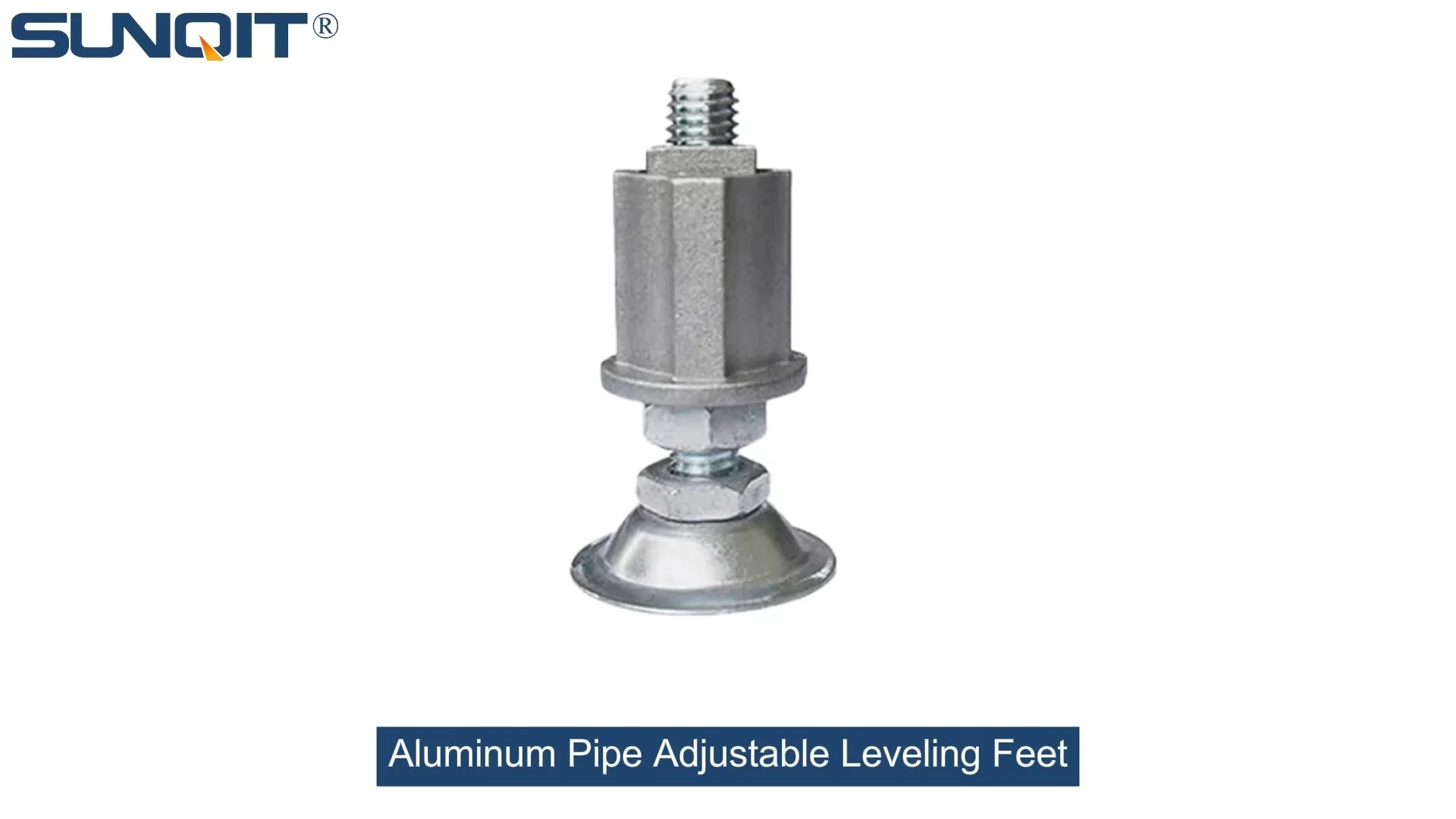
In the world of manufacturing and industrial design, it's often the smallest components that hold the biggest potential for sustainability. Take, for example, the aluminum pipe adjustable leveling feet—unassuming parts that quietly ensure stability for workbenches, conveyors, and material racks. Yet, beyond their functional role in keeping equipment level and aligned, these components tell a larger story about how material choices and design decisions can shape our environmental footprint. Let's dive into why these unheralded heroes matter, and how they embody the principles of eco-conscious engineering.
Aluminum: A Material with Built-In Sustainability
To understand the environmental impact of aluminum pipe adjustable leveling feet, we first need to look at the star of the show: aluminum itself. Unlike many metals, aluminum comes with a sustainability resume that's hard to beat. For starters, it's 100% recyclable—and not just "sort of recyclable," but infinitely recyclable. That means the aluminum in a leveling foot today could, in theory, be melted down and turned into a new leveling foot (or a soda can, or a bicycle frame) tomorrow, with no loss in quality. Compare that to plastics, which degrade with each recycling cycle, or even steel, which loses some structural integrity after multiple reprocesses, and aluminum's advantage becomes clear.
But recyclability is just one part of the story. Aluminum is also surprisingly energy-efficient—especially when recycled. Producing aluminum from raw bauxite ore is energy-intensive, but recycling scrap aluminum uses just 5% of the energy required to make new aluminum from ore. The Aluminum Association estimates that this energy savings translates to avoiding roughly 95% of the greenhouse gas emissions associated with primary production. For context, recycling a single ton of aluminum saves about 14,000 kWh of electricity—enough to power the average U.S. home for over a year. When you consider that 75% of all aluminum ever produced is still in use today, it's easy to see why this metal is a cornerstone of the circular economy.
From Ore to Foot: The Manufacturing Journey
The journey of an aluminum pipe adjustable leveling foot begins long before it's bolted to a workbench. It starts with bauxite mining, a process that, while resource-intensive, has become more responsible in recent decades thanks to stricter environmental regulations and land restoration efforts. Once mined, bauxite is refined into alumina, then smelted into pure aluminum through electrolysis—a step that historically required massive amounts of electricity but is increasingly powered by renewable sources like hydroelectric and solar energy in modern smelters.
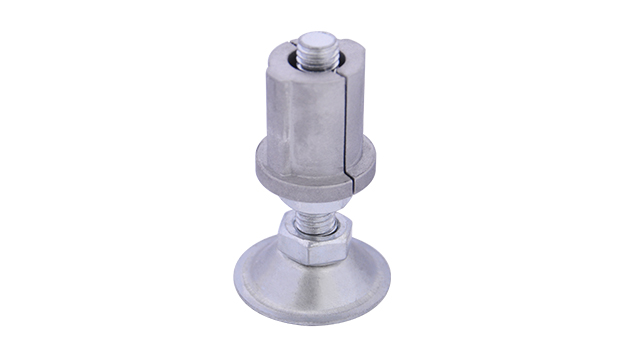
The next phase is where the magic happens for components like leveling feet: aluminum extrusion profile . Extrusion is a manufacturing process that pushes heated aluminum billets through a die, shaping them into long, uniform profiles—think pipes, rods, or custom cross-sections. This method is inherently efficient: it produces minimal waste, as the extrusion process cuts down on the need for excessive machining, and the resulting profiles are strong yet lightweight. For aluminum pipe adjustable leveling feet, extrusion creates the sturdy, hollow pipe that forms the foot's core, ensuring it can support heavy loads without unnecessary bulk.
After extrusion, the pipe is cut to size and machined to add threads (for adjustability) and mounting points. Here, precision is key—not just for functionality, but for sustainability. Modern CNC machines minimize material waste by optimizing cuts, and many manufacturers now recycle the aluminum shavings and scraps generated during this step, feeding them back into the production cycle. Finally, the leveling foot is assembled with aluminum pipe accessories like rubber pads (for grip) or locking nuts (to secure the adjusted height), creating a finished component ready to stabilize everything from assembly line workbenches to warehouse shelving.
How Do Aluminum Leveling Feet Stack Up Against Alternatives?
To truly grasp the environmental impact of aluminum pipe adjustable leveling feet, it helps to compare them to common alternatives: steel and plastic. Let's break down the key factors—recyclability, energy use, durability, and end-of-life—side by side.
| Environmental Factor | Aluminum | Steel | Plastic (e.g., PVC) |
|---|---|---|---|
| Recyclability Rate | 100% (infinite cycles) | 90% (loses quality over cycles) | 5-10% (limited cycles, often downcycled) |
| Energy Use (Production) | Low (5% of primary production for recycling) | Moderate (recycling saves ~70% energy vs. primary) | High (fossil fuel-intensive; little recycling energy savings) |
| Carbon Footprint (kg CO₂e/kg) | 2.5 (recycled) / 16 (primary) | 1.8 (recycled) / 7.5 (primary) | 3.5-6.0 (varies by type) |
| Durability (Average Lifespan) | 15-20+ years (resists corrosion) | 10-15 years (prone to rust without coating) | 5-8 years (degrades in UV light/chemicals) |
| End-of-Life Options | Recycled into new aluminum products | Recycled into lower-grade steel | Mostly landfilled; limited recycling |
The table tells a clear story: aluminum, especially when recycled, outperforms steel and plastic in nearly every environmental category. Its infinite recyclability means it rarely ends up in landfills, while its durability ensures it doesn't need frequent replacement—reducing the demand for new materials. Even when compared to recycled steel, aluminum's lower carbon footprint and longer lifespan make it a more sustainable choice for long-term use in industrial settings.

Supporting Lean Systems: Efficiency Meets Sustainability
Aluminum pipe adjustable leveling feet aren't just good for the planet—they're also a natural fit for lean system principles. Lean manufacturing focuses on minimizing waste, maximizing efficiency, and creating value for customers. By design, aluminum leveling feet align with these goals in several ways:
- Reduced downtime: Adjustable feet ensure equipment stays level, preventing jams in conveyors, wobbles in workbenches, or misalignments in assembly lines. This reduces costly downtime and the need for frequent repairs—both of which save energy and resources.
- Adaptability: As production needs change, aluminum feet can be adjusted to fit new layouts or heavier loads, extending the life of workbenches and racks. Instead of replacing entire systems, manufacturers can simply tweak the feet, cutting down on waste.
- Lightweight design: Aluminum's strength-to-weight ratio means leveling feet are easy to install and reposition, reducing the labor and energy required to move or reconfigure equipment.
In a lean system, every component is evaluated for its contribution to waste reduction. Aluminum pipe adjustable leveling feet pass this test with flying colors, proving that sustainability and efficiency can go hand in hand.

The Lifecycle: From Factory Floor to Recycling Bin
To fully measure the environmental impact of aluminum leveling feet, we need to look at their entire lifecycle—from production to disposal. Let's walk through it:
1. Production: Low-Impact Manufacturing
As we covered earlier, extrusion and precision machining minimize waste, and recycling scrap aluminum cuts energy use by 95%. Many manufacturers now source aluminum from recycled content (some use 100% recycled aluminum), further reducing the carbon footprint of production.
2. Use Phase: Longevity Saves Resources
Aluminum's resistance to corrosion (especially when anodized or coated) means leveling feet can last 15-20 years in industrial environments. Compare that to plastic feet, which might crack or degrade in 5-8 years, or uncoated steel feet, which rust and weaken over time. Fewer replacements mean less material extraction, manufacturing, and transportation—all of which lower overall emissions.
3. End-of-Life: Closing the Loop
When an aluminum leveling foot finally reaches the end of its life (a rarity, given its durability), it doesn't become waste. Most industrial recycling programs accept aluminum components, and the feet can be melted down and reused with minimal energy input. Even the rubber pads or plastic accessories can often be separated and recycled or disposed of responsibly, leaving the aluminum itself to start a new lifecycle.
Looking Ahead: Innovations in Sustainable Aluminum Design
The future of aluminum pipe adjustable leveling feet is bright, with manufacturers constantly finding ways to boost their environmental performance. One trend is the development of lighter, stronger aluminum alloys that use less material without sacrificing durability. Another is the integration of recycled content into extrusion processes—some suppliers now offer feet made from 100% post-consumer aluminum, further closing the loop.
There's also a push to design feet with easier disassembly in mind, making it simpler to separate aluminum from accessories like rubber pads or steel bolts at the end of life. This "design for recycling" approach ensures more of the component can be reused, reducing waste even further.
Small Component, Big Impact
Aluminum pipe adjustable leveling feet may not grab headlines, but their environmental impact is undeniable. By choosing aluminum—with its recyclability, durability, and energy efficiency—manufacturers are making a statement: sustainability doesn't have to be a grand gesture. Sometimes, it's the smallest parts that make the biggest difference.
As we continue to build a more sustainable future, let's not overlook the components that hold our world together—literally. After all, a level workbench isn't just good for productivity; when it's supported by aluminum feet, it's good for the planet, too.