- Company Articles
- Products and Technology
- Product knowledge
- The Future of 38 Aluminum Roller Track Yellow: Innovations in Material Handling

The Future of 38 Aluminum Roller Track Yellow: Innovations in Material Handling
Related Product
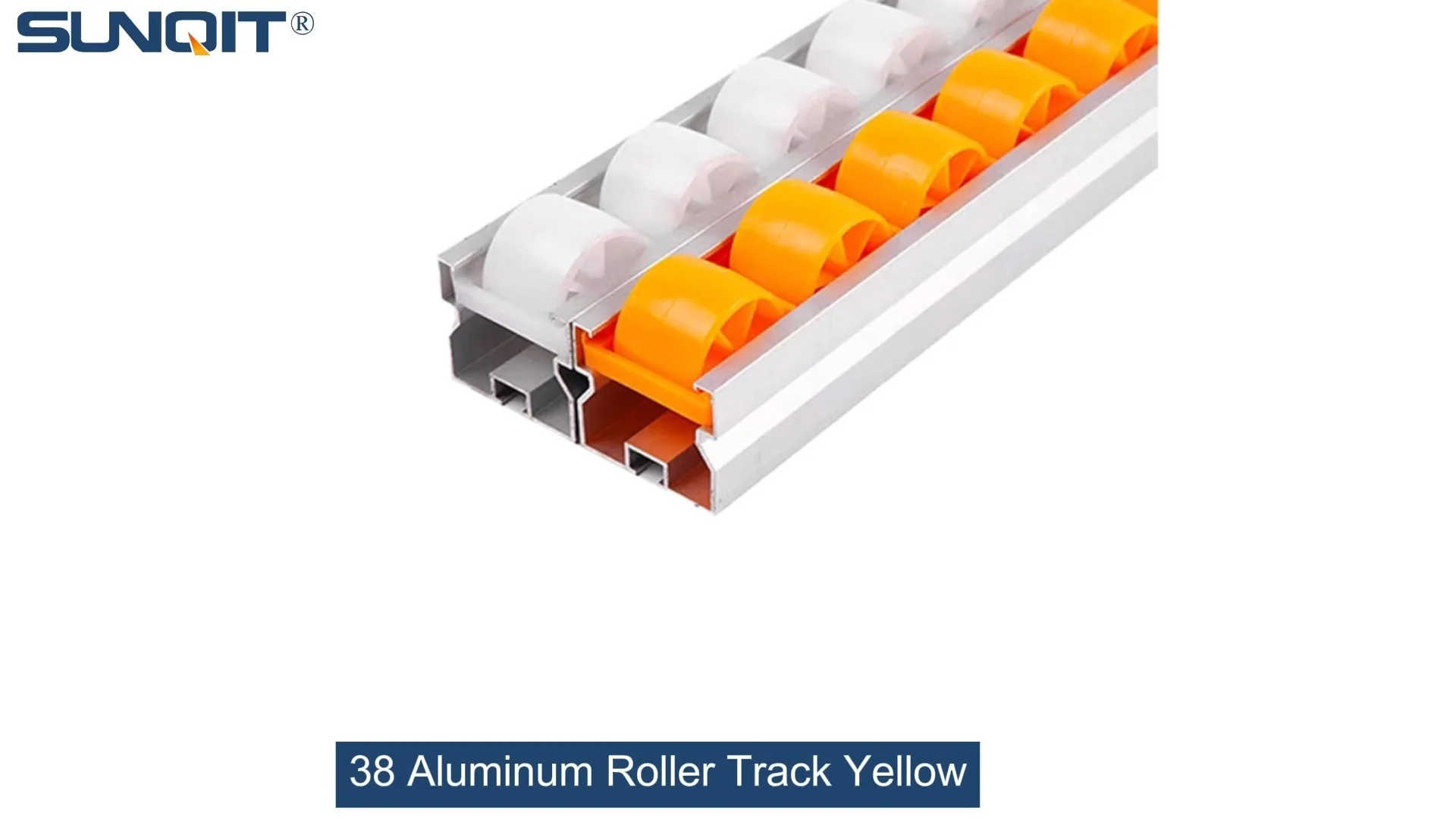
38 Aluminum Roller Track Yellow
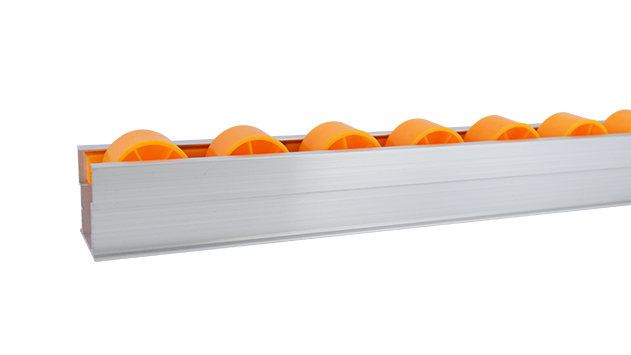
Durable and smooth-running modular roller rails. The system is fully assembled. The roller rail profile contains plastic rollers mounted on steel axles. Aluminum frame with plastic wheel make it anti corrosion,and material convey more smooth.
Walk into any busy manufacturing plant—whether it's a 3C assembly line churning out smartphones or a medical device facility crafting sterile equipment—and you'll spot a quiet workhorse keeping operations moving: the 38 aluminum roller track yellow. This unassuming piece of material handling equipment isn't just a line on a production floor; it's a cornerstone of modern lean manufacturing, bridging the gap between rigid traditional systems and the flexible, waste-free lines of tomorrow. But what makes this track so special? And how is it evolving to meet the demands of the next generation of manufacturing? Let's dive deep into its world.
What Makes 38 Aluminum Roller Track Yellow Stand Out?
At first glance, the 38 aluminum roller track yellow might look like any other roller track—but a closer look reveals its unique strengths. Let's start with the material: it's made from high-grade aluminum extrusion profile, which gives it a perfect balance of lightweight design and durability. Unlike steel tracks that require heavy machinery to install and reconfigure, this aluminum track can be handled by two people and adjusted with basic tools, saving time and labor costs.
The bright yellow color isn't just for aesthetics—it's a safety feature. In busy production environments where workers are focused on their tasks, the yellow track stands out, reducing the risk of trips or collisions. This is especially critical in industries like automotive manufacturing, where heavy parts and fast-moving lines leave little room for error.
Another key advantage is its modularity. The track is designed to work seamlessly with a range of roller track accessories, including plastic guide rails (both yellow and grey), end supports with stops, and roller track connectors. This means you can customize it to fit any space: whether you need a straight line to feed parts to a workstation, a curved section to navigate around obstacles, or a multi-level system to maximize vertical space. For example, adding plastic roller track guide rails to the edges keeps small parts from falling off, while end supports with wheels make it easy to move the track if your production layout changes.
Corrosion resistance is another big plus. Aluminum doesn't rust, so this track is ideal for humid environments like food processing plants or clean rooms in medical facilities. Unlike steel tracks that need regular painting or coating to prevent rust, the 38 aluminum roller track yellow maintains its integrity over time, reducing maintenance costs and downtime.
Integration with Lean Systems: A Perfect Match
Lean manufacturing is all about eliminating waste—whether it's excess inventory, unnecessary movement, or rigid lines that can't adapt to change. The 38 aluminum roller track yellow fits perfectly into this philosophy, and here's how:
First, it enables smooth flow. When paired with flow racks, the track creates a first-in-first-out (FIFO) system. This means the oldest parts are used first, reducing waste from expired or obsolete components. For example, a 3C factory using flow racks with this track can ensure that components like smartphone screens are used in the order they arrive, preventing damage from long-term storage.
Second, it's part of flexible conveyor systems. The track can be integrated into a conveyor setup to move parts between workstations without manual lifting. This reduces worker fatigue and speeds up production. A car manufacturer might use this track in their lean system to move engine parts from the machining area to the assembly line, ensuring a steady supply of components without bottlenecks.
Third, it supports custom lean solutions. For industries like 3C assembly or medical device manufacturing, where production lines change frequently, this track's reusability is a game-changer. When a new product is launched, the track can be disassembled and reassembled into a new layout in hours, not days. This aligns with the lean principle of continuous improvement—you can tweak your line as you learn, without investing in new equipment every time.
Case Study: 3C Factory's Lean Transformation
A leading 3C manufacturer was struggling with rigid steel tracks that took weeks to reconfigure when launching new smartphone models. They switched to the 38 aluminum roller track yellow, paired with ESD workstations to prevent static damage to sensitive components. The result? Reconfiguration time dropped by 60%, and static-related defects decreased by 45%. The track's modularity also allowed them to add new sections quickly when demand spiked, keeping production on track.
Real-World Applications Across Industries
The 38 aluminum roller track yellow isn't limited to one industry—it's used across a wide range of manufacturing sectors. Let's take a look at three key industries where it's making a difference:
1. 3C Assembly
3C assembly lines (computers, communication, consumer electronics) handle sensitive components like microchips and circuit boards. The 38 aluminum roller track yellow, when paired with ESD workstations, ensures these parts move safely without static damage. Its modular design means lines can be reconfigured quickly when new products are launched—critical in an industry where product cycles are measured in months, not years. For example, a smartphone manufacturer can adjust their line from assembling a budget model to a flagship device in a single shift, thanks to this track's flexibility.
2. Medical Device Manufacturing
Cleanliness and durability are non-negotiable in medical device manufacturing. The 38 aluminum roller track yellow's corrosion resistance and easy-to-clean surface make it ideal for this sector. It's used to move sterile components between sterilization and assembly stations, ensuring no contamination. A medical equipment maker specializing in surgical tools uses this track in their lean system to maintain strict hygiene standards while keeping production efficient.
3. Automotive Manufacturing
Automotive plants handle heavy parts like engine blocks and door panels. The 38 aluminum roller track yellow's load capacity (up to 50 kg per meter) is more than enough to handle these components. Its reusability is also a big plus—when the production line for a particular car model ends, the track can be disassembled and reassembled for a new model, reducing waste and saving costs. For example, a car manufacturer used this track to build a flexible line for their electric vehicle division, which could be adjusted as they refined their EV designs.

Innovations Shaping the Future of 38 Aluminum Roller Track Yellow
The 38 aluminum roller track yellow is already a top choice for manufacturers—but what's next? Let's look at the innovations that are set to take it to the next level:
1. IoT Integration
The future of manufacturing is smart, and this track is no exception. Soon, we'll see 38 aluminum roller track yellow systems equipped with IoT sensors that monitor flow rates, detect jams, and send real-time data to a central dashboard. For example, if a jam occurs, the sensor will alert the nearest worker via a mobile app, allowing them to fix it before it affects the entire line. This reduces downtime and improves overall efficiency.
2. Enhanced ESD Protection
As 3C devices become more sensitive, the need for static protection grows. Future versions of this track will include built-in ESD features, eliminating the need for separate ESD workstations in some cases. This will make it even easier for manufacturers to protect their sensitive components while keeping production lines flexible.
3. Sustainable Materials
Sustainability is a key trend in manufacturing, and the 38 aluminum roller track yellow is already ahead of the curve. Future versions will use even more recycled aluminum, reducing the carbon footprint of production. Additionally, the track's reusability means less waste in landfills—aligning with the circular economy principles that many manufacturers are adopting.
4. Advanced Modularity
The next generation of this track will offer even more modular options, including quick-connect joints that allow for tool-free assembly. This will make it even easier to reconfigure lines, saving time and labor. For example, a manufacturer could adjust their line in minutes to accommodate a new product, without waiting for maintenance teams to arrive.

Comparing 38 Aluminum Roller Track Yellow to Alternatives
| Feature | 38 Aluminum Roller Track Yellow | Steel Roller Track | Plastic Roller Track |
|---|---|---|---|
| Material | Recycled aluminum extrusion profile | Carbon steel | Polypropylene (PP) |
| Weight per Meter | ~1.2 kg | ~3.5 kg | ~0.8 kg |
| Load Capacity per Meter | Up to 50 kg | Up to 100 kg | Up to 20 kg |
| Corrosion Resistance | Excellent (no rust) | Poor (needs coating) | Good (prone to scratches) |
| Modularity & Flexibility | High (tool-free adjustments) | Low (rigid, hard to reconfigure) | Medium (fragile if bent) |
| Safety Visibility | High (bright yellow) | Low (grey/black) | Medium (varies by color) |
| Maintenance Cost | Low (no rust, easy cleaning) | High (painting, rust removal) | Medium (replace scratched parts) |
| Sustainability | High (recyclable, reusable) | Medium (recyclable but heavy) | Low (not easily recyclable) |
| Best Use Cases | 3C, medical, automotive, lean systems | Heavy-duty manufacturing (steel, mining) | Lightweight applications (packaging, small parts) |
Choosing the Right Supplier & Wholesale Considerations
If you're considering the 38 aluminum roller track yellow for your manufacturing line, choosing the right supplier is critical. Here are some key factors to look for:
First, check for customization ability. A good supplier should offer custom lengths, angles, and configurations to fit your specific needs. For example, if you need a track that curves at 45 degrees or has a specific load capacity, the supplier should be able to deliver that.
Second, look for quality certifications. ISO 9001 certification is a good indicator that the supplier follows strict quality control processes. This ensures that every track you receive meets the same high standards, reducing the risk of defects or failures.
Third, consider wholesale options. If you're a large manufacturer or a distributor, buying in bulk can save you money. Reputable suppliers offer wholesale discounts for large orders, and some even include free shipping or technical support as part of their wholesale packages. For example, a lean pipe wholesale order might include not just the track but also all the necessary accessories, making it easy to get everything you need in one shipment.
Finally, ask about after-sales support. A good supplier should offer guidance on installation, troubleshooting, and maintenance. This is especially important if you're new to lean systems or modular material handling—having a support team to turn to can save you time and frustration.
Conclusion: The Future is Bright for 38 Aluminum Roller Track Yellow
The 38 aluminum roller track yellow is more than just a material handling tool—it's a key enabler of modern lean manufacturing. Its lightweight design, modularity, and durability make it ideal for a wide range of industries, from 3C assembly to medical device manufacturing. As innovations like IoT integration and enhanced ESD protection become mainstream, this track will continue to evolve, helping manufacturers stay competitive in an ever-changing market.
Whether you're looking to improve flow in your production line, reduce waste, or adapt to new product launches, the 38 aluminum roller track yellow is a smart choice. Its future is bright, and it's set to remain a cornerstone of material handling for years to come.