- Company Articles
- Products and Technology
- Technology Sharing
- The Future of Aluminum Pipe Clamps: Innovations in Lean Manufacturing

The Future of Aluminum Pipe Clamps: Innovations in Lean Manufacturing
Related Product
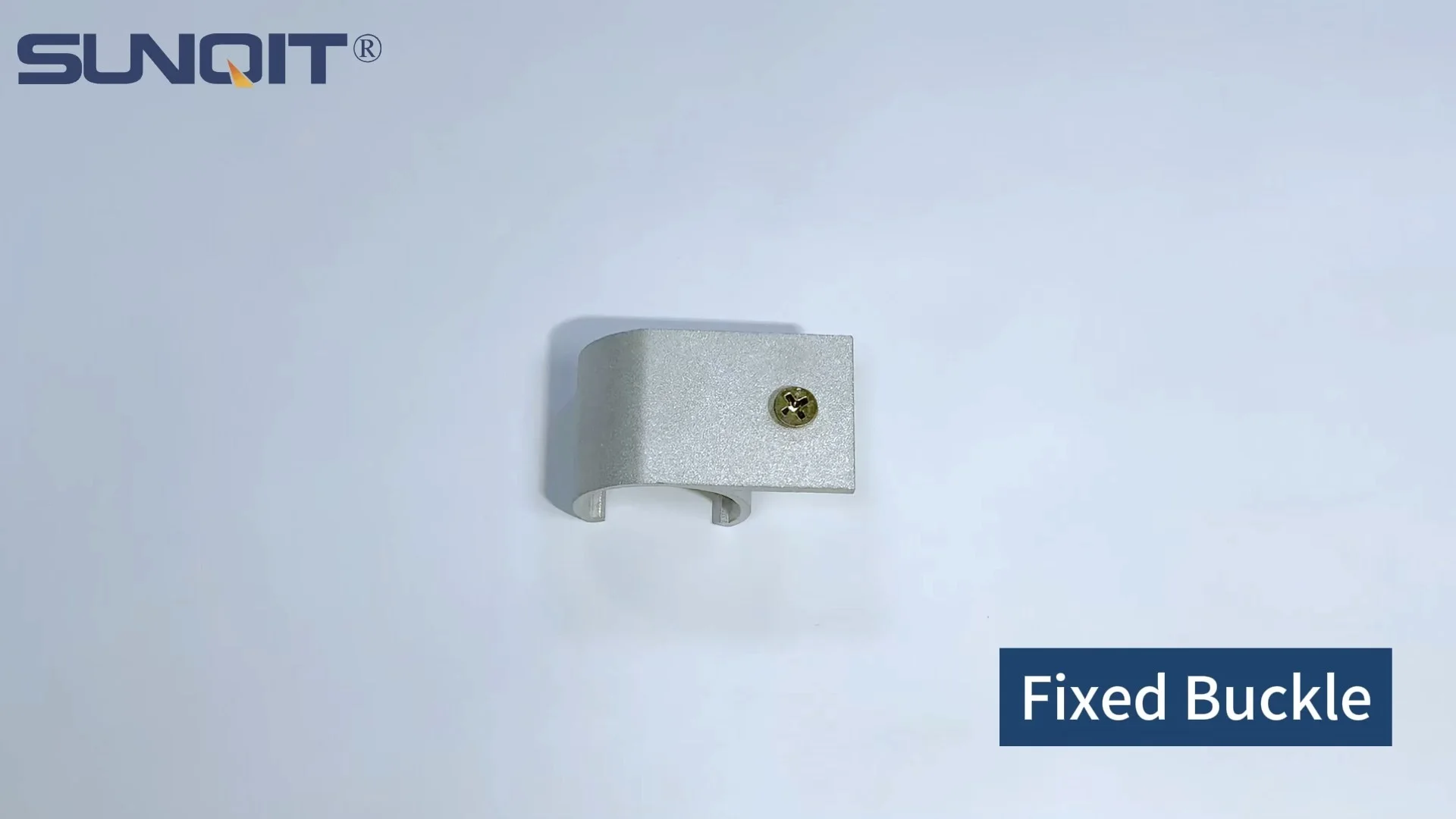
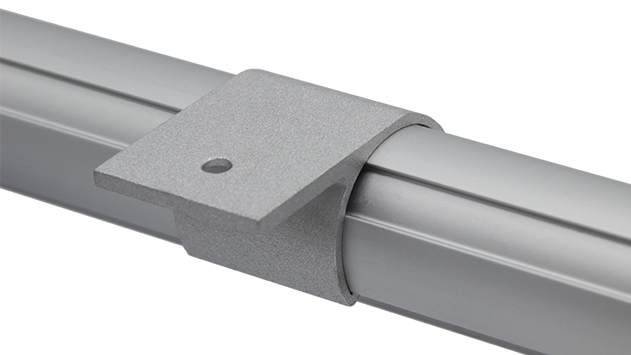
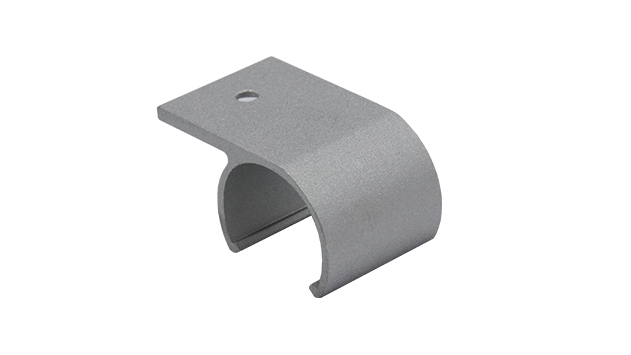
Aluminum Pipe Clamp
Aluminum pipe side clamp used for 28mm aluminum pipe connect with table top, or other accessories.
In the fast-paced world of manufacturing, where every second counts and efficiency is the name of the game, lean principles have become more than just a buzzword—they're the backbone of successful operations. At the heart of these lean systems lies a humble yet indispensable component: the aluminum pipe clamp. Often overlooked amid flashier tech, this small but mighty tool is quietly revolutionizing how factories, warehouses, and assembly lines operate. Today, we're diving deep into the future of aluminum pipe clamps, exploring how innovations in design, materials, and integration are shaping the next generation of lean manufacturing.
From Humble Beginnings: The Evolution of Aluminum Pipe Clamps
Let's start with the basics. Traditional pipe clamps, often made of steel or rigid plastic, were designed for one job: hold pipes in place. They were heavy, inflexible, and about as adaptable as a concrete block. If a manufacturer wanted to reconfigure a workstation or adjust a flow rack, they'd need welding equipment, hours of labor, and a healthy dose of frustration. But as lean manufacturing took hold—emphasizing waste reduction, flexibility, and continuous improvement—these old clamps quickly became a bottleneck.
Enter the aluminum pipe clamp. Lightweight, corrosion-resistant, and infinitely more versatile, aluminum changed the game. Early iterations focused on replacing steel with aluminum alloys to cut weight, but the real breakthrough came with modular design. Suddenly, clamps could connect not just pipes, but aluminum profiles, roller tracks, and accessories—all without a single weld. This shift turned static workspaces into dynamic, customizable environments where a team could retool a production line over a weekend instead of a month.
Key Milestone: The introduction of T-slot aluminum profiles paired with adjustable aluminum pipe clamps in the early 2000s marked a turning point. These profiles, with their built-in grooves, allowed clamps to slide, lock, and pivot, turning rigid structures into flexible frameworks. Today, this combination is the gold standard for lean systems worldwide.
Innovations Driving the Future: What Makes Modern Aluminum Pipe Clamps Stand Out?
So, what sets today's aluminum pipe clamps apart from their predecessors? It's not just about being lighter or cheaper—it's about solving real-world problems for manufacturers. Let's break down the most impactful innovations:
1. Modularity: The Power of "Build, Break, Rebuild"
Lean manufacturing thrives on adaptability. A factory making smartphones today might shift to tablets tomorrow, and its tools need to keep up. Modern aluminum pipe clamps this idea with modular joints and tool-free adjustments. Many models now feature quick-release levers or twist-lock mechanisms, letting workers reposition clamps in seconds. Pair this with aluminum profiles that snap together like giant Legos, and you've got a system that can evolve with your needs.
Take flow racks, for example. Traditionally, a flow rack's shelves were fixed, limiting the size of products it could handle. With modular aluminum pipe clamps, operators can adjust shelf heights, add dividers, or even reangle roller tracks to accommodate new inventory—no tools, no downtime. It's lean thinking in action: waste less time, use space smarter, and stay ready for whatever comes next.
2. ESD Protection: Safeguarding Sensitive Electronics
In industries like electronics manufacturing, static electricity is a silent killer. A single electrostatic discharge (ESD) can fry a microchip, ruin a circuit board, and cost thousands in scrap. That's why modern aluminum pipe clamps are increasingly integrating ESD-safe materials. Conductive aluminum alloys and specialized coatings ensure that clamps (and the structures they support) (ground) static charges, protecting sensitive components from damage.
This isn't just a niche feature—it's becoming a necessity. As consumer electronics get smaller and more delicate, and as medical device manufacturing ramps up, ESD-compliant tools like aluminum pipe clamps are moving from "nice-to-have" to "must-have." Forward-thinking lean system suppliers are even offering custom ESD solutions, tailoring clamp designs to specific industry standards.
3. Sustainability: Lean Manufacturing Meets the Circular Economy
Lean manufacturing has always been about reducing waste, but today's definition of "waste" includes environmental impact. Aluminum pipe clamps are leading the charge here, too. Unlike steel, aluminum is 100% recyclable, and recycling it uses just 5% of the energy needed to produce new aluminum. This means that even when a clamp reaches the end of its life, its materials can be repurposed into new tools, closing the loop on waste.
But sustainability isn't just about materials—it's about longevity. Modern aluminum pipe clamps are built to last, with reinforced joints and corrosion-resistant finishes that withstand harsh factory environments. A well-made clamp can outlive multiple production cycles, reducing the need for frequent replacements. Some manufacturers are even offering take-back programs, ensuring old clamps are recycled properly instead of ending up in landfills.
Traditional vs. Modern: A Closer Look at the Upgrade
Curious how today's aluminum pipe clamps stack up against the old guard? Let's compare:
| Feature | Traditional Steel/Plastic Clamps | Modern Aluminum Pipe Clamps |
|---|---|---|
| Weight | Heavy (often 2-3x aluminum equivalents) | Lightweight (30-50% lighter, easy to handle) |
| Flexibility | Fixed positions; require welding to reconfigure | Tool-free adjustments; compatible with aluminum profiles, roller tracks, and accessories |
| ESD Compliance | Rarely available; requires additional grounding tools | Built-in ESD options with conductive materials |
| Sustainability | Limited recyclability; short lifespan | 100% recyclable; durable design reduces replacement needs |
| Cost Over Time | Low upfront cost, but high long-term costs (labor for reconfigurations, replacements) | Slightly higher upfront cost, but 40-60% lower total cost of ownership (fewer replacements, faster reconfigurations) |
Real-World Impact: How Aluminum Pipe Clamps Are Transforming Lean Systems
Theory is great, but nothing beats real-world results. Let's look at two case studies where modern aluminum pipe clamps have made a tangible difference:
Case Study 1: Automotive Assembly Line Reconfiguration
A major automotive manufacturer in the Midwest was struggling with outdated workstations. Their old steel-framed assembly lines took weeks to retool whenever they introduced a new car model, leading to costly downtime. They partnered with a lean system supplier to upgrade to aluminum profiles and modular aluminum pipe clamps. The result? What once took 120 hours of welding and labor now takes 12 hours of tool-free adjustments. The team can now reconfigure a workstation in a single shift, cutting retooling time by 90% and reducing waste from scrapped steel frames.
Case Study 2: Electronics Warehouse Flow Rack Optimization
An electronics distributor handling small components (think circuit boards, connectors, and sensors) needed to improve picking speed in their warehouse. Their fixed flow racks couldn't accommodate varying component sizes, leading to inefficiencies and misplaced inventory. By installing aluminum pipe clamps with adjustable dividers and ESD-safe roller tracks, they transformed their static racks into dynamic, size-flexible systems. Picking errors dropped by 35%, and workers reported less strain from reaching for misaligned products. Best of all, when they expanded their product line six months later, they reconfigured the racks themselves in a day—no contractor needed.

The Road Ahead: What's Next for Aluminum Pipe Clamps?
So, where do we go from here? The future of aluminum pipe clamps is all about smarter integration, customization, and sustainability. Here are three trends to watch:
1. Smart Clamps: IoT and Predictive Maintenance
Imagine a clamp that can "talk" to your manufacturing system. Emerging technologies are adding sensors to aluminum pipe clamps to monitor stress, vibration, and wear. These smart clamps can alert maintenance teams when a joint is loosening or a component is nearing the end of its lifespan, preventing breakdowns before they happen. Paired with IoT platforms, they can even feed data into production analytics, helping managers spot inefficiencies in real time—like a flow rack that's consistently underused or a workstation that needs rebalancing.
2. Hyper-Customization for Niche Industries
Not all manufacturing is created equal. A pharmaceutical lab has different needs than a furniture factory, and aluminum pipe clamps are starting to reflect that. Lean system suppliers are now offering hyper-customized clamps: miniaturized versions for microelectronics assembly, heavy-duty models for automotive parts, and even sterile, easy-to-clean designs for food and medical manufacturing. Some are even 3D-printing custom clamp components for one-off projects, making it possible to build lean systems tailored to the most unique workflows.
3. Circular Economy Integration
As sustainability becomes a core business goal (not just a PR talking point), aluminum pipe clamps will play a bigger role in circular manufacturing. We'll see more suppliers offering "lease-a-clamp" programs, where manufacturers rent clamps and return them when no longer needed—reducing upfront costs and ensuring materials are reused. There's also growing interest in bio-based coatings for clamps, replacing synthetic chemicals with plant-derived alternatives that are easier to recycle and gentler on the environment.
Why It Matters: The Ripple Effect of a Better Clamp
At this point, you might be thinking, "It's just a clamp—how much difference can it really make?" The answer: more than you'd think. A better aluminum pipe clamp isn't just about holding pipes tighter or lasting longer. It's about empowering teams to work smarter, not harder. It's about turning a rigid factory floor into a space that adapts to people , not the other way around. It's about reducing waste in all forms—time, labor, materials, and environmental impact.
In short, the future of aluminum pipe clamps is the future of lean manufacturing itself: flexible, sustainable, and human-centered. As these innovations continue to roll out, we're not just building better tools—we're building better workplaces. And in a world where efficiency and resilience are more critical than ever, that's a future worth getting excited about.
Final Thoughts: Embracing the Lean Revolution
The aluminum pipe clamp may be small, but its impact is huge. From the factory floor to the boardroom, its evolution mirrors the broader shift toward lean, adaptive, and sustainable manufacturing. As we look ahead, one thing is clear: the days of one-size-fits-all, wasteful systems are numbered. In their place, we're seeing a new era of tools—led by innovations like the modern aluminum pipe clamp—that put flexibility, efficiency, and sustainability at the forefront.
So, whether you're a manufacturer looking to upgrade your workflow, a warehouse manager aiming to cut costs, or just someone curious about the future of making things, keep an eye on the aluminum pipe clamp. It's a quiet innovator, but it's leading the charge toward a leaner, better tomorrow.