- Company Articles
- Products and Technology
- Technology Sharing
- The Future of Lean Manufacturing: Innovations in Two Way Aluminum Pipe Joint Design

The Future of Lean Manufacturing: Innovations in Two Way Aluminum Pipe Joint Design
Related Product
Two Way Aluminum Pipe Joint
Aluminum 2 way pipe joint for 28mm aluminum pipe connection in 2 direction.
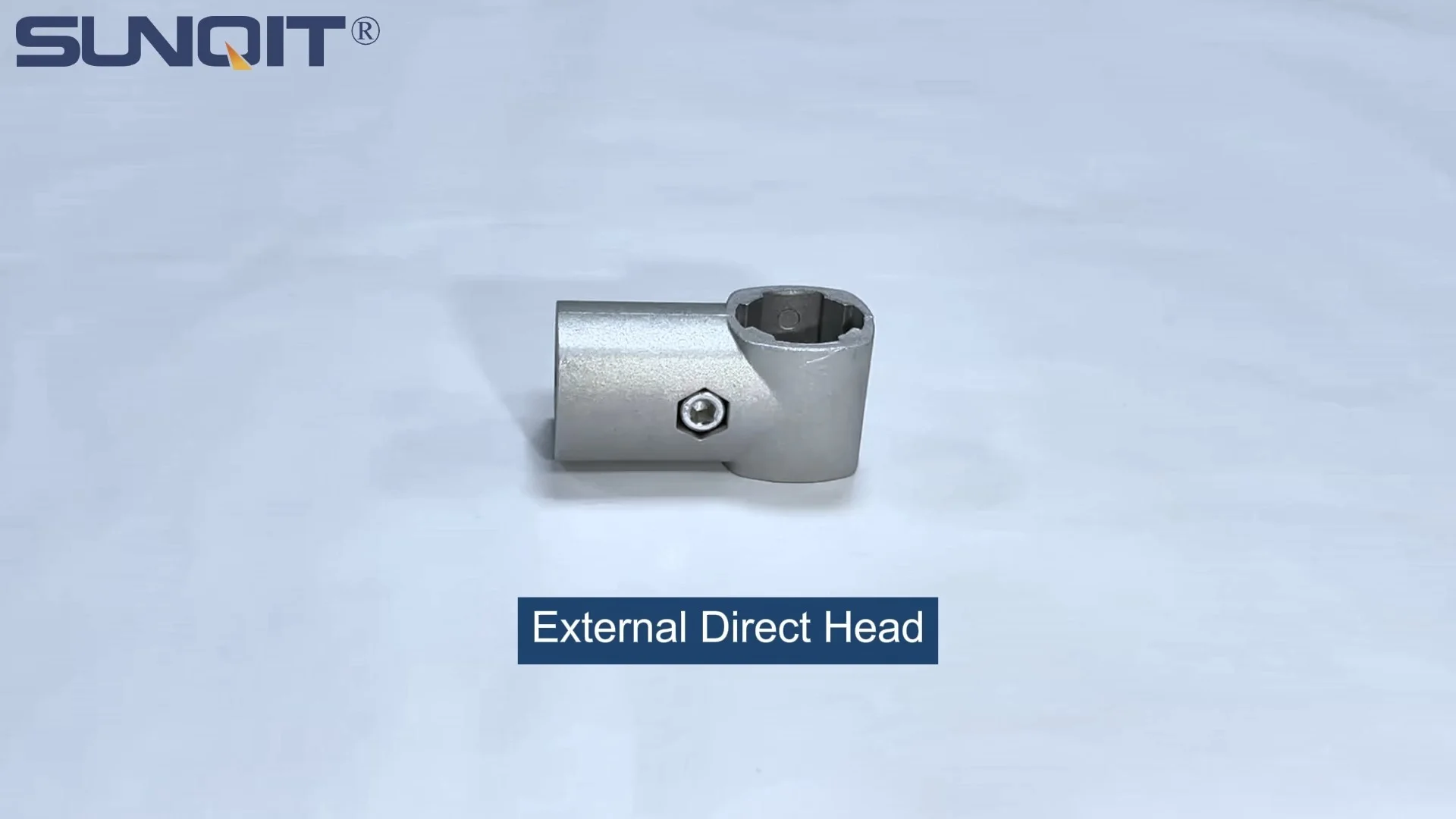
Step into a modern manufacturing facility today, and you'll notice a quiet revolution unfolding on the shop floor. Gone are the days of rigid, one-size-fits-all production lines that take weeks to reconfigure. Instead, you'll find dynamic workspaces where stations shift, adapt, and evolve as quickly as customer demands change. At the heart of this transformation? A humble yet powerful component: the two way aluminum pipe joint. Far more than just a connector, this unassuming piece of engineering is redefining what lean manufacturing can achieve—making operations more agile, teams more efficient, and businesses more resilient. Let's dive into how innovations in two way aluminum pipe joint design are shaping the future of manufacturing, one modular connection at a time.
Lean Manufacturing: More Than a Buzzword—A Culture of Adaptability
To understand why two way aluminum pipe joints matter, we first need to revisit the core of lean manufacturing. Lean isn't just about cutting costs or streamlining processes; it's about creating value by eliminating waste—whether that's wasted time, materials, or effort. At its heart, lean is about responsiveness : the ability to pivot when a new product is introduced, scale up during peak demand, or reallocate resources when priorities shift. And in today's fast-paced markets, responsiveness isn't a luxury—it's survival.
For decades, manufacturers relied on heavy, fixed infrastructure. Steel pipes and welded joints held workbenches, conveyors, and material racks in place, making even minor adjustments a logistical nightmare. A single change might require cutting metal, rewelding, or even replacing entire systems—costing time, money, and disrupting production. It was a system built for stability, but stability often came at the expense of agility.
Enter aluminum. Lightweight, durable, and infinitely customizable, aluminum has become the material of choice for lean systems. But the real breakthrough? The joints that hold it all together. Specifically, the two way aluminum pipe joint—a small component with outsized impact. These joints aren't just connectors; they're the building blocks of a new era in manufacturing, where flexibility and efficiency go hand in hand.
From Rigid to Responsive: The Evolution of Pipe Joint Design
Let's take a quick trip down memory lane. Traditional manufacturing setups often relied on steel pipes and cast iron joints. These were sturdy, no doubt—but that sturdiness came with a price. Steel is heavy, making any structure built with it difficult to move or reconfigure. Welded joints meant once a workbench or rack was assembled, it was permanent . If a factory needed to adjust the height of a conveyor or rearrange a production line, workers would spend hours (or days) dismantling and rebuilding—time that could have been spent making products.
Then came early modular systems, using plastic-coated steel pipes and basic joints. These were a step forward—lighter than pure steel, and some joints could be loosened or tightened by hand. But they still had limitations: plastic coatings could wear over time, and the joints often lacked precision, leading to wobbly structures. For high-precision industries like electronics or automotive, where stability is critical, these systems fell short.
The game-changer arrived when manufacturers turned to aluminum. Aluminum is naturally lightweight—about one-third the weight of steel—yet surprisingly strong. It's also resistant to corrosion, making it ideal for factory environments where moisture or chemicals might be present. But aluminum alone wasn't enough. The real innovation was in the joints that connected these pipes: enter the two way aluminum pipe joint.
Inside the Innovation: What Makes Two Way Aluminum Pipe Joints Different?
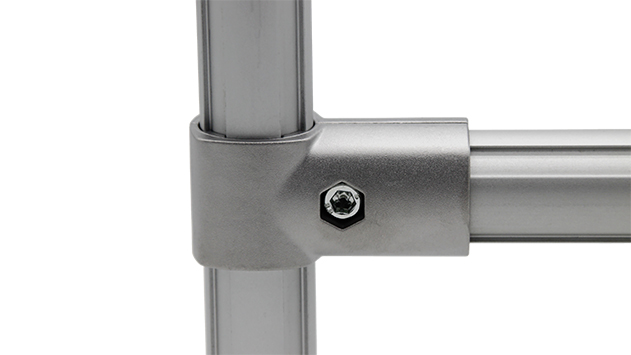
At first glance, a two way aluminum pipe joint might look simple—a small, angular piece with holes for pipes to slot into. But beneath that simplicity lies thoughtful engineering designed to solve the biggest pain points of traditional joints. Let's break down the key innovations:
1. Lightweight Strength, Without Compromise
Aluminum's low density is its superpower here. A two way aluminum joint weighs a fraction of a steel equivalent, making the entire structure—whether a workbench, material rack, or trolley—easier to move. This isn't just about convenience; it's about safety. Workers can reconfigure a production line without heavy lifting equipment, reducing the risk of strain injuries. And because aluminum is strong enough to support heavy loads (think stacks of components or finished products), there's no trade-off between mobility and durability.
2. Tool-Free Assembly (Yes, Really)
Gone are the days of fumbling with wrenches or waiting for a welder. Two way aluminum pipe joints are designed for quick connects . Most feature a clamping mechanism or set screw that can be tightened by hand or with a simple hex key. This cuts assembly time dramatically. A team that once took half a day to build a material rack can now have it up and running in an hour. For manufacturers ramping up production or testing new layouts, this speed is invaluable.
3. Precision Engineering for Stability
Ever tried building a shelf with wobbly brackets? It's frustrating—and dangerous. Two way aluminum joints solve this with tight tolerances. The pipes fit snugly into the joint, and the clamping mechanism ensures a secure, rattle-free connection. This precision is a boon for industries like aerospace or medical device manufacturing, where even a slight wobble in a workbench could compromise product quality.
4. Modularity at Its Core
The "two way" in the name refers to the joint's ability to connect pipes in two directions (often 90 degrees, but some designs allow for adjustable angles). But here's the beauty: these joints play well with others. Pair a two way joint with a three way or four way joint, add aluminum pipe accessories like brackets or guides, and suddenly you're not just building a single structure—you're building a system that can grow and change with your needs. Need to add a shelf to a workbench? Screw in a two way joint and a short pipe. Want to extend a conveyor? Connect a few more pipes and roller track placon mounts. It's like building with high-tech Legos for adults.

On the Shop Floor: How Two Way Aluminum Joints Are Transforming Workspaces
Enough theory—let's talk about real impact. Across industries, manufacturers are swapping out old systems for aluminum-based setups with two way joints, and the results are tangible. Take the example of a mid-sized electronics manufacturer I visited last year. They'd been using steel workbenches for years, and every time they launched a new product line, they'd spend two days reconfiguring their assembly area. After switching to aluminum workbenches built with two way joints, that time dropped to two hours . Their production manager put it best: "We used to dread product launches because of the setup hassle. Now, we look forward to them—we can test new layouts on the fly, and if something isn't working, we just adjust it."
Another example: a automotive parts supplier that handles heavy components. They replaced their steel material racks with aluminum racks using two way joints and aluminum profile accessories. The new racks were 40% lighter, so workers could move them by hand to position them closer to the assembly line. This cut down on walking time—saving an average of 15 minutes per worker per shift. Multiply that by 50 workers, and that's 12.5 hours of productive time gained every day.
Even small businesses are benefiting. A local furniture manufacturer, for instance, uses two way aluminum joints to build custom workbenches for their woodworking stations. When they get a rush order for a new table design, they can quickly adjust the height of their benches or add extra shelving to hold tools—no need to buy new equipment. As their owner told me, "We used to think lean manufacturing was only for big factories. But with these joints, we're lean too—we waste less time, less space, and less money."
| Feature | Traditional Steel Joints | Two Way Aluminum Pipe Joints |
|---|---|---|
| Weight (per joint) | 2.5 lbs | 0.8 lbs |
| Assembly Time (per connection) | 10-15 minutes (requires tools/welding) | 1-2 minutes (tool-free or basic hex key) |
| Reconfigurability | Low (permanent welds or difficult disassembly) | High (quickly adjustable, reusable) |
| Corrosion Resistance | Low (prone to rust without coating) | High (natural aluminum oxide layer) |
| Long-Term Cost | Higher (replacement/modification costs add up) | Lower (reusable, minimal maintenance) |

Looking Ahead: The Future of Lean Manufacturing and Pipe Joint Innovation
So, what's next for two way aluminum pipe joints and lean manufacturing? The future looks bright—and even more adaptable. Here are a few trends to watch:
1. Smart Integration with Industry 4.0
As factories become more connected, expect to see aluminum joints and profiles with built-in sensors. Imagine a workbench that can detect when it's overloaded and send an alert to a supervisor, or a conveyor track with sensors that monitor joint tightness, preventing breakdowns before they happen. Two way joints could even include RFID tags, making it easier to track components in large facilities.
2. Sustainability Takes Center Stage
Aluminum is already 100% recyclable, and as manufacturers focus more on sustainability, we'll see even greener innovations. Some suppliers are experimenting with recycled aluminum in joint production, reducing the carbon footprint. Others are designing joints that use fewer raw materials without sacrificing strength—think thinner walls but optimized shapes for maximum stability.
3. Customization for Niche Industries
While two way joints are versatile, we'll see more specialized designs for unique needs. For example, cleanroom environments (like pharmaceutical manufacturing) might get joints with smooth, crevice-free surfaces to prevent dust buildup. Heavy-industry applications could see reinforced joints with locking mechanisms for extra stability under extreme loads.
4. AI-Driven Design Tools
Want to design a custom material rack but not sure which joints to use? Future software might help. Imagine plugging in your requirements (load capacity, size, mobility) into an AI tool, and it recommends the perfect combination of two way joints, aluminum pipes, and accessories—complete with a 3D model and assembly instructions. This would make lean setups accessible to even the smallest manufacturers.
The Bottom Line: Small Joints, Big Impact
At the end of the day, lean manufacturing isn't about fancy buzzwords or expensive technology. It's about making things easier for the people on the ground—the workers, the supervisors, the teams who show up every day to build, create, and innovate. Two way aluminum pipe joints might seem like small components, but they embody that spirit of simplicity and adaptability.
They're a reminder that innovation doesn't always come from giant leaps—it often comes from refining the basics. By making it easier to build, adjust, and reuse manufacturing structures, these joints free up time, reduce waste, and empower teams to focus on what they do best: making great products. As one factory worker told me while adjusting an aluminum workbench with a two way joint, "This isn't just a pipe. It's freedom—freedom to change, to improve, to grow."
So the next time you walk through a factory, take a closer look at those unassuming aluminum structures. Chances are, they're held together by two way joints—and those joints are quietly shaping the future of lean manufacturing, one connection at a time.