- Company Articles
- Products and Technology
- Technology Sharing
- The Future of Material Handling: Innovations in Roller Track Placon Mount Center Support Bracket

The Future of Material Handling: Innovations in Roller Track Placon Mount Center Support Bracket
Related Product
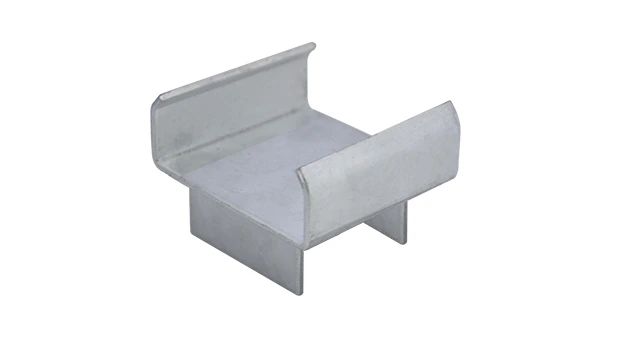
Roller Track Placon Mount Center Support Bracket
Roller track placon mount work as a connector for roller track and pipe or aluminum profile in rack syetem, it is a necessary parts in rack system which widely used in industrial plant and logistic,warehouse storage.
Redefining Efficiency, Flexibility, and Sustainability in Modern Manufacturing
In the heart of every thriving factory—whether it's churning out smartphones, assembling medical devices, or building automotive parts—lies a silent hero: material handling. It's the invisible force that keeps production lines flowing, parts moving, and deadlines met. But as manufacturers face mounting pressure to do more with less—faster, smarter, and greener—the tools that power this backbone are due for a revolution. Enter the Roller Track Placon Mount Center Support Bracket : a small but mighty innovation that's quietly transforming how we think about lean manufacturing, flexibility, and long-term sustainability.
Gone are the days of rigid, one-size-fits-all production setups. Today's factories need systems that adapt as quickly as market demands shift—systems that reduce waste, boost efficiency, and grow with your business. At the crossroads of these needs stands a solution built on decades of lean expertise: combining the durability of aluminum profiles, the flexibility of lean pipes, and the precision of roller tracks to create material handling that doesn't just work for your line, but with it.
The Engineering Behind the Breakthrough: What Makes This Bracket Different?
At first glance, a support bracket might seem like a simple component. But beneath its unassuming design lies a host of innovations that address the biggest pain points in material handling:
1. Aluminum Profile: Lightweight Strength That Lasts
Traditional steel brackets often mean heavy, cumbersome setups that are hard to reconfigure and prone to rust in humid factory environments. The new roller track placon mount bracket changes the game with high-grade aluminum profile construction. Aluminum brings three critical advantages:
- Lightweight yet durable : Up to 40% lighter than steel, making installation and adjustments a one-person job—no heavy lifting required.
- Corrosion resistance : Perfect for busy production floors where spills, moisture, or chemicals are part of daily life.
- Precision engineering : Extruded aluminum profiles ensure consistent dimensions, so every bracket fits seamlessly with your existing lean pipe systems and roller tracks.
2. Modular Design: Adapt in Minutes, Not Days
In a factory where product lines change monthly (or even weekly), downtime for reconfiguration is costly. This bracket's modular design—paired with lean pipe joints and quick-connect fittings—lets you adjust height, angle, or position in minutes. Need to raise a roller track by 10cm for a new conveyor? Swap out a spacer. Shift from a straight line to a 45° turn? Simply reposition the bracket and lock it in place. It's flexibility that keeps your line running while you adapt.
3. Load-Bearing Precision: Smooth Flow, Even Under Pressure
A bracket is only as good as its ability to keep materials moving—without jams, snags, or slowdowns. The placon mount center support is engineered to distribute weight evenly across the roller track, ensuring that even heavy components (like automotive parts or medical device assemblies) glide smoothly. Paired with high-quality roller track wheels—available in ESD-safe options for electronics manufacturing—it reduces friction, minimizes noise, and cuts down on maintenance costs.
| Traditional Bracket | Innovative Placon Mount Bracket |
|---|---|
| Heavy steel construction, hard to reposition | Lightweight aluminum, tool-free adjustments |
| Prone to rust and wear in harsh environments | Corrosion-resistant, ideal for humid or chemical-exposed areas |
| Limited compatibility with other systems | Works with lean pipes, aluminum profiles, and roller tracks seamlessly |
| High maintenance, frequent part replacements | Low maintenance, designed for 10+ years of heavy use |
Beyond the Factory Floor: How This Innovation Transforms Industries
Innovation is only meaningful if it solves real problems. Let's step into three industries where the roller track placon mount bracket is already making waves—paired with complementary solutions like lean pipe workbenches , conveyors , and custom lean solutions .
1. 3C Electronics: Precision Handling for Delicate Components
In the fast-paced world of smartphones and laptops, even a tiny scratch on a circuit board can mean. That's why a leading 3C manufacturer in Shenzhen turned to a lean solution centered on ESD-safe roller tracks and aluminum workbenches. By integrating the placon mount bracket with ESD workstations and anti-static roller wheels, they created a line where components flow from assembly to testing without human contact—reducing defects by 32% and speeding up cycle times by 18%.
"Before, our operators had to manually pass boards between stations, which led to bottlenecks and occasional damage," says the plant manager. "Now, the roller track glides so smoothly, it's like the parts are moving on their own. And when we launch a new model? We reconfigure the brackets in an hour instead of a day."
2. Medical Device Manufacturing: Clean, Compliant, and Flexible
Medical equipment production demands strict adherence to hygiene and regulatory standards. A medical device maker in Jiangsu needed a material handling system that could withstand daily sanitization while adapting to small-batch, high-variety production. The solution? Stainless steel roller tracks supported by aluminum brackets, paired with lean pipe trolleys that can be easily disassembled for deep cleaning. The result? A line that meets ISO 13485 standards, reduces cross-contamination risks, and switches between catheter and syringe assembly in under 30 minutes.
3. Automotive Parts: Heavy-Duty Performance for High-Volume Lines
Automotive assembly lines are the ultimate test of durability—handling hundreds of heavy parts daily. A major auto parts supplier in Guangzhou replaced its aging steel conveyor system with a combination of conveyors , roller tracks, and placon mount brackets. The aluminum brackets reduced the system's overall weight by 25%, lowering energy costs, while the precision alignment cut jams by 90%. "We used to have a maintenance crew fixing jams twice a shift," notes the operations director. "Now, they're focusing on preventive care, and our OEE (Overall Equipment Effectiveness) has hit an all-time high of 92%."

From Brackets to Complete Lines: The Power of Integrated Lean Solutions
A great bracket is just one piece of the puzzle. True material handling innovation comes from integrating components into a system that embodies lean principles: eliminating waste, empowering workers, and enabling continuous improvement. Here's how the placon mount bracket fits into a broader ecosystem of solutions:
- Lean Pipes & Aluminum Profiles : The backbone of flexibility. Build workstations, trolleys, or racks that grow with your needs—no welding required. Pair them with the bracket to create custom roller track paths that snake around obstacles or adapt to floor space constraints.
- Flow Racks & Conveyors : When paired with placon mount-supported roller tracks, these systems turn static storage into dynamic material flow. Parts arrive exactly when needed, reducing inventory waste and freeing up floor space.
- Custom Design Expertise : Every factory is unique. That's why lean solutions aren't just products—they're partnerships. Whether you need a single bracket or a full-line overhaul, the goal is to understand your pain points first: Is it space? Speed? Labor costs? Then design a system that addresses them directly.
This holistic approach is why companies don't just buy components—they invest in a lean solution that evolves with their business. A electronics manufacturer might start with a few roller tracks, then expand to a full as demand grows. A warehouse could begin with flow racks and later add automated conveyors—all using the same compatible brackets and profiles.

Looking Ahead: The Next Frontier of Lean Material Handling
The roller track placon mount bracket is just the beginning. As manufacturing moves toward smart factories and sustainability, material handling will evolve in three key directions—all supported by innovations in lean pipe systems, aluminum profiles, and modular design:
1. Smart Integration with Industry 4.0
Imagine roller tracks embedded with sensors that monitor flow rates and flag jams in real time, or brackets that connect to your MES system to auto-adjust heights based on production schedules. The foundation for this is already here: aluminum profiles with built-in cable management channels make it easy to add IoT devices, while modular brackets allow for quick sensor installation. The result? Predictive maintenance, data-driven optimization, and material handling that "talks" to your entire line.
2. Circular Economy: Reuse, Recycle, Reduce
Sustainability isn't just a buzzword—it's a business imperative. Lean systems built on aluminum and stainless steel are inherently eco-friendly: they're 100% recyclable, require less energy to produce than steel, and their modularity means components can be repurposed instead of replaced. A factory that invests in these solutions today can reduce its carbon footprint by up to 20% while cutting long-term material costs.
3. Human-Centric Design: Making Work Easier, Safer, Better
At the end of the day, material handling is about people. Future systems will prioritize ergonomics—like adjustable-height roller tracks that reduce bending, or lightweight trolleys that glide with minimal effort. The placon mount bracket already leads the way here: its tool-free adjustments let workers customize their stations to their height, reducing strain and boosting morale. As one operator put it: "When the line flows smoothly, my job feels less like work and more like teamwork with the machines."
The Future Is Flexible—And It Starts with the Right Foundation
Material handling may not always grab headlines, but it's the unsung hero of manufacturing success. The roller track placon mount center support bracket represents more than a new part—it's a shift in mindset: building systems that don't just meet today's needs, but adapt to tomorrow's challenges. Whether you're producing smartphones, medical devices, or car parts, the future belongs to those who embrace flexibility, durability, and sustainability.
Ready to transform your material handling? Explore how the right combination of lean pipes, roller tracks, and aluminum profiles can turn your production line into a competitive advantage—one smooth, efficient flow at a time.