- Company Articles
- Products and Technology
- Product knowledge
- The Future of Saddle Pipe Clamps: Innovations in Lightweight, High-Strength Design

The Future of Saddle Pipe Clamps: Innovations in Lightweight, High-Strength Design
Related Product
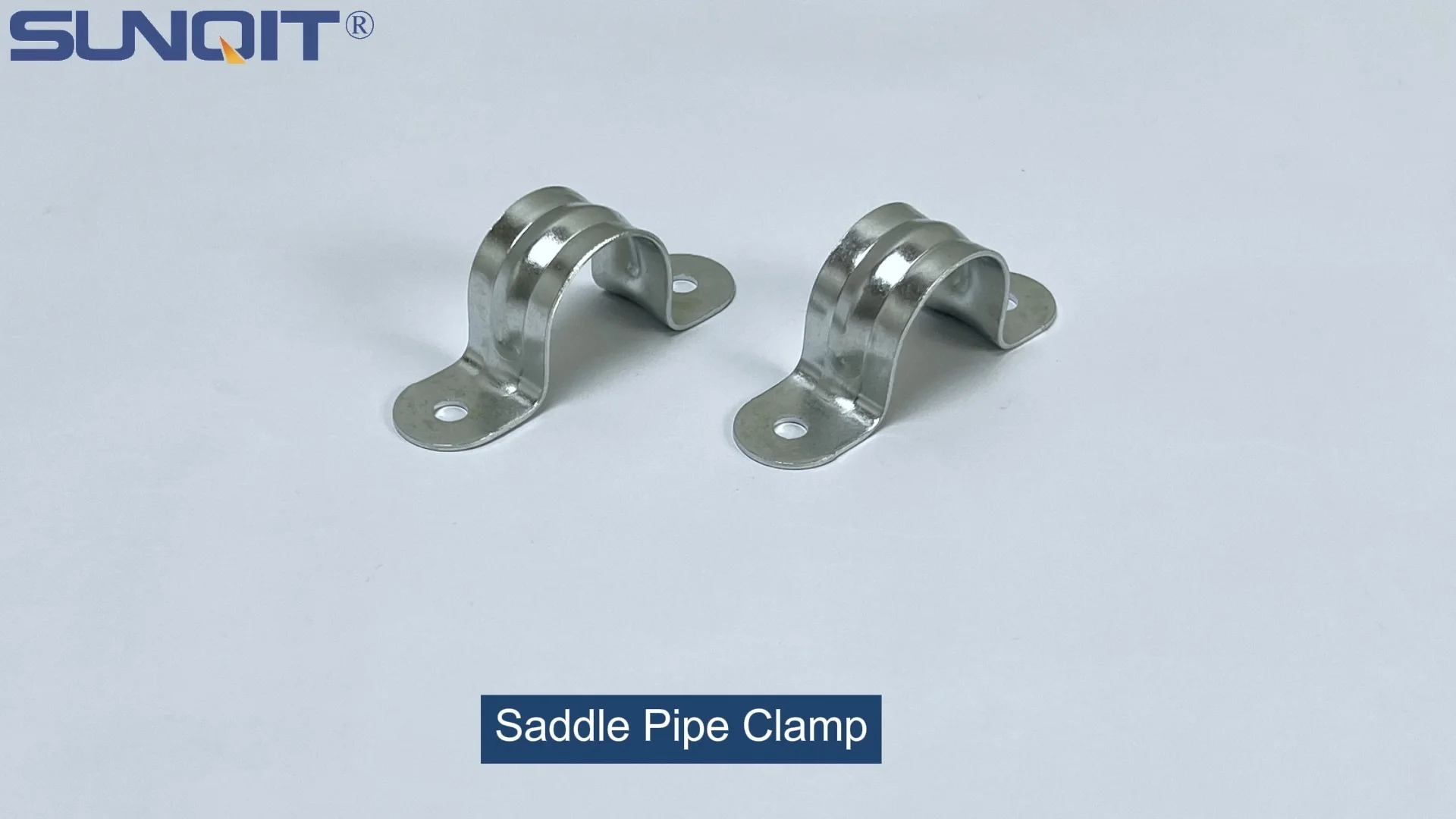
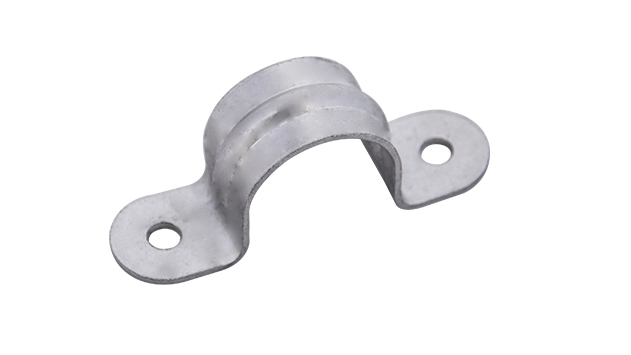
Saddle Pipe Clamp
Saddle pipe clamp, used for board connect with pipe, usually for table top installation.
Walk into any modern factory, warehouse, or assembly line, and you'll find hundreds of unsung heroes holding everything together. They're not the flashy robots or high-tech machinery—they're the small, unassuming components that keep workflows steady, structures stable, and operations efficient. Among these quiet workhorses, saddle pipe clamps stand out. These simple yet critical devices secure pipes, tubes, and rails in place, ensuring that everything from conveyor systems to workbenches stays aligned and functional. But as manufacturing evolves—leaner, faster, and more adaptive than ever—so too must the tools that build its backbone. Today, we're diving into the future of saddle pipe clamps, exploring how innovations in lightweight materials and high-strength design are transforming these humble components into catalysts for industrial progress.
The Unsung Hero: Why Saddle Pipe Clamps Matter More Than You Think
Before we talk about the future, let's take a moment to appreciate the present. Saddle pipe clamps are the glue of industrial infrastructure. Imagine a typical automotive assembly line: aluminum lean pipes frame the workstations, roller tracks carry parts between stations, and flow racks hold components within arm's reach. Every connection—every pipe secured to a bracket, every rail fastened to a frame—relies on a clamp. A loose clamp here could mean a wobbly workbench, slowing down production. A heavy, bulky clamp there might add unnecessary weight to a mobile trolley, making it harder for workers to maneuver. In short, saddle pipe clamps don't just hold things together—they shape how efficiently, safely, and flexibly a facility operates.
For decades, the industry relied on traditional clamps made from heavy steel. They were strong, sure, but that strength came with a cost: weight. A single steel clamp might not seem like much, but multiply that by hundreds across a factory floor, and suddenly you're looking at increased fatigue for workers moving equipment, higher energy costs for automated systems hauling heavy loads, and limited flexibility when reconfiguring workspaces. Worse, steel is prone to corrosion in humid or chemical-heavy environments—think food processing plants or coastal manufacturing facilities—leading to frequent replacements and unplanned downtime.
The Weighty Problem: How Traditional Clamps Are Holding Us Back
Let's paint a picture. Maria, a production supervisor at a electronics manufacturing plant, recently tried to reconfigure her assembly line to accommodate a new product launch. Her team needed to move a set of workbenches and material racks to create more space for testing stations. The problem? The steel saddle pipe clamps holding the aluminum lean pipes together were so heavy that two workers struggled to lift even a small section of the frame. What should have been a half-day project stretched into two days, delaying the product launch. "We lost time, and my team was exhausted," Maria recalls. "I kept thinking, there has to be a better way to build these structures without breaking our backs."
Maria's frustration is universal. Traditional steel clamps often tip the scales at 30-50% heavier than their modern counterparts, and that weight adds up. In lean manufacturing—where the goal is to eliminate waste in all forms, including unnecessary physical strain—this is a critical pain point. Heavy clamps also limit the adoption of modular systems. If reconfiguring a workspace requires specialized tools and extra (manpower), facilities are less likely to adapt quickly to changing demands. And in an era where agility is key to staying competitive, that's a major disadvantage.
Then there's the issue of over-engineering. To compensate for steel's weight, some manufacturers would use thinner steel, sacrificing strength. Others would stick to thick steel for durability but end up with clamps that were overkill for lighter applications, like securing aluminum profile frames or lightweight conveyor rails. It was a lose-lose: either you compromised on strength, or you carried the burden of excess weight.
Lightweight Revolution: Aluminum Lean Pipe and the Rise of Smart Materials
Enter aluminum lean pipe—a material that's been quietly revolutionizing industrial design for the past decade. Aluminum is lightweight by nature (about 1/3 the weight of steel), but modern alloys have upped the ante, offering strength that rivals traditional steel in many applications. When paired with innovative saddle pipe clamp designs, aluminum lean pipe becomes a game-changer. Let's break it down: a standard 1-inch steel clamp weighs roughly 200 grams; an aluminum version? Just 85 grams. That's a 57% weight reduction per clamp. Multiply that by 100 clamps on a single workstation, and you're shaving off 11.5 kilograms—nearly the weight of a small child. Suddenly, moving that workstation from one side of the factory to the other isn't a two-person job anymore; it's a one-person task, done in half the time.
But aluminum isn't just light—it's smart. Unlike steel, it's naturally corrosion-resistant, thanks to a thin oxide layer that forms on its surface, protecting it from moisture and chemicals. That makes aluminum saddle pipe clamps ideal for environments like pharmaceutical labs, where cleanliness is critical, or marine manufacturing facilities, where salt air would eat through steel in no time. And because aluminum is highly malleable, manufacturers can design clamps with intricate shapes that distribute stress more evenly, boosting strength without adding bulk. Take the "internal rotary aluminum joint," a newer design that allows pipes to pivot slightly while staying securely clamped. It's flexible enough to absorb vibrations from heavy machinery but rigid enough to maintain alignment—something traditional steel clamps, with their fixed, one-size-fits-all design, struggle to do.
| Clamp Type | Material | Weight (per unit) | Tensile Strength | Corrosion Resistance | Best For |
|---|---|---|---|---|---|
| Traditional Steel | Mild Steel | 200g | 400-500 MPa | Low (prone to rust) | Heavy-duty, static structures |
| Aluminum Lean Pipe | 6061 Aluminum Alloy | 85g | 276 MPa (comparable strength-to-weight ratio) | High (natural oxide layer) | Modular workbenches, mobile trolleys, clean rooms |
| Stainless Steel Series | 316 Stainless Steel | 150g | 515 MPa | Extreme (resists salt, chemicals) | Food processing, coastal facilities, high-moisture environments |

Strength Without Compromise: The Stainless Steel Pipe Series Reimagined
Of course, aluminum isn't the only player in the lightweight, high-strength game. For applications where extreme durability is non-negotiable—think heavy machinery, high-temperature environments, or facilities handling corrosive chemicals—the stainless steel pipe series is stepping up with innovations of its own. Traditional stainless steel clamps were strong but dense, often heavier than their steel counterparts. Today, though, manufacturers are using advanced alloys and precision engineering to create stainless steel clamps that are both stronger and lighter.
Take 316 stainless steel, for example. This alloy, infused with molybdenum, offers superior corrosion resistance compared to standard 304 stainless steel, making it perfect for marine or chemical processing plants. But what's truly exciting is how manufacturers are reshaping the clamp itself. By using computer-aided design (CAD) to optimize the clamp's geometry—thickening critical stress points and thinning non-essential areas—they've managed to reduce weight by up to 25% while maintaining (or even increasing) tensile strength. A recent test by a leading industrial supplier found that their new 316 stainless steel saddle clamp could withstand 515 MPa of tension—stronger than many traditional steel clamps—while weighing 150g, 25% lighter than the old 200g model.
Another breakthrough in stainless steel clamps is the integration of "lean pipe joints" that combine the strength of stainless with the flexibility of modular design. These joints, often made from a stainless steel core with a plastic or rubberized coating, allow for quick, tool-less assembly. Imagine a worker needing to adjust a flow rack to fit taller boxes: instead of fumbling with wrenches to loosen steel clamps, they simply twist a lever on the lean pipe joint, reposition the pipe, and lock it back in place. It's a small change, but it cuts reconfiguration time from hours to minutes—a boon for facilities practicing just-in-time manufacturing, where adaptability is everything.

Design Smarts: How Lean Pipe Joints Are Making Clamps More Than Just "Holders"
If materials are the "what" of modern saddle pipe clamps, design is the "how." Today's clamps aren't just about holding pipes—they're about enabling smarter, more connected workflows. Take the "parallel rotatory aluminum joint," a recent innovation that allows two pipes to run parallel while still being adjustable. In a traditional setup, securing two parallel pipes would require multiple clamps, creating a rigid, inflexible structure. With this joint, workers can slide the pipes closer together or farther apart, depending on the task at hand—no extra tools, no disassembly. It's a small tweak, but it turns a static frame into a dynamic tool that adapts to changing needs.
Then there's the focus on ergonomics. Early clamps often had sharp edges or required tight, repetitive twisting to tighten, leading to hand fatigue and even injuries among workers. Modern designs, by contrast, prioritize comfort. Rounded edges prevent scrapes, while ergonomic levers and quick-release mechanisms reduce the force needed to adjust clamps. One manufacturer even added a soft-grip coating to their aluminum clamps, making them easier to handle in cold or wet environments. These might seem like minor improvements, but in a factory where workers adjust clamps dozens of times a day, they add up to happier, healthier, and more productive teams.
Perhaps the most exciting design trend is the move toward "system integration." Today's saddle pipe clamps aren't standalone components—they're part of a larger ecosystem of lean manufacturing tools. For example, a clamp might feature a built-in T-slot, allowing workers to attach accessories like tool holders, label dispensers, or even small monitors directly to the pipe. Or it might be compatible with "roller track connectors," seamlessly linking clamps to conveyor systems for smoother material flow. This integration isn't just convenient; it's transformative. A single workbench, outfitted with these smart clamps, can go from a simple assembly station to a fully equipped hub where tools, parts, and digital displays are all within reach—all without drilling holes or welding.
Real-World Impact: From Factory Floors to Bottom Lines
Enough talk—let's look at results. Take a mid-sized automotive parts manufacturer in Michigan that recently switched from traditional steel clamps to aluminum lean pipe clamps and stainless steel pipe series components. The goal? To reduce the time it took to reconfigure their assembly lines for new car models. Before the switch, reconfiguring a single line took 8 hours and required 4 workers. After? The same job took 2 hours with 2 workers, thanks to lighter clamps and tool-less lean pipe joints. Over a year, that translated to 200+ hours saved—time that could be redirected to training, maintenance, or innovation. Plus, the company reported a 15% reduction in worker compensation claims related to lifting injuries, a direct result of lighter equipment.
Another example: a food and beverage packaging plant in Florida. Corrosion from the humid climate and frequent washdowns was costing them $50,000 a year in replacing rusted steel clamps. They switched to 316 stainless steel clamps with corrosion-resistant lean pipe joints, and the result? Clamp replacements dropped by 90%, saving $45,000 annually. "We used to have to shut down a line every month just to replace rusted clamps," says the plant manager. "Now, we check them during routine maintenance, and they're still in perfect shape. It's been a game-changer for our uptime."
Looking Ahead: What's Next for Saddle Pipe Clamp Technology?
So, where do we go from here? The future of saddle pipe clamps is about more than just lighter materials or smarter designs—it's about creating components that can keep up with the factories of tomorrow. Here are three trends to watch:
1. Smart Clamps with Built-In Sensors : Imagine a clamp that can "talk." Future designs might include tiny sensors that monitor tension, temperature, or vibration. If a clamp starts to loosen, it could send an alert to a supervisor's tablet, preventing a potential breakdown. In cold storage facilities, temperature sensors could warn if a clamp is becoming brittle due to extreme cold. This isn't science fiction—companies are already testing prototype "smart clamps" in pilot facilities, and early results are promising.
2. 3D-Printed Customization : While mass-produced clamps will always have their place, 3D printing could revolutionize how we make specialized clamps. Need a clamp with an unusual shape to fit a custom machine? Instead of ordering a batch of 1000 from a factory, you could 3D-print 10 on-site, using lightweight, high-strength plastics or even aluminum alloys. This would reduce waste, cut lead times, and allow facilities to create truly one-of-a-kind solutions.
3. Sustainability-Focused Materials : As industries push for net-zero goals, clamps made from recycled aluminum or stainless steel will become standard. Some manufacturers are already experimenting with "green" alloys that use less energy to produce, without sacrificing strength. Imagine a clamp that's not just strong and light, but also has a carbon footprint 50% smaller than traditional steel—now that's a win for both productivity and the planet.
Conclusion: Building a Leaner, Stronger Tomorrow
Saddle pipe clamps may never get the same attention as the latest industrial robot or AI-powered inventory system, but their role in shaping the future of manufacturing is undeniable. From aluminum lean pipe clamps that lighten the load for workers to stainless steel series designs that stand up to the harshest environments, these small components are proving that innovation doesn't always have to be flashy. Sometimes, it's about reimagining the basics—making something that holds things together also hold the key to greater efficiency, flexibility, and sustainability.
As we look ahead, one thing is clear: the saddle pipe clamp of tomorrow won't just be a clamp. It will be a bridge between human ingenuity and industrial progress—a tool that adapts to our needs, supports our goals, and helps us build a world where work is smarter, not harder. And for Maria, the production supervisor from our earlier story? She's already looking forward to her next reconfiguration project. With her new aluminum clamps and lean pipe joints, she's betting it'll be the easiest one yet.