- Company Articles
- Products and Technology
- Product knowledge
- The Impact of Aluminum Side Guards on Overall Equipment Effectiveness (OEE)

The Impact of Aluminum Side Guards on Overall Equipment Effectiveness (OEE)
Related Product
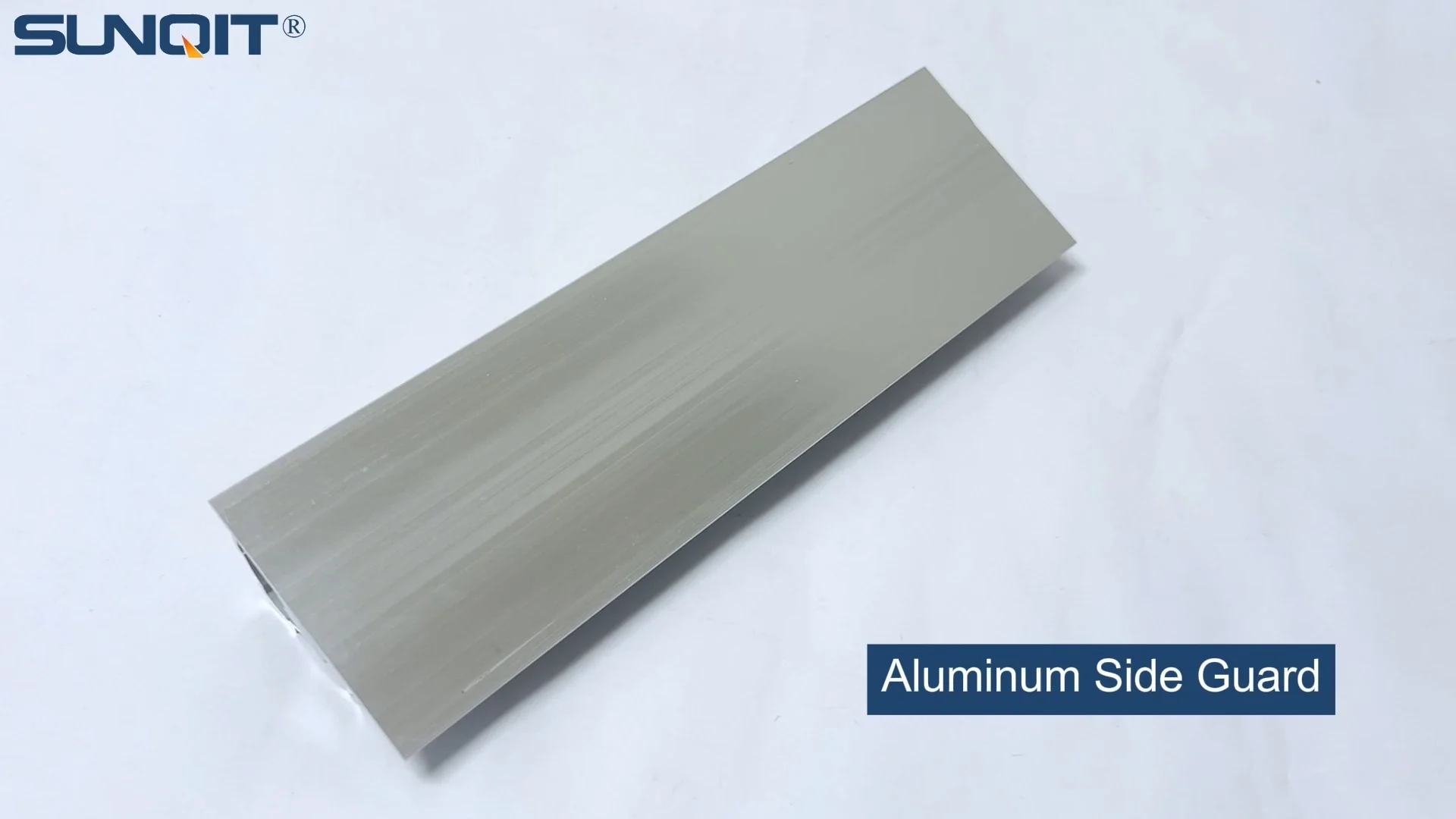
Aluminum Side Guard
Aluminum side guard, it works with a aluminum pipe or a roller track as side guard to prevent material drop,or move to wrong direction.
In the fast-paced world of manufacturing, where every second counts and efficiency is the bottom line, Overall Equipment Effectiveness (OEE) has become more than just a buzzword—it's a critical metric that separates thriving operations from struggling ones. OEE measures how well a production line or machine performs relative to its maximum potential, considering three core factors: availability (uptime), performance (speed), and quality (defect-free output). For manufacturers, even a small improvement in OEE can translate to significant cost savings, higher throughput, and a stronger competitive edge.
Yet, amid the focus on high-tech machinery, advanced software, and complex process optimizations, some of the most impactful improvements come from seemingly components. One such component is the aluminum side guard—a simple yet powerful tool that plays a quietly vital role in maintaining and boosting OEE. Often integrated into workbenches, roller tracks, and other equipment, aluminum side guards are designed to protect products, workers, and machinery. But their influence extends far beyond basic safety: they directly impact availability by reducing downtime, enhance performance by keeping workflows smooth, and improve quality by minimizing product damage. In this article, we'll explore how aluminum side guards, built from durable aluminum profile and engineered for practicality, can transform OEE in manufacturing environments.
Understanding Aluminum Side Guards: Design and Functionality
Before diving into their impact on OEE, let's clarify what aluminum side guards are and why they're worth attention. Unlike clunky steel barriers or flimsy plastic strips, aluminum side guards are precision-engineered using aluminum extrusion profile—a manufacturing process that shapes aluminum into consistent, custom cross-sections. This method ensures the guards are lightweight, yet surprisingly strong, with a smooth finish that resists corrosion and wear. They're typically mounted along the edges of workbenches, conveyor systems, or roller tracks, acting as a physical barrier to prevent items from sliding off, workers from accidental contact with moving parts, or debris from interfering with machinery.
What sets aluminum side guards apart is their versatility. Thanks to the flexibility of aluminum profile, they can be tailored to fit almost any equipment size or shape. Need a guard for a narrow roller track in an electronics assembly line? Or a robust barrier for a heavy-duty workbench in an automotive plant? Aluminum extrusion allows for custom lengths, thicknesses, and even specialized features like slots for attaching accessories (e.g., labels, tool holders). This adaptability makes them a staple in lean system environments, where every component must serve multiple purposes and adapt to changing production needs.
Another key advantage is their integration with existing manufacturing setups. Aluminum side guards often use standard aluminum profile accessories—like brackets, connectors, and end caps—which means they can be easily installed, adjusted, or removed without specialized tools. For example, on a roller track used to transport fragile components, aluminum side guards can be mounted in minutes using simple clips, ensuring parts stay aligned during movement. This ease of use not only reduces installation time but also makes maintenance a breeze—critical for keeping production lines running.
The Three Pillars of OEE: How Aluminum Side Guards Make an Impact
OEE is calculated by multiplying three factors: Availability (A), Performance (P), and Quality (Q). Each factor represents a different aspect of efficiency, and aluminum side guards contribute to all three. Let's break down their influence on each pillar.
Availability: Minimizing Downtime and Maintenance
Availability measures how much time a machine or line is actually running versus its planned operating time. Unplanned downtime—caused by breakdowns, maintenance, or accidents—is the biggest enemy of availability. Here, aluminum side guards shine by reducing these disruptions in two key ways: durability and ease of maintenance.
Traditional steel guards, while strong, are prone to rust and corrosion, especially in humid or chemical-exposed environments (e.g., food processing, pharmaceutical manufacturing). Over time, rust weakens the guards, leading to cracks or breakages that require frequent replacements. Each replacement means stopping production, disassembling the guard, and reinstalling a new one—hours of downtime that eat into OEE. Aluminum side guards, by contrast, are naturally corrosion-resistant. Their smooth, non-porous surface doesn't trap moisture or chemicals, so they maintain their integrity for years with minimal upkeep. In fact, in a study by the Manufacturing Technology Insights, plants using aluminum guards reported 40% fewer maintenance-related shutdowns compared to those using steel alternatives.
Additionally, when maintenance is needed, aluminum side guards are quick to fix. Since they're built from modular aluminum profile, damaged sections can be swapped out individually instead of replacing the entire guard. For example, if a portion of the guard on a roller track gets bent by a dropped tool, a worker can simply unbolt the damaged segment, slide in a new aluminum extrusion profile piece, and reattach it—all in under 30 minutes. Compare that to steel guards, which often require welding or specialized tools, taking 2–3 hours or more. Faster repairs mean less downtime, keeping availability high.
Performance: Sustaining Optimal Speed and Efficiency
Performance, the second pillar of OEE, measures how fast a machine runs compared to its maximum designed speed. Even if a line is available 90% of the time, if it's consistently running at half speed, OEE suffers. Aluminum side guards boost performance by eliminating small, repeated disruptions that slow down workflows.
Consider a common scenario: a roller track moving small electronic components from one workstation to the next. Without side guards, components may shift or fall off the track as they pick up speed, forcing workers to stop the line, retrieve the parts, and restart. These micro-interruptions—often just 1–2 minutes each—add up. Over a shift, they can reduce effective speed by 15–20%. Aluminum side guards prevent this by keeping items centered on the track, allowing the line to run at full speed without constant stops. In one automotive parts plant, installing aluminum side guards on roller tracks reduced "line pauses" by 65%, increasing throughput by 12% in the first month alone.
Their lightweight design also plays a role. Unlike heavy steel guards, which add unnecessary weight to moving equipment (e.g., conveyor belts), aluminum side guards impose minimal load. This means motors and drives don't have to work harder to maintain speed, reducing energy consumption and wear on machinery. Over time, this not only keeps performance high but also extends the lifespan of expensive equipment—another win for availability.
Quality: Reducing Defects and Rework
Quality, the third pillar, measures the percentage of products that meet specifications without defects or rework. Defects are costly: they waste materials, labor, and time, and they can damage customer trust. Aluminum side guards protect quality by shielding products from damage during handling and processing.
Take a workbench in a medical device assembly line, where technicians assemble delicate sensors. Without side guards, a slight bump or vibration could cause a sensor to slide off the bench, resulting in scratches, bent pins, or internal damage. Even if the sensor still works, the defect might not be caught until final testing, requiring disassembly and rework. Aluminum side guards create a secure "work zone," keeping components safely on the bench. In a case study by a medical equipment manufacturer, adding aluminum side guards to workbenches reduced "handling defects" by 38%, cutting rework costs by over $100,000 annually.
Similarly, on roller tracks used to transport finished goods, aluminum side guards prevent products from colliding with walls or other equipment. For example, in a beverage bottling plant, glass bottles moving along a track are vulnerable to chipping if they rub against metal barriers. Aluminum's smooth surface and precise fit eliminate this risk, ensuring bottles reach packaging lines intact. The result? Fewer defects, less waste, and higher quality scores—all of which boost OEE.

Real-World Impact: Case Study on Aluminum Side Guard Implementation
Case Study: XYZ Electronics Assembly Plant
Background: XYZ Electronics, a mid-sized manufacturer of circuit boards, was struggling with low OEE (62%) on its primary assembly line. The main issues: frequent downtime from dropped components on roller tracks, slow maintenance on steel side guards, and high defect rates due to product damage.
Intervention: The plant replaced its outdated steel guards with aluminum side guards made from 6061 aluminum extrusion profile. The new guards were custom-fit to their roller tracks and workbenches, using aluminum profile accessories for quick installation.
Results (After 3 Months):
-
Availability:
Maintenance-related downtime dropped by 45% (from 8 hours/week to 4.4 hours/week) due to aluminum's corrosion resistance and easy repairs.
-
Performance:
Line speed increased by 18% as "component drops" on roller tracks fell from 12 incidents/day to 2.
-
Quality:
Defect rate decreased by 29%, reducing rework time by 32 hours/week.
-
Overall OEE:
Rose from 62% to 78%—a 16-point improvement that translated to 2,300 more circuit boards produced monthly.
This case study illustrates a common pattern: aluminum side guards address multiple OEE pain points simultaneously. By tackling downtime, speed, and defects, they deliver a compounding effect on efficiency—far beyond what isolated fixes (like faster machinery or better software) might achieve alone.

Comparing Guard Materials: Why Aluminum Stands Out
To fully appreciate aluminum side guards' value, it helps to compare them to traditional guard materials like steel and plastic. The table below summarizes key factors and their impact on OEE:
| Factor | Steel Guards | Plastic Guards | Aluminum Side Guards (Aluminum Profile) |
|---|---|---|---|
| Weight | Heavy (adds load to equipment) | Light, but prone to bending | Lightweight (30% lighter than steel) |
| Durability | High, but rusts in humid environments | Low (cracks under impact, UV degradation) | High (corrosion-resistant, impact-resistant) |
| Installation Time | Long (requires welding/tools) | Short, but insecure (adhesive prone to failure) | Short (uses aluminum profile accessories; no welding) |
| Maintenance Frequency | High (rust removal, repainting) | High (replacement of cracked/broken parts) | Low (occasional cleaning; minimal repairs) |
| Impact on OEE | Medium (high durability but high downtime) | Low (frequent replacements hurt availability) | High (low downtime, high performance, quality protection) |
The data speaks for itself: while steel guards offer durability, their weight and maintenance needs drag down availability. Plastic guards are cheap but fail quickly, causing frequent line stops. Aluminum side guards strike the perfect balance—lightweight enough to avoid performance hits, durable enough to reduce maintenance, and adaptable enough to fit any setup. Over time, their higher upfront cost (compared to plastic) is offset by lower downtime and longer lifespans, making them the most cost-effective choice for OEE-focused operations.
Integrating Aluminum Side Guards into Lean Systems
For manufacturers following lean system principles—focused on eliminating waste, optimizing flow, and continuous improvement—aluminum side guards are more than a safety feature; they're a lean tool. Lean systems thrive on efficiency, and aluminum side guards align with this philosophy in several ways:
Waste Reduction: By preventing product damage and reducing rework, aluminum side guards eliminate "defect waste" (one of the seven deadly wastes in lean). They also reduce "motion waste" by keeping tools and components within the workbench area, so workers don't waste time retrieving fallen items.
Flow Optimization: In lean manufacturing, smooth workflow is critical. Roller tracks and conveyors are designed to move items quickly and consistently, but without guards, bottlenecks form when products jam or fall off. Aluminum side guards keep materials flowing, ensuring "takt time" (the rate at which products must be produced to meet demand) is maintained.
Continuous Improvement: Aluminum's modular design makes it easy to test and refine guard placement. For example, if a workbench operator suggests raising the guard height by 2 inches to better protect tall components, aluminum profile accessories allow for quick adjustments—no need to redesign the entire setup. This flexibility encourages employee feedback and iterative improvements, a cornerstone of lean culture.
In short, aluminum side guards don't just fit into lean systems—they enhance them. They turn abstract lean goals (e.g., "reduce waste") into tangible, everyday solutions that employees can see and appreciate.
Best Practices for Maximizing OEE with Aluminum Side Guards
To get the most out of aluminum side guards, follow these best practices:
1. Choose the Right Aluminum Profile: Not all aluminum is created equal. For high-wear environments (e.g., heavy machinery), opt for 6061-T6 aluminum extrusion profile, which offers superior strength and hardness. For lighter applications (e.g., electronics assembly), 6063 aluminum may be sufficient and more cost-effective.
2. Customize for Your Workflow: Work with suppliers to design guards that fit your specific equipment. For roller tracks, consider guards with rounded edges to prevent component snags. For workbenches, add slots or holes for attaching tools—turning the guard into a multi-purpose asset.
3. Train Teams on Inspection: Even durable aluminum guards need occasional checks. Train operators to look for dents, loose connectors, or bent sections during daily walkthroughs. Catching issues early prevents small problems from causing big downtime.
4. Pair with Other Lean Tools: Aluminum side guards work best when combined with other lean components. For example, use them alongside roller track systems with ball bearings for smoother product movement, or with anti-fatigue mats at workbenches to keep operators comfortable and focused.
Conclusion: Elevating OEE Through Strategic Component Choices
Overall Equipment Effectiveness is the heartbeat of manufacturing efficiency, and every component—no matter how small—contributes to its rhythm. Aluminum side guards, built from robust aluminum profile and designed for practicality, are a prime example of how thoughtful engineering in "small" components can drive "big" OEE improvements. By reducing downtime, keeping workflows smooth, and protecting product quality, they address all three pillars of OEE, delivering results that bottom-line-focused manufacturers can't ignore.
As the XYZ Electronics case study showed, the impact is tangible: higher availability, faster performance, fewer defects, and a stronger bottom line. For manufacturers looking to boost OEE without overhauling their entire operation, aluminum side guards offer a low-risk, high-reward solution. They're a reminder that in manufacturing, sometimes the most powerful innovations are the ones that quietly get the job done—day in, day out.
So, the next time you're analyzing your production line's OEE, take a closer look at those edges. The solution to your efficiency challenges might be as simple as a well-designed aluminum side guard.