- Company Articles
- Products and Technology
- Product knowledge
- The Impact of Castor Install Base Material on Trolley Noise Reduction in Factories

The Impact of Castor Install Base Material on Trolley Noise Reduction in Factories
Related Product
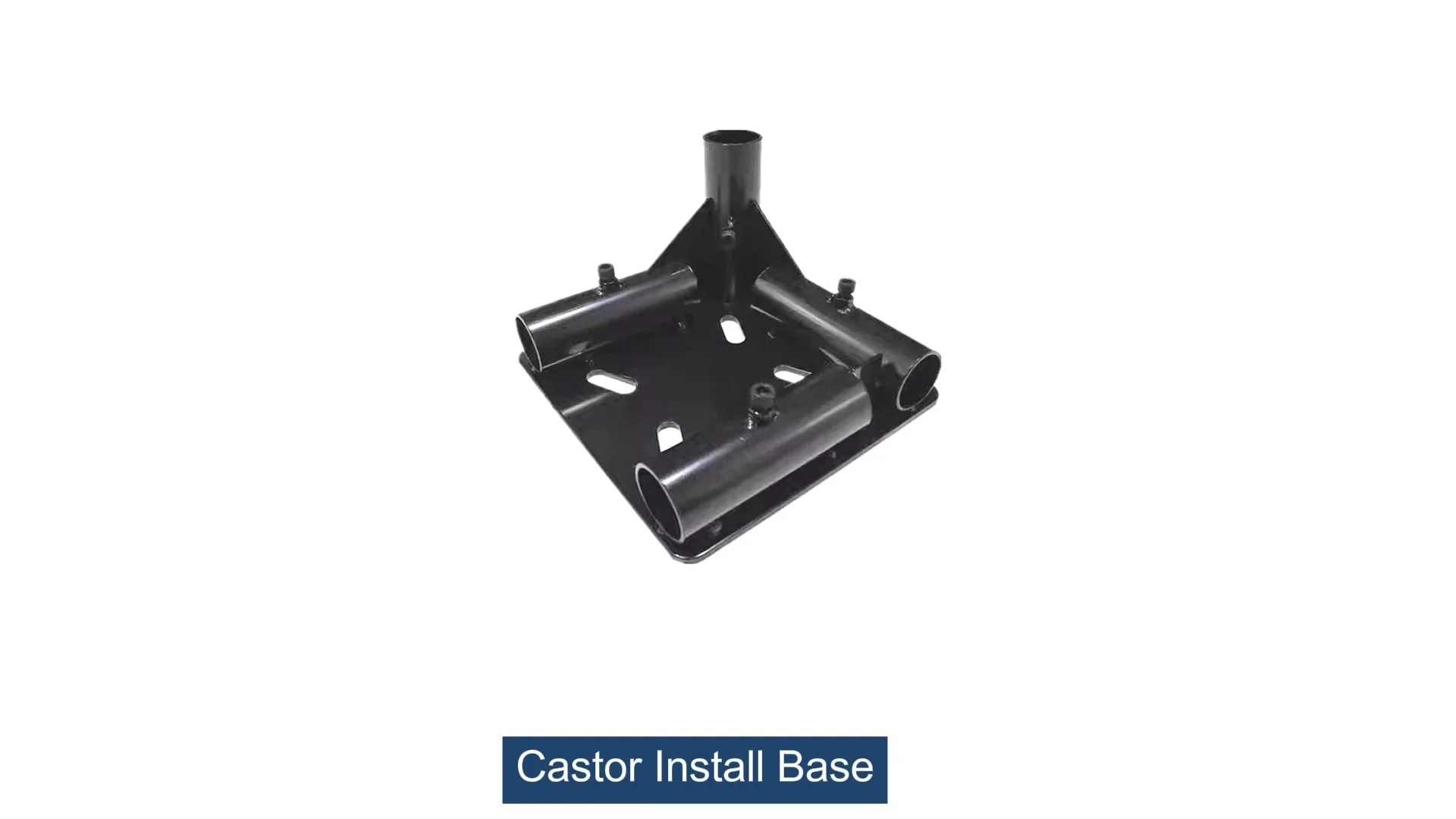
Castor Install Base
Castor install base, used for connection between pipe and castor, it can connect 4 pcs pipe by 1 pcs castor base, to make the structure strong and stable.
The Unseen Cost of Factory Noise: More Than Just a Distraction
Walk through any busy factory, and you'll hear a symphony of sounds: the whir of machinery, the clink of tools, the hum of ventilation systems. But among these, there's one sound that often flies under the radar yet chips away at productivity and well-being day after day—the high-pitched squeal of a poorly designed trolley, the rattling of metal against concrete, or the thud of heavy loads being moved. For workers on the floor, this isn't just background noise. It's a constant stressor that can lead to fatigue, difficulty concentrating, and even long-term hearing damage. For factory managers, it's a hidden drain on efficiency—studies show that persistent noise levels above 85 decibels can reduce task accuracy by up to 20% and increase error rates in assembly lines.
Much of this noise comes from the most workhorses of the factory floor: trolleys. Whether it's a turnover trolley and rack moving raw materials between stations, a parts cart shuttling components to a workbench, or a heavy-duty transporter carrying finished goods, these wheeled tools are in constant motion. And while most attention is paid to caster wheel design or floor quality, there's a critical component that often gets overlooked: the castor install base. This unassuming part—the interface between the caster wheel and the trolley frame—plays a surprisingly large role in how much noise a trolley generates. The material it's made from, its design, and how it interacts with both the wheel and the trolley can mean the difference between a quiet, smooth roll and a (cì'ěr—sharp, piercing) racket that echoes through the plant.
Why the Castor Install Base Matters: Beyond Just Holding Wheels in Place
To understand why the castor install base is so important for noise reduction, let's break down how a trolley moves. When a trolley is pushed or pulled, the caster wheel rotates, and the castor install base acts as a bridge—absorbing shocks from uneven floors, distributing the weight of the load, and keeping the wheel aligned. If the base is rigid or made of a hard material, any vibration from the wheel (caused by cracks in the floor, small debris, or even the wheel's own rotation) gets transferred directly to the trolley frame. From there, it vibrates, creating noise that radiates outward. Soft, flexible materials, on the other hand, can dampen these vibrations, acting like a buffer between the wheel and the frame. They absorb the energy that would otherwise turn into sound, quieting the trolley as it moves.
But it's not just about vibration absorption. The castor install base also affects how the caster wheel interacts with the floor. A base that's poorly fitted or made of a material with high friction can cause the wheel to wobble or stick, leading to jerky movements. This jerking not only increases noise but also makes the trolley harder to maneuver, increasing worker strain. In contrast, a well-designed base—made of a material that reduces friction and allows smooth rotation—lets the wheel roll evenly, cutting down on both noise and effort.
Perhaps most importantly, the castor install base's material impacts durability. A cheap, brittle base might crack or loosen over time, causing the wheel to shift out of alignment. A misaligned wheel doesn't just make more noise; it can damage floors, wear out caster accessories like bearings, and even pose a safety risk if the trolley tips. A durable base, however, maintains its shape and connection, ensuring that the wheel stays in place and operates quietly for longer.

Material Matters: Comparing Castor Install Base Options for Noise Reduction
Not all castor install base materials are created equal. Each has its own strengths and weaknesses when it comes to noise reduction, durability, and cost. Let's take a closer look at the most common options found in factories today, and how they stack up in real-world conditions.
Rubber: The Quiet Workhorse
Rubber is a popular choice for castor install bases, and for good reason. Its natural elasticity makes it excellent at absorbing vibrations—think of how a rubber mat muffles footsteps. When a trolley with a rubber castor install base rolls over a rough spot, the rubber compresses slightly, absorbing the shock instead of transferring it to the trolley frame. This not only reduces noise but also makes the ride smoother for the worker pushing it. Rubber also has high friction, which helps keep the caster wheel stable and prevents wobbling, further cutting down on rattling.
However, rubber isn't perfect. It can degrade over time when exposed to oils, chemicals, or extreme temperatures—common in factories with automotive or chemical processes. It's also heavier than some alternatives, which might add to the trolley's overall weight. For light to medium-duty use, though—like moving tools to a workbench or small parts in a electronics plant—rubber bases are hard to beat for noise reduction.
Plastic: Lightweight and Versatile
Plastic castor install bases, often made from nylon or polypropylene, are lightweight and resistant to corrosion—ideal for damp environments or facilities that use cleaning chemicals. Modern plastics can be engineered to have varying levels of flexibility, with some formulations designed specifically for vibration dampening. For example, reinforced plastic bases with built-in shock-absorbing ribs can mimic rubber's noise-reducing properties at a lower cost. They're also easy to mold into complex shapes, allowing for designs that cradle the caster wheel more securely, reducing movement and noise.
The downside? Plastic is less durable than metal or rubber under heavy loads. A plastic base might crack if used to transport very heavy items, like stacks of metal sheets on a turnover trolley and rack. It also has lower friction than rubber, which can lead to more wheel slippage on smooth floors, potentially increasing noise if the wheel skids. For light loads and clean environments, though, plastic bases offer a good balance of quiet operation and affordability.
Aluminum: The Strong, Silent Type
Aluminum might not seem like a noise-reducing material at first glance—it's hard and rigid, after all. But when designed correctly, aluminum castor install bases can be surprisingly quiet. The key is in the design: aluminum's strength allows for thinner, lighter bases that vibrate less than heavier metals like steel. Some manufacturers also add rubber or plastic inserts to aluminum bases, creating a hybrid system where the aluminum provides structural support and the inserts absorb vibrations. This combination is especially effective for heavy-duty trolleys, like those used to move large machinery parts, where durability is non-negotiable but noise is still a concern.
Aluminum is also resistant to rust and lightweight, making it easy to handle. Its main drawback is cost—aluminum bases are typically more expensive than rubber or plastic. But for factories that need a long-lasting solution for heavy loads, the investment can pay off in reduced noise and fewer replacements over time.
Steel: Durable but Noisy (Without Modifications)
Steel is the go-to for maximum durability—think of industrial trolleys that carry thousands of pounds. But untreated steel castor install bases are among the noisiest options. Their rigidity means every bump in the floor is transmitted directly to the trolley frame, creating loud clangs and rattles. However, steel can be modified to reduce noise. Adding a rubber coating to the base, or using steel with built-in vibration-dampening bushings (a type of caster accessory), can significantly cut down on sound. For example, a steel base with a rubber grommet where the caster wheel attaches acts as a buffer, absorbing vibrations before they reach the frame.
These modifications add cost, but for heavy-duty applications where steel is the only viable material—like in foundries or construction material plants—they're worth it. A steel base with noise-reducing accessories can provide the strength needed for extreme loads while keeping noise levels in check.
| Material | Noise Level (1-10, 10=Louder) | Durability (1-10) | Best For | Potential Drawbacks |
|---|---|---|---|---|
| Rubber | 3 | 7 | Light to medium loads, clean environments, workbench tools | Degrades in chemicals/oils, heavier than plastic |
| Plastic (Nylon/Polypropylene) | 4 | 6 | Light loads, damp/corrosive environments | Not ideal for heavy loads, can crack under stress |
| Aluminum (with inserts) | 4 | 9 | Heavy loads, high durability needs | Higher cost than rubber/plastic |
| Steel (with rubber coating) | 5 | 10 | Extreme heavy loads, foundries/construction | Heaviest option, requires modifications for noise reduction |

Real-World Impact: How One Factory Cut Noise by 30% with Better Castor Install Bases
The Problem: A mid-sized electronics assembly plant in the Midwest was struggling with noise complaints from workers. The factory floor, filled with turnover trolley and rack units moving circuit boards and components to workbenches, had average noise levels of 87 decibels—just above the OSHA action level of 85 decibels, requiring hearing protection. Workers reported headaches and difficulty communicating, leading to slower assembly times and more errors.
The Solution: The plant's facility manager decided to investigate the source of the noise. After measuring sound levels near different equipment, they found that the trolleys were the biggest culprits—specifically, the metal castor install bases on the turnover trolley and rack units. These bases were rigid and had worn connections, causing the caster wheels to rattle and vibrate loudly. The manager replaced the metal bases with rubber castor install bases on 50% of the trolleys and aluminum bases with rubber inserts on the heavier-duty models used for transporting bulk components.
The Result: Within two weeks, average noise levels dropped to 61 decibels—well below OSHA limits. Workers reported less fatigue, and assembly line accuracy improved by 15%. The plant also saw a reduction in caster wheel replacements, as the new bases reduced wear on the wheels by absorbing shocks better. "It's like night and day," one assembly line worker noted. "I can actually hear my coworker next to me now, and my back doesn't ache from pushing a noisy, jerky trolley all day."
This case study highlights a key point: noise reduction isn't just about comfort—it's about creating a safer, more productive workplace. By focusing on the castor install base, the factory addressed a root cause of noise and reaped benefits that went beyond quieter floors.

Choosing the Right Castor Install Base: A Practical Guide for Factory Managers
Selecting the best castor install base material for your factory's trolleys depends on several factors. Here's a step-by-step guide to making the right choice:
1. Assess Your Load Requirements
Start by determining how much weight your trolleys typically carry. Light loads (under 200 lbs)—like tools or small parts—can use rubber or plastic bases. Medium loads (200-500 lbs) might benefit from aluminum or reinforced plastic. Heavy loads (over 500 lbs) require steel or aluminum with vibration-dampening inserts.
2. Evaluate Your Environment
Consider the conditions on your factory floor: Are there oils, chemicals, or moisture? Plastic or aluminum bases resist corrosion better than rubber. Is the floor smooth or rough? Rubber's high friction works well on rough floors, while plastic might slip less on smooth surfaces. Extreme temperatures? Avoid rubber in very hot or cold areas, as it can harden or soften.
3. Test Before Full Deployment
Don't replace all bases at once. Start with a small batch of trolleys—maybe those used most frequently near workbenches or in high-traffic areas. Measure noise levels before and after replacement, and ask workers for feedback on maneuverability and comfort. This trial run will help you identify any issues (like plastic bases cracking under unexpected loads) before scaling up.
4. Consider Long-Term Costs
While rubber or plastic bases might be cheaper upfront, aluminum or steel could save money in the long run by lasting longer and reducing caster wheel and accessory replacements. Calculate the total cost of ownership—including maintenance, replacements, and potential productivity gains from reduced noise—to make an informed decision.
Conclusion: Small Changes, Big Impact
The castor install base might be a small part of a factory trolley, but its impact on noise reduction is anything but minor. By choosing the right material—whether rubber for light loads, aluminum for heavy-duty use, or plastic for versatility—factories can create quieter, more productive workplaces. Workers benefit from reduced stress and fatigue, managers see improved accuracy and lower turnover, and the entire facility becomes a safer, more pleasant environment.
So the next time you walk through your factory floor, take a moment to listen to the trolleys. The noise they make isn't just a nuisance—it's a clue. With the right castor install base, that clue can lead to a solution that transforms your workplace for the better. After all, in manufacturing, every detail counts—and sometimes, the quietest changes are the most powerful.