- Company Articles
- Products and Technology
- Product knowledge
- The Importance of 1.2mm Stainless Steel Pipe Thickness in Preventing Workbench Sagging

The Importance of 1.2mm Stainless Steel Pipe Thickness in Preventing Workbench Sagging
Related Product
1.2mm Stainless Steel Pipe
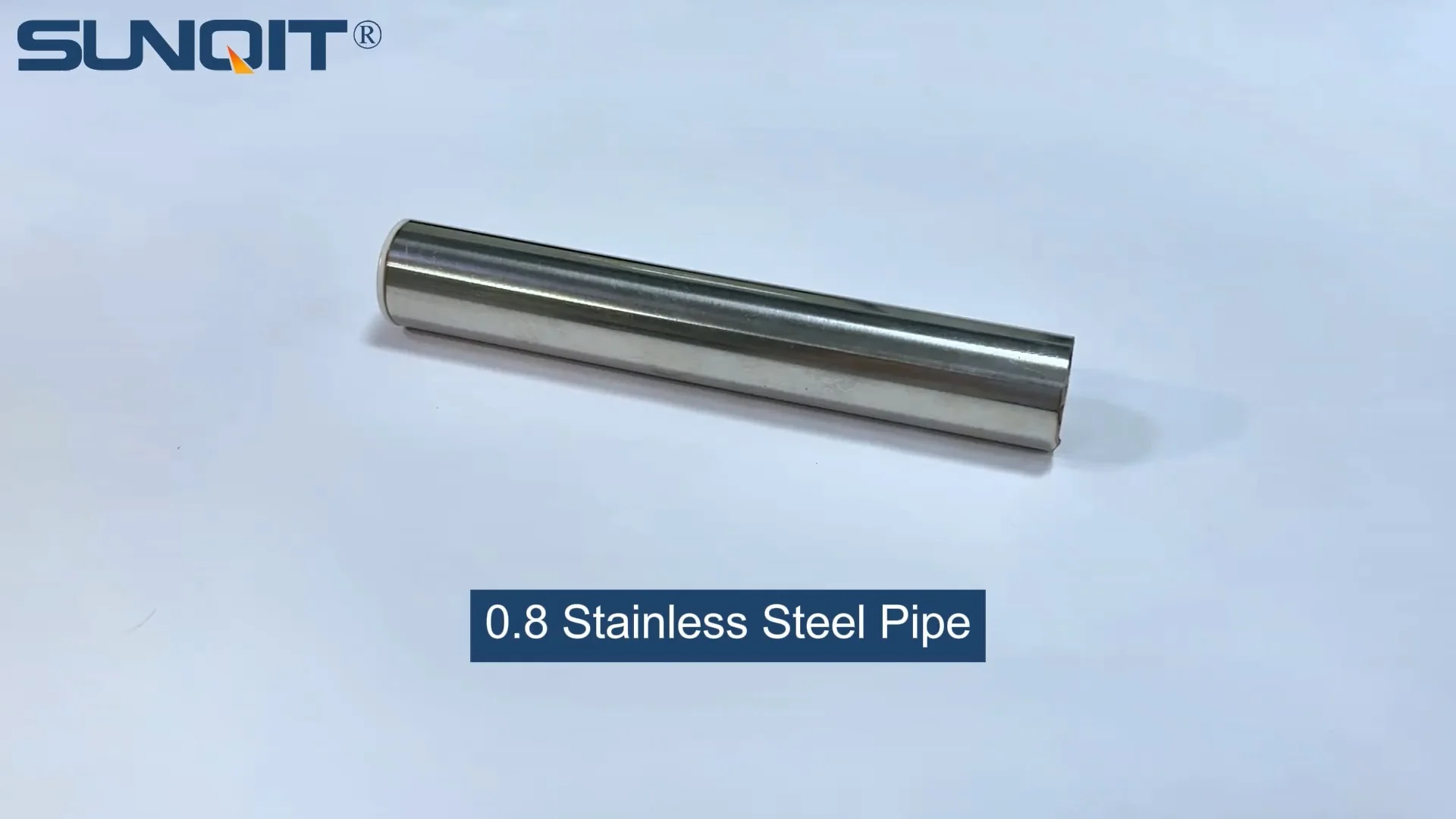
Stainless steel pipe, lean pipe, diameter is 28mm, material is SS201 or SS304, SS201 is normally used in the market. It knows a KARAKURI, KAIZEN material for industrial plant to improve efficiency, save labor cost, standard management.
Walk into any workshop, factory floor, or lab, and you'll likely spot a workbench holding court at the center of the action. It's more than just a table—it's the backbone of daily operations, supporting tools, materials, and the hands-on work that keeps businesses running. But what happens when that backbone starts to weaken? Sagging workbenches aren't just a minor annoyance; they throw off workflows, compromise safety, and even damage products. Today, we're diving into one critical factor that keeps workbenches sturdy: the thickness of stainless steel pipes. Specifically, why 1.2mm stainless steel pipes have become the unsung hero in preventing sagging—especially in lean pipe workbenches, where efficiency and reliability are non-negotiable.
Why Sagging Workbenches Are More Than Just a Nuisance
Let's start with the basics: What causes a workbench to sag? It's rarely a single issue, but more often a perfect storm of factors—overloading, poor material quality, or structural weaknesses. But one of the most common culprits? Inadequate pipe thickness. Think of it like a bridge: if the support beams are too thin, they'll bow under pressure. The same logic applies to workbenches, where pipes form the frame that holds everything together.
Sagging might start small—a slight dip in the middle of the work surface after a heavy tool is placed. But over time, that dip grows. Suddenly, tools roll off the edge, materials slide unevenly, and workers find themselves hunching or adjusting their posture to compensate. Ergonomics suffer, productivity drops, and worst-case scenario? A severe sag could lead to the workbench collapsing entirely, risking injury or costly equipment damage. For businesses relying on lean systems to streamline operations, a sagging workbench is a bottleneck in disguise.
Stainless Steel Pipe Series: The Foundation of a Sturdy Workbench
When it comes to workbench frames, not all pipes are created equal. Wood warps, aluminum bends under heavy loads, and flimsy plastics crack. That's where stainless steel pipe series shine. Stainless steel is prized for its strength, corrosion resistance, and durability—qualities that make it ideal for industrial settings where moisture, chemicals, or heavy use are part of the daily grind. But even within stainless steel, thickness matters. Let's zoom in on why 1.2mm has emerged as the gold standard.
The Sweet Spot: Why 1.2mm Thickness Stands Out
You might be wondering: Why 1.2mm? Why not go thinner to save costs or thicker for extra strength? Here's the thing: workbench design is all about balance. Too thin (say, 0.8mm or 1.0mm) and the pipes lack the rigidity to handle consistent loads. Too thick (1.5mm or more) and you're adding unnecessary weight and cost without meaningful gains in performance. 1.2mm hits that sweet spot—strong enough to resist sagging, light enough to keep the workbench mobile (especially if it has caster wheels), and affordable enough to fit most budgets.
Let's break it down by the numbers. A 1.2mm stainless steel pipe has a tensile strength that allows it to support up to 200-300kg of evenly distributed weight—more than enough for most industrial workbenches, which typically hold tools, parts, and assemblies weighing 50-150kg daily. Its thickness also minimizes flex: under load, the pipe bends less than 1mm per meter, which is imperceptible to the eye and irrelevant to workflow. Compare that to a 1.0mm pipe, which might flex 3-4mm under the same load—enough to start causing those annoying dips we talked about.
Stainless Steel Pipe Thickness: A Load-Bearing Comparison
| Pipe Thickness | Max Static Load (Evenly Distributed) | Flex Under 100kg Load (Per Meter) | Common Use Cases | Sag Risk Over 5 Years |
|---|---|---|---|---|
| 0.8mm | 80-120kg | 5-7mm | Light-duty shelves, temporary workstations | High (likely visible sagging) |
| 1.0mm | 120-180kg | 3-4mm | Home workshops, low-use lab benches | Moderate (possible sagging with heavy tools) |
| 1.2mm | 200-300kg | 0.5-1mm | Industrial workbenches, lean pipe workbenches, assembly lines | Low (negligible sagging) |
| 1.5mm | 300-400kg | 0.2-0.5mm | Heavy machinery bases, specialized industrial setups | Very Low (overkill for most workbenches) |
Beyond Thickness: How 1.2mm Pipes Work with Other Components
A workbench is only as strong as its weakest link. Even the sturdiest 1.2mm pipes won't perform well if paired with flimsy joints, cheap caster wheels, or a warped work surface. Let's talk about how 1.2mm stainless steel pipes complement other key components to keep sagging at bay.
Caster Wheels and Mobility: Many workbenches, especially in lean manufacturing setups, come with caster wheels for easy movement. When you roll a loaded workbench across the floor, the pipes absorb sudden jolts and weight shifts. Thinner pipes might bend under this dynamic load, but 1.2mm stainless steel holds its shape, ensuring the workbench remains stable even when in motion. It's like having shock absorbers built into the frame—quiet, reliable, and essential for daily use.
Roller Tracks for Material Flow: Lean pipe workbenches often integrate roller tracks to slide materials from one station to the next. These tracks rely on a level surface to function smoothly. A sagging frame would tilt the roller track, causing materials to jam or slide unevenly. 1.2mm pipes keep the frame flat, so roller tracks operate as intended—no more wrestling with stuck boxes or misaligned parts.
Joints and Connections: The best pipes in the world won't help if the joints connecting them are weak. 1.2mm pipes pair well with heavy-duty stainless steel joints, which distribute weight evenly across the frame. Thinner pipes, by contrast, can't always handle the clamping force of robust joints without deforming, leading to loose connections and, you guessed it, more sagging over time.

Real-World Impact: How 1.2mm Pipes Solve Sagging Problems
Let's step out of the technical details and into a real scenario. Imagine a mid-sized electronics assembly plant using lean pipe workbenches with 1.0mm stainless steel pipes. For months, workers had been complaining about "wonky" work surfaces—tools rolled to one side, circuit boards slid off edges, and the team spent extra time adjusting materials. The maintenance team checked the workbenches and found subtle sagging in the middle of each bench, about 3mm deep. Replacing the 1.0mm pipes with 1.2mm versions solved the problem overnight. Six months later, the workbenches still look brand-new, and productivity has ticked up by 8%—all because the team no longer wastes time fighting a sagging surface.
Another example: a automotive repair shop that switched from aluminum pipes to 1.2mm stainless steel pipes for their heavy-duty workbenches. Aluminum is lightweight, but it lacks the tensile strength of stainless steel. Their old aluminum workbenches sagged under the weight of engine parts, leading to scratched components and frustrated mechanics. The 1.2mm stainless steel upgrade? It's held up to 250kg loads daily for over two years with zero visible sag. As the shop manager put it: "We used to replace workbenches every 18 months. Now, I expect these to last a decade."

Why Cutting Corners on Thickness Costs More in the Long Run
It's tempting to opt for thinner pipes to save upfront costs. After all, 1.0mm stainless steel pipes are often 15-20% cheaper than 1.2mm versions. But here's the hidden cost: replacement and repair. A workbench with 1.0mm pipes might last 2-3 years before sagging becomes unmanageable. A 1.2mm bench? 7-10 years. Do the math: if a 1.0mm bench costs $200 and needs replacing every 3 years, that's $66 per year. A 1.2mm bench at $240, lasting 8 years? $30 per year. Add in the productivity losses from sagging (missed deadlines, damaged products, worker frustration), and the 1.2mm option becomes a no-brainer.
Then there's safety. A sagging workbench isn't just inefficient—it's a hazard. Tools or materials could fall off, injuring someone below. In regulated industries like pharmaceuticals or aerospace, a non-level work surface might even violate quality control standards, leading to failed inspections or costly rework. 1.2mm pipes eliminate these risks, turning a potential liability into a reliable asset.
Choosing the Right Workbench: What to Look For
Now that you know why 1.2mm stainless steel pipes matter, how do you ensure you're getting a workbench that uses them? Start by asking suppliers about pipe thickness—if they can't tell you, that's a red flag. Look for certifications: reputable manufacturers will specify that their stainless steel pipes meet ASTM or ISO standards for thickness and strength. Check the joints, too—they should be made of the same high-quality stainless steel to avoid weak points.
Don't forget to consider your specific needs. If your workbench will hold extremely heavy loads (300kg+), you might need 1.5mm pipes, but for most applications, 1.2mm is more than enough. And if mobility is key, pair those 1.2mm pipes with sturdy caster wheels—just make sure the wheel locks are robust enough to keep the bench stable when in use.
Final Thoughts: Invest in Strength, Reap the Rewards
A workbench is more than a piece of furniture—it's an investment in your team's productivity, safety, and morale. Sagging workbenches chip away at that investment, but 1.2mm stainless steel pipes are the simple, effective solution to keep them strong for years to come. Whether you're setting up a new lean system, upgrading an old workshop, or building custom workbenches for a specialized process, don't overlook the thickness of the pipes holding it all together. Choose 1.2mm stainless steel, and you'll be choosing reliability, efficiency, and peace of mind—one sturdy workbench at a time.