- Company Articles
- Products and Technology
- Product knowledge
- The Importance of Compression Set in Aluminum Profile Rubber Strips

The Importance of Compression Set in Aluminum Profile Rubber Strips
Related Product
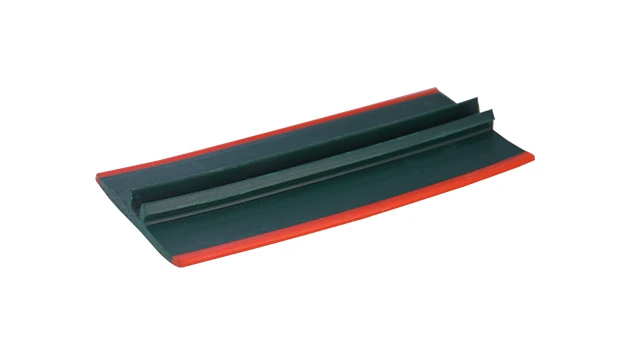
Aluminum Profile Rubber Strip
The tread strip fits into a T-slot channel and provides an anti-slip ribbed surface. It has a key pad that presses into a T-slot and is commonly used for adding traction on steps or as padding for doors. Tread strip can be ordered by rolls. The high quali
Introduction: The Unsung Guardian of Aluminum Profiles
It was a crisp Monday morning at a precision electronics assembly plant, and the production line ground to a sudden halt. Workers scratched their heads as inspectors traced the issue to a conveyor belt (keyword: conveyor) that had begun jamming. Upon closer look, the culprit wasn't a mechanical failure or a software glitch—it was a small, unassuming rubber strip along the edge of the aluminum extrusion profile (keyword: aluminum extrusion profile) guiding the components. Over time, the strip had lost its elasticity, staying compressed and creating friction that threw the entire line off balance. By midday, the delay had cost the plant thousands in lost productivity. This story isn't unique; it's a quiet reminder of how something as as a rubber strip can make or break industrial efficiency. And at the heart of that rubber strip's reliability? A property called compression set.
In the world of aluminum profiles—those versatile, lightweight structures that form the backbone of factories, workbenches, and machinery—rubber strips are the silent workhorses. They seal gaps, dampen vibrations, insulate against heat or electricity, and ensure smooth movement of parts. But for them to perform these roles day in and day out, they must maintain their shape and elasticity under constant pressure. That's where compression set comes in. In this article, we'll unpack what compression set is, why it matters for aluminum profile rubber strips (keyword: aluminum profile rubber strip), and how overlooking it can lead to costly consequences.
What Is Compression Set, Anyway?
Let's start with the basics. Imagine you press down on a sponge: when you let go, it bounces back to its original shape. Now, think of an old, worn-out sponge that stays squished even after you release it—that's a simple example of poor compression set. In technical terms, compression set is the measure of how well a material (like rubber) returns to its original thickness after being compressed for a set period at a specific temperature. It's usually expressed as a percentage: the lower the percentage, the better the material's ability to recover.
Everyday Analogy: Think of a rubber band. A new rubber band snaps back to size after stretching, but leave one in a drawer for years, and it might stay limp. That's compression set in action—over time, the rubber loses its "memory" and can't return to its original form. For aluminum profile rubber strips, this "memory" is critical because they're almost always in a compressed state, pressed between metal surfaces to create a seal or cushion.
For manufacturers, compression set isn't just a technical specification—it's a predictor of longevity. A rubber strip with a low compression set (say, 20% or less) will keep doing its job for years, while one with a high compression set (50% or more) might fail in months, leading to leaks, noise, or equipment breakdowns.

Why Aluminum Profiles Can't Afford Weak Rubber Strips
Aluminum extrusion profiles are everywhere. They form the frames of workbenches (keyword: workbench), the rails of conveyors, the shelving in warehouses, and even the structural supports in automotive assembly lines. What makes them so popular? They're lightweight, strong, and infinitely customizable, thanks to accessories like end caps, connectors, and—you guessed it—rubber strips. These strips fill the gaps between aluminum sections, turning rigid metal into a system that's both functional and durable.
The Many Roles of Rubber Strips in Aluminum Profiles
Rubber strips might seem simple, but they pull off multiple critical tasks:
- Sealing: In food processing plants or cleanrooms, rubber strips seal out dust, moisture, and contaminants, keeping production environments sterile.
- Cushioning: On conveyor belts, they absorb shocks as parts move, preventing scratches or damage to delicate components like circuit boards.
- Insulation: In electrical enclosures made from aluminum profiles, rubber strips prevent metal-to-metal contact, reducing the risk of short circuits.
- Noise Reduction: Without rubber strips, metal-on-metal contact in aluminum frames would create a constant clatter, making factories unbearable to work in.
The problem? All these roles require the rubber to stay compressed tightly against the aluminum. If the strip loses its elasticity (high compression set), it pulls away from the metal, creating gaps. A gap in a seal means contaminants sneak in; a gap in cushioning means parts get damaged; a gap in insulation means safety hazards. Suddenly, that "small" rubber strip becomes a critical failure point.

The High Cost of Ignoring Compression Set
Poor compression set doesn't just make rubber strips less effective—it hits the bottom line. Let's break down the real-world consequences:
1. Increased Maintenance and Downtime
When a rubber strip fails, someone has to replace it. That means shutting down the line, disassembling the aluminum profile, and installing a new strip. For a busy factory, even an hour of downtime can cost tens of thousands of dollars. Multiply that by frequent replacements, and the costs add up fast.
2. Product Defects and Waste
On a conveyor line for smartphone components, a worn rubber strip might cause parts to jostle or misalign, leading to scratched screens or bent connectors. Those defective products get scrapped, eating into profits. In one case study, a car parts manufacturer found that 15% of their defective door panels were due to rubber strips with high compression set failing to hold components steady during assembly.
3. Safety Risks
In industries like aerospace or medical device manufacturing, loose rubber strips can have dangerous consequences. A strip that falls out of an aluminum frame might jam a machine, causing it to overheat or malfunction. In extreme cases, this could lead to workplace accidents or, worse, faulty products reaching customers.
What Determines a Rubber Strip's Compression Set?
Not all rubber is created equal. The compression set of a rubber strip depends on several factors, from the type of rubber used to how it's manufactured. Let's break down the key players:
1. Rubber Material
Different rubbers have different natural resistance to compression set. Here's how common types stack up:
| Rubber Type | Typical Compression Set (22hr @ 70°C) | Best For |
|---|---|---|
| Silicone | 10-25% | High-temperature environments (ovens, engines) |
| EPDM | 20-35% | Outdoor use (resistant to UV and weathering) |
| Nitrile (NBR) | 25-40% | Oil or chemical exposure (hydraulic systems) |
| Neoprene | 30-50% | General-purpose, moderate heat and chemical resistance |
| Natural Rubber | 40-60% | Low-cost, non-critical applications (temporary seals) |
For aluminum profile rubber strips, silicone and EPDM are often top choices. Silicone handles the heat of industrial machinery, while EPDM stands up to the wear and tear of constant compression in conveyor rails or workbench edges.
2. Manufacturing Quality
Even the best rubber can perform poorly if it's not processed correctly. Factors like curing time, temperature, and the addition of fillers (like carbon black or plasticizers) affect how well the rubber retains its elasticity. A cheaply made EPDM strip might have a compression set of 50%, while a high-quality one from a reputable supplier could hit 20%.
3. Operating Conditions
Rubber strips don't exist in a vacuum. High temperatures, exposure to chemicals, and heavy loads all speed up compression set. For example, a rubber strip on a conveyor in a bakery (hot, humid) will degrade faster than one in a cool warehouse. That's why manufacturers must match the rubber type to the environment—using silicone in a hot area, EPDM outdoors, and so on.
Testing Compression Set: How Manufacturers Ensure Quality
So, how do you know if a rubber strip will hold up? The answer lies in standardized testing. The most common method is ASTM D395, which measures compression set by squeezing a rubber sample between two plates, exposing it to heat for a set time, then measuring how much it's permanently deformed.
Test Breakdown: A 12.7mm thick rubber sample is compressed to 75% of its original thickness (so down to 9.5mm) and heated to 70°C for 22 hours. After cooling, the compression is released, and the sample's new thickness is measured. If it to 11.7mm, the compression set is [(12.7-11.7)/12.7] x 100 = ~7.9%—excellent for long-term use.
Reputable suppliers of aluminum profile accessories (keyword: aluminum profile accessories) will provide compression set test results upfront. For buyers, this data is non-negotiable. A supplier who can't share test reports is a red flag—they might be cutting corners on material quality.
Real-World Consequences: When Compression Set Fails
To understand just how critical compression set is, let's look at a case study from the automotive industry. A major car manufacturer was using aluminum profiles to build assembly line workbenches for installing door panels. The workbenches used neoprene rubber strips to hold panels in place during installation. After six months, workers noticed panels were shifting more often, leading to misaligned screws and rework.
An investigation revealed the neoprene strips had a compression set of 45%—far higher than the 30% threshold recommended for the application. The strips had flattened out, losing their grip on the panels. The fix? Switching to EPDM strips with a compression set of 25%. Within a month, rework dropped by 60%, and the strips lasted over three years instead of six months. The cost of the upgrade was offset by savings in labor and scrap within the first quarter.
This story isn't an anomaly. From food processing plants where moisture leaks due to failed seals cause product recalls, to warehouses where conveyor jams from hardening rubber strips disrupt shipments, the message is clear: investing in low compression set rubber strips isn't an extra expense—it's insurance.
Choosing the Right Rubber Strip for Your Aluminum Profile
So, how do you pick a rubber strip with good compression set? Here's a checklist to guide you:
1. Know Your Environment
Ask: Will the strip be exposed to heat? Chemicals? UV light? For high temps, silicone is best. For outdoors, EPDM. For oil or solvents, nitrile.
2. Check the Compression Set Rating
Aim for 30% or lower for critical applications. Don't just take the supplier's word for it—ask for test data (ASTM D395 results are standard).
3. Consider Thickness and Hardness
Thicker strips can sometimes hide poor compression set initially, but they'll still fail faster. Shore hardness (a measure of rubber stiffness) matters too—softer rubbers (50-60 Shore A) compress more easily but need better recovery to maintain shape.
4. Don't Skimp on Quality
Cheap rubber strips might save money upfront, but they'll cost more in replacements and downtime. Look for suppliers who specialize in aluminum profile accessories and can provide material certifications.
The Future of Compression Set: Innovations in Rubber Technology
As industries demand longer-lasting, more sustainable solutions, rubber manufacturers are developing new formulations to improve compression set. One promising trend is the use of nano-fillers—tiny particles added to rubber compounds to molecular bonds, helping the material retain its shape longer. Early tests show these nano-enhanced rubbers can achieve compression sets as low as 15%, even in extreme temperatures.
Another trend is recyclable rubbers. Traditional rubber is hard to recycle, but new bio-based rubbers made from plant oils are showing comparable compression set performance to synthetic rubbers, with the added benefit of being eco-friendly. For companies aiming for sustainability goals, these could be a game-changer.
Conclusion: Small Strip, Big Impact
Aluminum extrusion profiles are the backbone of modern manufacturing, but they're only as strong as the accessories that hold them together. Rubber strips might be small, but their ability to maintain shape—their compression set—determines whether your equipment runs smoothly for years or becomes a source of endless headaches.
The next time you're specifying aluminum profile accessories, take a moment to ask about the compression set of the rubber strips. It's a small detail that can save you from big costs down the line. After all, in the world of manufacturing, the most important innovations often come in the smallest packages.
So, whether you're building a workbench, a conveyor, or a production line, remember: the right rubber strip isn't just an accessory—it's an investment in reliability. And in business, reliability is everything.