- Company Articles
- Products and Technology
- Product knowledge
- The Importance of Corrosion Resistance in Duplex Aluminum Pipe Joints

The Importance of Corrosion Resistance in Duplex Aluminum Pipe Joints
Related Product
Duplex Aluminum Pipe Joint
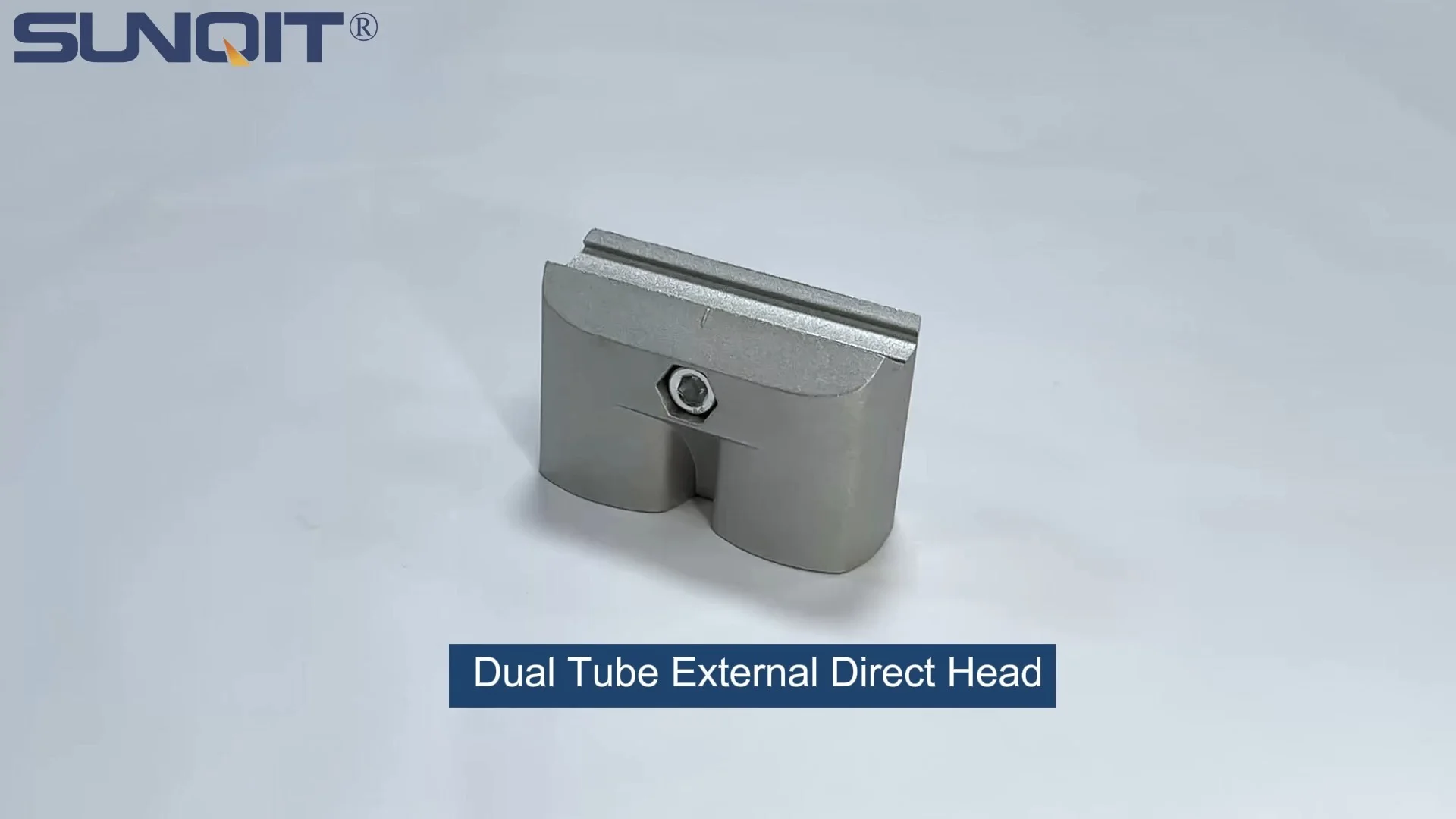
Duplex Aluminum pipe joint used for one pcs 28pcs aluminum pipe and one pcs of 28mm duplex pipe connection in straight angle.
In the bustling world of manufacturing and industrial operations, efficiency is king. We often celebrate the big machines, the high-tech robots, and the sleek assembly lines—but what about the unsung heroes holding it all together? Think about the workbenches where technicians assemble delicate components, the flow racks that keep materials moving smoothly, and the lean systems that minimize waste and maximize productivity. Behind all these structures lies a critical detail: the joints that connect pipes, rails, and frames. Today, we're shining a light on one such component that's quietly revolutionizing industrial durability: duplex aluminum pipe joints. And at the heart of their reliability? Corrosion resistance.
What Are Duplex Aluminum Pipe Joints, Anyway?
Let's start with the basics. Duplex aluminum pipe joints are specialized connectors designed to link aluminum pipes (or tubes) into sturdy, modular structures. Unlike rigid, one-size-fits-all fasteners, these joints are engineered for flexibility—they let you build, modify, and reconfigure everything from workbenches to material racks without welding or heavy tools. But what makes them "duplex"? The term often refers to their dual-layer design or ability to handle both structural load and environmental stress, making them a step up from standard aluminum joints.
Picture this: You're setting up a lean system in a busy factory. You need a workbench that can withstand daily use, a flow rack that keeps parts sliding smoothly to the assembly line, and maybe a turnover trolley to move materials between stations. Duplex aluminum pipe joints are the glue here. They connect the aluminum pipes, lock them in place, and ensure the entire structure stays stable—even when bumped, loaded with heavy parts, or exposed to the inevitable spills, humidity, and chemicals of a manufacturing floor.
The Silent Threat: Why Corrosion Matters in Industrial Joints
Corrosion is like a slow-motion earthquake for industrial structures. It doesn't happen overnight, but over time, it weakens materials, loosens connections, and turns sturdy joints into ticking time bombs. For anyone running a factory or warehouse, this isn't just a maintenance hassle—it's a threat to efficiency, safety, and the bottom line.
Let's break it down. When metal joints corrode, they lose their grip. A once-tight connection between two pipes starts to wiggle. At first, it's barely noticeable—maybe a slight rattle when you place a heavy box on the workbench. But as corrosion eats away at the joint's surface, that wiggle turns into wobble. Then, one day, the shelf on your flow rack tilts, spilling parts onto the floor. Or the workbench leg gives way, sending tools crashing. Suddenly, production stops. Technicians scramble to fix the issue. You're looking at downtime, replacement costs, and maybe even safety risks if a structure collapses entirely.
Consider a scenario in a food processing plant, where humidity is high and cleaning chemicals are everywhere. A standard steel joint might start rusting within months. In a automotive factory, oil spills and coolants can corrosion on unprotected metal. Even in a "clean" electronics facility, the constant temperature changes and static control measures (like ESD workbenches) can create microclimates that eat away at weak joints. Corrosion doesn't discriminate—it targets any unprotected metal, turning reliable structures into liabilities.
The Cost of Cutting Corners on Corrosion Resistance
It's easy to think, "Why not just use cheaper joints? We can replace them when they rust." But the math doesn't add up. Let's say you buy a basic steel joint for $5. It lasts 6 months before corrosion weakens it. Replacing it takes 2 hours of a technician's time (at $30/hour), plus the cost of a new joint. That's $5 + ($30x2) + $5 = $70 every 6 months. Over 5 years, that's $700 per joint. Now, compare that to a duplex aluminum pipe joint, which might cost $15 upfront but lasts 10+ years without corrosion. Even with installation, it's a fraction of the long-term cost. And that's not counting the hidden expenses: the production delays when a joint fails, the risk of damaged products, or the safety fines if a corroded structure causes an accident.

How Duplex Aluminum Fights Corrosion: The Science Behind the Strength
So, what makes duplex aluminum pipe joints so resistant to corrosion? It starts with the material itself: aluminum. Unlike steel, which rusts when exposed to oxygen and moisture, aluminum forms a thin, invisible layer of oxide on its surface. This layer acts like a shield, preventing further oxidation. But standard aluminum can still struggle in harsh environments—think saltwater, heavy chemicals, or constant humidity. That's where the "duplex" design comes in.
Duplex aluminum joints often combine the natural corrosion resistance of aluminum with additional protective features. Some have a secondary coating (like anodization) that thickens the oxide layer, making it even more durable. Others use alloy blends—mixing aluminum with small amounts of magnesium, zinc, or copper—to enhance strength and resistance to specific corrosive agents. For example, adding magnesium helps the joint stand up to salt spray, while copper improves its performance in acidic environments.
Another trick? The joint's design. Duplex aluminum pipe joints are often engineered with tight, sealed connections that minimize gaps where moisture or chemicals can seep in. They might have rubber gaskets, precision-machined threads, or smooth surfaces that are easy to clean—all of which reduce the chances of corrosion taking hold. Compare that to a cheap steel joint with rough edges and loose tolerances: water gets trapped, chemicals pool, and rust starts spreading before you know it.

Real-World Impact: Where Corrosion-Resistant Joints Make or Break Operations
To understand why corrosion resistance in duplex aluminum pipe joints matters, let's look at three common industrial setups where these joints shine: workbenches, flow racks, and lean systems.
1. Workbenches: The Heart of the Workshop
A workbench is more than just a table—it's where products are born. Whether it's assembling circuit boards, packaging medical devices, or repairing machinery, workbenches take a beating. Spills happen: oil, cleaning solvents, even coffee (we've all been there). Without corrosion-resistant joints, those spills can seep into the connections, causing the bench to wobble or the legs to weaken. A duplex aluminum joint, though? It laughs off the coffee spills and resists the harsh solvents, keeping the bench stable for years. Technicians can focus on their work, not worrying if the surface will collapse mid-assembly.
2. Flow Racks: Keeping Materials Moving
Flow racks are the arteries of a lean system, using gravity to slide materials from the back to the front, right where workers need them. The rails, rollers, and frames rely on joints to stay aligned. If a joint corrodes, the rail might tilt, causing parts to jam or slide unevenly. Suddenly, the "lean" system becomes a bottleneck as workers stop to unjam the rack. Duplex aluminum joints, with their resistance to moisture and chemicals, ensure the rails stay straight, the rollers keep spinning, and materials flow like clockwork—even in humid warehouses or factories with frequent floor cleanings.
3. Lean Systems: Minimizing Waste, Maximizing Longevity
Lean systems are all about efficiency—eliminating waste, reducing downtime, and making every component count. But a lean system is only as strong as its weakest link. If the joints holding up your kanban boards, material carts, or assembly stations corrode, you're not just wasting time on repairs—you're undermining the entire philosophy of lean. Duplex aluminum pipe joints align perfectly with lean principles: they're durable (so you don't waste money replacing them), modular (so you can reconfigure without buying new parts), and corrosion-resistant (so they keep working, no matter what the factory throws at them).

Corrosion Resistance Compared: How Duplex Aluminum Stacks Up
Still not convinced duplex aluminum is the way to go? Let's put it head-to-head with other common joint materials. The table below compares corrosion resistance, cost, and practicality for industrial use:
| Material | Corrosion Resistance (1-10) | Weight | Long-Term Cost | Best For |
|---|---|---|---|---|
| Duplex Aluminum | 9 | Light (easy to install/move) | Low (10+ year lifespan) | Workbenches, flow racks, lean systems, humid/chemical environments |
| Standard Steel | 4 | Heavy (hard to reconfigure) | High (replaces every 6-12 months) | Dry, indoor, low-use areas |
| Stainless Steel | 8 | Medium-Heavy | Medium-High (expensive upfront) | Food processing, marine environments (but overkill for most factories) |
| Plastic | 7 | Very Light | Medium (weak under heavy loads) | Light-duty shelving, dry environments |
As you can see, duplex aluminum strikes a sweet spot: it's nearly as corrosion-resistant as stainless steel but lighter, more affordable, and better suited for the modular needs of modern lean systems. For most industrial settings—from automotive plants to electronics factories—it's the clear winner.
Beyond the Joint: How Corrosion Resistance Strengthens Entire Lean Systems
Corrosion-resistant duplex aluminum joints don't just protect themselves—they make the entire lean system more reliable. Let's circle back to that factory example. Imagine you've built a lean system with duplex joints: workbenches that stay stable, flow racks that never jam, and material carts that roll smoothly for years. What happens next? Downtime drops because you're not stopping production to fix corroded joints. Workers feel more confident using the equipment, which boosts morale and productivity. And because the system is modular, you can easily expand or reconfigure it as your needs change—no need to buy all-new parts when you add a new assembly line.
It's also worth mentioning sustainability. Corrosion-resistant joints last longer, which means fewer replacements end up in landfills. Aluminum is also highly recyclable, so even when a joint finally reaches the end of its life, it can be melted down and repurposed. For companies aiming to reduce their environmental footprint, this is a big win.
Maintenance Tips: Keeping Duplex Aluminum Joints Corrosion-Free
While duplex aluminum pipe joints are tough, they're not invincible. A little maintenance goes a long way in maximizing their lifespan. Here are a few simple tips:
- Keep them clean: Wipe down joints with a damp cloth regularly to remove dust, oil, or chemical spills. For tough grime, use a mild detergent (avoid harsh abrasives that can scratch the protective oxide layer).
- Check for tightness: Over time, vibrations can loosen joints. A quick monthly check with a wrench to snug them up prevents gaps where moisture can sneak in.
- Inspect for damage: Look for dents, cracks, or deep scratches. Even corrosion-resistant joints can fail if the protective layer is compromised—replace any damaged joints promptly.
- Avoid extreme conditions when possible: If you're using joints outdoors or in highly corrosive areas (like near saltwater), consider adding a protective spray or covering them during extended downtime.
Conclusion: Corrosion Resistance—The Foundation of Industrial Reliability
At the end of the day, duplex aluminum pipe joints are more than just connectors. They're guardians of industrial efficiency. By prioritizing corrosion resistance, manufacturers and facility managers can build lean systems, workbenches, and flow racks that stand the test of time—reducing costs, minimizing downtime, and creating safer, more productive workplaces.
So the next time you walk through a factory, take a second look at the structures around you. The workbench where a technician assembles a smartphone, the flow rack feeding parts to a robot, the lean system that keeps everything moving like clockwork—they all rely on joints that won't let them down. And with duplex aluminum pipe joints, that reliability starts with corrosion resistance. It's not the sexiest topic, but it's the backbone of a operation that runs like a well-oiled machine.
In the end, it's simple: when your joints don't corrode, your business doesn't slow down. And in today's fast-paced world, that's the ultimate competitive advantage.