- Company Articles
- Products and Technology
- Product knowledge
- The Importance of Corrosion Resistance in One Side Rotatory Chrome Parallel Lean Pipe Joints

The Importance of Corrosion Resistance in One Side Rotatory Chrome Parallel Lean Pipe Joints
Related Product
Parallel Lean Pipe Joint
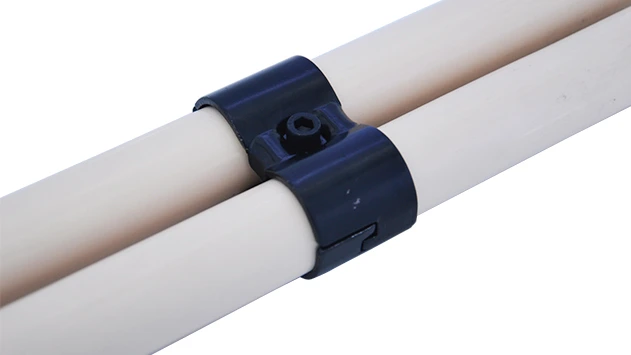
Parallel lean pipe joint used for 2 pcs 28MM lean pipe connection in parallel direction to enhance frame structure, usually for heavy payload requirement for workbench. flow rack, hand trolley.
Lean Systems: Where Details Make the Difference
Walk into any modern manufacturing facility, and you'll likely see the hallmarks of a lean system at work: streamlined workbenches, materials flowing smoothly along roller tracks, and workstations that adapt as quickly as production demands change. Lean systems aren't just about big-picture efficiency—they're built on the small, often overlooked components that keep everything connected and functional. Among these unsung heroes are lean pipe joints, the critical links that transform simple pipes into dynamic workspaces, flow racks, and conveyor systems.
Today, we're focusing on a component that's easy to take for granted until it fails: the one side rotatory chrome parallel lean pipe joint. This unassuming piece of hardware does more than just connect pipes—it enables the flexibility that makes lean systems so powerful. Need to adjust a workbench height for a new operator? Rotate the joint. Reconfigure a flow rack to accommodate a larger part? The rotatory function makes it possible. But there's one feature of this joint that deserves far more attention than it gets: corrosion resistance. In the following sections, we'll explore why this single attribute can mean the difference between a lean system that thrives for years and one that becomes a source of constant headaches, downtime, and unexpected costs.
Anatomy of a Workhorse: What Makes This Joint Essential
Let's start with the basics: what exactly is a one side rotatory chrome parallel lean pipe joint? Picture a small, cylindrical component with threaded ends designed to screw onto lean pipes. What sets it apart is its unique design: one side is fixed, while the other allows for 360-degree rotation, giving workers the ability to pivot connected pipes or structures without disconnecting them. The "parallel" designation means it's engineered to keep connected pipes aligned in parallel, ensuring stability even as the joint rotates. And then there's the chrome plating—a thin, shiny layer that covers the steel base, adding both durability and a polished finish.
These joints are everywhere in lean environments. They're the reason your aluminum workbench can tilt to a comfortable angle, why your flow rack can be adjusted to guide materials more efficiently, and how your team can reconfigure a production line overnight to meet a sudden order surge. In short, they're the reason lean systems live up to their promise of adaptability. But here's the catch: all that movement, combined with the harsh conditions of most manufacturing floors, makes these joints particularly vulnerable to corrosion. And when corrosion strikes, it doesn't just affect the joint—it compromises the entire system.

Corrosion: The Silent Saboteur of Lean Efficiency
Corrosion is manufacturing's quiet enemy. It doesn't announce itself with a bang; it creeps in, starting as a tiny rust spot and spreading until the joint weakens or seizes. In factories, the odds are stacked against metal components: humidity from steam-cleaning, oils from machinery, chemical cleaners, and even the salt in the air near coastal facilities all the process. For a one side rotatory chrome parallel lean pipe joint, which relies on smooth movement to function, corrosion is especially destructive.
Imagine this scenario: You're running a busy automotive assembly line, and a new part design requires adjusting a flow rack. The operator tries to rotate the joint to reposition the rack, but it's stuck solid—rust has fused the moving parts together. What should take 5 minutes now takes an hour of wrestling with WD-40 and pliers, holding up production. Or worse: a corroded joint on an aluminum workbench fails, causing tools to crash to the floor. Suddenly, your "lean" system is anything but—wasting time, risking injury, and costing money.
The financial toll adds up quickly. A single seized joint might cost $10 to replace, but the downtime while your team troubleshoots? That could be thousands in lost production. Multiply that across dozens of joints in a large facility, and the numbers become staggering. Corrosion doesn't just damage hardware—it erodes the very efficiency lean systems are built to create.

Chrome Plating: The Unsung Hero of Corrosion Resistance
So, what makes the chrome plating on these joints so critical? It's simple: chromium is nature's armor for steel. When applied as a thin layer over the joint's steel core, chrome creates a barrier that blocks moisture, chemicals, and oxygen from reaching the metal underneath. Unlike paint or other coatings, chrome plating is incredibly hard and wear-resistant, so it stands up to the constant movement and friction of rotatory joints. It's not just about preventing rust—it's about maintaining functionality.
To appreciate why chrome is such a smart choice, let's compare it to other common materials used in lean systems. Take stainless steel pipe series, for example. Stainless steel is legendary for corrosion resistance, thanks to its high chromium content. It's ideal for extreme environments like food processing plants or coastal facilities where salt air is a problem. But stainless steel joints are heavier and often pricier than chrome-plated steel, making them overkill for most general manufacturing settings.
Aluminum pipe is another option, prized for its lightweight and natural resistance to corrosion (aluminum forms a protective oxide layer on its surface). But aluminum lacks the tensile strength of steel, so it's not the best choice for joints supporting heavy loads—like a workbench stacked with power tools or a flow rack holding cast iron parts. Chrome-plated steel hits the sweet spot: strong enough for heavy use, affordable enough for widespread deployment, and corrosion-resistant enough to stand up to the average factory's daily challenges.
| Joint Material | Corrosion Resistance | Strength for Heavy Loads | Cost-Effectiveness | Best For |
|---|---|---|---|---|
| Chrome-Plated Steel (One Side Rotatory Parallel Joint) | High | Excellent | Very Good | General manufacturing, automotive plants, electronics assembly, warehouses |
| Stainless Steel (Stainless Steel Pipe Series) | Excellent | Excellent | Fair (Higher upfront cost) | Food processing, chemical plants, coastal facilities with salt exposure |
| Aluminum Pipe | Good | Moderate (Not ideal for heavy loads) | Good | Light-duty workbenches, temporary setups, weight-sensitive applications |
| Uncoated Steel | Poor | Excellent | Good (But high long-term costs) | Indoor, dry environments with zero moisture/chemical exposure (not recommended for lean systems) |
Real-World Stories: When Corrosion Resistance Saved the Day
Case Study 1: The Auto Plant That Avoided a Shutdown
A mid-sized automotive parts manufacturer in Michigan was gearing up for a production rush when a maintenance check revealed rust on several uncoated steel joints in their main flow rack system. The plant manager, recalling a previous shutdown caused by a corroded joint failure, made a snap decision to replace all critical joints with one side rotatory chrome parallel lean pipe joints. Two weeks later, a heat wave hit, driving humidity levels in the factory to 85%. While other metal components showed signs of rust, the chrome-plated joints held strong. The plant met its production targets without a single minute of downtime—a decision that paid for itself in just one week.
Case Study 2: The Electronics Facility's Cleanroom Solution
In the ultra-clean environment of an electronics manufacturing cleanroom, even the smallest particle can ruin a batch of microchips. When the facility upgraded its workbenches to aluminum workbench E models (single deck, without casters), they specified chrome-plated joints for two reasons: corrosion resistance and easy cleaning. The smooth chrome surface doesn't trap dust or harbor bacteria, and it stands up to the daily alcohol wipe-downs required for cleanroom compliance. Three years later, the joints still look brand-new, and the facility has maintained a perfect compliance record—all while avoiding the cost of replacing corroded hardware.
Case Study 3: The Warehouse That Weathered Hurricane Season
A distribution center in Florida learned the hard way about corrosion after Hurricane Irma flooded its loading dock area in 2017. While many metal components rusted beyond repair, the one side rotatory chrome parallel lean pipe joints on their roller track systems survived with minimal damage. The chrome plating acted as a barrier, preventing saltwater from eating into the steel. When the facility needed to rebuild quickly, those joints became the foundation of their recovery, saving weeks of downtime and tens of thousands in replacement costs.
Pro Tips: Extending the Life of Your Chrome-Plated Joints
Even the best corrosion-resistant joints need a little TLC to stay in top shape. Here's how to make sure your one side rotatory chrome parallel lean pipe joints last for years:
1. Keep Them Clean (But Gently)
Wipe joints with a soft cloth and mild soap weekly to remove oils and debris. Avoid abrasive pads or harsh chemicals like bleach, which can scratch the chrome. For stubborn grime, a solution of baking soda and water works wonders—just rinse thoroughly and dry immediately.
2. Inspect for Chips in the Chrome
During routine checks, look for tiny chips or scratches in the chrome plating. Even a small nick can let moisture in, so touch it up with a chrome-specific repair pen (available at hardware stores). For larger damage, replace the joint—don't wait for rust to set in.
3. Lubricate the Rotatory Mechanism
A drop of lightweight machine oil on the rotatory part of the joint every month keeps it moving smoothly and prevents wear that can expose the steel. Avoid heavy greases, which attract dust and grit.
4. Control the Environment
If possible, use dehumidifiers in damp areas, and clean up spills immediately—especially chemicals like coolants or degreasers. Even a small puddle near a joint can spell trouble over time.
Why Cutting Corners on Corrosion Resistance Costs More in the Long Run
It's tempting to opt for cheaper, uncoated joints to save a few dollars upfront. But as we've seen, the true cost of poor corrosion resistance is measured in downtime, repairs, and lost productivity. A chrome-plated joint might cost 20-30% more than an uncoated one, but it will last 3-5 times longer in most factory environments. When you factor in the cost of replacing a seized joint during a production run—including labor, downtime, and potential damage to materials—the investment in corrosion resistance becomes a no-brainer.
Think of it this way: your lean system is only as strong as its weakest link. Skimping on critical components like joints undermines the very efficiency you're trying to build. Corrosion-resistant joints aren't just a purchase—they're an investment in the reliability and longevity of your entire operation.
Conclusion: Corrosion Resistance—The Foundation of Lean Longevity
In the world of lean manufacturing, success lies in the details. The one side rotatory chrome parallel lean pipe joint might seem like a small component, but its role in keeping your system flexible, safe, and efficient is enormous. And at the heart of that role is corrosion resistance. Chrome plating isn't just a cosmetic feature—it's a protective barrier that ensures your joints keep moving, your production keeps flowing, and your costs stay in check.
So the next time you're setting up a new lean system or replacing worn components, remember: the joints you choose today will shape your efficiency tomorrow. Invest in corrosion resistance, and you'll be investing in a lean system that adapts, endures, and delivers results for years to come. After all, in lean manufacturing, the goal isn't just to work smarter—it's to work smarter for the long haul.