- Company Articles
- Products and Technology
- Product knowledge
- The Importance of Duplex Aluminum Pipe Joint in Modular Workstations

The Importance of Duplex Aluminum Pipe Joint in Modular Workstations
Related Product
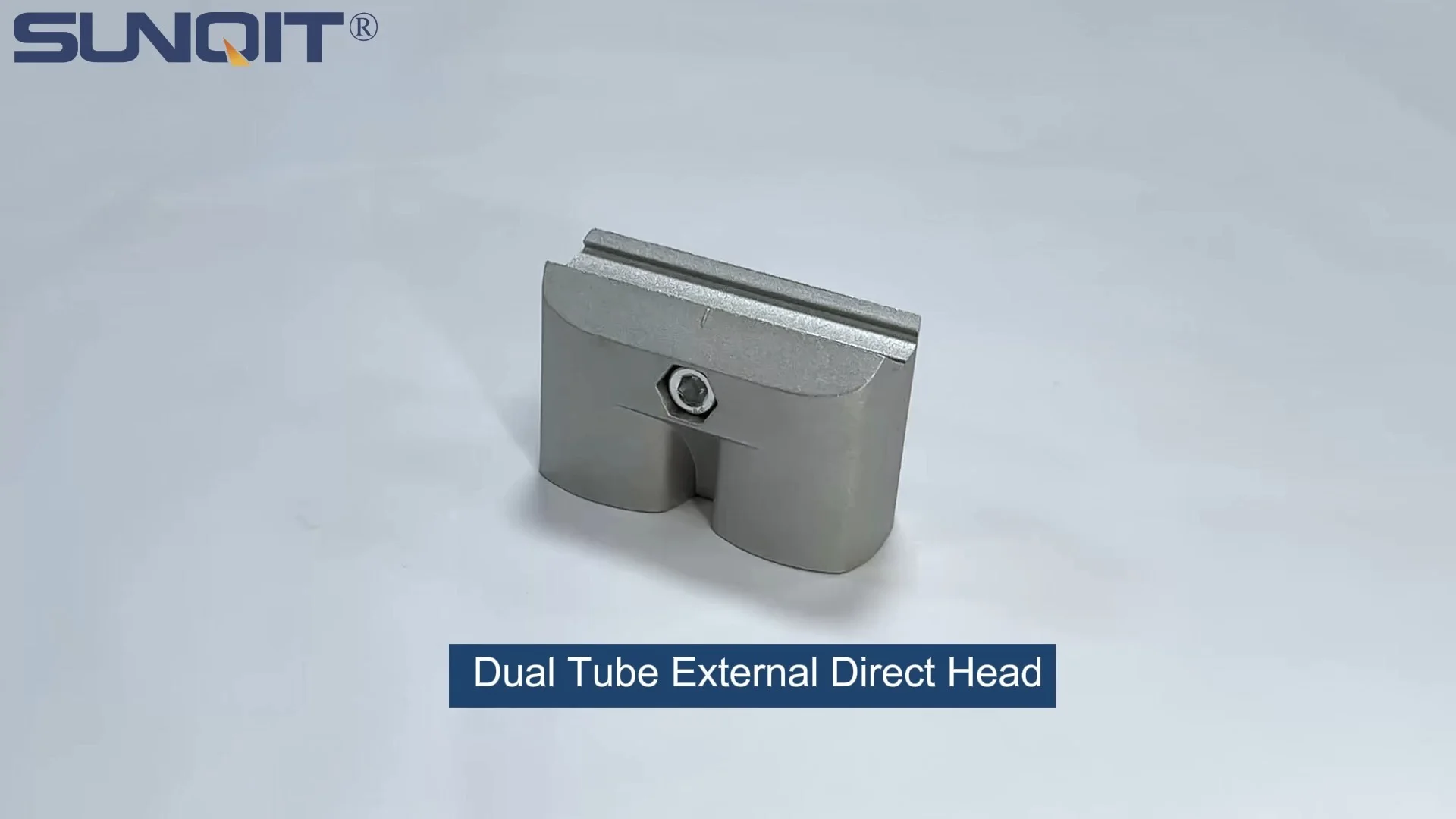
Duplex Aluminum Pipe Joint
Duplex Aluminum pipe joint used for one pcs 28pcs aluminum pipe and one pcs of 28mm duplex pipe connection in straight angle.
Introduction: The Rise of Modular Workstations in Modern Manufacturing
In today's fast-paced manufacturing landscape, where production lines shift between products overnight and customer demands evolve by the minute, the ability to adapt quickly isn't just a luxury—it's a survival skill. This is where modular workstations have emerged as unsung heroes. Unlike rigid, fixed structures that lock teams into a single workflow, modular workstations are designed to be reconfigured, expanded, or repurposed with minimal effort. They're the chameleons of the factory floor, transforming from assembly stations for smartphones in the morning to testing benches for medical devices by afternoon. But what makes these workstations truly flexible? The answer lies in their smallest yet most critical components: the joints that hold everything together.
While workbenches, aluminum profiles, and conveyor systems often get the spotlight, it's the joints that determine a workstation's agility. A weak or rigid joint can turn a "modular" setup into a frustrating, immovable obstacle. On the flip side, a well-designed joint can turn even basic aluminum pipes into a dynamic, adaptable framework. Among the various joint types available—steel, plastic, and composite—one stands out for its unique blend of strength, flexibility, and compatibility: the duplex aluminum pipe joint. In this article, we'll explore why this unassuming component has become a cornerstone of modern modular workstations, supporting lean system principles and driving efficiency in factories worldwide.
What Are Duplex Aluminum Pipe Joints? Breaking Down the Basics
Let's start with the basics: What exactly is a duplex aluminum pipe joint? At its core, it's a specialized connector designed to link aluminum pipes (or aluminum profiles) in modular structures. The term "duplex" hints at its dual functionality—these joints aren't just for static connections; they often allow for rotation, adjustment, or quick disassembly, making them far more versatile than traditional fixed joints. Crafted from high-grade aluminum alloy, they're engineered to balance lightweight design with impressive load-bearing capacity, a combination that's hard to find in other materials like steel or plastic.
To visualize this, think of a typical modular workstation. It might include a workbench surface supported by aluminum pipes, side racks for tools, and a roller track for moving materials. Each of these components is connected by joints. A duplex aluminum pipe joint here would not only secure the pipes vertically to the workbench but also allow the side racks to be adjusted in height or angle without needing to replace the entire structure. This dual capability—stability when needed, flexibility when required—is what sets duplex joints apart.
Another key feature is their compatibility with aluminum pipe accessories. Whether you're adding caster wheels for mobility, a tray holder for tools, or a side guard for safety, duplex joints are designed to integrate seamlessly with a wide range of accessories. This means you're not locked into a single brand or system; you can mix and match components to create a workstation tailored to your exact needs. For manufacturers, this translates to fewer constraints and more creative problem-solving.

The Features That Make Duplex Aluminum Pipe Joints Indispensable
Duplex aluminum pipe joints aren't just "good enough"—they're engineered with specific features that address the unique challenges of modern manufacturing. Let's break down the most critical ones:
- Lightweight Yet Durable: Aluminum is naturally lighter than steel, which reduces the overall weight of the workstation. This makes it easier to move (especially when paired with caster wheels) and reduces strain on workers during reconfiguration. Despite their lightness, duplex joints are surprisingly strong, thanks to precision engineering and high-quality aluminum alloys. They can support heavy workbench surfaces, tool racks, and even loaded material trays without bending or warping over time.
- Corrosion Resistance: Manufacturing environments can be tough—think oil, coolant, or humidity. Unlike steel joints, which rust when exposed to moisture, aluminum joints form a natural oxide layer that resists corrosion. This extends their lifespan, reducing the need for frequent replacements and lowering long-term maintenance costs.
- Tool-Free Assembly (or Minimal Tools): Time is money on the factory floor, and waiting for a technician with a wrench to assemble or adjust a workstation is a waste of both. Many duplex aluminum pipe joints are designed for tool-free assembly—simply twist, lock, or snap them into place. Even when tools are needed, they typically require only a hex key or a standard screwdriver, making adjustments quick and accessible to any team member.
- Adjustable and Reusable: One of the biggest advantages of modular workstations is their ability to evolve. A duplex joint might allow a pipe to rotate 360 degrees, tilt at a 45° angle, or slide along the aluminum profile to a new position. When a project ends or a workflow changes, these joints can be disassembled, and the pipes and accessories reused in a new configuration. This reusability aligns perfectly with lean system principles, where waste reduction (including material waste) is a top priority.
- ESD Compatibility: In industries like electronics manufacturing, electrostatic discharge (ESD) can damage sensitive components. Many duplex aluminum pipe joints are available in ESD-safe versions, where the aluminum is treated to dissipate static electricity. This ensures the workstation itself doesn't become a source of product defects—a critical feature that plastic joints (which often build up static) can't match.

The Benefits: How Duplex Joints Drive Efficiency and Savings
Features are important, but what do they mean for your bottom line? Let's translate these technical specs into real-world benefits that manufacturers care about:
Faster Setup and Reduced Downtime: Traditional workstations built with welded steel or bolted joints can take hours (or even days) to assemble. With duplex aluminum pipe joints, a basic workbench can be set up in under an hour by a single worker. This speed is a game-changer during production line launches or retooling. For example, if a customer suddenly increases an order and you need to add three new assembly stations, you can have them up and running by the end of the shift—not the end of the week.
Lower Labor Costs: Because duplex joints are easy to assemble and adjust, you don't need specialized technicians. Line workers or supervisors can handle reconfigurations themselves, freeing up maintenance teams for more critical tasks. Over time, this reduces labor costs and empowers frontline teams to take ownership of their workspace.
Improved Ergonomics: A workstation that's uncomfortable leads to tired workers, slower production, and higher injury rates. Duplex joints make it easy to adjust the height of a workbench, the angle of a tool rack, or the position of a monitor arm. For example, a worker with a shoulder injury can lower their work surface by simply loosening a joint, sliding the pipe, and retightening—no need to build a workstation. This focus on ergonomics boosts morale and productivity.
Support for Lean Manufacturing: Lean system principles are all about eliminating waste—whether it's time, materials, or space. Duplex aluminum pipe joints support this by enabling just-in-time workstation assembly (no storing pre-built structures), reusing materials (reducing waste), and minimizing downtime during reconfigurations (saving time). In a lean facility, every minute and every dollar counts, and duplex joints help squeeze out inefficiencies at every turn.
Scalability: As your business grows, your workspace needs grow too. With duplex joints, scaling up is simple. Need to add a second shelf to a material rack? Just add a few pipes and joints. Want to extend a conveyor system? Connect new roller tracks using compatible joints. There's no need to invest in entirely new workstations—you can build on what you already have, keeping costs low and growth sustainable.

Comparing Duplex Aluminum Pipe Joints to Other Joint Types: A Clear Winner
To truly appreciate duplex aluminum pipe joints, it helps to compare them to the alternatives. Let's see how they stack up against steel joints and plastic joints, two common competitors:
| Criteria | Duplex Aluminum Pipe Joint | Steel Joint | Plastic Joint |
|---|---|---|---|
| Material | High-grade aluminum alloy | Mild steel or stainless steel | ABS or nylon plastic |
| Weight | Lightweight (30-50% lighter than steel) | Heavy; increases workstation weight | Lightweight, but less durable |
| Durability | High; corrosion-resistant and impact-resistant | High, but prone to rust without coating | Low; prone to cracking under heavy loads |
| Flexibility | Excellent; adjustable, reusable, and rotatable | Poor; often fixed (welded or bolted permanently) | Moderate; some adjustability, but limited load capacity |
| Cost | Mid-range upfront; low long-term (reusable, low maintenance) | High upfront (material + welding labor); high maintenance (rust treatment) | Low upfront; high long-term (frequent replacements) |
| ESD Compatibility | Yes (with ESD-treated variants) | Yes (conductive), but heavy | No (insulative; builds static electricity) |
| Assembly Time | Fast (tool-free or minimal tools) | Slow (requires welding or heavy bolting) | Fast, but less secure |
As the table shows, duplex aluminum pipe joints strike a balance that steel and plastic joints can't match. Steel joints are strong but rigid and heavy; plastic joints are cheap but flimsy. Duplex aluminum joints offer the best of both worlds: strength without the weight, flexibility without the fragility, and cost-effectiveness over the long haul.
Real-World Impact: How a Electronics Manufacturer Boosted Efficiency with Duplex Joints
Let's put this into context with a real example. A mid-sized electronics manufacturer in Texas was struggling with rigid workstations. Their production line switched between three different smartphone models monthly, and each model required a slightly different workstation setup—taller shelves for larger components, lower workbenches for intricate assembly, and different tool placements.
Previously, they used steel-welded workstations. Retooling for a new model took 8 hours: workers had to disassemble the old setup, weld new frames, and repaint to prevent rust. This downtime cost them roughly $16,000 per retool (based on lost production). Plus, the steel workstations were heavy, so moving them to different parts of the factory required forklifts, adding even more time.
They switched to modular workstations built with aluminum profiles and duplex aluminum pipe joints. The results were dramatic: Retooling time dropped to 1 hour—no welding, no painting, just loosening joints, adjusting pipes, and resecuring. Labor costs for retooling fell by 90%, and downtime-related losses dropped to $2,000 per switch. The lighter workstations could be moved by two workers instead of a forklift, and the ESD-safe duplex joints eliminated static-related defects, which had been costing them $5,000 monthly in scrap.
After six months, the manufacturer had saved over $100,000—more than enough to offset the initial investment in the new system. "It's not just about the money," said their production manager. "It's about the freedom to adapt. We can test new workflows in a day instead of a week, and our workers are happier because they're not stuck with uncomfortable, fixed stations."
Applications Beyond Workstations: Where Else Do Duplex Joints Shine?
While workstations are the most common application, duplex aluminum pipe joints are versatile enough to be used in a range of modular structures:
- Material Racks and Flow Racks: Whether you need a 3-row, 3-floor material rack or a gravity-fed flow rack for just-in-time inventory, duplex joints make it easy to adjust shelf heights, add dividers, or expand capacity as stock levels change.
- Turnover Trolleys: Mobile trolleys for moving materials between stations rely on lightweight, durable joints. Duplex joints ensure the trolley can handle heavy loads while remaining easy to push, even with caster wheels.
- Conveyor Systems: Roller tracks and belt conveyors often need to be extended or reconfigured. Duplex joints connect roller track sections securely, allowing for smooth material flow and quick adjustments.
- Test Benches and Inspection Stations: These require precise positioning of tools, monitors, and fixtures. Duplex joints let technicians adjust angles and heights to optimize visibility and access, improving accuracy and reducing eye strain.
Conclusion: Duplex Aluminum Pipe Joints—The Backbone of Modern Modular Workstations
In the world of modular workstations, it's easy to focus on the big-ticket items: the workbench surface, the conveyor system, or the fancy accessories. But as we've explored, the real unsung heroes are the joints that hold everything together. Duplex aluminum pipe joints aren't just connectors—they're enablers. They enable agility in a world that demands it, efficiency in an industry that measures every minute, and sustainability in a time when waste is no longer acceptable.
From their lightweight yet durable design to their tool-free adjustability and compatibility with aluminum pipe accessories, duplex joints address the core needs of modern manufacturers. They support lean system principles by reducing waste and enabling continuous improvement. They boost worker morale by creating ergonomic, adaptable workspaces. And they deliver a clear return on investment, as seen in the Texas electronics manufacturer's success story.
So, the next time you walk through a factory floor or a workshop, take a closer look at the workstations. Chances are, the ones that look the most adaptable, the most efficient, and the most worker-friendly are held together by duplex aluminum pipe joints. They may be small, but their impact is huge—proof that sometimes, the smallest components make the biggest difference.