- Company Articles
- Products and Technology
- Product knowledge
- The Importance of Plastic Pipe End Caps in Preventing Pipe End Damage

The Importance of Plastic Pipe End Caps in Preventing Pipe End Damage
Related Product
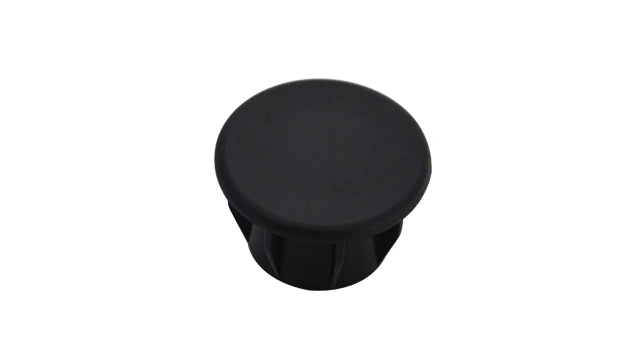
Plastic pipe end cap
Plastic pipe cover, used for 28mm two end cover and protection, to avoid any scratch from sharp metal surface.
Walk through any manufacturing plant, warehouse, or workshop, and you'll likely spot a maze of pipes, frames, and structures holding everything together. From the lean pipe workbenches where assembly lines hum to the turnover trolleys shuttling materials across the floor, these systems rely on one unsung hero to keep them running smoothly: the plastic pipe end cap. At first glance, it might seem like a small, insignificant piece—just a cap that fits over the end of a pipe. But in reality, it's a critical barrier that protects pipes from damage, extends their lifespan, and ensures the efficiency of entire lean systems. Let's dive into why these tiny components matter so much.
What Are Plastic Pipe End Caps, Anyway?
Before we talk about their importance, let's get clear on what plastic pipe end caps are. Simply put, they're protective covers designed to fit snugly over the open ends of pipes—whether those pipes are part of a lean pipe frame, an aluminum profile structure, or even a stainless steel conveyor system. Made from durable plastics like polyethylene (PE), polypropylene (PP), or polyvinyl chloride (PVC), they come in various sizes, shapes, and thicknesses to match different pipe diameters and applications.
What makes them so useful? Unlike metal caps, plastic end caps are lightweight, corrosion-resistant, and flexible enough to absorb minor impacts without cracking. They're also easy to install—most just snap or press into place—and affordable, making them a cost-effective solution for protecting pipes in almost any industrial setting. Whether you're dealing with basic aluminum tubes in a workbench frame or heavy-duty stainless steel pipes in a material rack, there's a plastic end cap designed to fit.
Why Do Pipe Ends Get Damaged, Anyway?
Pipe ends might seem tough, but they're surprisingly vulnerable to damage. Let's break down the most common culprits:
1. Storage and Stacking: When pipes are stored in warehouses, they're often stacked vertically or horizontally to save space. Without protection, the bottom ends of stacked pipes can get crushed under the weight of the ones above. Even a small dent or bend in the end can make the pipe unusable—especially in precision systems like lean pipe workbenches, where straight, uniform pipes are essential for stability.
2. Transportation and Handling: Pipes rarely stay in one place. They're loaded onto trucks, moved with forklifts, or carted around on turnover trolleys. During transit, exposed ends can bang against walls, other equipment, or even the floor. A sharp impact might chip the pipe's edge, crack the material, or worse—if the pipe is hollow (like many lean tubes), debris could get inside, clogging it or damaging internal components.
3. Environmental Exposure: Pipes in factories are exposed to all kinds of elements: dust, moisture, oil, chemicals, and even extreme temperatures. An open pipe end is like an open door for these contaminants. Moisture can lead to rust in metal pipes, while dust and debris can build up inside, making the pipe harder to clean or reuse. In lean systems, where efficiency and cleanliness are priorities, a dirty or corroded pipe end can throw off the entire workflow.
4. Accidental Impact: Let's face it—factories are busy places. Workers might accidentally bump a pipe end with a tool, a pallet jack, or even their own foot. Without a cap, that impact could bend the pipe's edge, creating a sharp burr that risks cutting gloves or damaging materials. In the case of roller tracks or conveyors, a damaged pipe end might even jam the system, bringing production to a halt.

How Plastic Pipe End Caps Prevent Damage (And Save the Day)
Now that we know what causes pipe end damage, let's look at how plastic end caps step in to prevent it. Think of them as a shield, a seal, and a shock absorber all in one. Here's how they do their job:
1. They Act as a Physical Barrier Against Impacts
The most obvious role of a plastic end cap is to protect the pipe's end from direct hits. When a pipe is dropped, bumped, or stacked, the cap takes the brunt of the impact instead of the pipe itself. Because plastic is slightly flexible, it can absorb minor shocks—like a trolley accidentally grazing the end of a workbench frame—without transferring that force to the pipe. This prevents dents, cracks, and bends, keeping the pipe straight and functional.
2. They Seal Out Debris and Moisture
An open pipe end is an open invitation for dust, dirt, water, and even small tools or parts to get inside. Imagine a lean pipe in a material rack that's left uncovered overnight: by morning, it might be filled with sawdust, metal shavings, or condensation. Over time, that debris can corrode the pipe from the inside or make it impossible to connect to joints (like the internal rotatary aluminum joints used in modular lean systems). A plastic end cap creates a tight seal, blocking out contaminants and keeping the pipe's interior clean and dry. This is especially important for pipes that need to be disassembled and reconfigured—common in lean systems, where flexibility is key.
3. They Prevent Corrosion (Even in Harsh Environments)
Metal pipes—whether aluminum, steel, or stainless steel—are prone to rust and corrosion when exposed to moisture or chemicals. A plastic end cap acts as a barrier between the pipe's end and the environment, stopping water, oils, or cleaning agents from seeping into the pipe and causing damage. For example, in a factory that uses lubricants on conveyor systems, an uncovered steel pipe end might rust quickly; with a PP end cap (which is resistant to many chemicals), that same pipe stays corrosion-free for years.
4. They Save Money (and Headaches) in the Long Run
Replacing a damaged pipe isn't just about the cost of the pipe itself—it's about the downtime. If a bent pipe in a workbench frame causes the bench to wobble, production might stop while the pipe is replaced. If a clogged pipe in a roller track jams the conveyor, the entire line could grind to a halt. Plastic end caps are cheap compared to the cost of repairing or replacing damaged pipes, not to mention the lost productivity. Investing in a few cents' worth of caps now can save hundreds of dollars in repairs later.

Where You'll Find Plastic Pipe End Caps Hard at Work
Plastic pipe end caps aren't just for "pipes" in the traditional sense—they're used wherever there's an open tube or profile that needs protection. Here are some common places you'll spot them in industrial settings:
Lean Pipe Systems and Workbenches
Lean systems rely on modular lean pipes and joints to create everything from workstations to material racks. These pipes are often reconfigured, moved, or stored, making their ends vulnerable to damage. Plastic end caps ensure that even after multiple disassembly and reassembly cycles, the pipes remain in good shape. For example, a workbench E (single deck, without casters) might use basic aluminum tubes in its frame; end caps on those tubes prevent the bench from wobbling due to bent ends and keep the frame looking neat and professional.
Turnover Trolleys and Material Racks
Turnover trolleys and racks—like the material rack B (3 row and 3 floor)—are constantly on the move, carrying heavy loads. Their frames take a lot of abuse, from bumps against walls to rough handling during loading. End caps on the trolley's vertical pipes protect against impacts, while caps on the horizontal rails prevent debris from collecting in the tracks. Without them, the trolleys would wear out faster, and the racks might become unstable over time.
Conveyors and Roller Tracks
Conveyor systems, whether they use roller tracks, belt conveyors, or chain conveyors, depend on smooth, straight pipes to keep materials moving. A damaged pipe end in a roller track could cause jams or misalignments, slowing down production. Plastic end caps here not only protect the pipes but also ensure that the rollers and guides (like the plastic roller track guide rail yellow or grey) stay properly aligned.
Aluminum Profiles and Stainless Steel Pipes
Even high-quality aluminum extrusion profiles or stainless steel pipes need protection. Aluminum is lightweight but can scratch easily, while stainless steel, though corrosion-resistant, can still dent if hit hard. End caps on aluminum guide rails or stainless steel swivel roller balls tracks keep these precision components in top condition, ensuring they work as intended for years.
Choosing the Right Plastic Pipe End Cap: A Quick Guide
Not all plastic pipe end caps are created equal. To get the best protection, you need to choose the right one for your pipe type, size, and environment. Here's a quick breakdown of common options:
| Material | Best For | Typical Pipe Types | Key Benefits |
|---|---|---|---|
| Polyethylene (PE) | General-purpose protection, low-cost applications | Lean pipes, basic aluminum tubes, plastic roller tracks | Flexible, impact-resistant, easy to install |
| Polypropylene (PP) | Chemical-resistant environments (oils, solvents) | Stainless steel pipes, conveyor systems, workbenches near machinery | Resists corrosion, high-temperature tolerance (up to 120°C) |
| Polyvinyl Chloride (PVC) | Heavy-duty protection, outdoor or wet areas | Aluminum profiles, material racks, turnover trolleys in damp environments | Rigid, waterproof, UV-resistant |
Size matters too! Always match the cap's diameter to the pipe's outer diameter (OD) for a snug fit. A cap that's too loose might fall off, while one that's too tight could crack when installed. Most suppliers (like lean pipe suppliers or aluminum profile suppliers) will list the compatible pipe sizes for each cap, so double-check that before ordering.
Final Thoughts: Small Caps, Big Impact
At the end of the day, plastic pipe end caps are a classic example of how the smallest components can have the biggest impact. They might not get the same attention as high-tech machinery or sleek aluminum workbenches, but without them, those systems would struggle to stay efficient, safe, and cost-effective. Whether you're managing a lean system, building a new workbench, or maintaining a fleet of turnover trolleys, don't overlook these tiny protectors.
So the next time you're inspecting your facility's equipment, take a moment to check the pipe ends. If you see an open pipe without a cap, grab one and pop it on—your future self (and your bottom line) will thank you. After all, in the world of lean manufacturing, every detail counts—and plastic pipe end caps are one detail that truly delivers.