- Company Articles
- Products and Technology
- Installation And Maintenance
- The Importance of Proper Torque When Tightening Two Way Aluminum Pipe Joints

The Importance of Proper Torque When Tightening Two Way Aluminum Pipe Joints
Related Product
Two Way Aluminum Pipe Joint
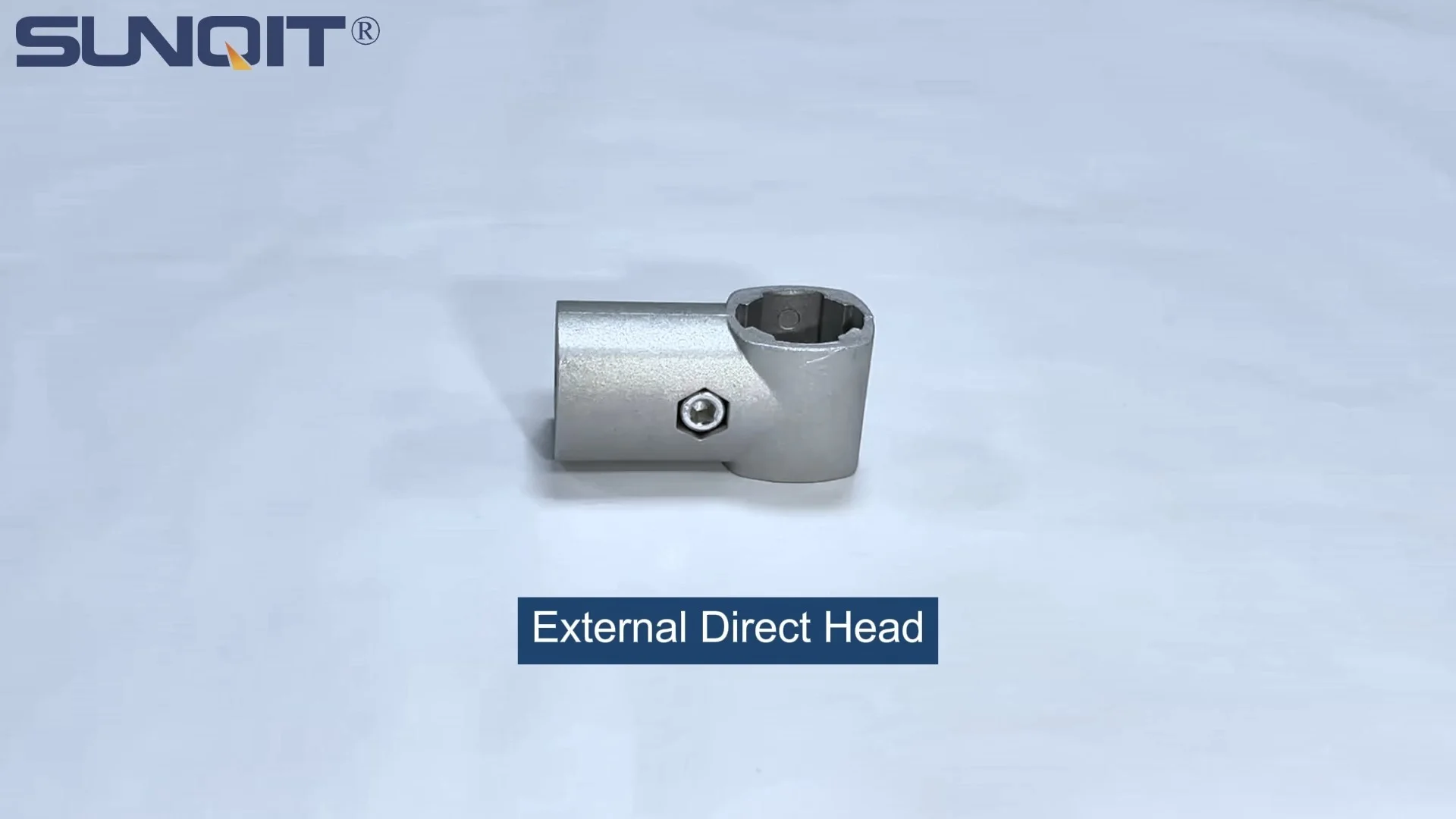
Aluminum 2 way pipe joint for 28mm aluminum pipe connection in 2 direction.
It's a Tuesday morning at BrightLine Manufacturing, and Maria, the lead assembler, is putting together a new workbench for the electronics production line. The frame? Sleek aluminum pipes connected by shiny two way aluminum pipe joints. She grabs her wrench, tightens the bolts until they "feel snug," and moves on to the next joint. By lunch, the workbench is up, and the team starts loading circuit boards and tools onto it. But by mid-afternoon, a loud creak echoes through the shop—the left leg of the workbench has started to wobble. By the end of the day, the whole structure is leaning, forcing the team to halt production and disassemble it. What went wrong? Maria didn't pay attention to torque.
In the world of aluminum structures—from workbenches to lean system frameworks—the two way aluminum pipe joint is a unsung hero. These simple connectors hold everything together, turning basic aluminum pipes into sturdy, functional systems. But their reliability hinges on one often-overlooked detail: how tightly they're fastened. Torque, the twisting force used to tighten bolts and screws, isn't just a technicality here. It's the difference between a structure that lasts for years and one that fails before its first month on the job. Let's dive into why proper torque matters, what happens when it's ignored, and how to get it right every time.
What Are Two Way Aluminum Pipe Joints, and Why Do They Matter?
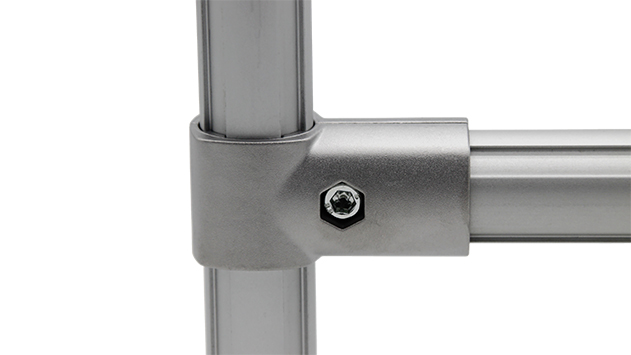
Before we talk torque, let's get to know the star of the show: the two way aluminum pipe joint. As the name suggests, these joints connect two aluminum pipes at a fixed angle (usually 90 degrees, though some are adjustable), forming the corners and intersections of structures like workbenches, material racks, and production line frames. Unlike rigid welds, they allow for modular assembly—meaning you can take apart, reconfigure, or expand your structure as needed. That's why they're a staple in lean systems, where flexibility and adaptability are key.
Aluminum pipe itself is a game-changer for manufacturers. It's lightweight (about a third the weight of steel), corrosion-resistant, and strong enough to handle daily wear and tear. But aluminum has a Achilles' heel: it's softer than steel. That means the threads in aluminum joints are more prone to stripping, and the material itself can crack or deform under too much pressure. Pair that with the two way joint's role as a load-bearing connection point, and you've got a recipe that demands precision—starting with how much force you use to tighten those bolts.
Think of it like building with Legos, but with real-world consequences. If you press the bricks together too softly, the tower falls over. Press too hard, and the bricks crack. Two way aluminum pipe joints work the same way: the right torque creates a tight, secure bond that distributes weight evenly across the structure. Get it wrong, and you're setting yourself up for trouble.
Torque 101: Why "Snug" Isn't Good Enough
Torque is often described as "the force that turns bolts." More technically, it's the measure of rotational force applied to a fastener (like a bolt or screw) to tighten it. In the context of two way aluminum pipe joints, torque determines how much clamping force holds the joint together. Too little, and the joint will loosen over time. Too much, and you'll damage the joint or the pipe.
Let's break it down with an example. Imagine you're tightening a bolt into a two way joint attached to a 20mm aluminum pipe. The bolt has threads that dig into the joint's threaded hole. When you apply torque, the bolt pulls the joint tight against the pipe, creating friction that resists movement. The goal? Enough friction to keep the joint from slipping, but not so much that the threads in the joint get stripped or the aluminum pipe warps.
"Snug" is a subjective term. What feels tight to Maria might feel loose to her colleague Raj, who's used to working with steel. Aluminum doesn't give the same feedback as steel—there's no loud "crunch" when you overdo it, just a quiet deformation that's hard to spot until it's too late. That's why relying on "feel" is a mistake. You need a torque wrench, a tool that measures the exact amount of force you're applying, to ensure consistency.
The Risks of Getting Torque Wrong: A Tale of Two Mistakes
Torque errors come in two flavors: under-tightening and over-tightening. Both can turn a well-designed aluminum structure into a liability. Let's look at each scenario.
Under-Tightening: When "Good Enough" Becomes a Hazard
Under-tightening happens when you don't apply enough torque, leaving the joint loosely fastened. At first, it might seem harmless—the structure stands, and everything looks okay. But over time, vibrations from machinery, regular use, or even temperature changes (aluminum expands and contracts with heat) will cause the bolt to loosen further. What starts as a tiny wobble becomes a full-blown shake.
Take BrightLine Manufacturing's wobbly workbench. Maria under-tightened the two way joints, so the bolts never fully clamped the aluminum pipes. Every time someone leaned on the bench or placed a heavy tool on it, the joints shifted. Eventually, the threads in the joint wore down from the movement, making it impossible to re-tighten. The result? Lost production time, frustrated workers, and a costly do-over.
But the risks go beyond productivity. A loosely fastened structure is a safety hazard. Imagine a material rack in a warehouse, loaded with 50-pound boxes, held together by under-tightened two way joints. One wrong bump from a forklift, and the whole rack could collapse, injuring workers or damaging inventory. In lean systems, where just-in-time production leaves no room for delays, even a minor structural failure can throw off an entire day's schedule.
Over-Tightening: When "Tighter" Means "Weaker"
Over-tightening is the other side of the coin. You might think, "If a little torque is good, more must be better, right?" Wrong—especially with aluminum. Aluminum's softness means that excessive torque can strip the threads inside the two way joint, turning a perfectly good connector into a useless hunk of metal. Even if the threads don't strip, over-tightening can bend or crack the joint itself, weakening the entire structure.
Consider a scenario where a maintenance worker, trying to fix a wobbly lean system frame, cranks down on the two way joint bolts with a pipe wrench (never a good idea, by the way). The torque is so high that the aluminum threads in the joint shear off. Now, the bolt spins freely, and the joint can't be tightened at all. The frame has to be completely rebuilt, with new joints and pipes—costing time and money.
Over-tightening can also damage the aluminum pipe itself. The bolt head or washer can dig into the pipe's surface, creating stress points that lead to cracks over time. In extreme cases, the pipe might even bend under the pressure, warping the structure's alignment. And once aluminum is deformed, it doesn't bounce back—it's permanently weakened.

The Science of Torque: Finding the Sweet Spot
So, how do you find the "just right" torque for two way aluminum pipe joints? It's not guesswork—it's based on the size of the bolt, the material of the joint, and the thickness of the aluminum pipe. Let's break down the key factors.
Bolt Size and Thread Pitch
Most two way aluminum pipe joints use metric bolts (M5, M6, M8, etc.), where the number refers to the bolt's diameter in millimeters. A larger bolt (e.g., M8) requires more torque than a smaller one (e.g., M5) because it has more surface area in contact with the threads. Thread pitch—the distance between threads—also matters: finer threads (more threads per inch) need less torque than coarser threads, as they grip more tightly with less force.
Aluminum Thickness and Hardness
Thicker aluminum pipes or joints can handle more torque than thinner ones. A joint made from 6mm-thick aluminum will resist stripping better than one made from 3mm aluminum. Similarly, harder aluminum alloys (like 6061-T6, a common choice for structural parts) can tolerate higher torque than softer alloys. Always check the manufacturer's specs for your specific aluminum profile—they'll often list recommended torque ranges based on material hardness.
Surface Conditions
Dirty or rusty threads increase friction, making it harder to tighten the bolt and increasing the risk of over-tightening. Before assembling, clean the threads in the two way joint and on the bolt with a wire brush or compressed air. If the threads are damaged (e.g., bent or cross-threaded), replace the bolt or joint—damaged threads can't distribute torque evenly, even if you apply the "right" amount.
Pro Tip: Never reuse bolts that have been over-tightened. Even if they look okay, the threads may be stretched or weakened, making them prone to failure. Always start with new bolts when assembling or reconfiguring aluminum structures.

Recommended Torque Values: A Practical Guide
To take the guesswork out of torque, we've compiled a table of recommended torque values for common two way aluminum pipe joint and bolt combinations. These values are based on industry standards for aluminum profiles (typically 6061-T6) and assume clean, dry threads with no lubrication (adding lubricant can reduce required torque by 10-15%, so adjust accordingly).
| Bolt Size (Metric) | Thread Pitch (mm) | Aluminum Pipe Thickness (mm) | Recommended Torque Range (Nm) | Notes |
|---|---|---|---|---|
| M5 | 0.8 | 1.5–3 | 2.5–3.5 | Common for lightweight structures like small workbenches or shelving. |
| M5 | 0.8 | 3–5 | 3.0–4.0 | Use for medium-duty applications, such as material racks with light loads. |
| M6 | 1.0 | 2–4 | 5.0–6.5 | Ideal for standard workbenches and lean system frames. |
| M6 | 1.0 | 4–6 | 6.0–7.5 | Suitable for heavy-duty workbenches or racks holding up to 200kg. |
| M8 | 1.25 | 3–6 | 12.0–15.0 | Reserved for large structures, like industrial workstations or production line frames. |
These values are general guidelines—always check the manufacturer's specifications for your two way aluminum pipe joints and aluminum profile. Some manufacturers (especially those specializing in lean system components) provide detailed torque charts tailored to their products, accounting for factors like joint design and thread coating.
Best Practices for Perfect Torque Every Time
Now that you know why torque matters and what values to aim for, let's walk through the steps to ensure you get it right during assembly. These practices will help you build strong, reliable aluminum structures that stand the test of time.
- Use a Calibrated Torque Wrench : A torque wrench is non-negotiable. Avoid adjustable wrenches, ratchets, or "feel" alone. Choose a wrench with a range that covers your target torque (e.g., a 0–20 Nm wrench for M5 and M6 bolts). Calibrate it annually—even a slightly off wrench can lead to torque errors. Many hardware stores or tool shops offer calibration services for a small fee.
- Tighten in Stages : For structures with multiple two way joints (like a workbench with four corners), tighten bolts in a crisscross pattern, gradually increasing torque. For example, tighten the top-left joint to 50% of target torque, then top-right, bottom-left, bottom-right, and repeat until you reach the full torque. This ensures even pressure and prevents warping the frame.
- Let the Wrench Do the Work : Torque wrenches "click" when they reach the set torque—stop immediately when you hear that click. Don't keep turning, thinking "one more twist" will make it tighter. That's how over-tightening happens.
- Check After Assembly : Once the structure is built, let it sit for 24 hours (aluminum can settle slightly after assembly) and re-check the torque on all two way joints. You might be surprised how many bolts loosen a bit in the first day.
- Schedule Regular Maintenance : Even well-torqued joints can loosen over time, especially in high-vibration environments. Set a schedule (monthly for heavy-use structures, quarterly for lighter ones) to re-torque all bolts. This is critical for lean systems, where unplanned downtime can derail production goals.
- Train Your Team : Torque isn't just the responsibility of the assembler—it's a team effort. Make sure everyone who works with aluminum structures understands why torque matters and how to use a torque wrench. A 15-minute training session can save hours of rework and prevent accidents.
Torque and Lean Systems: Building for Efficiency
Lean systems thrive on efficiency—eliminating waste, reducing downtime, and maximizing productivity. A poorly torqued two way joint is the opposite of lean: it creates waste (time spent reworking), downtime (when structures fail), and inefficiency (when workers can't rely on their tools). By prioritizing proper torque, you're not just building a structure—you're building a leaner, more reliable operation.
Consider a lean system supplier who provides pre-assembled material racks to factories. If their racks have under-tightened joints, customers will return them, demand replacements, or lose trust in the supplier's quality. On the flip side, a supplier that emphasizes proper torque (and includes torque specs with every order) builds a reputation for reliability. Their customers know the racks will last, reducing the total cost of ownership over time.
At the end of the day, torque is about respect—for your team, your equipment, and your customers. When you take the time to tighten a two way aluminum pipe joint to the right torque, you're saying, "We care about safety. We care about quality. We care about making your job easier."
Conclusion: Torque—The Small Detail That Makes a Big Difference
Back at BrightLine Manufacturing, Maria now keeps a torque wrench clipped to her tool belt. After the wobbly workbench fiasco, the team invested in training and calibrated tools. Last week, they assembled a new lean system frame with two way aluminum pipe joints, and this time, every bolt was torqued to 6.5 Nm (the recommended value for their M6 bolts and 4mm aluminum profile). The frame has been up for a month, and not a single creak or wobble. Production is running smoothly, and the team even added a second level to the material rack—confident the joints can handle the extra weight.
Two way aluminum pipe joints may seem simple, but they're the backbone of modern manufacturing structures. And torque? It's the glue that holds that backbone together. Under-tighten, and you get instability and risk. Over-tighten, and you get damage and waste. But get it just right, and you get something powerful: a structure that's strong, safe, and built to last.
So the next time you're assembling an aluminum workbench, material rack, or lean system frame, remember: torque isn't a chore. It's an investment—in your team's safety, your productivity, and the long-term success of your operation. Grab that torque wrench, set it to the right value, and tighten with confidence. Your future self (and your wobbly workbench-free shop) will thank you.