
In the fast-paced world of modern manufacturing and production, adaptability isn't just a buzzword—it's the backbone of efficiency. Every day, factories, warehouses, and assembly lines face shifting demands: new product lines, updated workflows, and evolving safety standards. In this environment, rigid, one-size-fits-all workstations quickly become liabilities, slowing down operations and limiting growth. That's where modular flexible workstations step in, offering the kind of versatility that keeps businesses agile. Yet, for all their innovation, these workstations rely on a humble, often overlooked component to hold their magic together: the saddle pipe clamp.
At first glance, a saddle pipe clamp might seem like little more than a metal or plastic bracket. But look closer, and you'll realize it's the unsung hero of modular design. These small, unassuming tools are the connective tissue that transforms basic materials—like lean pipe, aluminum profile, and roller track—into dynamic, reconfigurable workspaces. Whether you're building a custom workbench for electronics assembly or a mobile trolley for warehouse logistics, saddle pipe clamps ensure that every part stays secure while still allowing for quick adjustments. In short, they're the reason modular workstations live up to their promise of flexibility.
What Are Saddle Pipe Clamps, Exactly?
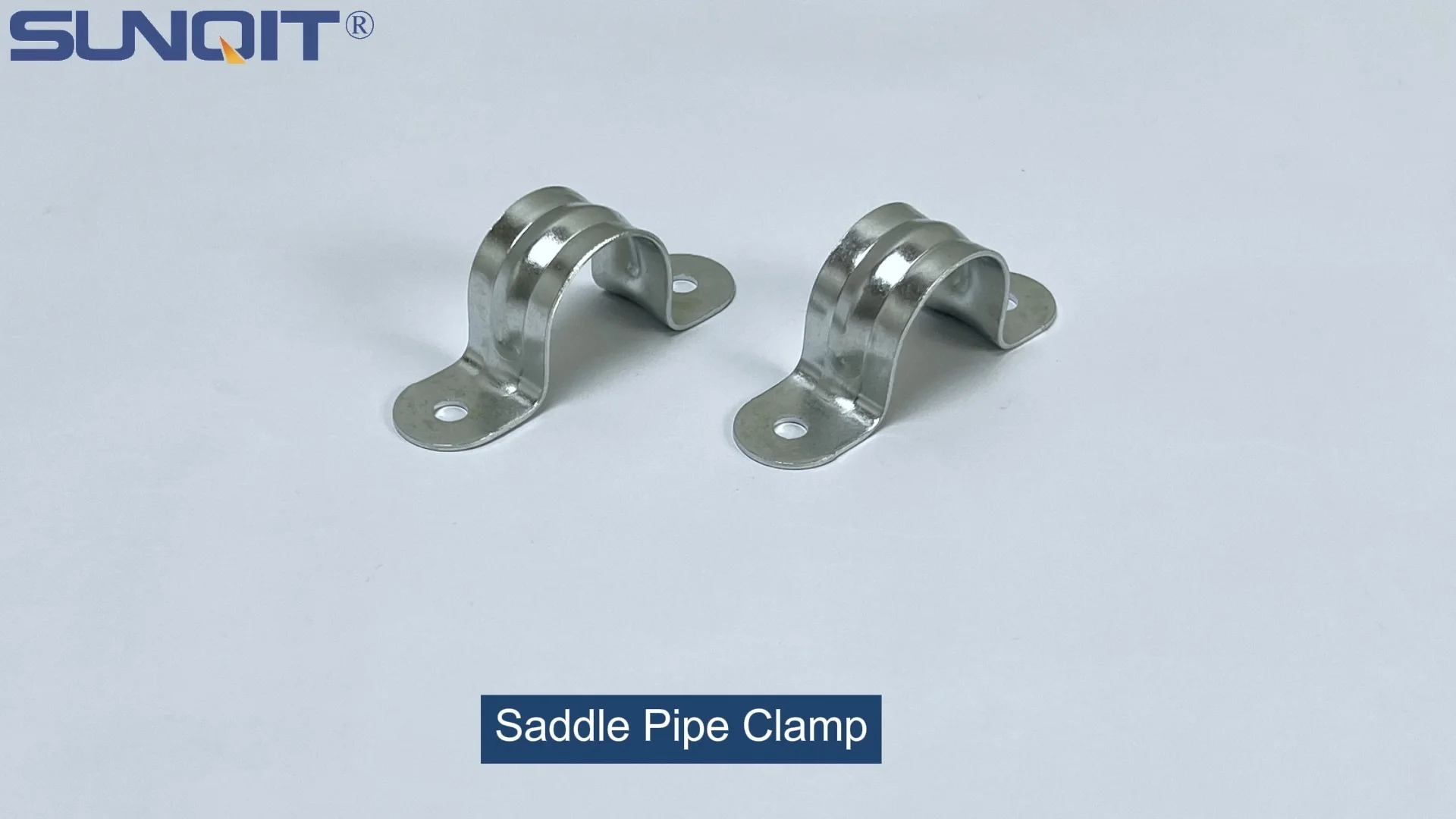
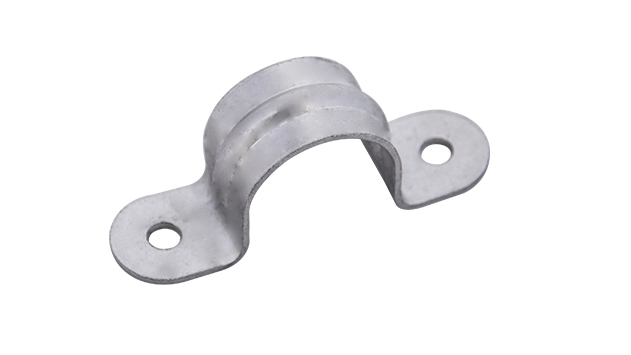
Let's start with the basics: What defines a saddle pipe clamp? True to its name, this component features a curved, "saddle-like" design that wraps around the outer surface of a pipe or tube, creating a secure grip. Most saddle clamps are U-shaped or semi-circular, with two flanges extending from the curve. These flanges include holes for bolts, screws, or other fasteners, allowing the clamp to attach to another surface—whether it's an aluminum profile, a workbench frame, or a roller track support.
Materials matter here. Saddle pipe clamps are typically made from durable metals like steel (often zinc-plated or stainless steel for corrosion resistance) or high-strength plastics for lighter applications. Some even come with rubber or plastic coatings to protect the pipes they hold, preventing scratches and reducing vibration. This variety in materials means there's a saddle clamp for every environment, from heavy-duty manufacturing plants to cleanrooms where contamination control is critical.
But what truly sets saddle pipe clamps apart is their simplicity. Unlike complex joints or welded connections, they require no specialized tools to install. A wrench or screwdriver is often enough to tighten the fasteners, making assembly and disassembly a breeze. This ease of use is a game-changer for teams that need to reconfigure workstations on the fly—say, shifting from a 3-station assembly line to a 5-station line to meet a sudden order surge.
The Critical Role of Saddle Pipe Clamps in Modular Design
To understand why saddle pipe clamps are indispensable, let's think about what makes a workstation "modular." At its core, modular design is about breaking down a system into smaller, interchangeable parts that can be combined, rearranged, or replaced as needed. For workstations, this means frames, shelves, roller tracks, and accessories that aren't permanently fixed but instead connected in a way that allows for easy modification.
Saddle pipe clamps are the linchpin of this system. They turn static pipes and profiles into dynamic building blocks. Consider a basic lean pipe workstation: lean pipe (a lightweight, coated steel tube) is the primary material, but without clamps, it's just a collection of tubes. Saddle clamps secure these tubes at joints, forming stable frames for workbenches, material racks, or trolleys. And because the clamps are removable, you can easily add a new shelf, extend a frame, or even disassemble the entire structure and rebuild it elsewhere—no cutting, welding, or specialized labor required.
This flexibility is especially valuable in lean manufacturing environments, where the goal is to eliminate waste and optimize flow. A production line that uses saddle pipe clamps can adapt to changes in product size, workflow, or team structure without investing in entirely new equipment. For example, if a company introduces a larger product, workers can loosen the clamps, adjust the height of the workbench, and re-tighten them—all in a matter of minutes. This not only saves time but also reduces costs, as there's no need to purchase custom-built workstations for each new project.
Compatibility: Working in Harmony with Key Components
Saddle pipe clamps don't work in isolation. Their true power lies in how well they integrate with other modular components, turning individual parts into a cohesive system. Let's take a closer look at some of the most common materials and accessories they pair with:
Lean Pipe: The Foundation of Flexibility
Lean pipe—also known as "flexible pipe" or "Kaizen pipe"—is a staple in modular workstation design. Lightweight yet strong, it's ideal for building frames, racks, and trolleys. Saddle pipe clamps are designed to grip lean pipe snugly, ensuring that joints stay tight even under heavy loads. Unlike rigid connectors, which lock pipes into fixed angles, saddle clamps often allow for minor adjustments, making it easier to align components during assembly. This compatibility is why lean pipe systems are so popular in industries like automotive, electronics, and logistics—they're simple to build, easy to modify, and cost-effective to maintain.
Aluminum Profile: Strength Meets Precision
For applications that require a more robust, precision-engineered framework, aluminum profile is the go-to choice. These extruded aluminum bars feature T-slots along their length, allowing for easy attachment of accessories like shelves, brackets, and tools. Saddle pipe clamps bridge the gap between aluminum profile and other components, such as roller track or caster wheels. For example, when building an aluminum profile workbench, saddle clamps can secure a roller track to the frame, creating a smooth surface for sliding materials. They can also attach caster wheels to the bottom of the profile, turning a stationary workbench into a mobile workstation that can be moved to different areas of the factory as needed.
Roller Track: Streamlining Material Flow
In assembly lines and warehouses, efficient material flow is everything. Roller track—whether plastic, steel, or aluminum—enables products, parts, and packages to glide smoothly from one station to the next. Saddle pipe clamps play a vital role here by securing roller track to support frames or workbench edges. Without sturdy clamps, roller track can shift or sag over time, leading to jams, delays, and even safety hazards. Saddle clamps distribute weight evenly, ensuring that the track remains level and stable, even when loaded with heavy items like automotive parts or electronic assemblies.
| Connector Type | Material | Best For | Key Advantage | Limitation |
|---|---|---|---|---|
| Saddle Pipe Clamp | Steel, stainless steel, plastic | Lean pipe, aluminum profile, roller track | Quick assembly/disassembly; adjustable angles | May require periodic re-tightening under heavy vibration |
| Aluminum Pipe Clamp | Aluminum alloy | Aluminum profile only | Lightweight; corrosion-resistant | Limited compatibility with non-aluminum materials |
| Lean Pipe Joint | Zinc-plated steel | Lean pipe at fixed angles (90°, 45°) | Extremely strong; no adjustment needed | Rigid; cannot reconfigure angles without replacing joints |
Caster Wheels: Adding Mobility to Workstations
Mobility is another key feature of modular workstations, and caster wheels are what make it possible. Whether you're moving a turnover trolley across the warehouse or repositioning a workbench on the assembly line, caster wheels need to be securely attached to the frame. Saddle pipe clamps provide a reliable connection here, fastening the caster mounting plates to the legs of the workstation. Many caster accessories—like brake levers or swivel locks—also rely on clamps for stability, ensuring that the wheels lock firmly in place when the workstation is in use.

The Hidden Benefits: Beyond Just Holding Things Together
While the primary role of saddle pipe clamps is to secure components, their impact goes far beyond basic functionality. Here are some of the less obvious but equally important benefits they bring to modular workstation design:
Cost-Effectiveness: Reducing Long-Term Expenses
Investing in modular workstations is already a cost-saving move compared to custom-built furniture, but saddle pipe clamps amplify these savings. Because they're reusable, you can disassemble old workstations and repurpose the clamps (and pipes) for new projects. This reduces waste and cuts down on the need to purchase new components. Additionally, their simple design means they're often less expensive than specialized connectors, making modular systems accessible to small businesses and large corporations alike.
Safety: Ensuring Stability in Dynamic Environments
In any workplace, safety is paramount. Loose or unstable workstations can lead to accidents, injuries, or damaged products. Saddle pipe clamps mitigate these risks by creating secure, vibration-resistant joints. High-quality clamps—made from materials like stainless steel or reinforced plastic—can withstand heavy loads and repeated use, ensuring that workstations remain stable even in busy, high-traffic areas. Many clamps also feature rounded edges or plastic coatings, reducing the risk of cuts or scrapes during assembly and maintenance.
Speed: Accelerating Setup and Reconfiguration
Time is money in production environments, and saddle pipe clamps save plenty of it. Traditional workstation assembly often involves cutting, welding, or drilling—processes that require skilled labor and specialized tools. With saddle clamps, assembly is as simple as aligning the pipes, placing the clamp, and tightening a bolt. Even complex structures can be built in hours rather than days. This speed is a game-changer during facility relocations, product launches, or unexpected workflow changes—teams can adapt quickly without disrupting operations.

Real-World Applications: Saddle Clamps in Action
To truly appreciate the value of saddle pipe clamps, let's look at how they're used in real-world scenarios. These examples highlight their versatility and the impact they have on daily operations:
Electronics Assembly Workbench
In electronics manufacturing, precision is critical. Workstations must be ergonomically designed to reduce operator fatigue, with shelves and tool holders positioned for easy access. A typical setup might use aluminum profile for the frame (lightweight and corrosion-resistant) and lean pipe for adjustable components like monitor arms or bin racks. Saddle pipe clamps secure the aluminum profile legs to the workbench top, ensuring stability, while smaller clamps attach lean pipe shelves at customizable heights. If a new component requires a taller shelf, operators can loosen the clamps, adjust the height, and re-tighten—no tools beyond a wrench needed. This flexibility helps teams maintain productivity even as product designs evolve.
Warehouse Material Flow Rack
Warehouses rely on efficient material flow to keep orders moving. A flow rack—equipped with roller track—allows boxes and bins to slide from the back to the front, minimizing picking time. Saddle pipe clamps play two key roles here: they secure the roller track to the rack frame, ensuring it's level and stable, and they attach the frame to the warehouse floor or wall (preventing tipping under heavy loads). If the warehouse switches to larger bins, workers can adjust the roller track spacing by moving the clamps, rather than replacing the entire rack. This adaptability is why flow racks with saddle clamps are a staple in e-commerce and retail distribution centers.
Mobile Turnover Trolley
Turnover trolleys are essential for moving materials between workstations or storage areas. A well-designed trolley needs to be sturdy enough to carry heavy loads but lightweight enough to maneuver easily. Here, saddle pipe clamps connect the lean pipe frame to the caster wheels, ensuring that the wheels stay securely attached even over rough warehouse floors. They also secure shelves or bins to the frame, preventing items from shifting during transport. When not in use, the trolley can be disassembled by removing the clamps, saving valuable storage space—a feature that's especially useful in small warehouses or facilities with limited square footage.
Case Study: Boosting Efficiency at a Mid-Size Electronics Plant
Let's take a look at how one company leveraged saddle pipe clamps to transform its production line. ABC Electronics, a mid-size manufacturer of circuit boards, was struggling with rigid workstations that couldn't keep up with their diverse product line. Assembly teams often wasted time searching for tools or adjusting to awkwardly positioned components, leading to delays and increased errors.
The solution? A modular workstation system built with lean pipe, aluminum profile, and saddle pipe clamps. Here's what happened:
- Faster Setup: The old custom workstations took 2-3 days to build and install. The new modular system, using saddle clamps, was assembled in just 8 hours by the production team itself—no contractors needed.
- Reduced Downtime: When ABC introduced a new circuit board model, reconfiguring the workstations took less than an hour (loosening clamps, adjusting shelf heights, re-tightening). Previously, this would have required a full day of downtime to modify or replace workstations.
- Improved Ergonomics: Operators could adjust their workbench heights and tool positions using saddle clamps, reducing strain and fatigue. This led to a 15% decrease in reported injuries and a 10% increase in productivity.
- Cost Savings: Over two years, ABC saved approximately $40,000 by reusing components and avoiding custom workstation purchases. The initial investment in saddle clamps and modular materials paid for itself within six months.
"The saddle pipe clamps were the key," said Maria Gonzalez, ABC's production manager. "They made the system feel alive—like we could tweak and adjust whenever we needed, without disrupting the whole line. It's not just about saving money; it's about giving our team the tools to work smarter."
Maintenance Tips: Keeping Saddle Clamps (and Workstations) in Top Shape
Like any component, saddle pipe clamps require basic maintenance to ensure they perform at their best. Here are some simple tips to keep them (and your modular workstations) in top condition:
Regular Inspections
Schedule monthly checks to tighten loose bolts or screws. Vibration from machinery or frequent movement can cause clamps to loosen over time, which can lead to wobbly workstations or unstable shelves. A quick once-over with a wrench is usually all it takes to prevent issues.
Clean and Protect
If your workstations are in a dusty or humid environment, wipe down saddle clamps with a damp cloth to remove debris. For metal clamps, consider applying a light coat of anti-corrosion spray (like WD-40) to prevent rust, especially in facilities with high moisture levels (e.g., food processing plants).
replace Worn Parts
Inspect clamp surfaces for signs of wear, such as cracks, bent flanges, or stripped threads. Damaged clamps won't grip pipes securely, putting your workstation at risk. replace worn clamps immediately—they're inexpensive, and the cost of a new clamp is far less than the cost of a workstation failure.
Use the Right Tools
When tightening or loosening clamps, use the correct size wrench or screwdriver. Over-tightening can strip threads or warp the clamp, while under-tightening can lead to instability. Follow the manufacturer's torque recommendations if provided.
Future Trends: What's Next for Saddle Pipe Clamps?
As modular workstation design continues to evolve, so too will the components that power it. Here are a few trends to watch for in saddle pipe clamp technology:
Smart Materials for Enhanced Durability
Manufacturers are experimenting with advanced materials like carbon fiber-reinforced plastics and titanium alloys to create clamps that are lighter, stronger, and more resistant to corrosion. These materials could extend clamp lifespans and make modular systems viable in even harsher environments (e.g., chemical plants, outdoor warehouses).
Integrated IoT Sensors
Imagine a saddle pipe clamp with a built-in sensor that alerts maintenance teams when it's loose or under stress. Early prototypes of "smart clamps" are being tested in industrial settings, using Bluetooth or Wi-Fi to transmit data about clamp tightness, temperature, and vibration. This could prevent failures before they happen, further reducing downtime.
Eco-Friendly Designs
Sustainability is becoming a priority for many businesses, and modular components are no exception. Future saddle clamps may be made from recycled materials or designed for easier recycling at the end of their lifespan. Some manufacturers are also exploring biodegradable coatings for metal clamps, reducing environmental impact without sacrificing performance.
Conclusion: The Unsung Hero of Modular Design
In the grand scheme of manufacturing and production, saddle pipe clamps may seem small. But as we've explored, their impact is anything but. They're the reason modular workstations are flexible, the glue that holds lean systems together, and the key to adapting to a world of constant change. From electronics assembly lines to warehouse flow racks, they enable businesses to work smarter, not harder—reducing costs, improving safety, and boosting productivity.
So the next time you walk through a factory or warehouse and see a sleek, adaptable workstation, take a moment to appreciate the saddle pipe clamp. It may not grab headlines, but it's quietly revolutionizing how we build, work, and innovate. And in a world that demands flexibility, that's more important than ever.