- Company Articles
- Products and Technology
- Product knowledge
- The Importance of T-Slot Rubber Seal Covers in Preventing T-Slot Corrosion: Rust Protection Tips

The Importance of T-Slot Rubber Seal Covers in Preventing T-Slot Corrosion: Rust Protection Tips
Related Product
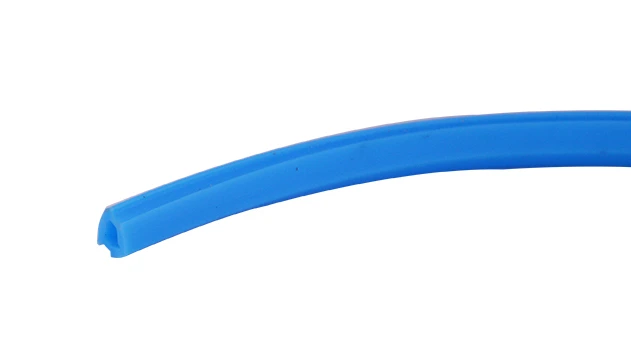
T-slot Rubber Seal Cover
The rubber T-slot seal cover prevents dust and debris buildup, covers wires in the T-slot channel, and adds an extra layer of protection to applications. It rolls into the T-slot, making it easy to assemble.
If you've ever walked through a busy manufacturing plant, a bustling warehouse, or even a small workshop, you've probably seen them: sleek, modular structures made of shiny aluminum profiles, holding up workbenches, supporting conveyor systems, or organizing tools. These aluminum extrusion profiles are the backbone of modern lean systems, prized for their strength, flexibility, and lightweight design. But there's a hidden threat lurking in one of their most useful features: the T-slot. Left unprotected, these slots can become breeding grounds for corrosion, turning your reliable equipment into a maintenance headache. That's where t-slot rubber seal covers come in—and today, we're diving into why they're non-negotiable for anyone serious about protecting their aluminum profile investments.
The T-Slot: A Feature That Needs Guarding
First, let's talk about why T-slots matter. If you're familiar with aluminum profiles, you know the T-slot is what makes them so versatile. These long, narrow grooves running along the length of the profile allow you to slide in bolts, brackets, shelves, or tools—no drilling or welding required. Need to reconfigure a workbench? Just loosen the bolts in the T-slot, adjust, and tighten. Building a custom material rack? Slide in a few brackets, and you're good to go. It's this adaptability that makes aluminum profiles a favorite in lean pipe and accessories setups, where efficiency and flexibility are everything.
But here's the catch: that same open T-slot that lets you customize your setup also invites trouble. Think about a typical day in a factory: condensation from morning humidity, oil spills from machinery, metal shavings from cutting operations, even rainwater if the profile is near an open door. All of these can seep into the T-slot, where they get trapped. Over time, moisture mixes with oxygen and any contaminants (like salt, chemicals, or dirt) to form rust or corrosion. Aluminum doesn't rust like steel, but it does oxidize—forming a white, powdery layer that weakens the material and clogs the slot. Suddenly, that "easy to adjust" T-slot becomes stuck, the bolts seize up, and your once-flexible aluminum profile feels more like a rigid, broken hassle.
Real-Life Example: A mid-sized electronics manufacturer in Ohio once shared a story with me: they'd invested in a fleet of aluminum profile workbenches for their assembly line, proud of how they could quickly retool for different products. But after six months, they noticed workers struggling to adjust the shelves. When they inspected the T-slots, they found a thick layer of white oxidation and grit, making it nearly impossible to slide brackets. The culprit? Condensation from the plant's AC system dripping onto the workbenches overnight, seeping into the T-slots, and causing corrosion. The fix? T-slot rubber seal covers. Within a month, adjustments were smooth again, and maintenance calls dropped by 70%.
What Are T-Slot Rubber Seal Covers, Anyway?
So, what exactly is a t-slot rubber seal cover? Put simply, it's a flexible, durable strip designed to fit snugly into the T-slot of an aluminum profile, acting as a barrier between the slot and the outside world. Think of it as a "lid" for your T-slot—one that stays in place even when you're sliding brackets or bolts through it.
These covers are usually made from rubber or rubber-like materials like EPDM (ethylene propylene diene monomer), silicone, or thermoplastic elastomers (TPE). Why rubber? Because it's flexible enough to bend with the profile (even if the profile is curved), resistant to water and chemicals, and durable enough to withstand the wear and tear of daily use. Most are designed to be "snap-in" style: you press them into the T-slot, and they stay put thanks to their shape and the friction between the rubber and the aluminum. Some have a slightly tapered design, so they grip the slot walls tightly, while others have small lips that lock into place.
You might be thinking, "Can't I just use tape or a piece of plastic to cover the slot?" Sure, you could—but it won't last. Tape peels off with heat or moisture, and plastic cracks when you slide brackets through it. T-slot rubber seal covers are engineered for this specific job: they're tough enough to handle the pressure of bolts being tightened and loosened, flexible enough to not tear when you adjust components, and resistant enough to block moisture and debris for years.

How T-Slot Rubber Seal Covers Stop Corrosion in Its Tracks
Now that we know what they are, let's break down how t-slot rubber seal covers actually prevent corrosion. It all comes down to three key functions: blocking intruders, reducing friction, and resisting degradation.
1. Blocking Moisture, Debris, and Chemicals
The biggest enemy of T-slots is moisture. Even a tiny amount of water trapped in the slot can start the oxidation process. T-slot rubber seal covers act as a physical barrier, keeping rain, condensation, spills, and humidity out. They also block debris like metal shavings, sawdust, or dirt—particles that can scratch the aluminum surface, creating tiny pits where corrosion loves to start. And if your workspace uses chemicals (like cleaning agents, coolants, or oils), the right cover (made from EPDM or silicone) can even repel these substances, preventing them from eating away at the aluminum.
2. Reducing Friction During Adjustments
You might not think of friction as a corrosion risk, but hear me out: when you slide a bracket or bolt through an unprotected T-slot, the metal-on-metal contact can scratch the aluminum's protective oxide layer. Once that layer is damaged, the raw aluminum underneath is exposed to the elements,. T-slot rubber seal covers create a smooth, low-friction surface for brackets to glide over, reducing scratches and keeping the oxide layer intact.
3. Withstanding the Elements (So They Keep Working)
A cover that falls apart after a month isn't much help. That's why most t-slot rubber seal covers are made from materials designed to last. EPDM, for example, handles extreme temperatures (from -40°F to 240°F), resists UV rays (so it won't crack in sunlight), and stands up to ozone and weathering—perfect for outdoor or high-heat environments. Silicone covers are even more heat-resistant (up to 400°F) and work well in places with frequent chemical exposure, like labs or automotive shops. This durability means your cover keeps blocking corrosion for years, not months.

Beyond the Cover: 5 Rust Protection Tips for Aluminum Profiles
T-slot rubber seal covers are powerful, but they're not the only tool in your anti-corrosion toolkit. To keep your aluminum profiles (and their T-slots) in top shape, combine covers with these five tips:
1. Choose the Right Aluminum Extrusion Profile from the Start
Not all aluminum profiles are created equal. If you're working in a high-moisture environment (like a food processing plant) or near saltwater (like a coastal warehouse), opt for profiles with a thicker anodized coating. Anodizing is an electrochemical process that thickens the aluminum's natural oxide layer, making it more resistant to corrosion. Look for profiles labeled "anodized" or "clear anodized"—they'll cost a bit more upfront, but save you money on replacements later.
2. Clean T-Slots Regularly (Even With Covers)
Covers block most debris, but nothing's 100% perfect. Every few months, take a moment to inspect your T-slots. If you see any dirt or moisture around the edges of the cover, gently peel it back (most are reusable) and wipe the slot with a dry cloth. For stubborn grime, use a soft brush (like a toothbrush) and mild soap and water—avoid harsh chemicals that can damage the aluminum or the cover. Let the slot dry completely before reinserting the cover.
3. Control the Environment Around Your Profiles
Corrosion thrives in humid, dirty, or chemical-heavy environments. If possible, keep your aluminum profile setups away from direct water sources (like leaky pipes or open drains). Use dehumidifiers in damp areas (aim for humidity levels below 60%). And if you're using chemicals near profiles, set up drip pans or barriers to catch spills before they reach the T-slots. Small changes like these can drastically reduce corrosion risk.
4. Lubricate Moving Parts (Sparingly)
If your T-slots have moving parts (like sliding shelves or adjustable brackets), a little lubricant can go a long way. But be careful: too much oil or grease can attract dirt, which clogs the slot. Use a dry lubricant (like graphite powder) or a silicone spray—both reduce friction without leaving a sticky residue. Apply a tiny amount directly to the bracket (not the T-slot itself) and wipe away excess.
5. Inspect and replace Covers When Needed
Even the best covers wear out eventually. Check your t-slot rubber seal covers for cracks, tears, or brittleness every 6–12 months. If a cover is damaged, replace it immediately—don't wait for corrosion to start. Most covers are affordable (especially when bought in bulk from aluminum profile accessories suppliers), so keeping a few spares on hand is a smart move.
T-Slot Cover Showdown: Which Type Is Right for You?
Not all t-slot rubber seal covers are the same. Depending on your environment, budget, and needs, some will work better than others. To help you choose, here's a breakdown of the most common types:
| Cover Type | Material | Best For | Temperature Range | Expected Lifespan |
|---|---|---|---|---|
| Standard Rubber | General-purpose rubber | Indoor, dry environments (offices, light workshops) | -20°F to 180°F | 2–3 years |
| EPDM | Ethylene Propylene Diene Monomer | Outdoor use, high humidity, UV exposure (warehouses, construction sites) | -40°F to 240°F | 5–7 years |
| Silicone | Silicone rubber | High heat, chemical exposure (labs, automotive, food processing) | -60°F to 400°F | 7–10 years |
| Colored TPE | Thermoplastic Elastomer | Lean systems, color-coded setups (factories with multiple workstations) | -30°F to 212°F | 4–6 years |
For most industrial settings (like lean pipe and accessories setups or manufacturing plants), EPDM covers are a safe bet—they balance durability, cost, and versatility. If you're in a high-heat or chemical-heavy area, splurge on silicone; the longer lifespan will pay off. And if you want to color-code your workbenches (e.g., red for tools, blue for materials), colored TPE covers add functionality and visual organization.
Real-World Impact: How Covers Save Time and Money
Still on the fence about investing in t-slot rubber seal covers? Let's talk numbers. A typical 10-foot aluminum profile costs around $50–$100, depending on the size and coating. A matching t-slot rubber seal cover for that profile? Just $5–$15. Now, if that profile corrodes and needs to be replaced, you're looking at $50–$100 plus labor (to remove the old profile and install the new one). Multiply that by 10 profiles, and you're out $500–$1000. Compare that to spending $50–$150 on covers upfront—and avoiding replacement costs entirely. It's a no-brainer.
Then there's the time saved. A maintenance worker spending 30 minutes cleaning a corroded T-slot (or trying to free a stuck bracket) might not seem like much—until it happens 10 times a week. At $25/hour, that's $125/week in labor costs. With covers, those 30-minute jobs shrink to 5-minute inspections, saving $100/week. Over a year, that's $5,200 back in your pocket.
Case Study: A automotive parts distributor in Texas was struggling with frequent jams on their aluminum profile conveyor system. The culprit? Corroded T-slots on the conveyor rails, which caused the rollers to stick. They were replacing rails every 6 months, at $200 each, and losing 2 hours of production weekly to jams. After installing EPDM t-slot rubber seal covers, the rails lasted 3 years (instead of 6 months), and jams dropped to zero. The total savings? Over $10,000 in replacement parts and lost production in just two years.
Wrapping Up: Protect Your Aluminum Profiles—Start With the T-Slot
Aluminum profiles are the unsung heroes of modern workspaces. They build the workbenches where products are assembled, the material racks where inventory is stored, and the conveyor systems that keep operations moving. But their most valuable feature—the T-slot—is also their Achilles' heel, vulnerable to corrosion from moisture, debris, and chemicals. T-slot rubber seal covers are the simple, affordable solution that keeps these slots (and your profiles) in top shape, saving you time, money, and frustration.
So, whether you're running a massive factory, a small workshop, or anything in between, don't overlook the power of a good cover. Pair it with regular maintenance, smart material choices, and environmental controls, and your aluminum profiles will keep supporting your lean systems for years to come. After all, in the world of lean manufacturing, efficiency isn't just about speed—it's about protecting the tools that make speed possible. And when it comes to T-slots, that protection starts with a rubber seal cover.