- Company Articles
- Products and Technology
- Product knowledge
- The Importance of Three Way Lean Pipe Joint Chrome in Lean Management Systems

The Importance of Three Way Lean Pipe Joint Chrome in Lean Management Systems
Related Product
Three Way Lean Pipe Joint Chrome
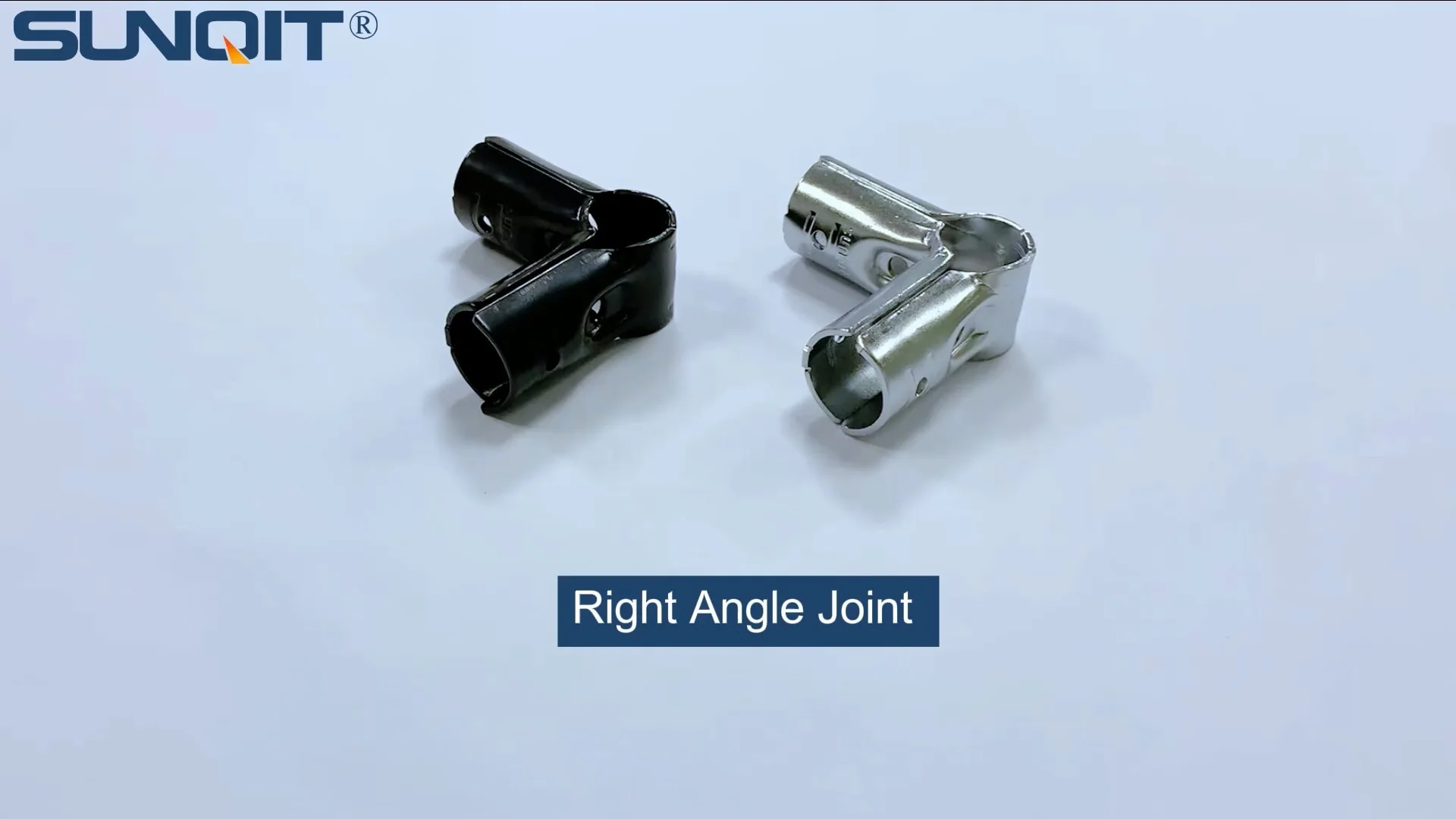
Three way lean pipe joint for 3 pcs 28MM lean pipe connection in straight angle, which used widely in workbench, flow rack, hand trolley frame connection.
The Backbone of Lean Management – Lean Pipe Systems
Lean management isn't just a buzzword—it's a philosophy that transforms how work gets done. At its core, it's about stripping away waste, streamlining processes, and creating systems that adapt as needs change. But here's the thing: none of that works without the right physical tools. Imagine walking into a factory where workbenches are bolted to the floor, material racks can't be adjusted, and every new project means tearing down and rebuilding from scratch. That's the opposite of lean. This is where lean pipe systems step in—the unsung heroes that turn rigid workspaces into flexible, efficient hubs. And at the heart of these systems? Small but mighty components like the three way lean pipe joint chrome. It might not grab headlines, but this little joint is what makes lean's promise of adaptability a reality.
Understanding Lean Pipe Systems: Beyond Just Pipes and Joints
Let's start with the basics. Lean pipe systems are modular setups built from simple components: pipes, joints, casters, workbench tops, and accessories like flow racks or roller tracks. Think of them as the ultimate building blocks for your workspace. Need a custom assembly line for a new product? Snap together pipes and joints. Want to rearrange your warehouse for faster order picking? Disassemble and rebuild in hours, not days. The magic lies in their modularity—no welding, no complex tools, just components that click (or screw) together to form exactly what you need, when you need it.
These systems come in various materials: steel pipes for heavy-duty use, aluminum for lighter, corrosion-resistant setups, and PE-coated pipes for environments where scratch protection matters. But today, we're zooming in on a critical component that often gets overlooked: the joints. Specifically, the three way lean pipe joint chrome. Why chrome? Because when you're building a system that needs to last through constant reconfigurations, resist rust in busy factories, and keep operations running smoothly, chrome plating isn't a luxury—it's a necessity.

The Three Way Lean Pipe Joint Chrome: Design and Functionality
So, what exactly is a three way lean pipe joint chrome? Let's break it down. At its simplest, it's a connector with three openings, designed to join three lean pipes at once. Picture a T-junction, but sturdier, or a corner piece that lets you branch off in two directions from a main line. But this isn't just a basic plastic fitting—we're talking about a metal joint, typically made from durable steel, then coated in a layer of chrome. That chrome finish isn't just for shine (though it does look sleek); it's a protective barrier. In factories where spills, humidity, or chemicals are part of daily life, chrome resists corrosion, ensuring the joint stays strong and easy to adjust over time.
But the real genius is in the engineering. These joints are designed to balance three key needs: strength, flexibility, and ease of use. Let's talk strength first. A good three way joint can handle significant weight—think loaded workbenches or flow racks stacked with parts. The internal mechanisms (often spring-loaded or with set screws) lock pipes securely in place, so you don't have to worry about wobbling or collapse. Then there's flexibility: many three way joints allow for 360-degree rotation, so you can angle pipes exactly where they need to go, whether that's a sharp 90-degree corner or a gentle slope for a roller track. And ease of use? Anyone who's struggled with assembling furniture knows the frustration of complicated instructions. These joints? They're designed for quick assembly—no special training required. A quick twist or tightening of a screw, and you're ready to go.

Why It Matters: The Impact of Three Way Joints on Lean Operations
You might be thinking, "It's just a joint—how much difference can it really make?" Let's start with flexibility. In lean management, the ability to adapt is everything. A product line might need to shrink one week and expand the next. A warehouse might switch from storing small parts to bulk items overnight. With three way joints, you're not stuck with a one-size-fits-all setup. Need a workbench with a side shelf? Use a three way joint to branch off from the main frame. Building a flow rack with multiple levels? Three way joints let you connect vertical supports to horizontal rails, creating sturdy shelves without extra brackets. This isn't just convenient—it's a game-changer for reducing waste.
Waste reduction is a cornerstone of lean, and three way joints excel here. Traditional fixed structures often end up as scrap when needs change. With modular joints, you can disassemble and reuse components. That old workbench? Take it apart, use the pipes and joints to build a material trolley. No more wasting money on new equipment or time on custom fabrication. And let's not forget safety. A loose joint or a weak connection isn't just inefficient—it's dangerous. Chrome-plated steel joints hold tight, even under heavy loads, reducing the risk of accidents. Plus, their smooth finish means no sharp edges, protecting workers from cuts during assembly or reconfiguration.
Cost-effectiveness is another big win. Think about the long-term: a well-made three way joint might cost a bit more upfront than a cheap plastic alternative, but it will outlast it by years. Chrome resists wear and tear, so you won't be replacing joints every few months. And because they're reusable, you'll save on new parts every time you rearrange. Over time, those small savings add up, making the joint one of the most cost-effective components in your lean system.
Comparing Joint Types: Why Three Way Chrome Stands Out
Not all lean pipe joints are created equal. Let's compare the three way chrome joint to some common alternatives to see why it's a standout choice.
As the table shows, three way chrome joints hit the sweet spot between strength, flexibility, and durability. They're not the cheapest, but they're the most reliable for day-to-day lean operations. Take a typical assembly line, for example. Workers need workbenches that can hold tools, parts bins, and maybe a laptop for instructions. With three way joints, you can add side arms for bins, adjust the height with vertical pipes, and even attach caster wheels for mobility—all with the same set of components. Try doing that with a two way plastic joint, and you'll be replacing broken parts before the end of the shift.
| Joint Type | Material | Load Capacity | Best For | Pros | Cons |
|---|---|---|---|---|---|
| Three Way Chrome | Chrome-plated steel | High (up to 500 lbs per joint) | Branching structures, corners, multi-level setups | Corrosion-resistant, flexible rotation, reusable | Slightly higher cost than plastic |
| Two Way Plastic | Polypropylene | Low (up to 150 lbs per joint) | Simple straight lines, light-duty shelving | Cheap, lightweight | Prone to cracking, not corrosion-resistant |
| Four Way Steel | Uncoated steel | Very high (up to 800 lbs per joint) | Complex intersections, heavy machinery frames | Extremely strong | Bulky, no chrome protection, limited rotation |
Real-World Applications: From Assembly Lines to Warehouses
Let's get concrete. Where do three way lean pipe joint chrome really shine? Let's walk through two common scenarios.
First, automotive manufacturing. Car parts come in all shapes and sizes, and assembly stations need to adapt quickly. A three way joint here might be used to build a workstation with a main work surface, a vertical shelf for tools, and a side roller track to feed parts from a nearby bin. When the next model comes in, the team can loosen the joints, reposition the roller track, and add a second shelf—all in under an hour. No waiting for maintenance to weld new brackets; just quick, on-the-spot adjustments. As one plant manager put it, "These joints turn our line workers into designers. They know what they need better than anyone, and now they can build it themselves."
Second, e-commerce warehouses. During peak seasons like Black Friday, order picking racks need to be optimized for speed. Three way joints make it easy to build custom flow racks with multiple lanes—each lane feeding into a packing station. The joints connect the horizontal roller tracks to vertical supports, and because they're chrome-plated, they hold up to the constant sliding of boxes without rusting. When the season ends, the racks can be broken down and stored, or reassembled into shelving for slower-moving items. It's lean in action: using the same components to meet changing demands, with zero waste.
Choosing the Right Supplier: Ensuring Quality in Three Way Joints
Not all three way joints are created equal, and neither are suppliers. When you're building a lean system, the last thing you need is a joint that fails mid-shift. So what should you look for in a supplier? Start with material quality. The steel should be high-grade (look for SAE 1018 or similar), and the chrome plating should be thick enough to resist scratches and corrosion (aim for at least 0.0005 inches of plating). Certifications matter too—ISO 9001 certification is a good sign that the supplier follows strict quality control processes.
Reliability is another factor. A great joint is useless if your supplier can't deliver on time. Look for suppliers with a track record of consistent stock and fast shipping, especially if you need to reconfigure a line quickly. And don't overlook customer service. If you're unsure which joint is right for your setup, a good supplier will help you choose, not just sell you the most expensive option. Remember, your lean system is only as strong as its weakest component—skimping on joints now could cost you in downtime later.
Future of Lean Pipe Systems: Innovations in Joint Technology
So, what's next for lean pipe joints? The future is all about smarter, more sustainable design. We're already seeing lightweight aluminum joints that match steel strength but reduce overall system weight, making reconfigurations even easier. There's also talk of integrated sensors—joints that can track weight loads or alert maintenance when a connection loosens. Imagine a flow rack that sends a notification to your phone before a joint fails—that's predictive maintenance, powered by the humble joint.
Sustainability is another trend. As companies push for greener operations, suppliers are developing joints made from recycled steel or with chrome alternatives that are easier to recycle. And modularity will only get better: joints that can connect different pipe sizes (like aluminum and steel) or snap together without tools. But even with all these innovations, the core role of the three way joint remains the same: to keep lean systems flexible, strong, and ready for whatever comes next.
Conclusion: The Small Component That Drives Big Results
At the end of the day, lean management is about the details—the small choices that add up to big efficiency gains. The three way lean pipe joint chrome might seem like a tiny part of the puzzle, but it's a critical one. It's the reason your workspace can adapt to new products, the key to reducing waste in setup and teardown, and the foundation of safe, durable lean systems. Whether you're running a factory, a warehouse, or a small workshop, investing in quality three way joints isn't just about buying a part—it's about building a system that grows with you, reduces stress for your team, and keeps your operations running smoothly, day in and day out.
So the next time you walk through your workspace, take a second look at those joints. They might not be glamorous, but they're the unsung heroes keeping your lean management system on track. And that? That's something worth celebrating.