- Company Articles
- Products and Technology
- Product knowledge
- The Modular Design of Corrugated Aluminum Pipe: Easy Reconfiguration Tips

The Modular Design of Corrugated Aluminum Pipe: Easy Reconfiguration Tips
Related Product
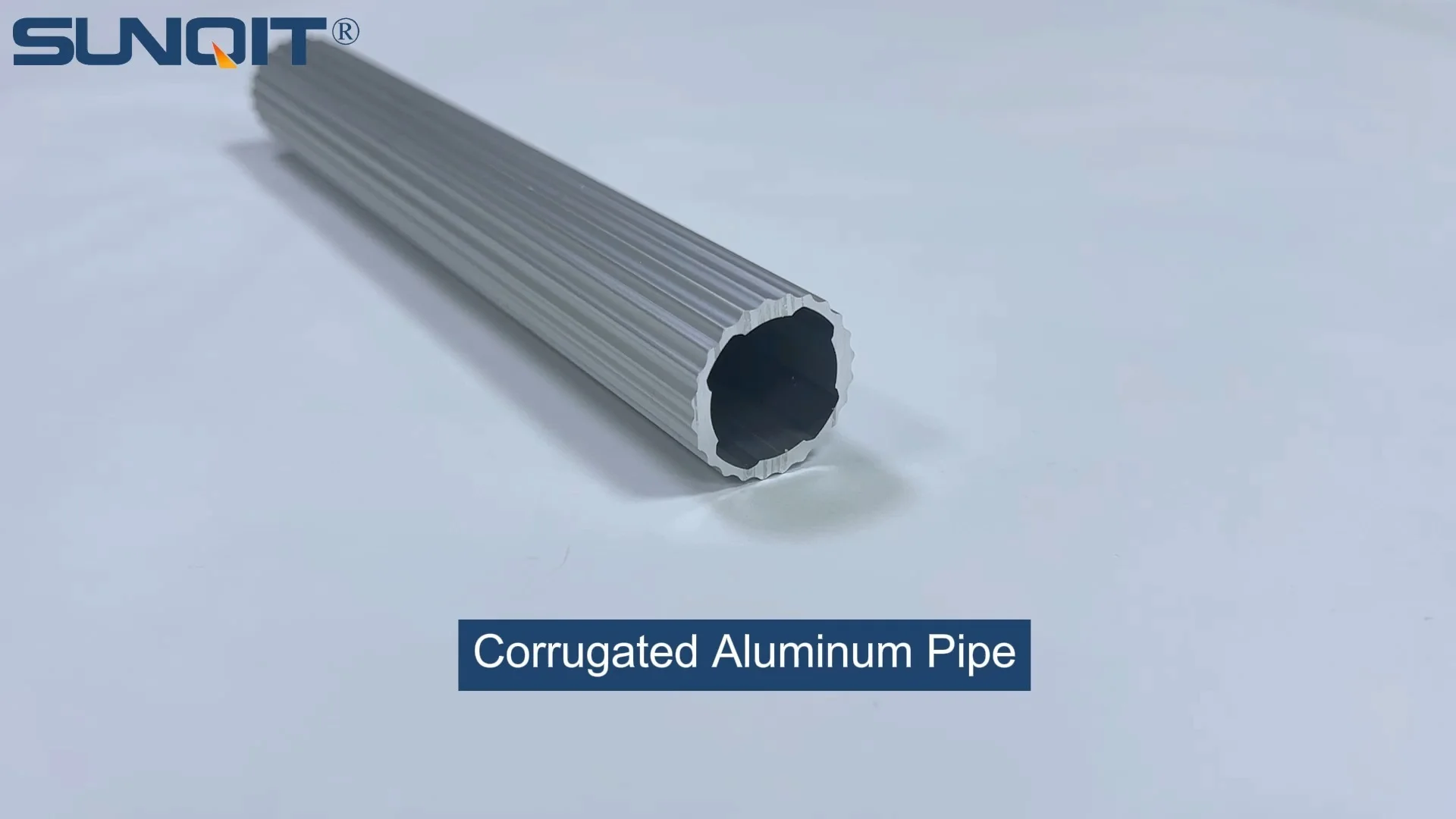
Corrugated Aluminum Pipe
Product Description The slot side is 10mm which can work with a T sliding block for connection accessories Quick Detail Product name Corrugated Aluminum pipe model GLT28-T-3010A Material Science 6005-T6 thickness 1.7mm surface treatment anodic oxidat
Last year, I spent a week shadowing a manufacturing consultant, Jake, as he worked with a small automotive parts shop in Ohio. The owner, Tom, had a problem: his production floor felt like a maze. Static steel racks lined the walls, workbenches were bolted to the floor, and every time a new order came in with different part sizes, his team wasted hours rearranging tools and materials. "We're losing money because we can't adapt fast enough," Tom told Jake. That's when Jake introduced them to corrugated aluminum pipe systems—and watching Tom's shop transform over the next month was nothing short of inspiring.
Corrugated aluminum pipe isn't just another industrial material. It's a game-changer for businesses that need flexibility. Unlike rigid steel or fixed plastic systems, it's designed to be reconfigured on the fly—no welding, no heavy tools, no waiting for contractors. But to truly unlock its potential, you need to understand its modular design and how to make the most of its components. In this guide, we'll break down what makes corrugated aluminum pipe so adaptable, explore the key accessories that bring it to life, and share step-by-step tips to reconfigure your setup like a pro.
What Is Corrugated Aluminum Pipe, Anyway?
Let's start with the basics. Corrugated aluminum pipe is exactly what it sounds like: lightweight aluminum tubing with a series of ridges (corrugations) along its length. These ridges aren't just for show—they add strength without adding weight, making the pipe both durable and easy to handle. Most corrugated pipes come in standard lengths (like 1m, 2m, or 3m) and diameters (often 28mm or 30mm), but what really sets them apart is their compatibility with a huge range of aluminum pipe accessories.
Think of it as adult Legos for the factory floor. The pipe is the "bricks," and the accessories—joints, clamps, brackets, and wheels—are the "connectors." You snap them together, adjust as needed, and take them apart just as easily. Tom's shop, for example, used 3m corrugated aluminum pipes and a mix of 90° aluminum pipe joints and parallel aluminum joint a connectors to build a flow rack that could expand or shrink based on daily orders. "We went from taking two days to reconfigure a rack to 20 minutes," Tom later told me. "It's like night and day."
The Magic of Modularity: Why It Matters for Your Workspace
Modularity isn't just a buzzword here—it's about solving real problems. Traditional workspaces are built for permanence, but modern manufacturing, warehousing, and even offices need to pivot quickly. A clothing warehouse might need wider racks for winter coats in October and narrower ones for summer dresses in April. A tech startup's assembly line might switch from building smart speakers to fitness trackers overnight. Rigid setups can't keep up, but corrugated aluminum pipe systems thrive on change.
The secret lies in three key features: lightweight strength , tool-free assembly , and universal compatibility . Aluminum is 30% lighter than steel, so even a single worker can carry and adjust pipes without help. Most aluminum pipe accessories—like internal straight aluminum joints or 45° aluminum pipe joint inside connection—twist or snap into place, no wrenches required. And because most manufacturers follow standard sizing, you can mix and match parts from different suppliers (though sticking with a trusted lean pipe supplier is always smart for consistency).
Let's circle back to Maria, the electronics plant manager I mentioned earlier. Her team needed workstations that could tilt for ergonomic assembly or lie flat for packing. With corrugated aluminum pipe, she used workbench e (single deck-without caster) frames and added adjustable leveling feet to stabilize the setup on uneven floors. When a new ergonomic study suggested raising the work surface by 5cm, her team simply unscrewed the feet, adjusted the height, and tightened them back—no tools, no downtime.

Key Components: The Building Blocks of Modularity
To reconfigure like a pro, you need to know your accessories. These are the unsung heroes that turn plain pipes into dynamic workspaces. Let's break down the essentials:
| Accessory Type | Function | Best For |
|---|---|---|
| 90° Aluminum Pipe Joints | Connect two pipes at a right angle (e.g., vertical to horizontal). | Building workbench frames or shelving corners. |
| Parallel Aluminum Joint A | Link two parallel pipes (e.g., the sides of a rack). | Creating stable, parallel structures like flow rack sides. |
| Adjustable Leveling Feet | Screw into pipe ends to stabilize structures on uneven floors. | Workbenches, static racks, or assembly stations. |
| Caster Wheels | Add mobility—lockable options keep structures in place when needed. | Turnover trolleys, mobile workstations, or temporary storage racks. |
| Plastic Roller Track Guide Rail (Yellow/Grey) | Mount on pipes to create gravity-fed flow lanes for materials. | Flow racks for picking parts or assembly line material feeding. |
One accessory that deserves extra attention is the lean pipe joint. While aluminum joints are designed specifically for aluminum pipes, lean pipe joints (often made of plastic or metal) are versatile enough to work with both aluminum and traditional steel lean pipes. This is a boon for businesses transitioning from older systems—you don't have to replace everything at once. For example, a bakery I worked with kept their steel lean pipe workbench frames but added corrugated aluminum pipe shelves using lean pipe joints, saving on costs while still gaining flexibility.
Step-by-Step Reconfiguration: From Idea to Action
Reconfiguring a corrugated aluminum pipe system isn't rocket science, but it does require a plan. Let's walk through the process with a real example: a small furniture assembly workshop that wants to convert a static material rack into a mobile trolley for transporting cushions. Here's how they did it:
1. Assess Your Needs (and Measure Twice)
The workshop's old material rack was a fixed 3-row, 3-floor structure (similar to material rack b) built with basic aluminum tube. It held stacks of fabric and foam cushions, but moving it required 2-3 people. The goal: a trolley that could hold 4 cushions at a time and fit through the 80cm-wide door to the sewing area. First, they measured the door width and the cushion dimensions (45cm x 45cm x 15cm). They decided on a 70cm-wide, 50cm-deep trolley with two shelves.
2. Disassemble the Old Structure (Gently!)
Using a rubber mallet (to avoid damaging the aluminum), they tapped loose the 90° aluminum pipe joints connecting the vertical and horizontal pipes. Pro tip: Label the pipes and joints with masking tape (e.g., "Left upright," "Top shelf crossbar") to avoid confusion later. They set aside the old adjustable leveling feet (since the trolley would need caster wheels instead) and kept the 2m corrugated aluminum pipes—most were still in great shape.
3. Gather New Accessories (and Check Compatibility)
They needed: 4 caster wheels (two with brakes for stability), 8 parallel aluminum joint a connectors (to attach the shelves), and 4 internal straight aluminum joints (for the corners). They double-checked that the caster stems fit the pipe diameter (28mm) and that the joints were compatible with corrugated aluminum pipe (most modern aluminum pipe accessories are, but it never hurts to confirm with your supplier).
4. Build the Base Frame
They cut two 70cm pipes for the front and back of the base, and two 50cm pipes for the sides, using a pipe cutter (a hacksaw works too, but a pipe cutter gives cleaner edges). Then they connected them with 90° aluminum pipe joints to form a rectangle. Next, they screwed the caster wheels into the corners—two with brakes on the same side for easy locking.
5. Add Vertical Supports and Shelves
Four 60cm vertical pipes were attached to the base frame's corners using internal straight aluminum joints. Then, they added two more 70cm x 50cm rectangles (the shelves) at 30cm and 60cm heights, securing them with parallel aluminum joint a connectors. These joints allowed the shelves to be adjusted later if needed—handy if they start using thicker cushions.
6. Test and Tweak
They loaded four cushions onto the trolley and rolled it through the door—it fit! But when they turned a corner, the top shelf wobbled slightly. A quick fix: adding diagonal bracing with two short (40cm) pipes and 45° aluminum pipe joint inside connection at the back corners. Now it's stable, even when fully loaded. Total time: 1 hour and 15 minutes, start to finish.
Real-World Applications: Where Modularity Shines
Corrugated aluminum pipe systems aren't just for factories. I've seen them transform spaces across industries:
Healthcare: Mobile Medical Carts
A rural clinic needed carts to transport supplies between exam rooms. They used corrugated aluminum pipe, caster wheels, and aluminum honeycomb panels for shelves. When COVID hit, they quickly reconfigured the carts to hold PPE and sanitizing stations—no tools required.
Retail: Pop-Up Shop Displays
A clothing brand uses corrugated aluminum pipe and plastic roller track guide rail yellow to build modular racks for pop-up events. After the event, they disassemble everything into a small storage bin—far easier than hauling heavy wooden shelves.
Education: Flexible Classroom Stations
A high school STEM lab built workstations with corrugated aluminum pipe and adjustable leveling feet. Students reconfigure them daily—from individual desks for tests to group tables for projects—teaching teamwork and adaptability along the way.
Maintenance Tips: Keeping Your System Strong for Years
Corrugated aluminum pipe systems are low-maintenance, but a little care goes a long way:
- Clean regularly: Wipe pipes and accessories with a damp cloth to remove dust and grease. For stubborn grime, use mild soap and water—avoid harsh chemicals that can damage aluminum finishes.
- Check joints monthly: Tighten any loose joints with a rubber mallet (gentle taps work best). If a joint is cracked or worn, replace it immediately—don't risk structural integrity.
- Lubricate moving parts: Caster wheels and roller tracks (like plastic roller track guide rail grey) benefit from a drop of silicone lubricant every few months to keep them rolling smoothly.
- Store extra parts smartly: Keep spare pipes and aluminum profile accessories in labeled bins. This saves time when reconfiguring and ensures you have backups when needed.
Final Thoughts: Embracing the Future of Flexible Workspaces
When Tom's shop first switched to corrugated aluminum pipe, he worried about the cost. "Was it cheaper than steel? No, not upfront," he admitted. "But the ROI? Instant. We're saving hours every week, and we've taken on more orders because we can adapt so quickly." That's the power of modular design—it's not just about the pipes and accessories; it's about empowering your team to work smarter, not harder.
Whether you're running a factory, a warehouse, a classroom, or a pop-up shop, corrugated aluminum pipe systems offer a simple truth: your space should work for you, not the other way around. With the right components, a little creativity, and these reconfiguration tips, you can build a workspace that grows, changes, and thrives—no matter what the future brings.