- Company Articles
- Products and Technology
- Technology Sharing
- The Role of Aluminum Guide Rail B in Smart Factories: Integration with Automation

The Role of Aluminum Guide Rail B in Smart Factories: Integration with Automation
Related Product
Aluminum Guide Rail B
The aluminum guide rails hold the transport goods securely on the roller track. For installation, the guide rails are simply pushed over the roller tracks.To protect sensitive products.
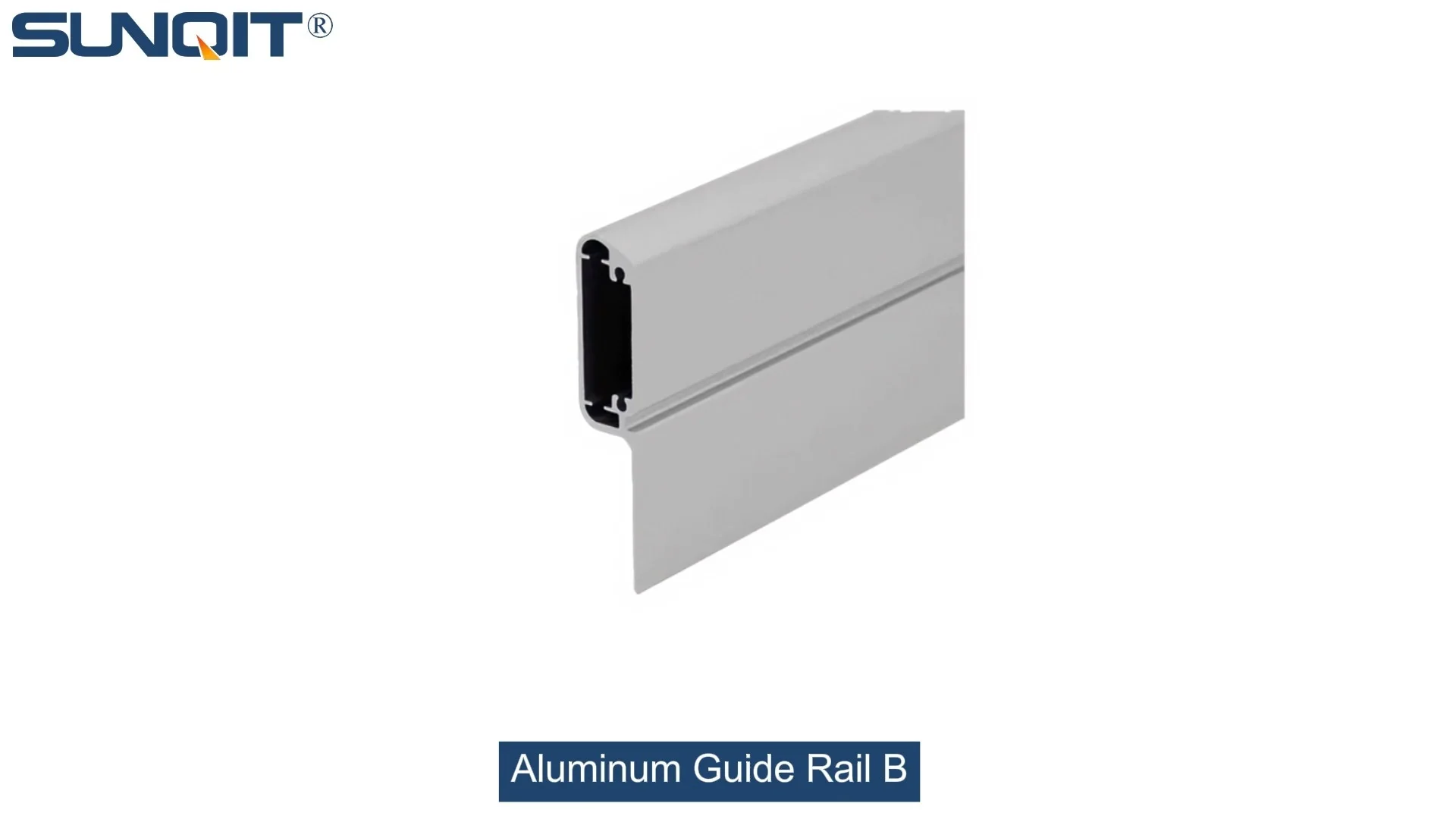
In today's fast-paced manufacturing landscape, smart factories are no longer a distant vision—they're the present. These high-tech hubs thrive on automation, connectivity, and flexibility, where every component plays a part in keeping operations smooth, efficient, and adaptable. Among the unsung heroes of this revolution is a humble yet crucial tool: Aluminum Guide Rail B. Far more than just a metal track, it's the backbone that bridges mechanical precision with automated intelligence, making it a cornerstone of modern lean manufacturing systems. Let's dive into how this unassuming component is reshaping the way factories operate, from material flow to full-scale automation integration.
What Makes Aluminum Guide Rail B a Game-Changer?
Before we explore its role in automation, let's get to know Aluminum Guide Rail B up close. Unlike traditional steel rails or rigid plastic tracks, this component is engineered with smart factories in mind. Crafted from high-grade aluminum, it strikes the perfect balance between strength and lightweight design—strong enough to handle heavy loads day in and day out, yet light enough to reconfigure without heavy machinery. Its surface is treated to resist corrosion and wear, ensuring it holds up in dusty factory environments or cleanrooms alike.
But what truly sets it apart is its flexibility. Aluminum Guide Rail B isn't a one-size-fits-all solution. It's designed with modularity in mind, featuring pre-drilled holes and compatible connectors that let teams adjust its length, angle, or position in minutes. This adaptability is a game-changer for factories that need to switch between product lines or scale operations quickly—no more tearing out old infrastructure or waiting for custom parts. It's the kind of flexibility that turns "we can't" into "we can rearrange the line by next shift."
Aluminum Guide Rail B: The Glue That Holds Automation Together
Smart factory automation isn't just about robots and software—it's about how all the moving parts work as one. Aluminum Guide Rail B excels here, acting as the connective tissue between different systems. Let's break down its key partnerships:
Working Hand-in-Hand with Flow Racks
Flow racks are the workhorses of material handling, using gravity to slide products from storage to picking stations. But without the right guide rails, even the best flow rack can hit snags—products jamming, uneven movement, or slowdowns at curves. That's where Aluminum Guide Rail B steps in. Its smooth, consistent surface ensures items glide evenly, whether they're small electronic components or larger automotive parts. The rail's adjustable width means it can accommodate different product sizes without needing a complete rack overhaul. For example, a 3C assembly plant switching from smartphone components to tablet parts can simply adjust the Aluminum Guide Rail B spacing, saving hours of reconfiguration time. It's this kind of adaptability that keeps flow racks efficient, even as production needs change.
Seamless Collaboration with Conveyors
Conveyors are the arteries of a factory, moving products from one station to the next. But when conveyors meet other systems—like assembly workstations or packaging areas—gaps or misalignments can disrupt the flow. Aluminum Guide Rail B acts as a bridge, creating a smooth transition zone. Its precision engineering ensures that products move from conveyor belts to worktables without jostling or getting stuck. In automotive plants, where timing is everything, this means less downtime and fewer damaged parts. Imagine a conveyor carrying car door panels: with Aluminum Guide Rail B guiding the panels onto the assembly line, workers can focus on installation instead of realigning mispositioned parts. It's small touches like this that add up to big gains in productivity.
Supporting Lean Solutions for Sustainable Improvement
At the heart of smart manufacturing is the lean philosophy—maximizing value while minimizing waste. Aluminum Guide Rail B embodies this perfectly. Its durable aluminum construction means it can be reused and reconfigured countless times, reducing the need for new materials. When a factory redesigns its layout, the rail doesn't end up in a landfill; it's repurposed for a new section of the line. This aligns with the "sustainable improvement" goal that drives modern lean solutions. For instance, a medical device manufacturer using Aluminum Guide Rail B in its production line can expand or shrink workstations as demand fluctuates, all while keeping costs low and environmental impact minimal. It's not just about efficiency today—it's about building a system that can grow and adapt tomorrow.

Aluminum Guide Rail B in Action: Real-World Impact Across Industries
From electronics to healthcare, Aluminum Guide Rail B is making its mark in factories worldwide. Let's look at how it's transforming operations in three key sectors:
| Industry | Application Scenario | Key Benefits of Aluminum Guide Rail B |
|---|---|---|
| 3C Assembly | High-precision production lines for smartphones, laptops, and wearables |
• Micro-adjustable rails for tiny components
• ESD-safe design to protect sensitive electronics • Quick reconfiguration for frequent product updates |
| Medical Device Manufacturing | Cleanroom production of surgical tools and diagnostic equipment |
• Smooth, easy-to-clean surface meeting sterility standards
• Corrosion-resistant aluminum ideal for controlled environments • Flexible layout changes to accommodate small-batch, custom orders |
| Automotive Production | High-volume assembly lines for vehicles and parts |
• Heavy-load capacity for large components like engines
• Seamless integration with automated guided vehicles (AGVs) • Reduced maintenance downtime due to durable design |
Take the 3C industry, for example. With new smartphone models launching every few months, factories need to pivot quickly. A leading electronics manufacturer in China recently upgraded its assembly line with Aluminum Guide Rail B, replacing rigid plastic rails that took hours to adjust. Now, when switching from assembling smartwatches to tablets, workers can reposition the rails in under 30 minutes, cutting changeover time by 70%. This agility has helped the factory meet tight launch deadlines and stay ahead in a competitive market.
In medical device manufacturing, compliance is non-negotiable. A U.S.-based medical equipment maker was struggling with traditional steel rails that were hard to sanitize and prone to rust. After switching to Aluminum Guide Rail B, they saw a 40% reduction in cleaning time and passed their next FDA inspection with zero issues. The rail's smooth surface leaves no room for bacteria to hide, making it a reliable choice for sterile environments.

Beyond Efficiency: The Ripple Effects of Aluminum Guide Rail B
The impact of Aluminum Guide Rail B goes beyond just faster production lines. It's about creating workplaces that are more adaptable, sustainable, and worker-friendly. Here's how:
- Lower Costs Over Time: By reusing and reconfiguring the rail instead of replacing it, factories save on material and labor costs. One automotive supplier reported a 25% reduction in annual equipment expenses after adopting Aluminum Guide Rail B.
- Happier, More Productive Teams: When workers don't have to waste time fixing jams or adjusting misaligned rails, they can focus on higher-value tasks. This leads to less frustration and higher job satisfaction—a win for both employees and employers.
- Future-Proofing Operations: As automation technology evolves, Aluminum Guide Rail B can keep up. Its compatibility with new conveyor systems, robots, and IoT sensors means factories won't get left behind as smart manufacturing advances.

Why Aluminum Guide Rail B is Here to Stay
In a world where manufacturing is constantly evolving, the need for flexible, reliable components has never been greater. Aluminum Guide Rail B isn't just a tool—it's a partner in building the factories of the future. Whether it's working with flow racks to keep materials moving, collaborating with conveyors for seamless transitions, or supporting lean solutions for sustainable growth, it's clear that this unassuming rail plays a vital role in automation integration.
As more factories embrace smart manufacturing, the demand for components that can keep up with change will only grow. Aluminum Guide Rail B rises to the challenge, proving that sometimes the most impactful innovations are the ones that quietly hold everything together. For manufacturers looking to stay competitive, efficient, and ready for whatever comes next, it's not just a choice—it's a necessity.