- Company Articles
- Products and Technology
- Product knowledge
- The Role of Aluminum Honeycomb Panels in Lean Manufacturing Systems

The Role of Aluminum Honeycomb Panels in Lean Manufacturing Systems
Related Product
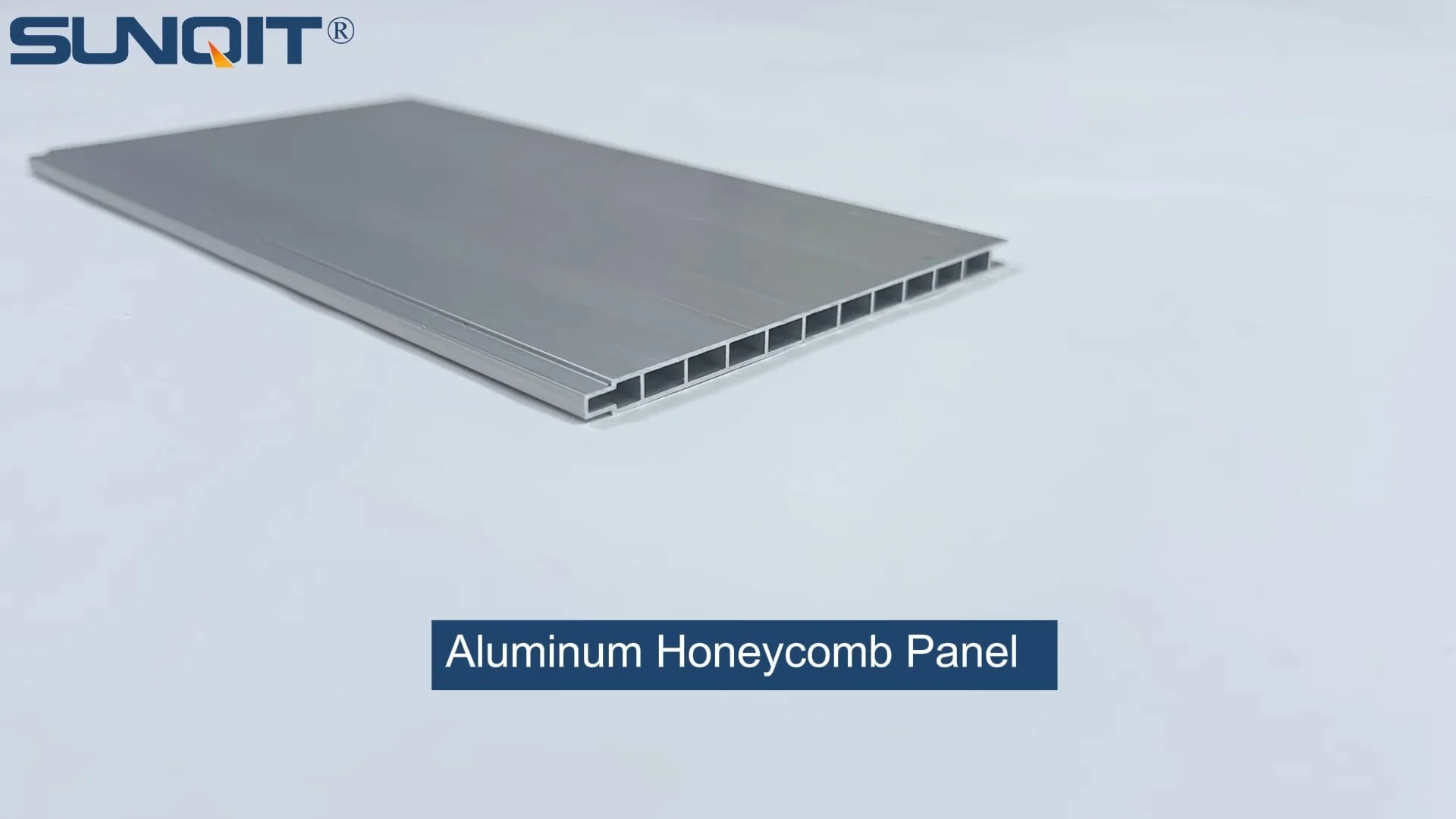
Aluminum Honeycomb Panel
Aluminum honeycomb panel used as table top, side wall, it is connected one pcs by one pcs from the side slot to make a full pieces.This panel width 105mm, 55mm, 35mm are optional for slection.
Walk into any modern manufacturing facility, and you'll likely notice a common thread: a relentless focus on efficiency. From the way parts move along assembly lines to the layout of workstations, every element is designed to minimize waste, maximize productivity, and adapt to changing demands. This is the essence of lean manufacturing—a philosophy built on the principles of continuous improvement, value creation, and waste reduction. But behind the methodologies and process maps lies a critical, often overlooked foundation: the materials that bring these systems to life. Today, we're diving into one such material that's quietly revolutionizing lean operations: aluminum honeycomb panels. Far more than just a component, these panels are becoming a cornerstone of lean systems, offering a unique blend of strength, flexibility, and sustainability that aligns perfectly with the goals of modern manufacturing.
What Are Aluminum Honeycomb Panels? A Closer Look at Their Composition and Properties
Before we explore their role in lean systems, let's start with the basics: What exactly are aluminum honeycomb panels? At first glance, they might look like any other metal sheet, but their structure is a marvel of engineering, inspired by one of nature's most efficient designs—the beehive. These panels consist of a lightweight honeycomb core sandwiched between two thin aluminum sheets (called "skins"). The core, typically made from aluminum as well, features a hexagonal grid pattern that distributes weight evenly across the panel, while the outer skins add surface strength and protection.
This unique construction gives aluminum honeycomb panels a set of properties that make them stand out in industrial settings. First and foremost is their strength-to-weight ratio . Despite being incredibly lightweight—often 70% lighter than solid aluminum of the same thickness—they offer impressive rigidity and load-bearing capacity. Imagine a panel that can support heavy machinery or stacks of parts without bending, yet is light enough for a single worker to lift and maneuver. That's the magic of the honeycomb design: the hexagonal cells resist compression and bending forces, turning a seemingly delicate structure into a powerhouse of durability.
But strength and lightness are just the beginning. Aluminum honeycomb panels also boast corrosion resistance , thanks to the aluminum skins and core, which naturally form a protective oxide layer. This makes them ideal for factories where moisture, oils, or chemicals might otherwise degrade traditional materials like wood or untreated steel. They're also thermally and acoustically insulating —the air pockets in the honeycomb core slow heat transfer and dampen noise, contributing to a more comfortable and energy-efficient workspace. And when it comes to customization, they're incredibly versatile: panels can be cut to any size, shaped into curves (with the right manufacturing techniques), and finished with coatings to enhance scratch resistance or grip.
Why Aluminum Honeycomb Panels Align with Lean System Principles
Lean manufacturing is guided by the elimination of seven types of waste: overproduction, waiting, transportation, motion, inventory, defects, and overprocessing. Aluminum honeycomb panels address nearly all of these, making them more than just a material choice—they're a lean enabler. Let's break down how their properties directly support lean goals.
Waste Reduction: Doing More with Less Material
At the heart of lean is the idea of "doing more with less," and aluminum honeycomb panels embody this principle. The honeycomb core uses far less material than solid alternatives, reducing raw material waste during production. For example, a 20mm thick aluminum honeycomb panel uses roughly 30% of the aluminum required for a solid 20mm aluminum sheet, yet performs equally well in load-bearing applications. This not only lowers material costs but also reduces the environmental impact of manufacturing—aligning with the growing focus on sustainability in lean practices.
Beyond material efficiency, their lightweight nature cuts down on transportation and motion waste. Think about a worker tasked with moving a heavy steel workbench top across the factory floor. The effort required (motion waste) and time spent (waiting waste) can slow down production. With aluminum honeycomb panels, the same top might weigh half as much, making it easier to transport, install, or reposition. This reduces physical strain on workers and frees up time for value-adding tasks—exactly what lean aims to achieve.
Flexibility and Adaptability: Supporting Continuous Improvement
Lean systems thrive on adaptability. Production lines change, product mixes shift, and workflows evolve—and the tools and structures that support them need to keep up. Aluminum honeycomb panels excel here. Their customizable size, thickness, and finish mean they can be tailored to fit specific needs, whether it's a small workbench for electronics assembly or a large flow rack shelf for automotive parts. And because they're lightweight and easy to cut, modifying or repurposing them is simple. A panel used as a workbench top today can be trimmed down tomorrow to serve as a shelf in a flow rack, eliminating the need to buy new materials (overprocessing waste).
This flexibility is further enhanced when paired with aluminum profiles—a common component in lean manufacturing. Aluminum profiles, with their T-slot design, allow for quick and tool-free assembly of structures like workbenches, racks, and frames. Aluminum honeycomb panels integrate seamlessly with these profiles, using brackets or fasteners that slide into the T-slots. The result? Modular systems that can be disassembled, reconfigured, or expanded as production needs change—no welding or heavy machinery required. This adaptability ensures that manufacturing facilities aren't stuck with rigid, one-use structures, but instead have tools that grow and evolve with their processes.
Durability: Minimizing Replacement and Maintenance Waste
Lean systems also aim to reduce waste from equipment failure or frequent replacements. A workbench top that warps after six months, or a flow rack shelf that bends under load, forces manufacturers to spend time and money on repairs or replacements—both forms of waste. Aluminum honeycomb panels, however, are built to last. Their corrosion resistance means they hold up in harsh factory environments, while their rigidity prevents warping or bending under consistent use. Even in high-traffic areas, their scratch-resistant skins (often anodized or coated) maintain their integrity, reducing the need for frequent refinishing or replacement.
Consider a food packaging plant, where equipment is regularly washed down with water and cleaning agents. A wooden workbench top would swell and rot over time, while a solid steel top might rust. An aluminum honeycomb panel, though, resists both moisture and corrosion, staying functional for years. This longevity not only cuts down on replacement costs but also reduces the downtime associated with repairing or replacing damaged equipment—keeping production lines running smoothly and efficiently.

Practical Applications in Lean Manufacturing: From Workbenches to Flow Racks
Now that we understand why aluminum honeycomb panels align with lean principles, let's explore their real-world applications. In manufacturing, two of the most critical structures are workbenches and flow racks—both central to daily operations and both areas where aluminum honeycomb panels are making a significant impact.
Workbenches: The Heart of the Production Floor
Workbenches are the workhorses of manufacturing. They're where assembly happens, tools are stored, and parts are inspected—making them a focal point for lean optimization. A poorly designed workbench can introduce motion waste (e.g., reaching for tools), defects (e.g., unstable surfaces causing errors), or downtime (e.g., frequent repairs). Aluminum honeycomb panels, when used as workbench tops, address all these issues.
Take, for example, a lean workbench in an automotive component assembly line. The top needs to support heavy tools, clamp fixtures, and bins of parts, while remaining stable enough to ensure precise assembly. A solid steel top would provide the stability but at the cost of weight—making the workbench difficult to move if production lines need reconfiguring. An aluminum honeycomb top, by contrast, offers the same stability (thanks to its rigid core) but at half the weight. This means the workbench can be fitted with casters, allowing workers to easily reposition it as needed—eliminating the need for multiple fixed workbenches and reducing space waste.
Durability is another key factor. Assembly workbenches see constant use: parts are dropped, tools are dragged, and spills (oil, coolant, adhesives) are common. Aluminum honeycomb panels, with their scratch-resistant and corrosion-resistant skins, stand up to this abuse. Unlike wood, they won't absorb liquids or warp; unlike plastic, they won't crack under heavy loads. This ensures the workbench remains level and functional, reducing defects caused by unstable surfaces. And when the top does show signs of wear (after years of use), it can be easily replaced without rebuilding the entire workbench—another win for waste reduction.
To illustrate the impact, let's compare three common workbench top materials: solid wood, solid steel, and aluminum honeycomb. The table below highlights their key attributes in a lean context:
| Material | Weight (24"x48" top) | Load Capacity | Durability (Factory Use) | Repairability | Lean Waste Reduction |
|---|---|---|---|---|---|
| Solid Wood | 45 lbs | Medium (prone to warping) | Low (warping, moisture damage) | Difficult (sanding, refinishing) | High (frequent replacement, motion waste from weight) |
| Solid Steel | 120 lbs | High | Medium (rust, dents) | Medium (grinding, painting) | Medium (high weight causes motion/transport waste) |
| Aluminum Honeycomb | 30 lbs | High (rigid core) | High (corrosion-resistant, scratch-resistant) | Easy (replace top only) | Low (minimal replacement, lightweight reduces motion waste) |
Flow Racks: Streamlining Material Flow and Reducing Motion Waste
Flow racks are another staple of lean manufacturing, designed to optimize material flow and ensure parts are picked in the correct order (FIFO—First In, First Out). By storing parts on inclined shelves with rollers, flow racks reduce search time (motion waste) and ensure workers always access the oldest parts first (reducing inventory waste from obsolescence). The shelves themselves, however, are critical to their performance—they need to support the weight of parts, withstand constant use, and integrate with the rollers.
Aluminum honeycomb panels are an ideal choice for flow rack shelves. Their lightweight nature makes the racks easier to assemble and install—workers can lift and position shelves without heavy equipment, reducing motion waste during setup. Their rigidity ensures the shelves remain level, preventing parts from getting stuck or jamming on the rollers. And their corrosion resistance means they hold up even in environments where parts are oily or damp, such as automotive or machining plants.
Consider a warehouse using flow racks to store plastic injection-molded parts. Each shelf holds dozens of bins, each weighing 20-30 lbs. A solid wood shelf might bow under the weight over time, causing bins to slide unevenly or get stuck. A steel shelf would handle the weight but add significant bulk to the rack, making it harder to move or reconfigure. An aluminum honeycomb shelf, with its high strength-to-weight ratio, supports the bins without bending, while keeping the rack lightweight enough to adjust as production volumes change. This ensures smooth material flow, reduces downtime from jams, and allows for quick reconfiguration—all key to lean efficiency.

Integrating with Aluminum Profiles: Building Custom, Lean-Friendly Structures
No discussion of aluminum honeycomb panels in lean systems would be complete without mentioning their synergy with aluminum profiles. Aluminum profiles—extruded aluminum beams with T-slot grooves—are the building blocks of lean manufacturing structures. They're used to create everything from workbenches and machine guards to flow racks and material trolleys. What makes them lean-friendly is their modularity: they can be connected with brackets, bolts, or hinges without welding, allowing for quick assembly, disassembly, and reconfiguration.
Aluminum honeycomb panels complement this modularity perfectly. Their flat, rigid surfaces can be easily attached to aluminum profiles using T-slot nuts and bolts, which slide into the profile's grooves and tighten securely. This means a workbench frame built from aluminum profiles can have an aluminum honeycomb top bolted on in minutes, with no special tools required. If the workbench needs to be taller, shorter, or wider, the profiles can be adjusted, and the panel can be trimmed to fit—no need to start from scratch.
This integration also opens up possibilities for customization. For example, a manufacturer might need a workbench with built-in tool storage. Using aluminum profiles, they can add side rails to the workbench frame, then attach small aluminum honeycomb panels as shelves or bin holders. The panels can be cut to fit the exact size of the bins, ensuring no wasted space. Later, if the tools change, the shelves can be removed or resized—adapting to new needs without generating waste.
Quantifying the Benefits: Lean Metrics Improved by Aluminum Honeycomb Panels
Lean manufacturing is data-driven, and the success of any tool or material is measured by its impact on key metrics: lead time, cost per unit, space utilization, and defect rates. Aluminum honeycomb panels deliver improvements across all these areas, making them a valuable investment for lean-focused facilities.
Lead Time Reduction: Lighter Materials, Faster Processes
Lead time—the time it takes to produce a product from start to finish—is a critical lean metric. Every minute saved in lead time translates to faster delivery to customers and reduced inventory holding costs. Aluminum honeycomb panels cut lead time in several ways: by reducing the time spent moving equipment (lighter structures are faster to reposition), by minimizing downtime from equipment failures (durable panels need fewer repairs), and by enabling quicker reconfiguration of production lines (modular structures adapt faster to demand changes).
For example, a manufacturer producing small appliances might need to switch between two product lines daily. With traditional steel workbenches, reconfiguring the line takes 2 hours (due to heavy lifting and disassembly). With aluminum honeycomb-topped workbenches on casters, the same reconfiguration takes 30 minutes. Over a month (20 production days), this saves 30 hours of labor—time that can be redirected to assembling products instead of moving equipment. This directly reduces lead time and increases output.
Cost Savings: Lower Material and Operational Costs
Cost is another key metric, and aluminum honeycomb panels deliver savings in both upfront and long-term costs. While their initial price may be higher than wood or low-grade steel, their durability and efficiency lead to lower total cost of ownership. For instance, a solid steel workbench top costs $150 but needs replacement every 3 years. An aluminum honeycomb top costs $200 but lasts 10 years. Over a decade, the steel top would cost $500 (3 replacements), while the honeycomb top costs $200—saving $300. Add in savings from reduced labor (easier handling), lower shipping costs (lighter weight), and fewer defects (stable surfaces), and the ROI becomes clear.
Space Optimization: Maximizing Floor Efficiency
Space is a valuable resource in manufacturing, and lean systems aim to maximize its use. Aluminum honeycomb panels, being lightweight, allow for taller or more compact structures without sacrificing stability. For example, a flow rack built with aluminum profiles and honeycomb shelves can be taller (since the shelves add less weight) and hold more parts in the same footprint. This reduces the need for additional racks, freeing up floor space for other value-adding activities. Similarly, lightweight workbenches can be stacked or nested when not in use, further saving space during changeovers or downtime.
Conclusion: Aluminum Honeycomb Panels – A Material for the Future of Lean Manufacturing
In the world of lean manufacturing, success lies in the details—the tools, processes, and materials that come together to eliminate waste and drive efficiency. Aluminum honeycomb panels may not be the most glamorous of these details, but their impact is undeniable. By combining lightweight design, high strength, durability, and flexibility, they align perfectly with lean principles, supporting waste reduction, adaptability, and continuous improvement.
From workbenches that move with ease to flow racks that keep materials flowing smoothly, from integration with aluminum profiles to long-term cost savings, aluminum honeycomb panels are more than just a material—they're a lean enabler. They empower manufacturers to build the efficient, adaptable, and sustainable systems needed to thrive in today's competitive landscape. As lean manufacturing continues to evolve, one thing is clear: the materials that support it will play an increasingly critical role, and aluminum honeycomb panels are poised to be at the forefront of that evolution.