- Company Articles
- Products and Technology
- Product knowledge
- The Role of Aluminum Profile Rubber Strips in Reducing Vibration on Conveyors

The Role of Aluminum Profile Rubber Strips in Reducing Vibration on Conveyors
Related Product
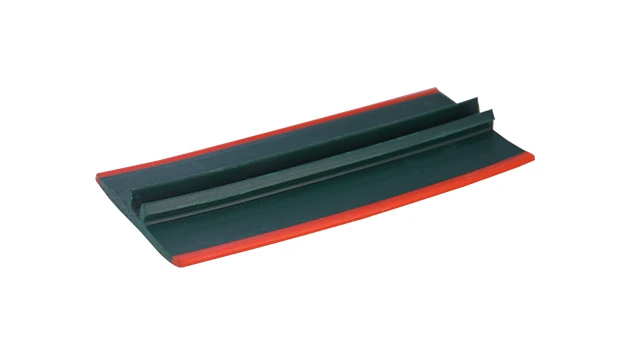
Aluminum Profile Rubber Strip
The tread strip fits into a T-slot channel and provides an anti-slip ribbed surface. It has a key pad that presses into a T-slot and is commonly used for adding traction on steps or as padding for doors. Tread strip can be ordered by rolls. The high quali
1. Introduction: The Hidden Cost of Conveyor Vibration
Walk into any busy manufacturing plant, and you'll likely hear it before you see it: the steady hum of conveyor belts, the clatter of metal parts sliding along roller tracks, and the low rumble of motors keeping everything in motion. Conveyors are the unsung heroes of modern production, quietly moving materials from point A to B so that assembly lines can hum along without a hitch. But beneath that routine rhythm lies a silent problem: vibration. It's not just an annoyance—it's a hidden drain on efficiency, product quality, and even workplace morale.
Imagine a line where delicate electronics components are being transported. A sudden jolt from a vibrating conveyor might nudge a tiny resistor out of place, leading to a defective product that won't be caught until hours later. Or consider the wear and tear on a roller track: over time, constant vibration loosens bolts, wears down bearings, and shortens the lifespan of expensive equipment. Even workers aren't immune—prolonged exposure to high noise and vibration levels can lead to fatigue, distraction, and increased risk of error.
The good news? There's a surprisingly simple solution that's been quietly transforming conveyor performance in factories worldwide: aluminum profile rubber strips. These unassuming strips, often overlooked in favor of flashier tech, are proving to be a game-changer in taming vibration. In this article, we'll dive into how they work, why they matter, and how they can turn a noisy, inefficient conveyor system into a smooth, reliable asset for your operation.
2. Understanding Conveyor Systems and Their Vibration Challenges
To appreciate why aluminum profile rubber strips are so effective, let's first break down how conveyors work and where vibration creeps in. At their core, most industrial conveyors rely on a few key components: a frame (often made of aluminum extrusion profiles for their strength and light weight), a series of rollers or a belt, and a motor to drive the movement. Materials—whether boxes, parts, or raw goods—ride along this system, guided by rails or side guards.
Vibration can start in a dozen different places. Maybe the motor is slightly unbalanced, sending tiny tremors through the frame. Or perhaps the roller track isn't perfectly aligned, causing materials to jostle as they hit uneven spots. Even the materials themselves can be culprits: heavy, uneven loads create more stress on the system, while lightweight items might bounce or slide erratically. Over time, these vibrations compound. A loose roller here, a worn bearing there, and suddenly what was once a gentle hum becomes a disruptive shake.
Aluminum extrusion profiles have become a staple in conveyor design for good reason. They're strong yet lightweight, easy to customize with T-slots for adding accessories, and resistant to corrosion—ideal for industrial environments. But aluminum, being a rigid metal, also transmits vibration well. Without something to dampen that energy, the very material that makes the conveyor strong can become a pathway for vibration to spread throughout the system.

3. Aluminum Profile Rubber Strips: What Are They, and Why Do They Matter?
So, what exactly are aluminum profile rubber strips? Think of them as the "shock absorbers" of the conveyor world. These strips are typically made from flexible rubber compounds (like EPDM, silicone, or neoprene) and are designed to fit snugly into the T-slots, edges, or gaps of aluminum extrusion profiles. Some are simple seal covers, filling in the slots to prevent debris from getting stuck, while others are edge trims, wrapping around the profile's corners to cushion impacts. Still more are custom-molded to match specific conveyor parts, like roller track guide rails.
Their magic lies in their material properties. Rubber is naturally elastic, meaning it can compress and rebound when force is applied—perfect for absorbing vibrations. When a tremor travels through the aluminum frame, the rubber strip acts like a sponge, soaking up that kinetic energy and converting it into a tiny amount of heat (which dissipates harmlessly). This not only reduces the vibration itself but also prevents it from spreading to other parts of the conveyor.
But they're not just about vibration. Many aluminum profile rubber strips also serve as seals, keeping dust, dirt, and liquids out of the T-slots and internal components of the aluminum extrusion profiles. This protects the conveyor from corrosion and wear, extending its lifespan. And let's not forget noise reduction: by dampening vibrations, rubber strips also muffle the clatter of materials hitting the frame or roller track, making the factory floor a quieter, more pleasant place to work.

4. The Science Behind Vibration Reduction: How Rubber Strips Work
To really grasp their effectiveness, let's get a little scientific (don't worry—we'll keep it simple). Vibration is essentially energy moving through a material in waves. When a conveyor motor runs, it creates mechanical energy that travels through the aluminum extrusion profiles as vibrations. Without intervention, these waves bounce around, amplifying as they hit hard surfaces and loose connections.
Rubber strips interrupt this process in two key ways: damping and isolation. Damping is what happens when the rubber's molecules rub against each other as the strip compresses and stretches. This friction converts the vibration's kinetic energy into a small amount of heat, which is then released. The result? The vibration wave loses energy and dies down before it can spread.
Isolation, on the other hand, is about physically separating parts of the conveyor to stop vibrations from transferring. For example, a rubber strip between a roller track and the aluminum frame acts as a buffer. When the roller vibrates, the rubber absorbs the shock instead of passing it along to the frame. It's like placing a soft mat under a noisy washing machine—suddenly, the whole house doesn't shake.
The key is choosing the right rubber compound for the job. EPDM rubber, for instance, is great for general use because it's resistant to heat, ozone, and weathering. Neoprene works well in oily environments, while silicone can handle extreme temperatures (important for conveyors near ovens or freezers). The hardness of the rubber—measured in Shore A units—also matters: softer rubbers (50-60 Shore A) absorb more vibration, while harder ones (70-80 Shore A) offer better durability for high-wear areas.
5. Key Benefits of Using Aluminum Profile Rubber Strips
The advantages of adding rubber strips to your aluminum extrusion profiles go far beyond just reducing vibration. Let's break down the most impactful benefits:
Product Protection: Delicate items—think circuit boards, glass components, or medical devices—can't afford to be jostled. Rubber strips cushion the ride, preventing scratches, dents, or misalignment. One electronics manufacturer we worked with reported a 30% drop in defective parts after installing edge trim strips on their roller track conveyors.
Equipment Longevity: Vibration is a silent killer of conveyor parts. It loosens bolts, wears down roller bearings, and stresses welds. By damping those vibrations, rubber strips reduce wear and tear, extending the life of your aluminum extrusion profiles, roller track, and motors. Over time, this translates to fewer replacements and lower maintenance costs.
Noise Reduction: Factories are noisy enough without conveyor vibrations adding to the din. Rubber strips muffle the clatter of materials hitting the frame and the rattle of loose components. Workers report less fatigue and better focus in quieter environments—and studies show that lower noise levels can even boost productivity by up to 10%.
Cost Savings: When you combine fewer defective products, longer-lasting equipment, and reduced downtime for repairs, the savings add up fast. One automotive plant calculated that installing T-slot rubber seal covers cost them $5,000 upfront but saved them $25,000 in the first year alone in maintenance and defect costs.
Safety: Vibrations can loosen parts over time, increasing the risk of components falling off the conveyor. Rubber strips help keep everything stable, reducing the chance of accidents. They also make the conveyor feel more "solid" to workers, who report feeling more confident when loading or unloading materials.
6. Types of Aluminum Profile Rubber Strips and Their Applications
Not all rubber strips are created equal. Depending on your conveyor's design and the challenges you're facing, you'll need to pick the right type. Here are the most common varieties and how they're used:
T-Slot Rubber Seal Cover: These are the workhorses of aluminum profile rubber strips. They're designed to slide into the T-slots of aluminum extrusion profiles, filling the gap to prevent dust, dirt, and liquids from getting inside. But they also act as vibration dampeners, absorbing energy that would otherwise rattle through the slot. They're a must-have for any conveyor frame built with T-slot aluminum.
Edge Trim Rubber Strips: As the name suggests, these strips wrap around the exposed edges of aluminum extrusion profiles. They're great for two things: protecting workers from sharp edges and absorbing lateral vibrations (like when materials bump against the side of the conveyor). They come in various thicknesses and can have a metal core for extra strength.
Roller Track Guide Rail Strips: These are custom-shaped strips that line the guide rails of roller track conveyors. They help materials glide smoothly, reducing friction and the vibrations caused by jamming or misalignment. Some are even colored (like yellow or grey) for better visibility, making it easier for workers to align materials correctly.
Custom Molded Strips: For unique conveyor designs—say, a curved roller track or a specialized workbench—you might need a custom rubber strip. Manufacturers can mold these to fit specific angles, sizes, or profiles, ensuring a perfect fit for maximum vibration reduction.
| Type of Rubber Strip | Common Material | Shore A Hardness | Temperature Range | Best For |
|---|---|---|---|---|
| T-Slot Rubber Seal Cover | EPDM | 60-70 | -40°C to 120°C | Sealing T-slots, general vibration damping |
| Edge Trim Rubber Strip | Neoprene | 50-60 | -30°C to 100°C | Edge protection, lateral vibration absorption |
| Roller Track Guide Rail Strip | Silicone | 40-50 | -50°C to 200°C | High-temperature conveyors, smooth material flow |
| Custom Molded Strip | Various (based on need) | 40-80 | Varies by material | Unique conveyor designs, specialized applications |
7. Installation Tips for Maximum Effectiveness
Installing aluminum profile rubber strips isn't complicated, but getting it right is key to maximizing their performance. Here's a step-by-step guide to help you do it like a pro:
1. Prep the Surface: Before installing, clean the aluminum extrusion profiles thoroughly. Wipe down T-slots and edges with a dry cloth to remove dust, oil, or debris—anything that might prevent the rubber from adhering properly. For extra adhesion, you can use a mild solvent like isopropyl alcohol, but let it dry completely before proceeding.
2. Measure Twice, Cut Once: Rubber strips come in rolls, so measure the length of the area you're covering (like a section of roller track or a conveyor frame) and cut the strip to size. Use a sharp utility knife or scissors—dull tools can stretch or tear the rubber. If you're installing edge trim, make sure to account for corners; you may need to miter the ends for a clean fit.
3. Fit Snugly, But Don't Overstretch: Most rubber strips are designed to press-fit into place (no adhesives needed, thanks to the friction of the rubber against the aluminum). For T-slot covers, start at one end and gently push the strip into the slot, working your way along. For edge trims, slide the strip over the edge, making sure the grip tabs (if present) bite into the aluminum. Avoid stretching the rubber—overstretching can cause it to shrink back over time, leaving gaps.
4. Check for Gaps: After installation, run your hand along the strip to ensure there are no gaps or loose spots. If you find a section that's not seating properly, gently pull it back and reposition. For longer strips, have a helper hold one end while you work to prevent sagging.
5. Don't Forget Maintenance Access: If your conveyor has parts that need regular maintenance (like roller track bearings or motor mounts), leave those areas uncovered or use removable rubber strips. You don't want to have to tear out a strip every time you need to tighten a bolt!
Common Mistakes to Avoid: Using the wrong size strip (too small won't stay in place, too large will bulge and tear), ignoring worn or damaged aluminum extrusion profiles (fix dents or burrs first), and rushing the installation. Taking an extra 10 minutes to get it right will save you hours of frustration later.
8. Real-World Case Study: A Manufacturing Plant's Success Story
To see how aluminum profile rubber strips perform in the real world, let's look at a case study from a mid-sized electronics manufacturer we worked with last year. The plant produced printed circuit boards (PCBs) for smartphones, and their main challenge was vibration on their roller track conveyor system. The PCBs, which are delicate and prone to component damage, were arriving at the assembly station with bent pins or loose capacitors at a rate of about 15%—far too high for their quality standards.
Their conveyor system was built with 4040 aluminum extrusion profiles and a steel roller track. The maintenance team had tried tightening bolts, replacing worn rollers, and even adding foam padding under the frame, but the vibration persisted. The root cause? The aluminum frame was transmitting motor vibrations directly to the roller track, and the hard steel rollers offered no cushioning for the PCBs.
We recommended two solutions: installing T-slot rubber seal covers in the aluminum extrusion profiles to dampen frame vibrations, and adding edge trim rubber strips along the roller track guide rails to cushion the PCBs as they moved. The total cost for materials was around $3,000, and installation took a single day (done during a scheduled maintenance shutdown).
The results were dramatic. Within a week, the defect rate dropped from 15% to 5%—a 67% improvement. Workers reported that the conveyor was noticeably quieter, and the maintenance team found that bolts and rollers stayed tight longer, reducing the need for weekly adjustments. Six months later, the plant estimated they'd saved over $40,000 in rework costs and lost production. "We never thought something as simple as rubber strips could make that big a difference," their operations manager told us. "It was like night and day."
9. Comparing Vibration Reduction Solutions: Why Rubber Strips Stand Out
Aluminum profile rubber strips aren't the only way to reduce conveyor vibration, but they often outshine the alternatives in key areas. Let's compare them to other common solutions:
Foam Padding: Foam is cheap and easy to install, but it's not built for industrial use. It compresses over time, loses its elasticity, and can absorb oil or chemicals, breaking down faster. In high-temperature environments, it may even melt or off-gas. Rubber strips, by contrast, are durable enough to handle the wear and tear of daily factory life.
Metal Springs: Springs can isolate vibration, but they're heavy, expensive, and require complex installation (you'll need to mount them between the conveyor frame and floor). They also don't reduce noise—if anything, they can amplify it as the metal vibrates against itself. Rubber strips offer similar isolation without the added weight or cost.
Plastic Dampeners: Hard plastic dampeners are rigid, so they don't absorb vibration as well as rubber. They're also prone to cracking in cold temperatures or under repeated impacts. Rubber's flexibility allows it to absorb shocks without breaking, making it a better long-term solution.
Active Vibration Control (AVC) Systems: These high-tech systems use sensors and actuators to counteract vibrations in real time. They're effective but extremely expensive (often $10,000 or more per conveyor) and require specialized installation and maintenance. For most factories, rubber strips offer 80% of the benefit at 10% of the cost.
The bottom line? Aluminum profile rubber strips strike the perfect balance of cost, effectiveness, and ease of use. They're a low-risk, high-reward upgrade that works for almost any conveyor system—whether you're running a small workshop or a large-scale production line.
10. Maintenance and Longevity: Keeping Your Rubber Strips in Top Shape
Like any conveyor component, aluminum profile rubber strips need a little care to keep performing their best. Fortunately, maintenance is simple and doesn't take much time. Here's what you need to do:
Monthly Inspections: Walk the length of your conveyor and check each rubber strip for signs of wear. Look for cracks, tears, or areas where the strip has pulled away from the aluminum extrusion profile. Pay extra attention to high-stress areas, like near the motor or where materials frequently hit the side rails.
Cleaning: Dirt and grime can build up on rubber strips, making them less effective at damping vibration. Wipe them down with a damp cloth or a mild soap solution (avoid harsh chemicals like bleach, which can degrade the rubber). For T-slot covers, use a small brush to dislodge debris from the slot before wiping.
replace When Needed: Rubber strips don't last forever—most have a lifespan of 3-5 years in standard industrial environments. If you notice hardening (the rubber feels stiff instead of flexible), cracking, or significant shrinkage, it's time to replace them. Don't wait for them to fail completely—worn strips won't protect your products or equipment.
Seasonal Checks: Extreme temperatures can affect rubber. In cold weather, rubber may become brittle, so check for cracks after a cold snap. In hot weather, it may soften—look for sagging or stretching. If your factory has temperature swings, consider a more temperature-resistant rubber (like silicone) for critical areas.
By staying on top of these simple tasks, you'll ensure your rubber strips keep damping vibrations, protecting your products, and saving you money for years to come.
11. Future Trends: Innovations in Aluminum Profile Rubber Strips
The world of industrial rubber strips is evolving, and new innovations are making them even more effective. Here are a few trends to watch for in the coming years:
Smart Materials: Researchers are developing rubber compounds infused with conductive particles, making them suitable for ESD (electrostatic discharge) workbenches and conveyors. These strips would not only dampen vibration but also dissipate static electricity, protecting sensitive electronics from damage.
Self-Healing Rubber: Imagine a rubber strip that can repair small cracks on its own. Early prototypes use microcapsules filled with healing agents that break open when the rubber is damaged, sealing the crack. While still in the lab, this technology could extend the lifespan of rubber strips significantly.
3D-Printed Custom Strips: As 3D printing becomes more affordable, manufacturers will be able to create rubber strips tailored to unique conveyor designs in hours, not weeks. Need a strip with a custom shape for a curved roller track? 3D printing can make it a reality.
IoT Integration: Some companies are experimenting with embedding tiny sensors into rubber strips to monitor vibration levels in real time. These sensors could send alerts to your phone or computer if vibration spikes (a sign of a loose roller or unbalanced motor), allowing you to fix problems before they cause damage.
12. Conclusion: Small Strip, Big Impact
Aluminum profile rubber strips may not be the most glamorous part of your conveyor system, but they're one of the most impactful. By damping vibrations, reducing noise, and protecting your products and equipment, these simple strips deliver a return on investment that's hard to beat.
Whether you're running a small workshop or a large manufacturing plant, the message is clear: don't overlook the power of rubber. A few hundred dollars spent on T-slot covers or edge trims today can save you thousands in maintenance, defects, and downtime tomorrow. And with new innovations on the horizon, the future of rubber strips looks even brighter.
So, the next time you walk past your conveyor and hear that familiar hum, take a closer look. Is there a rubber strip in the T-slot? An edge trim along the rail? If not, maybe it's time to make a small change that could have a big impact on your bottom line.