- Company Articles
- Products and Technology
- Solution
- The Role of Aluminum Side Guards in Lean Kaizen Events: Continuous Improvement

The Role of Aluminum Side Guards in Lean Kaizen Events: Continuous Improvement
Related Product
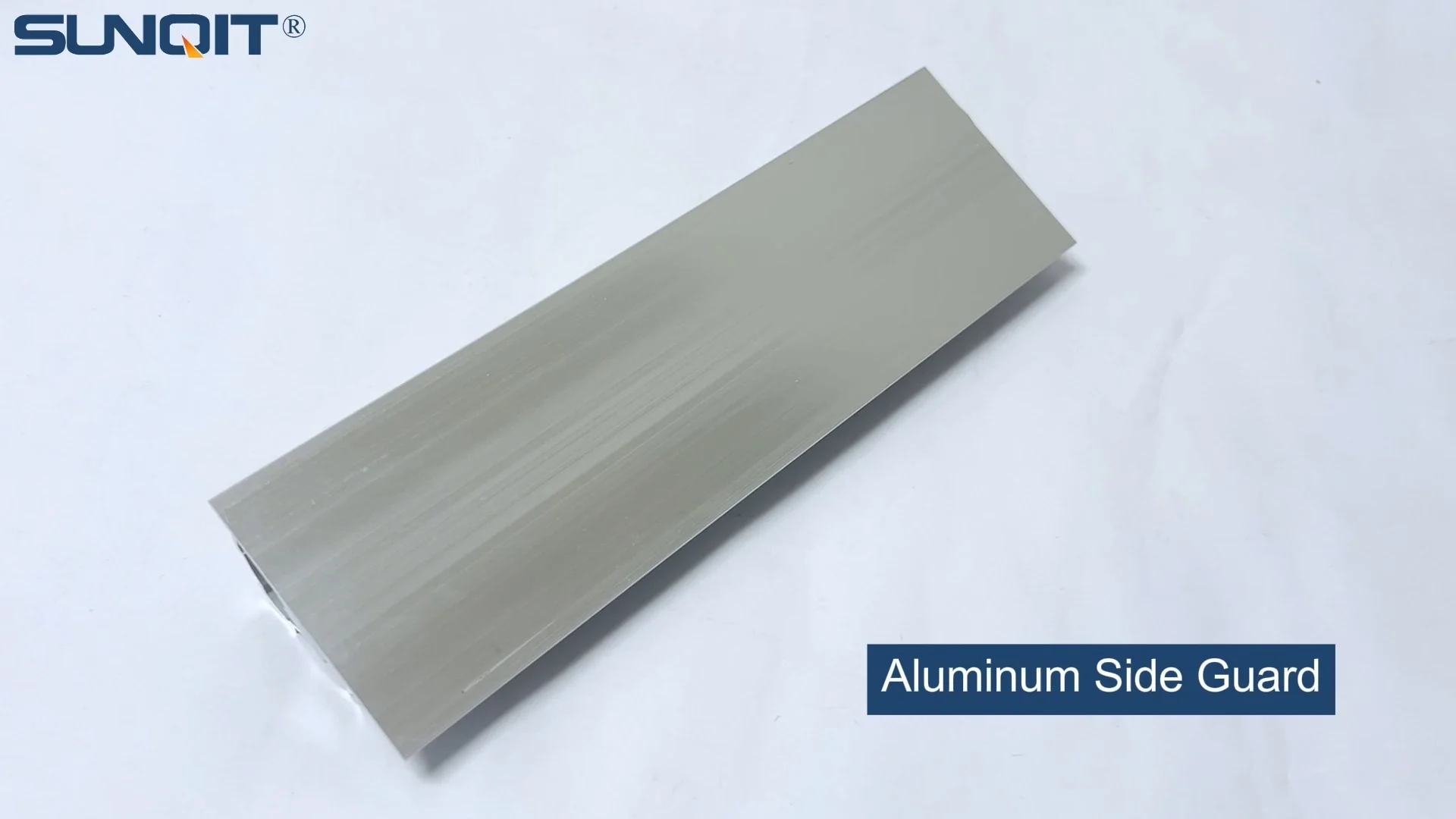
Aluminum Side Guard
Aluminum side guard, it works with a aluminum pipe or a roller track as side guard to prevent material drop,or move to wrong direction.
In the world of manufacturing and production, where every second counts and efficiency is the backbone of success, Lean Kaizen events stand as a testament to the power of continuous improvement. These events aren't just about big-picture overhauls; they're about the small, intentional changes that add up to transformative results. Today, we're shining a spotlight on a component that often flies under the radar but plays a pivotal role in these efforts: the aluminum side guard. Far more than a simple piece of metal, aluminum side guards are quiet champions of Lean principles, seamlessly integrating with lean systems, workbenches, flow racks, and aluminum profiles to create safer, more efficient workspaces. Let's dive into how these unassuming tools are driving continuous improvement in facilities worldwide.
1. The Foundation: What Are Aluminum Side Guards, and Why Do They Matter?
Before we explore their role in Lean Kaizen, let's get clear on what aluminum side guards are. Crafted from lightweight yet durable aluminum profile, these guards are designed to line the edges of work surfaces, flow racks, and conveyor systems. Their primary function? To keep materials, tools, and products securely in place, preventing accidental spills, falls, or misplacement. But their value goes beyond basic containment. Made from aluminum—a material prized for its strength, corrosion resistance, and recyclability—these guards are built to withstand the rigors of daily use in busy production environments. They're also highly customizable, with options for different lengths, thicknesses, and finishes to fit specific workspace needs. In short, aluminum side guards are the unsung organizers of the manufacturing floor, turning chaotic work areas into streamlined zones where every item has its place.
What makes aluminum side guards particularly well-suited for Lean environments? It starts with their alignment with Lean's core goal: eliminating waste. In Lean terminology, "waste" (or "muda") includes anything that doesn't add value to the end product—think time spent searching for tools, damaged materials due to falls, or injuries caused by disorganized workspaces. Aluminum side guards directly address these issues by creating physical boundaries that reduce clutter, protect materials, and enhance safety. They're a tangible example of how Lean isn't just a philosophy; it's embedded in the very tools and structures we use to do our work.
2. Aluminum Side Guards and Lean Systems: A Symbiotic Relationship
Lean systems are all about creating smooth, value-driven workflows. They thrive on organization, predictability, and minimizing disruptions. Aluminum side guards fit into this ecosystem like a missing puzzle piece, enhancing the functionality of existing lean tools and processes. Let's break down their impact:
Preventing Waste Through Containment
One of the most common forms of waste in manufacturing is "defects," which include damaged materials. Imagine a flow rack loaded with small components sliding down a roller track—without side guards, a slight bump or misalignment could send parts tumbling to the floor, resulting in scrap, rework, or delays. Aluminum side guards act as a safety net, keeping items on track (literally) and reducing the risk of damage. This not only saves money on replacement parts but also cuts down on the time spent cleaning up spills or reprocessing damaged goods—time that's better spent on value-adding tasks.
Enhancing Workflow Efficiency
Lean systems rely on a steady, uninterrupted flow of materials. When tools or parts go missing, workflow grinds to a halt as workers stop to search for them. Aluminum side guards eliminate this problem by keeping items within arm's reach and visible. For example, on a workbench used for production assemble, side guards can separate different stages of the assembly process: screws in one section, washers in another, and finished components in a third. This visual organization reduces "motion waste"—the unnecessary movement of workers as they reach, bend, or search—and allows teams to complete tasks faster with fewer errors. It's a small change, but when multiplied across a full shift, it adds up to significant gains in productivity.
Supporting 5S Principles
5S—Sort, Set in Order, Shine, Standardize, Sustain—is the backbone of Lean housekeeping, and aluminum side guards are 5S superstars. "Set in Order" (the second S) is all about arranging items so they're easy to access and return. Aluminum side guards turn this principle into reality by defining clear zones on workbenches and flow racks. For instance, a flow rack with aluminum side guards can be divided into lanes for incoming materials, work-in-progress, and finished goods, with each lane clearly marked. This not only makes it easier for workers to find what they need but also ensures that items are returned to their proper place after use—supporting the "Sustain" phase of 5S. Over time, this creates a culture of organization where wasteful habits are replaced with efficient ones.

3. Transforming Workbenches: How Aluminum Side Guards Boost Productivity
Workbenches are the heart of production assemble, where skilled workers spend hours piecing together products, inspecting components, or preparing materials. A disorganized workbench can derail even the most efficient team, leading to frustration, errors, and lost time. Aluminum side guards revolutionize these workspaces by turning flat, open surfaces into structured, functional areas. Let's take a closer look at their impact:
| Aspect | Workbench Without Aluminum Side Guards | Workbench With Aluminum Side Guards |
|---|---|---|
| Material Containment | Parts slide off edges; tools roll onto the floor, leading to damage or loss. | Parts and tools stay within defined zones; no more wasted time retrieving fallen items. |
| Workflow Organization | Cluttered surface with no clear separation between tasks; workers struggle to stay focused. | Guards create distinct areas for "in-progress," "completed," and "tools," streamlining task transitions. |
| Safety | Sharp edges on workbench corners pose injury risks; loose items cause trips. | Aluminum guards soften edges and keep walkways clear, reducing accident potential. |
| Ergonomics | Workers lean over to reach items on the far edges, straining shoulders and backs. | Guards keep materials centered on the bench, reducing unnecessary reaching and fatigue. |
Consider a real-world example: a electronics manufacturing plant that recently added aluminum side guards to its assembly workbenches. Prior to installation, workers often spent 10-15 minutes per shift picking up small screws, washers, and circuit boards that had slid off the bench edges. Damaged components cost the plant hundreds of dollars monthly, and the constant interruptions broke their focus, leading to slower assembly times. After installing side guards, the plant saw a 20% reduction in time spent retrieving items and a 30% drop in damaged materials. Workers reported feeling less stressed and more productive, with one team lead noting, "It's amazing how much smoother the day goes when you don't have to stop every five minutes to pick up parts." This is the power of aluminum side guards in action—small changes that deliver measurable results.

4. Optimizing Flow Racks: Keeping Materials Moving with Aluminum Side Guards
Flow racks are a cornerstone of Lean material handling, using gravity to move products from the "replenishment" end to the "picking" end, ensuring a constant supply of materials to workers. But for flow racks to work effectively, materials must glide smoothly without getting stuck or falling off the sides. This is where aluminum side guards shine. By lining the edges of flow rack lanes, these guards create a secure channel that guides materials forward, even as the rack is loaded or unloaded.
One of the key benefits of aluminum side guards in flow racks is their compatibility with roller track systems. Roller tracks use wheels to reduce friction, allowing materials to move with minimal effort. However, without guards, items can easily veer off the track, especially if they're irregularly shaped or the rack is slightly tilted. Aluminum side guards solve this by providing a physical barrier that keeps items aligned with the rollers. This not only speeds up material flow but also reduces the need for manual intervention—no more stopping to realign boxes or retrieve fallen parts. In a busy warehouse, this translates to faster order fulfillment, lower labor costs, and a more reliable supply chain.
Another advantage is their role in "first-in, first-out" (FIFO) inventory management—a critical Lean practice that ensures older stock is used before newer stock, reducing waste from expired or obsolete materials. Flow racks are designed to support FIFO, but without side guards, items can get jumbled as they're added or removed. Aluminum guards keep each lane separate, ensuring that the first item placed on the rack is the first one to reach the picking end. This level of organization is invaluable for industries like food production or pharmaceuticals, where expiration dates are non-negotiable, but it's equally beneficial for any facility looking to minimize waste and improve inventory accuracy.
5. Aluminum Profiles: The Perfect Partner for Customizable Side Guards
Aluminum side guards don't exist in a vacuum—they're part of a larger ecosystem of aluminum profile accessories and components that make Lean customization possible. Aluminum profiles, with their T-slot design, allow for easy attachment of guards, shelves, tool holders, and other accessories. This modularity is a game-changer for Lean Kaizen events, where flexibility is key. Unlike fixed, one-size-fits-all guards, aluminum side guards attached to aluminum profiles can be adjusted, extended, or reconfigured as workflow needs change.
For example, imagine a production line that shifts from assembling small gadgets to larger appliances. With traditional wooden or steel guards, the facility would need to replace the entire system—a costly and time-consuming process. But with aluminum profiles and side guards, workers can simply loosen the bolts, adjust the guard height or length, and reattach them in minutes. This adaptability ensures that the workspace can evolve with the business, supporting continuous improvement without major overhauls. It also encourages experimentation during Kaizen events: teams can test different guard configurations to see what works best, then implement changes quickly and cost-effectively.
Aluminum profiles also enhance the durability of side guards. The T-slot design distributes weight evenly, preventing guards from bending or warping under heavy loads. This is especially important in high-traffic areas, like loading docks or assembly lines, where guards are constantly bumped or brushed against. Additionally, aluminum profiles are resistant to rust and corrosion, making them ideal for environments with moisture or chemicals—another reason they're a staple in Lean systems focused on long-term sustainability.
6. Case Study: Aluminum Side Guards in Action During a Lean Kaizen Event
To truly understand the impact of aluminum side guards, let's walk through a hypothetical but realistic Kaizen event at a mid-sized automotive parts manufacturer. The facility had been struggling with two main issues: frequent damage to plastic components as they moved through flow racks, and high turnover among assembly line workers due to ergonomic strain from disorganized workbenches. The Kaizen team—composed of floor workers, supervisors, and a Lean coordinator—decided to target these issues, with aluminum side guards as a key solution.
First, they assessed the flow racks used to transport plastic gears. The racks had no side guards, so gears often fell off during loading, resulting in 50-60 damaged parts per week. The team installed aluminum side guards along the rack lanes, using aluminum profiles to ensure a secure fit. Within a week, damaged parts dropped to 5-10 per week—a reduction of over 80%. Workers also reported spending less time retrieving fallen gears, freeing up an average of 2 hours per shift for value-adding tasks.
Next, the team turned to the assembly workbenches. Workers complained of shoulder pain from reaching for tools on the far edges of the bench and frustration from losing small screws under the bench. The solution? Aluminum side guards with integrated tool holders, attached to the benches via aluminum profile accessories. The guards kept screws and tools within easy reach, and the tool holders eliminated the need for constant bending. After a month, worker-reported pain decreased by 60%, and the plant saw a 15% increase in assembly speed. Perhaps most notably, turnover rates dropped by 25% in the following quarter, as employees felt their comfort and efficiency were prioritized.
This case study illustrates a key point: aluminum side guards aren't just about improving metrics—they're about improving people's daily work lives. When workers see that their input (during Kaizen events) leads to tangible changes that make their jobs easier and safer, they become more engaged and invested in continuous improvement. This cultural shift is perhaps the most valuable outcome of all, as it creates a cycle where small changes lead to bigger wins, and the entire organization embraces the Lean mindset.
7. Future Trends: Where Aluminum Side Guards and Lean Kaizen Are Headed
As manufacturing continues to evolve, so too will the role of aluminum side guards in Lean Kaizen. One emerging trend is the integration of smart technology: imagine side guards with built-in sensors that detect when materials are misaligned or when a rack is overloaded, sending alerts to workers' devices before a problem occurs. This proactive approach to waste prevention aligns perfectly with Lean's focus on "poka-yoke" (mistake-proofing) and could revolutionize how facilities manage workflow.
Another trend is the push for even greater sustainability. Aluminum is already a recycled material, but future side guards may incorporate recycled aluminum content or be designed for easier disassembly and reuse. Additionally, lightweight aluminum guards are reducing the carbon footprint of shipping and installation, making them a greener alternative to heavier steel guards.
Finally, as more facilities adopt modular, flexible workspaces (a trend accelerated by the rise of hybrid and on-demand production), aluminum side guards will play a key role in creating adaptable zones. Whether it's a temporary assembly line for a seasonal product or a reconfigurable workbench for a cross-functional team, these guards will continue to provide the structure and safety needed to keep Lean systems running smoothly.
Conclusion: Small Tool, Big Impact—Aluminum Side Guards as Catalysts for Continuous Improvement
In the grand scheme of Lean Kaizen, aluminum side guards may seem like a minor detail. But as we've explored, their impact is anything but small. By integrating with lean systems, enhancing workbench and flow rack efficiency, leveraging aluminum profiles for customization, and prioritizing safety and sustainability, these guards are driving meaningful change in facilities around the world. They're a reminder that continuous improvement isn't about grand gestures—it's about noticing the gaps, listening to workers, and investing in tools that make the daily grind a little smoother, safer, and more efficient.
So, the next time you walk through a manufacturing plant or production facility, take a moment to look at the edges of the workbenches and flow racks. Chances are, you'll see aluminum side guards quietly doing their job—keeping materials in place, workers safe, and Lean systems thriving. And in that quiet work, you'll find the essence of Kaizen: progress, one small guard at a time.