- Company Articles
- Products and Technology
- Product knowledge
- The Role of Corrugated Aluminum Pipe in Reducing Production Waste

The Role of Corrugated Aluminum Pipe in Reducing Production Waste
Related Product
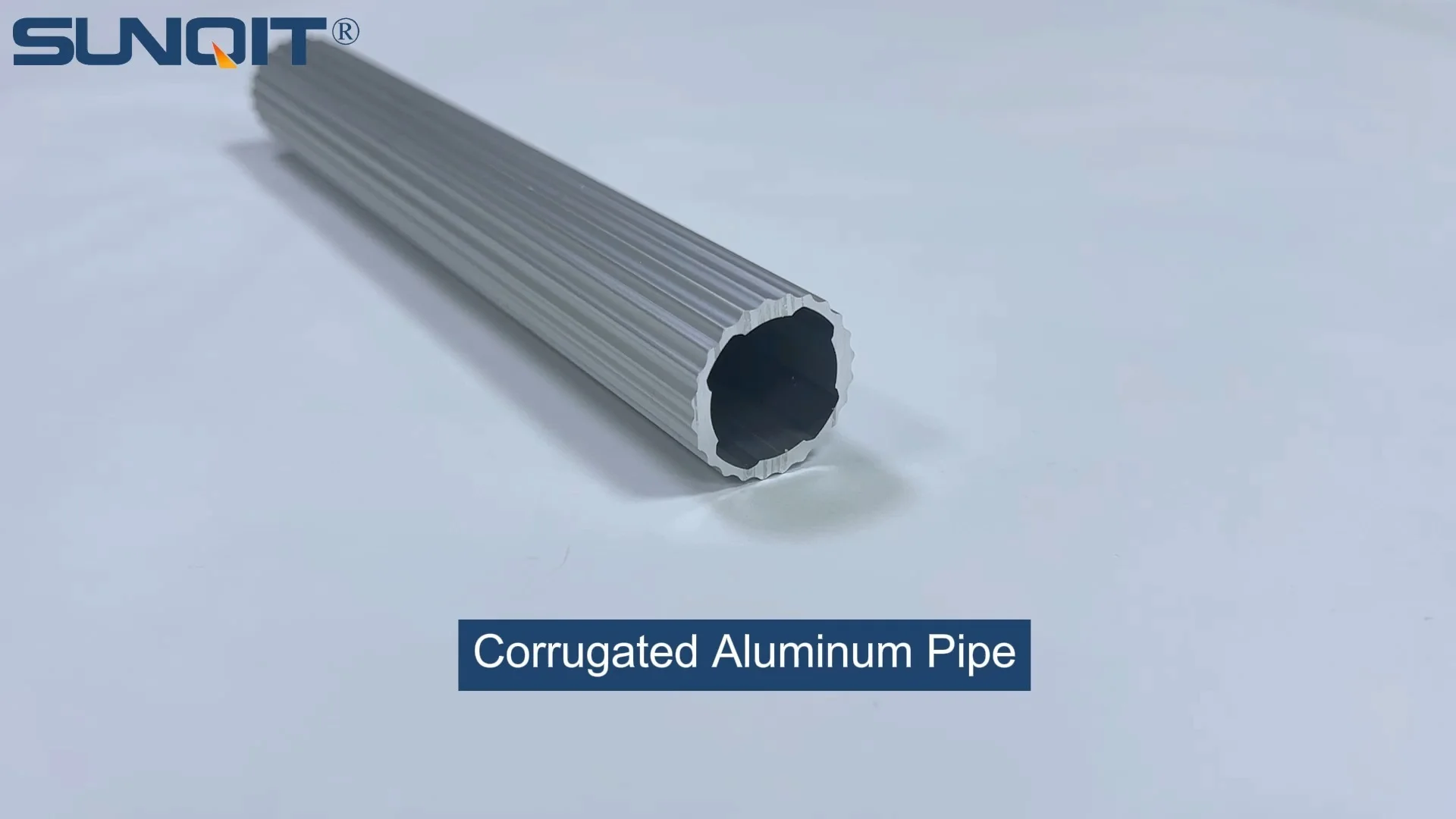
Corrugated Aluminum Pipe
Product Description The slot side is 10mm which can work with a T sliding block for connection accessories Quick Detail Product name Corrugated Aluminum pipe model GLT28-T-3010A Material Science 6005-T6 thickness 1.7mm surface treatment anodic oxidat
Walk through any manufacturing facility, and you'll spot the quiet drains on productivity: piles of unused steel scraps in the corner, workbenches bolted to the floor that no longer fit the assembly line, flow racks cracking under heavy parts, and teams spending hours reconfiguring rigid structures instead of building products. These aren't just annoyances—they're waste, and in lean manufacturing, waste is the silent profit killer. For decades, lean systems have guided factories to streamline processes and eliminate inefficiencies, but even the best lean plans need the right tools to succeed. Enter corrugated aluminum pipe: a simple yet transformative component that's redefining how production floors cut waste, one joint and connection at a time.
What Makes Corrugated Aluminum Pipe Different?
At first glance, corrugated aluminum pipe might look like just another metal tube, but its design holds the key to its power. Unlike smooth steel or plastic pipes, it features a ridged, wave-like pattern along its length—similar to a cardboard box's texture but crafted from durable aluminum. This corrugation isn't decorative: it adds strength without extra weight, making the pipe both lightweight and surprisingly sturdy. Aluminum itself brings additional perks: resistance to rust, a high strength-to-weight ratio, and full recyclability.
But its true superpower is versatility. Unlike steel pipes that require welding or heavy tools to modify, corrugated aluminum pipe cuts easily with basic equipment, connects with simple aluminum profile accessories, and reconfigures in minutes. Need to shorten a workbench leg? Snip it with a hacksaw. Want to add a shelf to a flow rack? Slide on an aluminum joint and tighten a bolt. This flexibility is a game-changer for dynamic production environments, where change is constant. It's not just a pipe—it's a building block that adapts to your needs, not the other way around.
How Corrugated Aluminum Pipe Slashes Production Waste
Lean manufacturing identifies eight types of waste (the "DOWNTIME" acronym: Defects, Overproduction, Waiting, Non-utilized talent, Transportation, Inventory, Motion, Extra processing). Corrugated aluminum pipe attacks nearly all of them, often in unexpected ways. Let's break down its impact.
1. Material Waste: Less Scrap, More Sustainability
Material waste is the most visible drain—think of steel shavings from imprecise cuts, cracked plastic pipe scraps, or entire rigid structures tossed during reconfigurations. Corrugated aluminum pipe fights this on two fronts: precision and recyclability.
Aluminum cuts cleanly, so you trim exactly the length needed, leaving minimal scraps. Steel, by contrast, warps easily during cutting, creating uneven pieces and extra waste. And because aluminum is lightweight, you use less material overall—no hauling heavy steel pipes only to cut off half their length. Plus, aluminum is 100% recyclable. When a pipe finally wears out (decades later, thanks to durability), it melts down to become new aluminum products, closing the loop on waste. Plastic pipes often end up in landfills, and rusted steel becomes useless scrap—corrugated aluminum pipe turns "waste" into a resource.
2. Time Waste: From Days of Setup to Minutes of Adjustment
Time is money, and nowhere more so than on a production floor. Traditional setups mean hours (or days) of welding steel, drilling holes, or gluing plastic—time workers could spend building products. Corrugated aluminum pipe changes this with modular, tool-free assembly.
Take a typical scenario: A electronics plant needs to reconfigure a workbench for a new device model. With steel, this means cutting new legs, welding them on, and repainting—days of work. With corrugated aluminum pipe? Loosen the joints with a wrench, adjust the height, retighten, and you're done in 20 minutes. No welding, no specialized labor, no downtime. Flow racks tell the same story: aluminum profile accessories like clamps and brackets let teams adjust shelf heights or add sections in minutes, not hours. It's lean manufacturing in action—eliminating waiting waste by making change fast.
3. Space Waste: Making Every Square Foot Count
Factories pay for every square foot, so wasted space is wasted money. Rigid steel workbenches and fixed plastic flow racks hog space permanently, even when unused. Corrugated aluminum pipe's modular design turns space from a constraint into an asset.
Consider flow racks: traditional versions are built to fixed widths, so if you need to squeeze in a new machine, you either disassemble the rack (and waste materials) or rearrange everything else. With corrugated aluminum pipe, you simply unclip sections, shorten the pipes, and rebuild the rack to fit the new layout—no waste, no hassle. Workbenches, too, fold down or disassemble for storage when not in use. One automotive parts plant in Ohio reported reclaiming 15% of floor space after switching to aluminum pipe systems, just by making unused equipment compact and storable.
4. Maintenance Waste: Durability That Cuts Repair Costs
Maintenance waste hides in rusted steel, cracked plastic, and sagging structures. Corrugated aluminum pipe minimizes this with its inherent toughness. Aluminum resists corrosion, so it won't rust in humid factories—unlike steel, which needs regular painting. Its corrugated design adds rigidity, so it bends less under heavy loads, reducing repairs. When parts do wear out (e.g., a joint gets loose), aluminum profile accessories are standard and easy to replace. A quick trip to your lean pipe supplier, and you're back up and running in an hour—no waiting for custom steel brackets or special-order plastic parts.

Corrugated Aluminum Pipe vs. Traditional Materials: A Waste Showdown
To see its impact, compare corrugated aluminum pipe to common alternatives like steel and plastic. The table below breaks down how each material performs across key waste categories.
| Waste Type | Corrugated Aluminum Pipe | Traditional Steel Pipes | Plastic Pipes |
|---|---|---|---|
| Material Waste | Low: Recyclable, precise cutting reduces scraps | High: Hard to cut cleanly; produces excess shavings; limited recyclability | Medium: Easy to cut but non-recyclable; prone to cracking/scrapping |
| Time Waste (Setup/Reconfig) | Low: Modular with aluminum accessories; no welding/drilling | High: Requires welding, drilling, and heavy tools; reconfig takes days | Medium: Lightweight but often glued/bolted; limited reuse |
| Space Waste | Low: Disassembles for compact storage; modular design adapts to space | High: Heavy, fixed structures take permanent floor space | Medium: Light but less durable, requiring bulkier support structures |
| Maintenance Waste | Low: Rust-resistant; standard accessories for easy repairs | High: Rusts easily; needs frequent painting/coating; specialized parts | High: Cracks under weight; UV damage; short lifespan |
| Long-Term Cost | Low: Higher upfront cost offsets by reduced waste and repairs | High: Low initial cost but high waste disposal and maintenance fees | High: Cheap upfront but frequent replacements add up |
Real Results: How One Factory Cut Waste by 40%
Numbers tell part of the story, but real-world impact matters more. Take a mid-sized aerospace parts manufacturer in Texas. Their? Steel workbenches were immovable, plastic flow racks cracked under metal components, and reconfiguring assembly lines took a week of welding. Lean coordinator Raj needed a solution—and found it in corrugated aluminum pipe.
Raj started small: replacing plastic flow racks with aluminum ones using aluminum profile accessories. Workers could now adjust rack heights by hand, cutting motion waste by 20%. No more cracked plastic guides meant maintenance calls dropped 50%. Encouraged, Raj upgraded workbenches. Now, teams reconfigured heights in 15 minutes instead of 8 hours, slashing setup time by 35%. When the factory landed a contract for new drone parts, reconfiguring the line took 2 days (vs. a week with steel), thanks to quick-cut aluminum pipes and easy joints. Total waste reduction? 40% across material, time, and maintenance. "It's not just about saving money," Raj noted. "It's about agility. With aluminum pipe, we adapt to new orders instead of fighting our own equipment."
Overcoming the Learning Curve
Like any new tool, corrugated aluminum pipe has considerations. Upfront cost is higher than plastic or steel, but long-term savings (less waste, fewer repairs) usually offset this in 6–12 months. Many lean pipe suppliers offer starter kits with pipes, joints, and aluminum profile accessories, letting factories test the system risk-free. Training is minimal, too: most aluminum accessories work like industrial Legos—intuitive to assemble with basic tools. Workers typically master the system in a day, and suppliers often provide free guides or on-site demos.
Why Corrugated Aluminum Pipe Is the Future of Lean Manufacturing
In a world where production demands shift overnight, rigidity kills competitiveness. Corrugated aluminum pipe isn't just a material—it's a lean mindset made tangible. It turns static factories into dynamic spaces where waste is minimized, workers are empowered, and change is embraced. By cutting material scraps, slashing setup time, reclaiming floor space, and reducing repairs, it helps factories do more with less—exactly what lean manufacturing is all about.
So if you're ready to stop wasting time, materials, and space, start small. Talk to your lean pipe supplier, grab a few corrugated aluminum pipes and aluminum profile accessories, and build a simple workbench or flow rack. You'll quickly see why factories worldwide are swapping steel and plastic for this lightweight, durable, and infinitely adaptable solution. After all, in lean manufacturing, the best tools are the ones that work as hard as your team does.