- Company Articles
- Products and Technology
- Product knowledge
- The Role of Duplex Aluminum Pipe Joint in Lean Pipe Systems

The Role of Duplex Aluminum Pipe Joint in Lean Pipe Systems
Related Product
Duplex Aluminum Pipe Joint
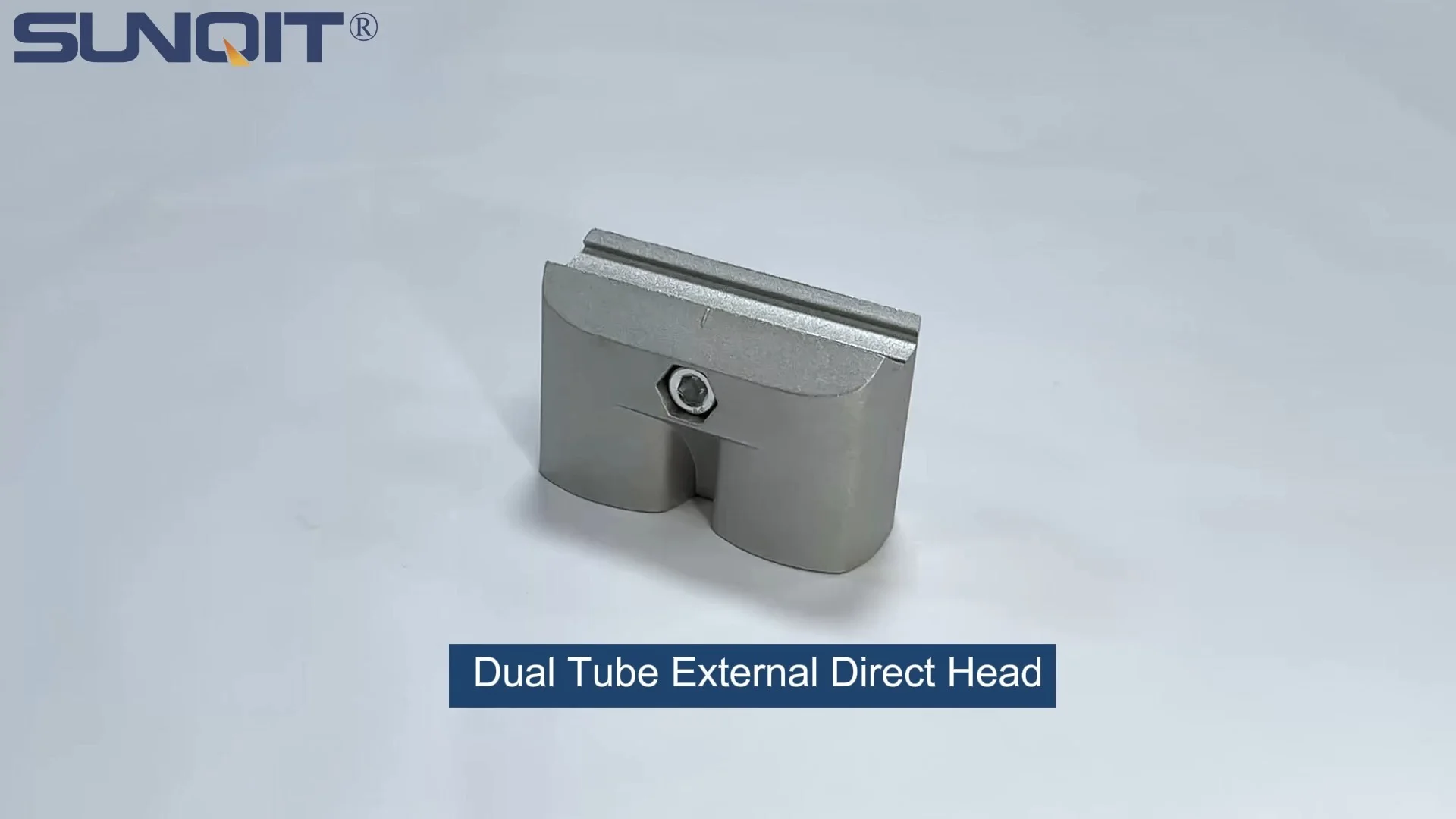
Duplex Aluminum pipe joint used for one pcs 28pcs aluminum pipe and one pcs of 28mm duplex pipe connection in straight angle.
In the fast-paced world of manufacturing and production, efficiency isn't just a buzzword—it's the backbone of success. Every second saved, every movement optimized, and every resource maximized contributes to a leaner, more profitable operation. At the heart of this pursuit lies the lean pipe system, a modular solution designed to adapt to evolving workflow needs. Yet, for all its flexibility, a lean pipe system is only as strong as its weakest link: the joints that hold it all together. Enter the duplex aluminum pipe joint—a component that's quietly revolutionizing how teams build, reconfigure, and maintain their workspaces. Let's dive into why this unassuming part plays such a critical role in modern lean systems.
Understanding Lean Pipe Systems: More Than Just Pipes and Joints
Before we zoom in on the duplex aluminum pipe joint, let's ground ourselves in what a lean pipe system is—and why it matters. Lean pipe systems, often called "flexible pipe systems," are modular frameworks built from pipes, joints, and accessories. They're used to create everything from workbenches and flow racks to conveyors and turnover trolleys. What sets them apart is their adaptability: unlike fixed, welded structures, these systems can be disassembled, reconfigured, or expanded in minutes, making them ideal for environments where workflows change frequently.
Traditional lean pipe systems historically relied on steel pipes with plastic or metal joints. While functional, these setups had drawbacks: steel is heavy, prone to rust in humid environments, and can be cumbersome to adjust. As manufacturers pushed for lighter, more durable solutions, aluminum emerged as a game-changer. Aluminum lean pipe, paired with high-quality joints, offered a winning combination of strength, lightweight design, and corrosion resistance. And among aluminum joints, the duplex aluminum pipe joint stands out for its unique ability to balance stability and flexibility.
What Is a Duplex Aluminum Pipe Joint? Breaking Down the Basics
At first glance, a duplex aluminum pipe joint might look like any other connector. But "duplex" here refers to its dual functionality: it's engineered to securely fasten two pipes while allowing for quick adjustments. Made from high-grade aluminum alloy, these joints are precision-machined to fit snugly with aluminum lean pipe, creating a rigid connection that won't loosen over time. Unlike single-piece joints, which often require tools or excessive force to assemble, duplex joints typically feature a two-part design—think a base and a clamping mechanism—that locks pipes in place with minimal effort.
Let's break down its key components: the outer shell, which houses the pipe, and an internal clamping system (often a screw or lever) that tightens around the pipe's surface. This design ensures a firm grip without damaging the pipe, making disassembly just as easy as assembly. For teams that need to reconfigure their workbench or flow rack daily, this translates to less downtime and more time focused on production.

The Duplex Advantage: Why Aluminum—and Why Duplex?
So, what makes the duplex aluminum pipe joint superior to other joint types? Let's compare it to common alternatives to highlight its strengths:
| Feature | Duplex Aluminum Pipe Joint | Traditional Steel Joint | Plastic Joint |
|---|---|---|---|
| Material | High-grade aluminum alloy | Mild steel (often coated) | Polypropylene or nylon |
| Weight | Lightweight (up to 40% lighter than steel) | Heavy; adds bulk to structures | Light, but less rigid |
| Corrosion Resistance | Excellent; ideal for humid or wet environments | Prone to rust without coating | Good, but can degrade in extreme temperatures |
| Assembly Time | Tool-free or minimal tools; 2-3 minutes per joint | Requires wrenches or hex keys; 5-7 minutes per joint | Quick, but may loosen over time |
| Reusability | Can be disassembled and reused indefinitely | May strip threads or deform after multiple uses | Prone to cracking with repeated assembly/disassembly |
The data speaks for itself: duplex aluminum pipe joints excel in the areas that matter most to lean operations. Their lightweight nature reduces operator fatigue during setup, while corrosion resistance extends their lifespan in diverse environments—from automotive factories with coolant exposure to food processing plants where hygiene is critical. And perhaps most importantly, their tool-free (or minimal-tool) assembly cuts reconfiguration time in half, aligning perfectly with lean principles of eliminating waste (in this case, wasted time).

Stability Meets Flexibility: How Duplex Joints Enhance Lean Systems
Lean systems thrive on two seemingly contradictory needs: stability and flexibility. A workbench must stay rigid enough to support heavy tools, but also be easy to adjust when production lines shift. A flow rack needs to securely hold materials, yet reconfigure quickly when product sizes change. The duplex aluminum pipe joint bridges this gap.
1. Rock-Solid Stability for Heavy-Duty Tasks
One common misconception about aluminum joints is that they're "weaker" than steel. In reality, modern aluminum alloys (like the ones used in duplex joints) offer impressive tensile strength—often exceeding 300 MPa. When paired with aluminum lean pipe, the duplex joint creates a connection that can support hundreds of pounds without bending or slipping. This makes it ideal for workbenches used in assembly lines, where operators might place heavy machinery or batches of components. Unlike plastic joints, which can warp under sustained weight, duplex aluminum joints maintain their shape, ensuring the workspace remains safe and reliable.
2. Tool-Free Adjustments: Adapting to Change in Minutes
In a lean environment, "change" is constant. A product design update might require a wider workbench; a seasonal demand spike could call for an extra flow rack. With traditional joints, reconfiguring a system meant hunting for wrenches, loosening bolts, and hoping threads didn't strip. Duplex aluminum joints simplify this process. Most models feature a thumb screw or quick-release lever that lets operators adjust the joint by hand. Need to raise a workbench shelf by 6 inches? Loosen the joint, slide the pipe to the new position, and tighten—done. This level of agility reduces setup time from hours to minutes, letting teams respond to changes without disrupting production.
3. Compatibility with Aluminum Profile Accessories: A Unified System
A lean pipe system isn't just pipes and joints—it's a ecosystem of accessories: caster wheels for mobility, roller tracks for material flow, and aluminum profile accessories for adding shelves or tool holders. Duplex aluminum pipe joints are designed to play well with this ecosystem. Their standardized sizing ensures they work seamlessly with aluminum lean pipe, aluminum guide rails, and even stainless steel roller balls. For example, a flow rack built with duplex joints can easily integrate 1-inch swivel roller balls, allowing materials to glide smoothly from one workstation to the next. This compatibility eliminates the need for custom adapters, keeping costs low and setup simple.

Real-World Impact: How Duplex Joints Transform Workflows
To understand the duplex aluminum pipe joint's value, let's look at a real-world example. Consider a mid-sized electronics manufacturer that previously used steel pipe systems with plastic joints for their assembly workbenches. Their pain points were clear: the steel frames were heavy, making it hard to reposition workbenches when lines rebalanced. The plastic joints often loosened after repeated use, leading to wobbly surfaces that affected precision work. And during humid summer months, the steel pipes would rust, requiring frequent replacements.
The team switched to aluminum lean pipe with duplex aluminum joints. The results were immediate: workbenches were 30% lighter, so operators could move them by hand without forklifts. The duplex joints stayed tight even after weekly reconfigurations, eliminating the need for constant retightening. And the aluminum's corrosion resistance meant no more rust-related replacements. Within six months, the company reported a 15% reduction in setup time and a 20% drop in maintenance costs—all from upgrading a single component: the joint.
Beyond the Joint: How Duplex Aluminum Pipe Joints Support Lean Principles
At their core, lean systems are about eliminating waste—whether it's time, materials, or effort. The duplex aluminum pipe joint aligns with this philosophy in subtle but impactful ways:
- Waste of Motion: Lightweight joints reduce the physical effort needed to adjust the system, lowering operator fatigue.
- Waste of Inventory: Since duplex joints are reusable, teams don't need to stockpile extra parts for replacements.
- Waste of Waiting: Quick reconfigurations mean less downtime when workflows change.
- Waste of Defects: Stable joints reduce errors caused by wobbly work surfaces or misaligned flow racks.
In short, the duplex joint doesn't just hold pipes together—it actively contributes to a leaner, more efficient operation.
Choosing the Right Duplex Aluminum Pipe Joint: Key Considerations
Not all duplex aluminum pipe joints are created equal. When selecting joints for your system, keep these factors in mind:
1. Material Quality
Opt for joints made from 6061 or 6063 aluminum alloy—these are known for their strength and corrosion resistance. Avoid low-grade aluminum, which may bend or crack under stress.
2. Clamping Mechanism
Look for joints with a "non-marring" clamping design. This ensures the joint grips the pipe without leaving indentations, preserving the pipe's integrity for future use.
3. Load Capacity
Check the joint's load rating (usually listed in kilograms or pounds). For heavy-duty applications like material racks, choose joints rated for at least 200 kg per connection.
4. Compatibility
Ensure the joint fits your aluminum lean pipe diameter (common sizes are 28mm or 30mm). Most suppliers also offer sample kits, so test the joint with your pipes before buying in bulk.
The Future of Lean Systems: Why Duplex Aluminum Joints Are Here to Stay
As manufacturing continues to evolve—with trends like small-batch production, customization, and agile workflows—lean pipe systems will only grow in importance. And as these systems become more sophisticated, the demand for high-performance joints will rise. Duplex aluminum pipe joints, with their blend of strength, flexibility, and durability, are perfectly positioned to meet this demand. They're not just a "nice-to-have" upgrade; they're a critical investment in a system's long-term adaptability.
Imagine a future where production lines reconfigure themselves overnight, where workspaces adapt to workers' needs instead of the other way around. That future is already here, and it's built on components like the duplex aluminum pipe joint. It's a reminder that in lean manufacturing, even the smallest parts can drive the biggest improvements.
Final Thoughts: The Joint That Holds It All Together
In the end, a lean pipe system is more than a collection of pipes and accessories—it's a reflection of a team's commitment to efficiency and adaptability. The duplex aluminum pipe joint, though small in size, plays a outsized role in making that commitment a reality. By combining stability with flexibility, durability with ease of use, it empowers teams to build workspaces that grow with their needs. So the next time you walk through a production floor, take a closer look at the joints holding up the workbenches and flow racks. Chances are, if the system feels seamless, efficient, and ready for whatever comes next, there's a duplex aluminum pipe joint at its core—quietly doing its job, and doing it well.