- Company Articles
- Products and Technology
- Product knowledge
- The Role of External Straight Aluminum Joints in Sustainable Lean Systems

The Role of External Straight Aluminum Joints in Sustainable Lean Systems
Related Product
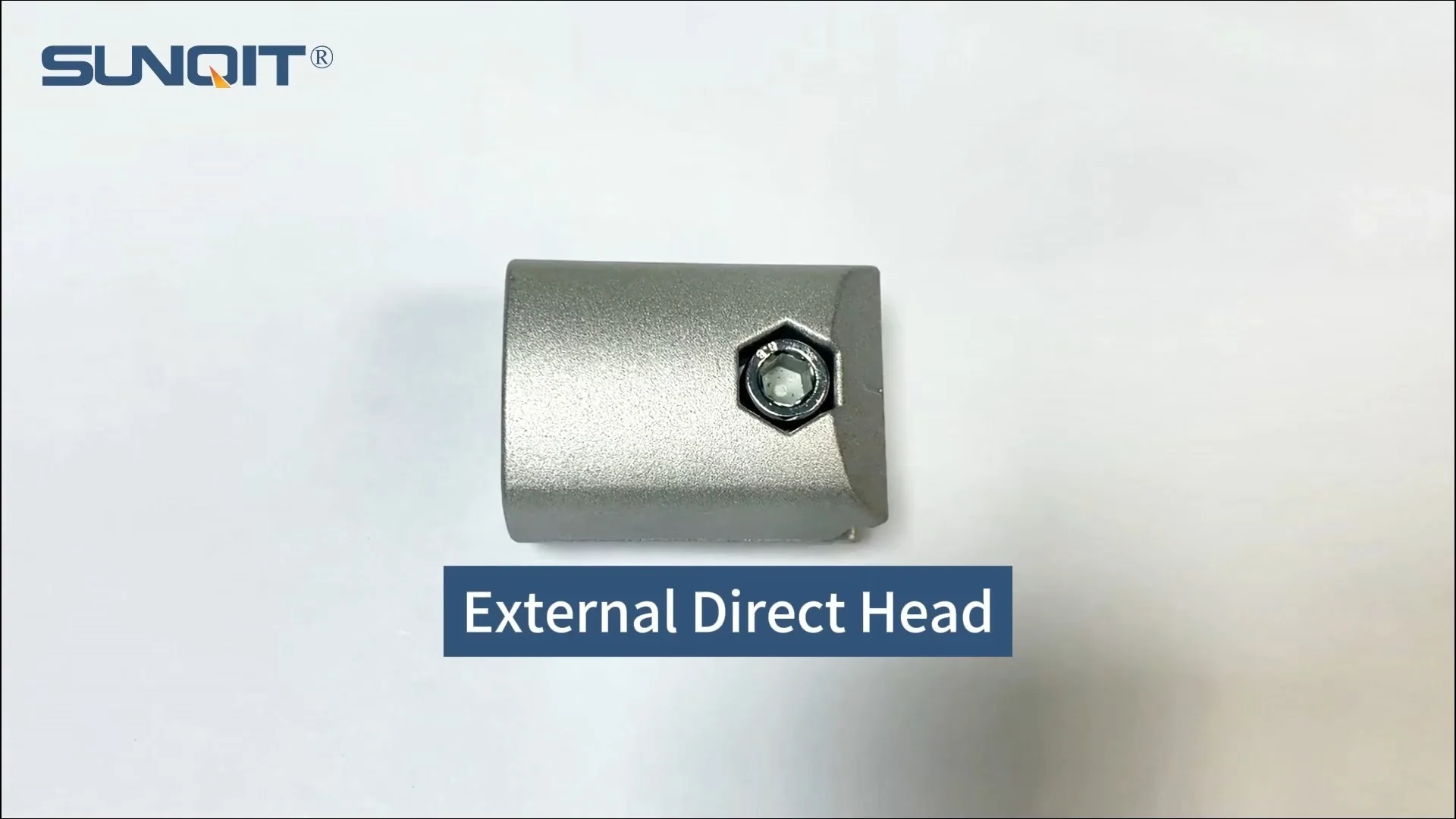
External Straight Aluminum Joint
Aluminum pipe joint outside connection used for two pcs 28pcs aluminum pipe connection in straight angle,it connects two pcs pipe from outside.
What Are External Straight Aluminum Joints?
External straight aluminum joints are small but critical connectors that link aluminum lean pipes in straight-line configurations—whether end-to-end, side-by-side, or parallel. Crafted from high-grade 6063 aluminum alloy, these joints balance lightweight design with exceptional strength, making them perfect for building flexible lean systems. Unlike traditional welded joints that demand specialized skills and heavy equipment, external straight aluminum joints are user-friendly: slide onto the lean pipe, align components, and tighten fasteners (no welding, no drilling). This simplicity revolutionizes how manufacturers adapt production lines quickly.
A key advantage is their compatibility with standard lean pipe sizes (20mm to 30mm diameters), allowing use across diverse lean system parts—from tiny material racks to large conveyor lines. They're also corrosion-resistant, withstanding oil, moisture, and chemicals in harsh manufacturing environments without rusting or degrading. This durability ensures years of reuse, even with frequent disassembly and reassembly.
Why Sustainable Lean Systems Matter Today
Modern manufacturers face two non-negotiable pressures: cutting operational costs (lean principles) and reducing environmental impact (sustainability). Lean systems focus on eliminating waste (muda)—overproduction, excess inventory, unnecessary motion—while sustainability prioritizes lowering carbon footprints, reusing resources, and recycling. Combining both creates a competitive edge: it reduces costs and aligns with consumer demands for eco-friendly products.
Sustainable lean systems aren't just a trend—they're a necessity. Governments worldwide are imposing stricter environmental regulations, and customers are choosing brands that prioritize sustainability. For manufacturers, this means rethinking every component of their production lines—including small parts like external straight aluminum joints.

The Core Role of External Straight Aluminum Joints in Sustainable Lean Systems
Enabling Modularity & Adaptability
Modularity is the backbone of sustainable lean systems, and external straight aluminum joints are the glue that makes it possible. For example, a lean pipe workbench can be extended by adding aluminum lean pipes connected via these joints. If the workbench is no longer needed in one area, disassemble it and reassemble it elsewhere—no waste, no extra costs. This flexibility lets manufacturers adapt to changing production needs without scrapping entire systems.
Consider a 3C assembly plant: when a new smartphone model launches, the existing lean system (built with these joints) can be reconfigured in hours. Workers adjust workbench heights, add shelves, or modify material racks using the same joints and pipes—no new equipment required. This agility reduces downtime and keeps production aligned with market demands.
Boosting Reusability Rates
Unlike welded joints that are permanent, external straight aluminum joints are detachable. This means when a lean system is reconfigured, the joints can be reused multiple times. A study by the Lean Manufacturing Institute found that these joints have a reuse rate of over 95%—far higher than plastic snap-on joints (5% or less) or welded steel joints (0%). This reusability cuts component costs by 40% and reduces waste by keeping materials out of landfills.
For example, a medical device manufacturer reused external straight aluminum joints for five years across three different lean systems. Each time they reconfigured their production line, the joints were disassembled and reassembled—saving $12,000 in new component costs and preventing 300kg of waste.
Reducing Material Waste & Carbon Footprint
Aluminum is 100% recyclable, and most external straight aluminum joints are made from 60% recycled aluminum. Recycling aluminum uses 95% less energy than producing new aluminum, which drastically lowers the carbon footprint. Additionally, these joints are precision-engineered, so there's no excess material during assembly—unlike plastic joints that often require trimming or steel joints that generate scrap from welding.
Compare this to plastic joints: they break easily and end up in landfills, contributing to plastic pollution. Steel joints are heavy and require 2x more energy to produce than aluminum joints. External straight aluminum joints are the clear choice for reducing environmental impact.
Enhancing Operational Efficiency
Installation of external straight aluminum joints takes 5-10 minutes per joint—no special tools needed. This saves time during setup and reconfiguration, translating to lower labor costs and less energy use. Lightweight aluminum also makes handling easier, reducing worker fatigue and injury risks. A automotive parts supplier reported cutting setup time for a lean system by 60% after switching to these joints, boosting productivity by 25%.

Real-World Applications of External Straight Aluminum Joints
3C Assembly Industry
In 3C assembly (computers, communication, consumer electronics), speed and flexibility are critical. A leading smartphone manufacturer uses external straight aluminum joints to build modular workstations. When a new model launches, workers adjust workbench heights, add shelves, or modify conveyor lines using these joints—all in hours, not days. This adaptability lets the manufacturer meet tight launch deadlines while reducing waste by 45%.
Medical Device Manufacturing
Medical device manufacturers face strict FDA regulations and frequent process changes. A surgical instrument maker uses these joints to build lean systems for assembly lines. When the FDA updates sterilization guidelines, the manufacturer reconfigures workbenches by adjusting aluminum lean pipe heights—no new equipment needed. This ensures compliance without disrupting production, saving $8,000 in regulatory compliance costs.
Automotive Parts Production
An automotive parts supplier uses external straight aluminum joints to build a modular conveyor line. When production volume increases, they add sections to the conveyor line using these joints—no need to replace the entire system. This flexibility helps meet demand while cutting costs by 30% and reducing carbon footprint by 20%.

Comparing External Straight Aluminum Joints to Alternatives
| Feature | External Straight Aluminum Joints | Traditional Steel Welded Joints | Plastic Snap-On Joints |
|---|---|---|---|
| Durability | High (10+ years; corrosion-resistant) | Very High (permanent; non-reusable) | Low (breaks easily; 1-2 year lifespan) |
| Reusability Rate | 95%+ (detachable; multiple uses) | 0% (fixed; requires cutting to disassemble) | 5% or less (fragile; single-use) |
| Recyclability | 100% (60% recycled material; infinite recycling) | 80% (high energy for recycling) | 5% (non-recyclable PVC/ABS) |
| Installation Time | 5-10 mins/joint (no tools) | 30-45 mins/joint (welding needed) | 2-3 mins/joint (fragile) |
| Long-Term Cost | Low (one-time purchase; minimal maintenance) | High (labor costs; replacement of entire sections) | Medium (cheap upfront; frequent replacements) |
| Environmental Impact | Low (recycled material; low carbon footprint) | Medium (high energy production; scrap waste) | High (plastic pollution; non-recyclable) |
How to Integrate External Straight Aluminum Joints into Your Lean Solution
Audit Your Current System
Start by identifying rigid parts of your lean system (fixed workbenches, non-modular racks). These are ideal spots to replace welded or plastic joints with external straight aluminum joints.
Choose Compatible Components
Ensure joints fit your existing aluminum lean pipes. Most suppliers offer joints for standard sizes, so check diameters before purchasing.
Design for Reconfigurability
When building new lean systems, plan for future changes. Leave extra space in workbenches or racks to add sections later using these joints.
Train Your Team
Teach workers to install and disassemble these joints. Since they're easy to use, training takes minimal time—ensuring your team can adapt the system quickly.
Partner with a Reliable Supplier
Work with suppliers that offer high-quality external straight aluminum joints and design support. A good supplier will help you create a sustainable lean solution tailored to your needs.
Conclusion
External straight aluminum joints are more than just connectors—they're catalysts for sustainable lean systems. They bridge operational efficiency and environmental responsibility, helping manufacturers cut costs, reduce waste, and meet regulatory demands. For modern manufacturers, integrating these joints into lean systems isn't just a choice—it's a strategic investment in long-term success.
As the manufacturing industry evolves, the role of small components like external straight aluminum joints will only grow. They're the foundation of flexible, sustainable lean systems that adapt to changing market needs while protecting the planet.