- Company Articles
- Products and Technology
- Product knowledge
- The Role of Heavy Duty Split Foot Seats in Reducing Workplace Accidents

The Role of Heavy Duty Split Foot Seats in Reducing Workplace Accidents
Related Product
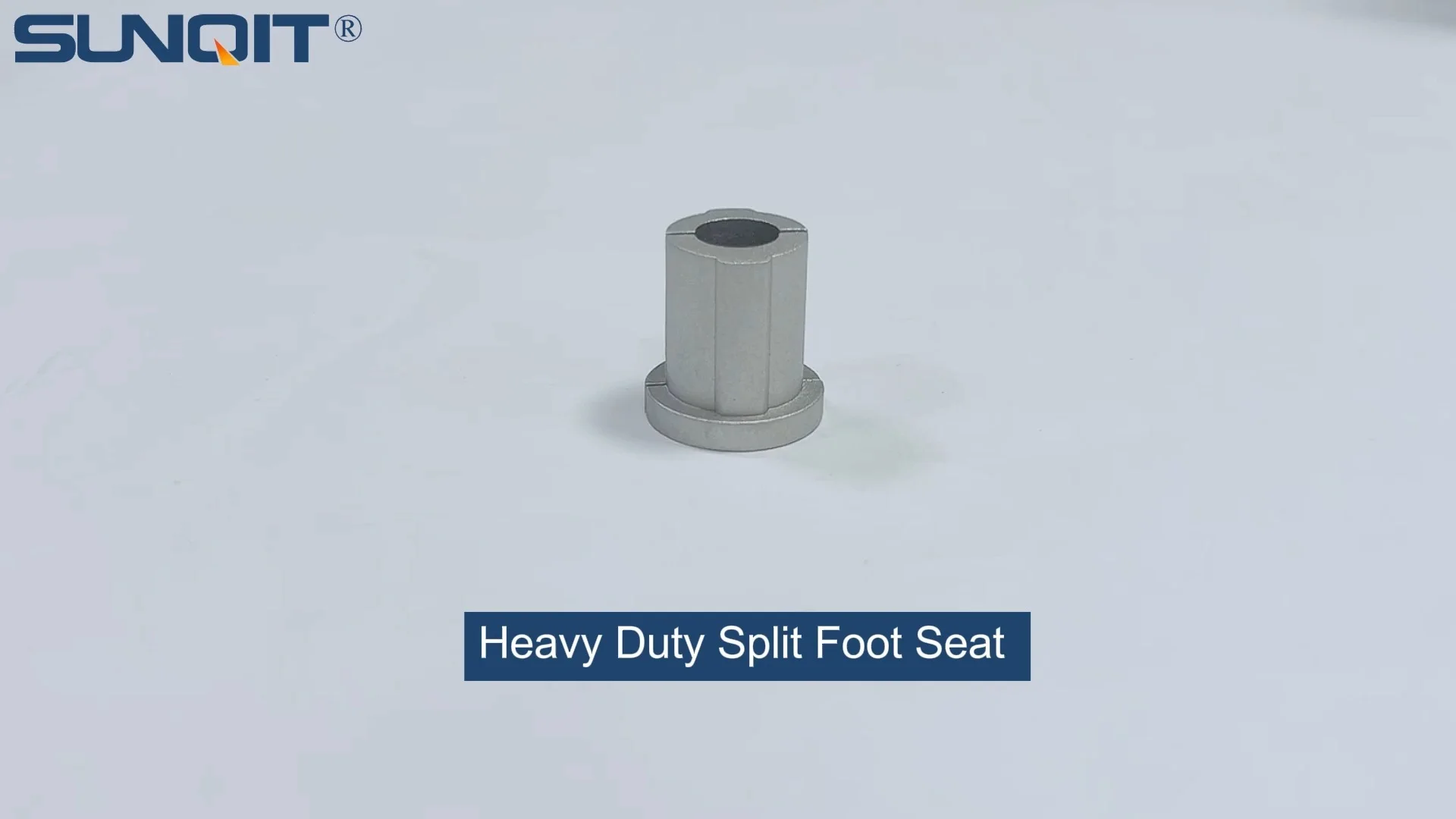
Heavy Duty Split Foot Seat
M10 aluminum heavy duty split foot deat with foot adjuster for workbench and flow rack.
Every year, workplaces around the world lose billions of dollars to accidents—from minor scrapes to major injuries that disrupt lives and operations. While many focus on high-visibility hazards like wet floors or unguarded machinery, there's a quieter culprit hiding in plain sight: unstable equipment. A workbench that wobbles during assembly, a material cart that shifts under load, or a production line rack that vibrates with each passing part—these might seem like minor nuisances, but they're often the first domino in a chain of events leading to spills, falls, or even equipment collapse. Enter heavy duty split foot seats: a humble but powerful component that's redefining how we think about workplace safety. In this article, we'll explore how these unassuming devices act as silent guardians, stabilizing equipment, reducing vibration, and ultimately keeping workers out of harm's way.
Understanding Workplace Accidents: The Role of Equipment Stability
To appreciate the value of heavy duty split foot seats, we first need to understand the problem they solve. According to the Occupational Safety and Health Administration (OSHA), over 20% of non-fatal workplace injuries involve slips, trips, or falls—and many of these can be traced back to unstable equipment. Consider a typical manufacturing floor: workbenches cluttered with tools, turnover trolleys stacked with parts, and flow racks loaded with materials. If any of these items aren't properly stabilized, even a small bump or sudden movement can send them tipping. A workbench that rocks during use might cause a worker to overcompensate, leading to a strain or a fall. A material cart with uneven feet could veer off course, spilling contents and creating a tripping hazard. Worse, vibrating equipment can loosen bolts over time, turning a minor wobble into a catastrophic failure.
The issue isn't just about immediate injuries, either. Unstable equipment also leads to long-term health risks. Prolonged exposure to vibration from unsteady workbenches, for example, can cause musculoskeletal disorders (MSDs) like carpal tunnel syndrome. Workers might adjust their posture to counteract wobbling, leading to chronic back or neck pain. And let's not forget the financial toll: OSHA estimates that employers pay over $1 billion per week in workers' compensation costs for these preventable incidents. In short, equipment stability isn't just a safety concern—it's a bottom-line issue.
What Are Heavy Duty Split Foot Seats? Breaking Down the Basics
At first glance, heavy duty split foot seats might seem like nothing more than metal or plastic pads bolted to the bottom of equipment. But their design is deceptively clever. Unlike standard fixed feet, which distribute weight over a single point, split foot seats feature a divided base—often two parallel plates or "split" sections—that spreads the load across a wider area. This simple modification transforms how equipment interacts with the floor. Let's break down their key components:
- Base Material: Most split foot seats are made from durable materials like steel or aluminum alloy, chosen for their strength and resistance to corrosion. Some models even incorporate aluminum profile elements, leveraging the material's lightweight yet robust properties to support heavy loads without adding excess weight to mobile equipment like turnover trolleys.
- Split Design: The defining feature: instead of a single solid base, the foot is split into two or more segments. This allows each segment to make independent contact with the floor, adapting to uneven surfaces and ensuring no part of the equipment "lifts" when placed on rough terrain.
- Adjustability: Many split foot seats work hand-in-hand with adjustable leveling feet. By combining a split base with a threaded stem, workers can fine-tune the height of each foot, compensating for floor irregularities and ensuring the equipment sits perfectly level—even in older facilities with warped concrete floors.
- Mounting Options: Split foot seats are designed to attach to a variety of equipment, from workbenches to conveyor systems. They often feature pre-drilled holes or universal brackets, making them compatible with standard aluminum pipe or aluminum extrusion profile frames commonly used in lean manufacturing setups.
Think of split foot seats as the "shock absorbers" of the workplace. Where standard feet might act like rigid stilts, split foot seats behave more like a sprung base, absorbing minor floor imperfections and keeping the equipment steady. This adaptability is why they're becoming a staple in industries ranging from automotive manufacturing to electronics assembly, where precision and stability are non-negotiable.

The Mechanics of Safety: How Split Foot Seats Prevent Accidents
So, how exactly do these split designs translate to fewer accidents? Let's dive into the mechanics. The primary goal of any foot seat is to keep equipment grounded, but split foot seats take this a step further by addressing three critical safety challenges: load distribution, floor adaptability, and vibration dampening.
1. Load Distribution: Spreading Weight to Avoid Tipping
When equipment is loaded unevenly—say, a workbench with tools stacked on one side—standard feet concentrate that weight into small contact points with the floor. If the load exceeds the foot's friction with the floor, the equipment tips. Split foot seats solve this by spreading the load across a larger surface area. Imagine placing a heavy box on a single caster wheel versus two caster wheels: the latter is far less likely to roll or tip. Split foot seats work on the same principle. By dividing the base into segments, they increase the "footprint" of the equipment, creating a wider stability triangle. This makes it harder for uneven loads to shift the center of gravity, reducing the risk of tipping during use or when being moved.
2. Floor Adaptability: Conquering Uneven Surfaces
Even the most well-maintained facilities have uneven floors. Cracks, dips, and high spots are inevitable, especially in older buildings. Standard feet, which sit flat, will rock on these imperfections, creating a wobble that worsens over time. Split foot seats, with their segmented bases, can "hug" the floor's contours. Each split segment makes independent contact, so if one part of the floor dips, the other segment stays grounded. When paired with adjustable leveling feet, this becomes even more powerful: workers can tweak each foot's height to compensate for major irregularities, ensuring the equipment remains level regardless of the surface below.
3. Vibration Dampening: Reducing Wear and Tear (and Worker Fatigue)
Equipment vibration isn't just annoying—it's dangerous. Over time, constant shaking loosens fasteners, weakens welds, and can even cause tools or parts to "walk" off workbenches. Split foot seats help here, too. Their segmented design acts like a mini suspension system, absorbing small vibrations before they reach the equipment frame. This is especially critical for conveyor systems or roller track setups, where moving parts generate constant motion. By dampening vibration, split foot seats extend the life of the equipment and reduce the risk of sudden failures. They also make the workspace more comfortable for workers: less vibration means less fatigue, sharper focus, and fewer mistakes that could lead to accidents.

Beyond Stability: Additional Benefits of Heavy Duty Split Foot Seats
While accident prevention is the star of the show, split foot seats offer a host of secondary benefits that make them a smart investment for any workplace. Let's explore a few:
Durability That Stands the Test of Time
Heavy duty split foot seats are built to last. Made from high-grade steel or aluminum, they resist rust, corrosion, and impact damage—even in harsh environments like factories with chemical exposure or food processing plants with frequent washdowns. Unlike plastic feet, which can crack or warp under heavy loads, split metal seats maintain their shape and functionality for years, reducing the need for frequent replacements. This durability is a boon for lean system implementations, where minimizing waste (including equipment waste) is a core principle.
Compatibility with Mobile Equipment
Many workplaces rely on a mix of stationary and mobile equipment. A turnover trolley, for example, needs caster wheels for easy movement but stable feet for when it's parked. Split foot seats often come with quick-release or flip-up designs, allowing workers to switch between caster wheels and split feet in seconds. This versatility means the same trolley can be used for transporting materials across the floor and then locked into place as a temporary workbench—without sacrificing stability in either mode.
Cost-Effective Safety
Compared to overhauls like replacing entire workbenches or installing new flooring, split foot seats are a low-cost safety upgrade. A set of four split foot seats might cost a fraction of what a single workplace accident would in workers' compensation and lost productivity. When you factor in their long lifespan and compatibility with existing equipment, they offer an impressive return on investment. For small businesses or facilities on a budget, this makes them an accessible way to boost safety without breaking the bank.

Real-World Applications: Split Foot Seats in Action
To truly grasp the impact of split foot seats, let's look at how they're being used in real workplaces today. These examples highlight their versatility and the tangible difference they make in accident reduction.
Case Study 1: Automotive Assembly Line
A mid-sized automotive parts manufacturer was struggling with frequent incidents involving workbenches tipping during assembly. Workers reported that the benches, which held heavy tools and partially assembled components, would wobble on the factory's uneven concrete floor, leading to two minor falls in six months. After consulting with a lean pipe supplier, the company retrofitted 20 workbenches with heavy duty split foot seats paired with adjustable leveling feet. Within a year, there were zero bench-related accidents. Workers noted that the benches felt "rock solid," even when using power tools, and fatigue levels dropped significantly during long shifts.
Case Study 2: Electronics Manufacturing Facility
An electronics plant producing circuit boards faced a different issue: vibration from conveyor systems was causing delicate components to shift during inspection. This led to quality control errors and, in one case, a conveyor tipping after a loose bolt—fortunately, no injuries, but a costly production halt. The solution? Installing split foot seats on both the conveyors and inspection workbenches. The split design dampened vibration, reducing component shifting by 75%. The conveyors also stayed firmly grounded, even during peak operation, eliminating the risk of tipping. The plant reported a 40% reduction in quality defects and a 25% decrease in worker complaints about fatigue.
Case Study 3: Warehouse Material Handling
A large distribution center was dealing with frequent spills from turnover trolleys. The trolleys, used to transport small parts to picking stations, often had uneven feet, causing them to sway and spill contents onto walkways—creating tripping hazards. The warehouse manager replaced the standard caster wheels with a hybrid system: split foot seats that could be lowered when the trolley was stationary. Now, when a trolley is parked at a picking station, the split feet lock into place, preventing movement. When it's time to move, the feet retract, and the caster wheels take over. Spills dropped by 90%, and workers reported feeling more confident when loading and unloading the trolleys.
How Split Foot Seats Compare to Other Leveling Solutions: A Quick Guide
With so many leveling and stabilizing products on the market, how do split foot seats stack up? Let's compare them to three common alternatives in the table below:
| Solution | Stability on Uneven Floors | Load Capacity | Vibration Dampening | Best For |
|---|---|---|---|---|
| Heavy Duty Split Foot Seats | Excellent (adapts to uneven surfaces via split design) | High (supports 500+ kg per foot) | Good (absorbs minor vibrations) | Workbenches, conveyors, heavy machinery |
| Standard Fixed Feet | Poor (single contact point; wobbles on uneven floors) | Medium (up to 300 kg per foot) | Poor (transmits vibrations directly) | Light, stationary equipment in smooth-floor environments |
| Suction Cup Feet | Fair (adheres to smooth floors but fails on rough surfaces) | Low (limited by suction strength) | Good (rubber material dampens vibration) | Light lab equipment, small appliances |
| Adjustable Leveling Feet (Non-Split) | Good (height-adjustable but single contact point) | High (similar to split seats) | Fair (less absorption than split designs) | Equipment on slightly uneven floors with low vibration |
As the table shows, split foot seats excel in stability and load capacity, making them the top choice for heavy, high-risk equipment. While other solutions have their uses, split foot seats offer the most comprehensive protection against accidents in industrial settings.
Maintaining Split Foot Seats: Tips for Long-Term Safety
Like any safety equipment, split foot seats need regular maintenance to perform at their best. Here's how to keep them in top shape:
- Inspect Regularly: Check split foot seats monthly for signs of wear, like cracks in the base or stripped threads on adjustable stems. Tighten any loose bolts—vibration can cause them to loosen over time.
- Clean Debris: Sweep or wipe the base of the feet to remove dirt, grease, or debris. Built-up grime can prevent the split segments from making full contact with the floor, reducing stability.
- Lubricate Moving Parts: If your split foot seats have adjustable stems or flip-up mechanisms, apply a light machine oil to keep them moving smoothly. This prevents rust and ensures they lock into place securely.
- replace When Worn: Even the toughest split foot seats will eventually wear out. If you notice bent metal, cracked rubber pads (on models with them), or stems that no longer hold adjustment, replace the feet immediately. Waiting could compromise safety.
- Train Workers: Ensure your team knows how to adjust split foot seats properly. If using them with caster wheels, train workers on how to switch between modes safely to avoid pinching fingers or damaging the equipment.
These simple steps take minutes per month but can extend the life of your split foot seats and ensure they continue protecting workers for years to come.
Conclusion: Investing in Safety, One Split Foot at a Time
Workplace accidents are often framed as unavoidable risks, but the truth is many are preventable—starting with the equipment we use every day. Heavy duty split foot seats might not grab headlines, but they're a quiet revolution in workplace safety. By distributing loads, adapting to uneven floors, dampening vibration, and pairing seamlessly with adjustable leveling feet and caster wheels, they turn unstable workbenches, conveyors, and trolleys into fortresses of stability. The result? Fewer injuries, happier workers, lower costs, and a workplace where everyone can focus on doing their best—without worrying about the equipment beneath them.
As businesses increasingly adopt lean system principles and prioritize employee well-being, split foot seats are emerging as a must-have component. They're not just a "nice-to-have" upgrade; they're a statement that safety is an investment, not an expense. So the next time you walk through your facility, take a look at the feet of your equipment. Are they doing enough to protect your team? If not, it might be time to make the switch to split foot seats. After all, when it comes to safety, every detail counts—and sometimes, the smallest components make the biggest difference.