- Company Articles
- Products and Technology
- Product knowledge
- The Role of Lean Pipe Clamp Chrome in Lean Manufacturing Systems

The Role of Lean Pipe Clamp Chrome in Lean Manufacturing Systems
Related Product
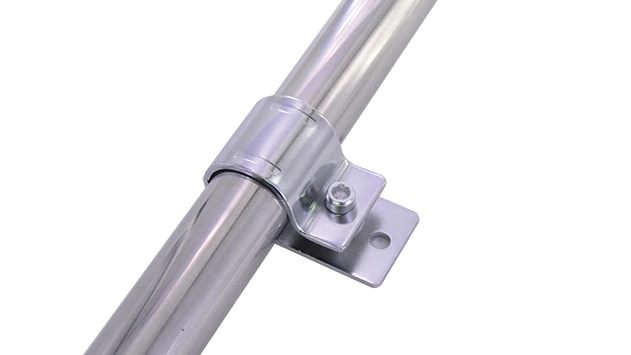
Lean Pipe Clamp Chrome
Lean pipe clamp is used for rack system hang monitor or other panel for workbenck, flowrack in production daily use.
Introduction: The Heart of Lean Manufacturing
In the fast-paced world of manufacturing, where every second counts and waste is the enemy, lean manufacturing stands as a philosophy that has revolutionized how businesses operate. At its core, lean is about creating more value with fewer resources—eliminating unnecessary steps, reducing downtime, and ensuring that every component in the production process serves a purpose. But lean isn't just a set of principles; it's a way of life on the factory floor, and it relies heavily on the tools and systems that bring those principles to life. From the assembly line worker tightening a bolt to the plant manager optimizing workflow, every element plays a role. Today, we're diving into one such unsung hero: the lean pipe clamp chrome. It might seem like a small part, but in the grand scheme of lean systems, it's the glue that holds efficiency together.
Walk into any modern manufacturing facility that embraces lean principles, and you'll notice a common theme: flexibility. Production lines that can adapt to new product designs overnight, workbenches that reconfigure with minimal effort, and material flow systems that keep parts moving without bottlenecks. Behind this flexibility lies a network of components—pipes, profiles, tracks, and joints—that can be easily assembled, disassembled, and reimagined. And at the center of this network? Clamps. Not just any clamps, but lean pipe clamp chrome, a component designed to balance strength, durability, and adaptability. In this article, we'll explore how this humble connector plays a pivotal role in building robust lean systems, supporting everything from workbenches to roller tracks, and why it's become a staple for manufacturers aiming to stay competitive in an ever-changing market.
The Backbone of Lean Systems: Tools That Drive Efficiency
Lean manufacturing isn't about cutting corners—it's about cutting waste. To do that, you need tools that are as efficient as the processes they support. Imagine a production line where every tool, every workstation, and every piece of equipment is designed with a single goal: to make work easier, faster, and more consistent. That's the promise of lean tools, and they come in many forms: from ergonomic workbenches that reduce worker fatigue to conveyor systems that ensure materials arrive exactly when needed. But what ties these tools together? It's the ability to connect, modify, and expand them without overhauling the entire setup. This is where components like lean pipe clamp chrome shine.
In traditional manufacturing setups, equipment was often fixed—welded steel structures that took days to modify and cost a fortune to replace. If a product design changed, the entire line might need to be rebuilt, leading to downtime and lost revenue. Lean systems, however, thrive on modularity. They're built using components that can be snapped together, adjusted, and repurposed, allowing manufacturers to respond quickly to shifts in demand or design. Think of it like building with Lego blocks: each piece has a specific function, but the real power lies in how they connect. Lean pipe clamp chrome is that critical connection point. It's the piece that turns a simple aluminum profile into a sturdy workbench, or a length of roller track into a seamless material flow system. Without reliable, durable clamps, the flexibility that defines lean manufacturing would be impossible.

Spotlight on Lean Pipe Clamp Chrome: More Than Just a Connector
Design and Material: Why Chrome Matters
At first glance, a lean pipe clamp chrome might look like any other metal clamp. But take a closer look, and you'll see why it's become a cornerstone of lean systems. Let's start with the material: chrome-plated steel. Chrome isn't just for aesthetics (though its sleek, silver finish does make workstations look more professional). It's a functional choice. Chrome plating adds a layer of protection to the underlying steel, making the clamp resistant to corrosion, scratches, and wear. In manufacturing environments—where exposure to oils, coolants, and humidity is common—this resistance is crucial. A clamp that rusts or degrades over time isn't just a maintenance headache; it's a safety risk. A loose connection could lead to a workstation collapse or a material spill, halting production and endangering workers. Chrome ensures that the clamp maintains its integrity, even in harsh conditions.
But the design of the lean pipe clamp chrome is just as important as its material. Unlike rigid, one-size-fits-all connectors, these clamps are engineered for adjustability. Most feature a split design with a threaded bolt that tightens around the pipe, creating a secure grip without damaging the surface. This design allows for 360-degree rotation, meaning pipes can be connected at any angle—horizontal, vertical, or diagonal—to create custom structures. Whether you're building a workbench with a slanted shelf or a roller track that curves around a corner, the clamp adapts to the need. This flexibility is a game-changer for lean systems, where no two production lines are exactly alike.
Durability and ESD Considerations
Durability isn't just about resisting rust; it's about withstanding the daily grind of manufacturing. A lean pipe clamp chrome is built to handle heavy loads—think of a workbench holding hundreds of pounds of tools and components, or a roller track supporting pallets of raw materials. The chrome-plated steel construction ensures that the clamp doesn't bend or warp under pressure, maintaining a tight connection even after years of use. This longevity translates to cost savings: instead of replacing flimsy plastic clamps every few months, manufacturers can invest in chrome clamps that last, reducing both replacement costs and downtime.
For industries like electronics manufacturing, where electrostatic discharge (ESD) can destroy sensitive components, lean pipe clamp chrome also offers an added advantage. While not all chrome clamps are explicitly ESD-rated, the conductive nature of steel helps dissipate static electricity, reducing the risk of damage. When paired with ESD workbenches and ESD-safe roller tracks, these clamps become part of a comprehensive ESD protection system, ensuring that products remain intact from assembly to shipping. It's a small detail, but in a industry where a single static shock can cost thousands of dollars, it's a detail that matters.
Building Blocks: Lean Pipe Clamp Chrome in Action
Assembling Workbenches: From Static to Dynamic
Workbenches are the workhorses of any manufacturing facility. They're where assembly happens, where tools are stored, and where workers spend the majority of their shifts. In a lean system, a workbench can't be a static piece of furniture—it needs to evolve with the tasks at hand. This is where lean pipe clamp chrome proves its worth. Traditional workbenches are often heavy, fixed structures with limited storage. A lean workbench, built with aluminum profiles, lean pipes, and chrome clamps, is a different beast entirely.
Imagine a team that assembles small electronic devices. One day, they're working on a smartphone model; the next, they're tasked with a larger tablet. A static workbench might have shelves that are too short for the tablet's components or a surface that's cluttered with tools for the smartphone. With a lean workbench, however, the team can quickly reconfigure: using chrome clamps to adjust shelf heights, add extra storage bins, or even attach a monitor arm for assembly instructions. The clamps make it easy—loosen the bolt, reposition the profile, tighten, and you're done. No welding, no drilling, no waiting for maintenance crews. This ability to adapt on the fly reduces setup time and keeps workers focused on what matters: building quality products.
Take the "Workbench E (single deck-without caster)" as an example. This basic model, when equipped with lean pipe clamp chrome, becomes a foundation for customization. Add a second deck using clamps and aluminum profiles, and you've doubled the workspace. Attach a set of casters (using, you guessed it, more clamps) and the workbench becomes mobile, able to move to where it's needed most. The clamp is the enabler, turning a simple table into a dynamic tool that grows with the team's needs.
Roller Tracks: Smooth Flow, Secure Connections
Material flow is the lifeblood of lean manufacturing. A delay in getting parts from the warehouse to the assembly line can bring production to a halt, and that's where roller tracks come in. These systems use gravity or powered rollers to move materials quickly and efficiently, reducing the need for manual lifting and transport. But a roller track is only as reliable as its structure, and that structure depends on secure connections—enter lean pipe clamp chrome.
Roller tracks are typically built using aluminum guide rails, roller wheels, and support frames. Each component needs to be precisely aligned to ensure materials glide smoothly without jamming. Chrome clamps play a critical role here, securing the guide rails to the support frame and holding the roller wheels in place. For example, the "roller track placon mount for aluminum profile flat" is a bracket that connects the roller track to an aluminum profile frame. A chrome clamp ensures that this bracket stays tight, preventing the track from shifting over time. Even a tiny misalignment can cause a box or pallet to get stuck, creating a bottleneck. With chrome clamps, manufacturers can trust that the track remains stable, keeping materials flowing and production on schedule.
The adaptability of the clamp also shines in roller track design. Need to add a side guide to prevent materials from falling off? Use a chrome clamp to attach an aluminum guide rail. Want to create a merge point where two tracks meet? The clamp allows for angled connections, ensuring a smooth transition. Whether it's a simple straight track or a complex system with turns and elevation changes, the clamp provides the flexibility to design a flow that fits the facility's layout.
Aluminum Profiles: Seamless Integration
Aluminum profiles have become a staple in lean manufacturing thanks to their lightweight, durable, and modular nature. These extruded profiles—with their T-slot design—allow for easy attachment of accessories like shelves, brackets, and clamps. But to build a structure with aluminum profiles, you need connectors that can bridge the gap between profiles and other components, and lean pipe clamp chrome is the perfect partner.
Aluminum profiles come in various sizes, from small 2020 profiles for light-duty structures to large 4080 profiles for heavy machinery. The T-slot design means that clamps can be inserted into the slot and tightened, creating a secure connection without drilling or welding. A chrome clamp, with its adjustable bolt, fits snugly into the slot, gripping the profile firmly. This integration allows manufacturers to combine aluminum profiles with lean pipes, creating hybrid structures that leverage the best of both materials: the strength of steel pipes and the lightweight versatility of aluminum.
For example, a material rack built with 4040 aluminum profiles and lean pipes can use chrome clamps to connect the pipes to the profiles, creating shelves that are both strong and easy to adjust. If the rack needs to hold taller items, simply loosen the clamps, raise the pipes, and retighten. No need for new parts or major rework—just a few minutes of adjustment. This synergy between aluminum profiles and chrome clamps is what makes lean systems so adaptable, ensuring that manufacturers can scale up or reconfigure as their needs change.
The Ripple Effect: Benefits Beyond the Assembly Line
Flexibility: Adapting to Changing Needs
In today's manufacturing landscape, change is constant. New product launches, shifts in consumer demand, and updates to safety regulations all require production lines to adapt quickly. Rigid systems that can't keep up are left behind, but lean systems built with lean pipe clamp chrome thrive on change. The flexibility of these clamps allows manufacturers to reconfigure their workspace in hours, not days, ensuring that they stay agile and responsive.
Consider a scenario where a company wins a new contract to produce a larger version of their existing product. The assembly line, which was designed for smaller items, now needs to accommodate bigger components and more workers. With traditional fixed equipment, this would mean ordering new workbenches, modifying conveyor systems, and shutting down production for weeks. With lean pipe clamp chrome, the process is different: loosen the clamps, adjust the height of the workbenches, add extra roller tracks to handle larger materials, and reposition the aluminum profiles to create more space. The entire reconfiguration can be done over a weekend, minimizing downtime and allowing production to resume quickly. This agility is a competitive advantage, letting manufacturers take on new opportunities without the fear of being held back by their equipment.
Cost-Effectiveness: Long-Term Savings
At first glance, chrome clamps might seem more expensive than plastic or unplated steel alternatives. But when you factor in their longevity, the cost equation shifts dramatically. A plastic clamp might cost a fraction of the price, but it will crack under heavy loads or degrade in harsh environments, requiring frequent replacement. A chrome clamp, on the other hand, lasts for years, reducing the total cost of ownership. For a manufacturing plant with hundreds of clamps, the savings add up quickly—fewer purchases, less time spent replacing parts, and minimal downtime.
The modularity enabled by chrome clamps also reduces waste. Instead of scrapping an entire workbench when a design changes, manufacturers can disassemble the structure and reuse the pipes, profiles, and clamps to build something new. This "reuse and repurpose" model aligns perfectly with lean principles, cutting down on material waste and lowering disposal costs. It's not just about saving money—it's about building a sustainable operation that minimizes its environmental footprint.
Sustainability: Reducing Waste, Maximizing Resources
Sustainability is no longer a buzzword; it's a business imperative. Consumers and regulators alike are demanding that companies reduce their environmental impact, and lean manufacturing—with its focus on eliminating waste—is inherently sustainable. Lean pipe clamp chrome plays a role here by promoting the circular economy: components are designed to be reused, not thrown away. When a clamp finally reaches the end of its life (after decades of use), the steel can be recycled, reducing the need for new raw materials.
Additionally, the lightweight nature of aluminum profiles and lean pipes (when paired with chrome clamps) reduces energy consumption. Lighter structures are easier to move, requiring less fuel or electricity for transport. They also put less strain on facility floors and infrastructure, extending the life of the building itself. From the factory floor to the bottom line, the sustainability benefits of chrome clamps and modular lean systems are clear.
The Ripple Effect: Benefits Beyond the Assembly Line
Case Study 1: Automotive Plant Streamlines Production
A mid-sized automotive parts manufacturer was struggling with bottlenecks in their assembly line. Their workbenches were fixed steel structures, and reconfiguring them to accommodate new part designs took weeks, leading to missed deadlines. After switching to a lean system built with aluminum profiles, lean pipes, and lean pipe clamp chrome, the transformation was remarkable. The team could now adjust workbench heights, add shelves, and reposition tools in hours. For example, when a new brake caliper design required a deeper shelf, workers simply loosened the chrome clamps, moved the shelf, and retightened—no welding, no downtime. Within six months, production output increased by 15%, and setup time for new products dropped by 70%. The chrome clamps were a small part of the system, but they enabled the flexibility that drove these results.
Case Study 2: Electronics Manufacturer Enhances ESD Protection
An electronics manufacturer producing circuit boards was facing frequent ESD-related failures, costing them thousands of dollars in damaged components. Their existing workbenches used plastic clamps that didn't dissipate static, and roller tracks were prone to shifting, causing boards to jostle and generate static. By upgrading to ESD workbenches with lean pipe clamp chrome and ESD-safe roller tracks (using chrome clamps to secure conductive components), they saw a 90% reduction in ESD damage. The chrome clamps, with their conductive steel construction, helped ground the workbench, while their secure grip prevented track misalignment. Workers reported feeling more confident in the setup, and the company saved over $100,000 in component costs in the first year alone.
Maintaining Peak Performance: Care and Maintenance of Lean Pipe Clamp Chrome
Like any tool, lean pipe clamp chrome requires regular maintenance to ensure it continues to perform at its best. Fortunately, caring for these clamps is simple and doesn't require specialized tools or expertise. Here are some practical tips to keep your clamps in top shape:
- Regular Cleaning: Wipe down clamps with a damp cloth to remove dust, oil, and debris. For stubborn grime, use a mild detergent—avoid harsh chemicals that can damage the chrome finish.
- Tighten Connections: Over time, vibrations from machinery can loosen bolts. Periodically check clamps and tighten them with a wrench if they feel loose. This prevents structures from wobbling or shifting.
- Inspect for Damage: Look for signs of wear, such as cracks in the steel or peeling chrome. If a clamp is damaged, replace it immediately—don't risk using a compromised connector.
- Lubricate Threads: Apply a small amount of lubricant (like WD-40) to the bolt threads to make tightening and loosening easier. This is especially helpful for clamps that are adjusted frequently.
By following these simple steps, manufacturers can extend the life of their chrome clamps, ensuring that their lean systems remain safe, efficient, and reliable for years to come.
Looking Ahead: The Future of Lean Pipe Clamp Chrome and Lean Systems
As manufacturing continues to evolve—with trends like Industry 4.0, automation, and smart factories—lean systems will only become more critical. And lean pipe clamp chrome, while a "traditional" component, will play a role in this future. Innovations in materials science may lead to even more durable chrome coatings or hybrid materials that combine the strength of steel with the lightweight properties of aluminum. We might also see clamps with built-in sensors that alert maintenance teams when a connection is loosening, adding a layer of predictive maintenance to lean systems.
The demand for customization will also drive change. As manufacturers produce smaller batches of more specialized products, the need for highly flexible lean systems will grow. Lean pipe clamp chrome, with its ability to connect components in endless configurations, will remain a key enabler of this customization. Whether it's building a collaborative robot workstation or a modular testing rig, the clamp will continue to adapt to new needs.
Conclusion: Small Component, Big Impact
In the grand tapestry of lean manufacturing, the lean pipe clamp chrome might seem like a minor thread. But as we've explored, it's a thread that holds the entire design together. From assembling workbenches that adapt to worker needs to securing roller tracks that keep materials flowing, from integrating with aluminum profiles to enabling sustainability, this humble connector plays a role in nearly every aspect of a lean system. It's a testament to the lean philosophy itself: that greatness lies in the details, and that even the smallest components can drive big change.
For manufacturers looking to embrace lean principles, investing in quality tools like lean pipe clamp chrome isn't just a purchase—it's a commitment to efficiency, flexibility, and long-term success. It's about building a system that doesn't just work for today's needs, but grows with tomorrow's challenges. So the next time you walk through a lean manufacturing facility, take a moment to look at the connections. Chances are, you'll see a chrome clamp doing its job quietly, reliably, and without fanfare—just like the best lean tools do.
Comparison of Connector Types in Lean Systems
| Connector Type | Material | Durability | Flexibility | ESD Protection | Best For |
|---|---|---|---|---|---|
| Lean Pipe Clamp Chrome | Chrome-plated steel | High (resists rust, heavy loads) | High (360° rotation, adjustable) | Moderate (conductive steel) | Heavy-duty structures, ESD-sensitive environments, long-term use |
| Plastic Clamp | Nylon or PP | Low (prone to cracking under heavy loads) | Moderate (limited rotation) | High (insulative, ESD-safe options available) | Light-duty shelving, temporary structures, low-cost setups |
| Stainless Steel Clamp | Stainless steel | Very High (extreme corrosion resistance) | Moderate (fixed angles in some designs) | High (conductive) | Food processing, pharmaceutical, wet environments |
| Aluminum Joint | Aluminum alloy | Medium-High (lightweight, corrosion-resistant) | High (modular, T-slot compatible) | Moderate (conductive) | Aluminum profile structures, lightweight workbenches |