- Company Articles
- Products and Technology
- Product knowledge
- The Role of Lean Pipe Fixed Clamps in Sustainable Lean Manufacturing

The Role of Lean Pipe Fixed Clamps in Sustainable Lean Manufacturing
Related Product
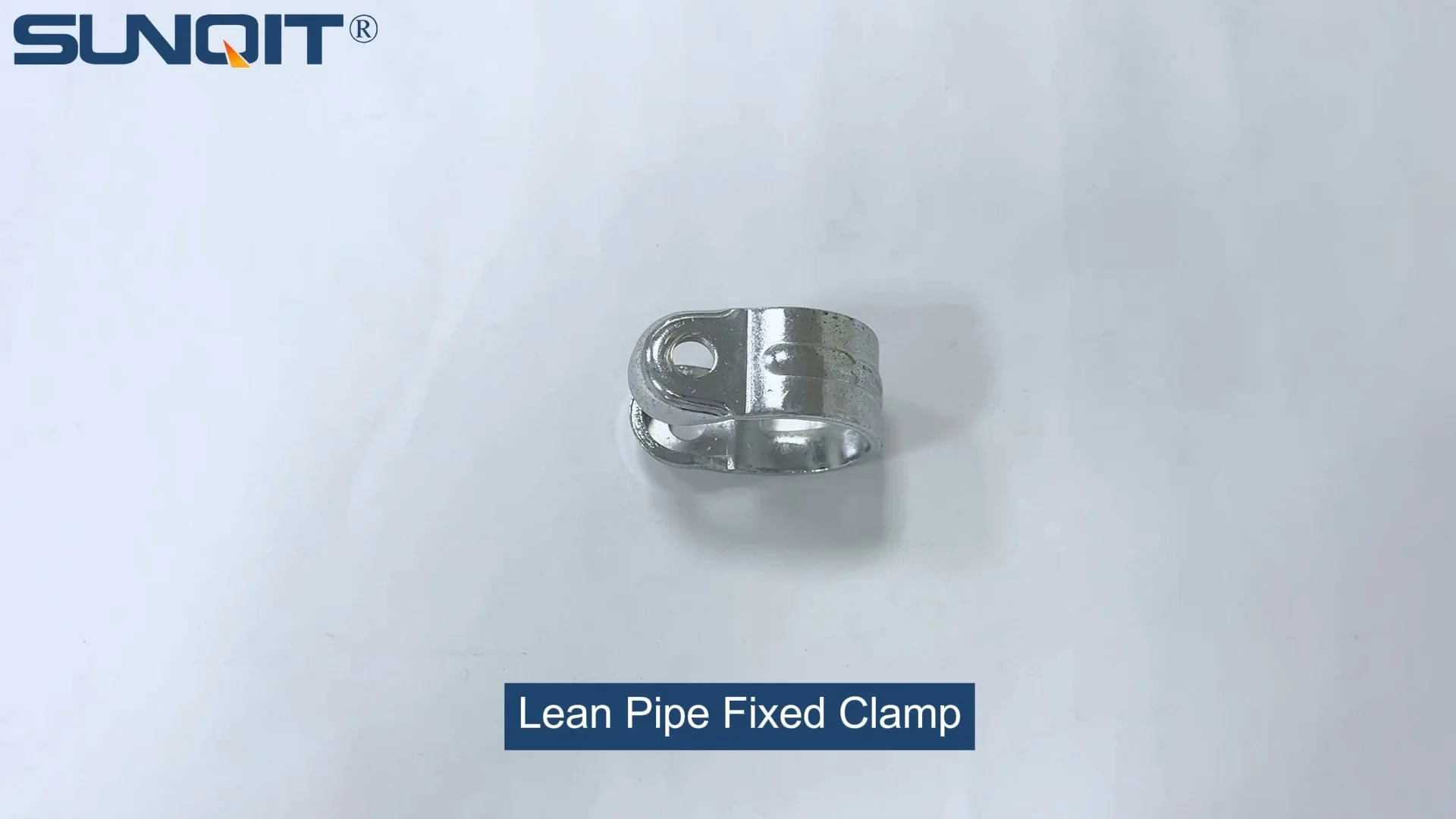
Lean Pipe Fixed Clamp
Lean pipe fixed clamp is used for pipe connector fixing the correct position during workbench flow rack hand trolley assemble work.
How a small component makes a big difference in efficiency, flexibility, and environmental responsibility
The Changing Landscape of Manufacturing: Sustainability Meets Efficiency
Let's start by painting a picture: A bustling factory floor, machines humming, workers moving with purpose, and products rolling off the line. For decades, this scene wasd by one metric alone: output. But today, there's a new player in the game—sustainability. Manufacturers worldwide are waking up to the reality that "more" doesn't always mean "better," especially when it comes at the cost of our planet. Wasteful production processes, excess materials, and rigid systems that become obsolete overnight are no longer acceptable. Enter lean manufacturing—a philosophy that marries efficiency with responsibility—and at the heart of this revolution lies a surprisingly simple yet powerful tool: the lean pipe system. And within that system, one component often flies under the radar but holds everything together: the lean pipe fixed clamp.
Sustainable manufacturing isn't just a buzzword; it's a necessity. With rising raw material costs, stricter environmental regulations, and growing consumer demand for eco-friendly products, manufacturers are under pressure to rethink how they operate. Lean principles, which focus on minimizing waste and maximizing value, have become the backbone of this shift. But lean isn't just about cutting costs—it's about building systems that are adaptable, resource-efficient, and kind to the planet. That's where lean pipe systems shine, and why the humble fixed clamp deserves a spotlight.
Understanding Lean Manufacturing: More Than Just "Cutting Waste"
Before diving into the specifics of lean pipe fixed clamps, let's make sure we're on the same page about lean manufacturing. At its core, lean is a mindset—a commitment to continuous improvement and respect for people. It's rooted in the Toyota Production System, developed in the mid-20th century, but its principles have since spread across industries, from automotive to electronics to food processing. The goal? To create more value for customers with fewer resources.
Lean identifies eight types of waste, often referred to as "muda" in Japanese: overproduction, waiting, transportation, processing, inventory, motion, defects, and unused talent. By eliminating these, manufacturers can reduce costs, improve quality, and yes, become more sustainable. But here's the thing: Lean isn't a one-size-fits-all solution. It requires flexible tools that can adapt to changing needs—tools like lean pipe systems.
A lean system isn't just a set of rules; it's a physical framework that supports those rules. Imagine trying to practice "just-in-time" inventory (a key lean principle) with a rigid, bolted-down assembly line. It would be nearly impossible. Lean pipe systems, with their modular design, make adaptability possible. And the unsung hero keeping those systems stable yet flexible? You guessed it: the lean pipe fixed clamp.
Lean Pipe Systems: The Building Blocks of Flexible Manufacturing
So, what exactly is a lean pipe system? Think of it as the erector set of the manufacturing world—only sturdier, more functional, and designed for grown-ups. These systems are made up of lightweight metal pipes (often steel, aluminum, or plastic-coated), joints, and clamps that can be assembled into almost any structure you can imagine: workbenches, flow racks, conveyor systems, material carts, and more. The magic lies in their modularity: you can easily add, remove, or reconfigure components as your needs change.
Let's break down the components. The pipes are the backbone—strong enough to support heavy loads but light enough to move when needed. The joints are the connectors, allowing pipes to meet at various angles (90 degrees, 45 degrees, etc.). And then there are the clamps—specifically, lean pipe fixed clamps. These small but mighty pieces are what hold the entire system together. Unlike some joints that allow for rotation or movement, fixed clamps lock pipes into place, ensuring stability where it's needed most. They're the reason a lean pipe workbench doesn't wobble when you're assembling parts, or a roller track doesn't shift when materials glide across it.
But why aluminum? Many modern lean pipe systems use aluminum profile or aluminum lean pipe because it's lightweight, corrosion-resistant, and recyclable—three qualities that align perfectly with sustainability goals. Aluminum profile accessories, like brackets and end caps, work seamlessly with fixed clamps to create durable, long-lasting structures. Whether you're building a simple workbench or a complex roller track for material handling, aluminum-based lean pipe systems offer the best of both worlds: strength and sustainability.

The Unsung Hero: Lean Pipe Fixed Clamps Explained
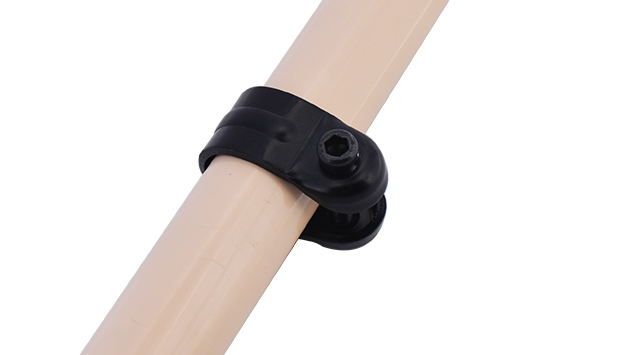
Let's zoom in on the star of the show: the lean pipe fixed clamp. At first glance, it might look like just another metal bracket, but there's more to it than meets the eye. A well-designed fixed clamp serves two critical purposes: it secures pipes firmly in place, preventing unwanted movement, and it allows for easy assembly and disassembly when reconfiguration is needed. That balance—stability and flexibility—is what makes fixed clamps indispensable.
So, what's in a fixed clamp? Most are made from steel or aluminum, with a coating (like zinc or plastic) to prevent rust. The design typically includes a U-shaped or C-shaped body that wraps around the pipe, with a bolt or screw that tightens to hold the pipe securely. Some clamps are designed for specific pipe sizes (e.g., 28mm lean pipe), while others are adjustable. The key is that once tightened, they don't budge—no slipping, no twisting, no give. This is crucial for structures like workbenches, where stability directly impacts worker safety and productivity.
But here's where it gets interesting: even though they're called "fixed," these clamps are surprisingly adaptable. Unlike welding or gluing, which permanently attach pipes, fixed clamps can be loosened, moved, and reused. Need to shorten a workbench? Remove a clamp, adjust the pipe length, and reattach. Want to add a shelf to a material rack? Slide a clamp into place, tighten, and you're done. This reusability is a game-changer for sustainability—instead of scrapping an entire structure when needs change, you can repurpose the pipes and clamps for something new.
Let's talk materials again. Stainless steel fixed clamps are ideal for environments where corrosion is a concern, like food processing or pharmaceutical facilities. Aluminum clamps, on the other hand, are lighter and more eco-friendly, as aluminum is 100% recyclable with no loss of quality. Many manufacturers now offer aluminum lean pipe and matching clamps, creating systems that are not only strong but also easy to recycle at the end of their lifespan. It's a small detail, but it adds up when you're trying to reduce your environmental footprint.

Sustainability Benefits: How Fixed Clamps Reduce Waste and Save Resources
Now, let's get to the heart of the matter: how do lean pipe fixed clamps contribute to sustainable lean manufacturing? It all comes down to three key areas: material efficiency, reusability, and modularity.
Material Efficiency: Traditional manufacturing systems often require custom-built structures—think heavy steel workbenches welded on-site or conveyor belts made to specific dimensions. These use far more material than necessary and are difficult to modify. Lean pipe systems, by contrast, use exactly what they need. Fixed clamps ensure that pipes are connected with minimal hardware, reducing excess material. For example, a lean pipe workbench might use 30% less material than a traditional wooden or steel workbench, simply because it's designed to be lightweight yet strong, with clamps that distribute weight evenly.
Reusability: When a traditional structure becomes obsolete—say, a workbench that's too short for a new product line—it's often sent to the landfill. With lean pipe systems, that's rarely the case. Fixed clamps can be loosened, and pipes can be rearranged into a new structure. A workbench today might become a material cart tomorrow, or a roller track next month. This reusability drastically reduces waste. According to a study by the Lean Enterprise Institute, companies using modular lean systems report a 40% reduction in waste from obsolete equipment compared to those using fixed systems. That's a huge win for sustainability.
Modularity: Modularity goes hand-in-hand with reusability. Because lean pipe systems are built from interchangeable parts, you don't need to buy new equipment every time your process changes. Need to add a shelf to your workbench? Grab an extra pipe and a few fixed clamps. Want to extend a roller track? Just connect more sections. This not only saves money but also reduces the demand for raw materials. Fewer raw materials mean less energy used in production, fewer emissions from transportation, and a smaller overall carbon footprint.
Let's take a real-world example. A electronics manufacturer was using traditional wooden workbenches for assembly. When they switched to lean pipe workbenches with aluminum profile and fixed clamps, they noticed three immediate benefits: 1) The workbenches were lighter, so workers could rearrange them without heavy machinery, saving energy. 2) When product lines changed, they reused 80% of the pipes and clamps to build new workbenches, reducing waste by over 500 pounds in the first year. 3) The aluminum components were recyclable, so even when parts eventually wore out, they could be recycled instead of landfilled. All of this was made possible by the reliability of fixed clamps, which ensured the new workbenches were stable enough for precision assembly work.
Real-World Applications: Fixed Clamps in Action
To truly understand the impact of lean pipe fixed clamps, let's look at some common applications in manufacturing:
Workbenches: A lean pipe workbench is the cornerstone of many assembly lines. It needs to be stable enough to support tools, parts, and workers, but flexible enough to adjust as tasks change. Fixed clamps secure the legs and frame, preventing wobbling, while adjustable joints allow for shelves or tool holders to be added. For example, a workbench in an automotive plant might start with a single deck (without casters, as specified by "Workbench E" in some product lines), but with fixed clamps, workers can add a second level or a side rack for parts storage as needed.
Roller Tracks: Roller tracks are essential for moving materials from one workstation to another—think of a conveyor belt but simpler and more modular. Fixed clamps attach roller track sections to aluminum profiles, ensuring the track stays aligned. When materials glide across swivel roller balls (1 inch or 0.5 inch) or plastic roller track guide rails (yellow or grey), the last thing you want is the track shifting. Fixed clamps keep everything in place, reducing jams and improving efficiency. And if you need to re route the track? Just loosen the clamps, move the sections, and retighten—no need for new parts.
Material Racks: Material racks, like "Material Rack B (3 row and 3 floor)" mentioned in product lists, are used to store parts and supplies. Fixed clamps ensure that the shelves and uprights stay secure, even when fully loaded. If a rack becomes too small, you can add more levels by inserting new pipes and clamping them into place. This adaptability means you don't have to buy a whole new rack—saving money and resources.
In each of these cases, fixed clamps are the glue that holds the system together, making flexibility and sustainability possible. They turn a collection of pipes and joints into a functional, adaptable tool that grows with your business—without growing your environmental impact.
Traditional vs. Lean Pipe Solutions: A Sustainability Showdown
Still not convinced that lean pipe fixed clamps make a difference? Let's compare traditional manufacturing systems with lean pipe systems side by side. The table below highlights key areas where lean pipe systems—powered by fixed clamps—outperform traditional methods in sustainability and efficiency.
| Aspect | Traditional Manufacturing Systems | Lean Pipe Systems with Fixed Clamps |
|---|---|---|
| Material Usage | High—custom-built, uses excess material for stability | Low—modular design uses only necessary materials; fixed clamps reduce hardware waste |
| Reusability | Low—difficult to modify; often landfilled when obsolete | High—easily reconfigured with fixed clamps; parts reused for new structures |
| Energy Consumption | High—heavy materials require more energy to produce and transport | Low—lightweight aluminum or steel pipes; less energy needed for production and movement |
| Waste Generation | High—scrap material from custom builds; obsolete equipment sent to landfill | Low—minimal scrap during assembly; parts recycled or reused at end of life |
| Carbon Footprint | High—due to excess material, energy use, and transportation | Low—reduced material and energy use; recyclable components like aluminum profile |
The data speaks for itself. Lean pipe systems, with fixed clamps as their foundation, are simply more sustainable than traditional alternatives. They use less material, generate less waste, and require less energy—all while being more flexible and cost-effective. It's a win-win for manufacturers and the planet.
Choosing the Right Fixed Clamps: What to Look For
Not all lean pipe fixed clamps are created equal. To maximize sustainability and efficiency, you need to choose the right ones for your needs. Here are a few key factors to consider:
Load Capacity: How much weight will the clamp need to support? A workbench holding small electronics will require different clamps than a roller track moving heavy machinery parts. Look for clamps rated for your specific load to avoid overengineering (which wastes material) or underengineering (which leads to failures and waste from replacements).
Material: As mentioned earlier, aluminum clamps are lightweight and recyclable, making them a great choice for sustainability. Stainless steel clamps are better for harsh environments (like factories with chemicals or moisture) but are heavier. Choose the material that fits your environment and eco-friendly goals.
Compatibility: Ensure the clamps work with your existing lean pipe system. If you're using aluminum profile, look for clamps designed for aluminum lean pipe. Check the pipe diameter (common sizes include 28mm or 30mm) and joint type to avoid mismatched parts, which can lead to waste if you have to buy new components.
Ease of Use: Clamps that are easy to tighten and loosen save time and reduce frustration. Look for designs with ergonomic bolts or quick-release mechanisms—this makes reconfiguration faster, encouraging workers to adapt the system instead of requesting new equipment.
By choosing the right fixed clamps, you'll ensure your lean pipe system is as sustainable, efficient, and long-lasting as possible. It's a small decision that has a big impact on your bottom line and the environment.
Future Trends: Innovation in Lean Pipe Systems and Sustainability
The future of lean manufacturing is bright, and lean pipe systems are evolving to meet new challenges. Here are a few trends to watch, all of which will rely on innovations in fixed clamps and related components:
Eco-Friendly Materials: Manufacturers are experimenting with even more sustainable materials for pipes and clamps, like recycled aluminum or bioplastics for coatings. Imagine fixed clamps made from 100% recycled steel or aluminum profile accessories derived from plant-based materials—these could reduce the carbon footprint of lean systems even further.
Smart Integration: As Industry 4.0 takes hold, lean pipe systems are starting to incorporate smart technology. For example, sensors embedded in fixed clamps could monitor load capacity or alert workers when a clamp is loose, preventing failures and reducing waste. This "smart lean" approach will make systems even more efficient and adaptable.
Circular Economy Models: Some lean pipe suppliers are starting to offer take-back programs, where old clamps and pipes are recycled or refurbished and resold. This closes the loop, ensuring that even end-of-life components don't end up in landfills. Fixed clamps, with their simple design, are easy to refurbish—just clean them up and replace worn bolts, and they're good as new.
These trends all point to one thing: lean pipe fixed clamps will continue to play a vital role in sustainable manufacturing. As systems become smarter, more eco-friendly, and more integrated, the need for reliable, flexible clamps will only grow.
Conclusion: Small Components, Big Impact
At the end of the day, lean pipe fixed clamps might not be the most glamorous part of a manufacturing system, but they're undoubtedly one of the most important. They're the quiet achievers, holding everything together while allowing for the flexibility that makes lean manufacturing work. And when you pair that with sustainability—reducing waste, reusing materials, and minimizing resource use—fixed clamps become more than just hardware; they become tools for building a better future.
So, to all the manufacturers out there looking to embrace lean principles and reduce their environmental impact: don't overlook the small stuff. Invest in a quality lean pipe system, choose the right fixed clamps, and watch as efficiency and sustainability go hand in hand. Your workers will thank you for the flexible, ergonomic workspaces. Your bottom line will thank you for the reduced costs. And the planet? Well, the planet will thank you most of all.
After all, in the world of sustainable lean manufacturing, it's the little things—the fixed clamps, the modular pipes, the aluminum profile accessories—that add up to make a big difference. Let's build that future together.