- Company Articles
- Products and Technology
- Solution
- The Role of Mini Aluminum Roller Track Black in Lean Manufacturing Principles

The Role of Mini Aluminum Roller Track Black in Lean Manufacturing Principles
Related Product
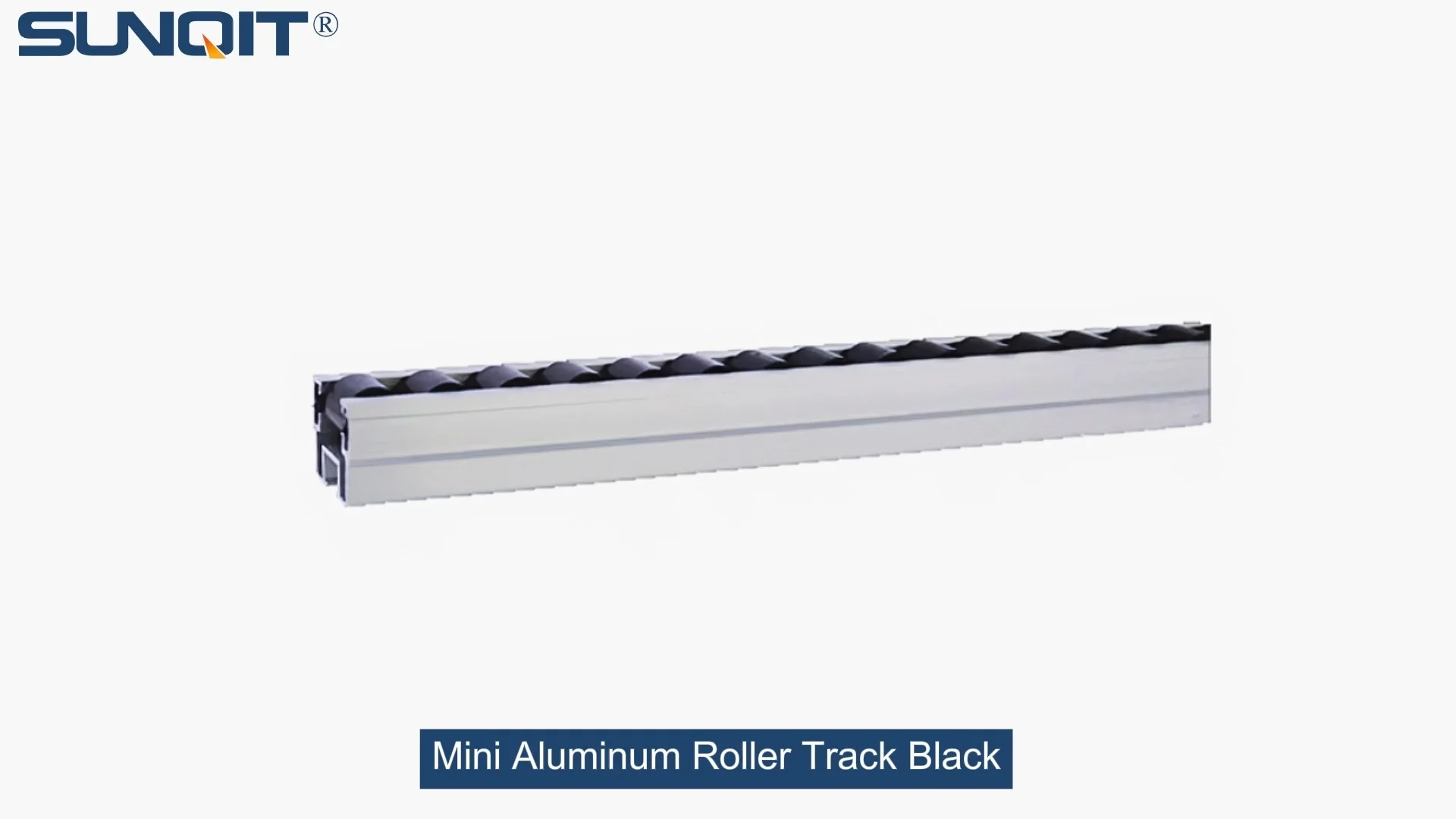
Mini Aluminum Roller Track Black
Mini aluminum roller track black for modular system, lean solution.Durable and smooth-running modular roller rails. The system is fully assembled. The roller rail profile contains plastic rollers mounted on steel axles.
The Role of Mini Aluminum Roller Track Black in Lean Manufacturing Principles
Introduction: Small Component, Big Impact
Walk into any modern manufacturing facility—whether it's a 3C assembly line churning out smartphones, a medical device plant crafting precision instruments, or an automotive workshop assembling sensors—and you'll find hundreds of small components working together to keep operations running smoothly. Among these, the mini aluminum roller track black stands out as a quiet workhorse, often overlooked but critical to upholding lean manufacturing principles. It's not just a piece of metal with rollers; it's a tool that bridges the gap between theoretical lean ideals and real-world efficiency. In this article, we'll explore how this compact track supports core lean principles, integrates with other lean components like lean pipe and flow racks, and delivers tangible value across industries.
What Is Mini Aluminum Roller Track Black?
Let's start with the basics. The mini aluminum roller track black is a compact, high-quality component made from aluminum alloy, finished with a black coating that often includes ESD (Electrostatic Discharge) properties—perfect for industries like 3C where static can damage sensitive electronics. Its small width (typically a few centimeters) and lightweight design make it ideal for tight spaces, but don't let its size fool you: it's built to handle repeated use with lightweight to medium-weight parts (up to 50kg per meter, depending on the model).
Each roller on the track is precision-engineered to spin freely, reducing friction and allowing parts or bins to glide smoothly from one point to another. The aluminum construction resists rust and corrosion, so it holds up well in harsh manufacturing environments—from dusty warehouses to clean medical facilities. And since it's modular, you can cut it to length, attach it to frames with simple brackets, and reconfigure it as your production needs change. This flexibility is key to its appeal in lean systems, where adaptability is non-negotiable.
Core Lean Principles It Supports
Lean manufacturing is built on a set of principles designed to eliminate waste, boost efficiency, and deliver value to customers. The mini aluminum roller track black directly supports four of these core principles:
1. Just-In-Time (JIT) Production
JIT is all about getting the right parts to the right place at the exact right time—no excess inventory, no delays. The mini aluminum roller track black enables this by creating a steady, predictable flow of components. For example, in a 3C assembly line, small parts like microchips or camera modules are stored in bins on flow racks fitted with these tracks. When a worker needs a bin, they can slide it along the track to their workstation in seconds, ensuring parts arrive just as they're needed. This eliminates the need for stockpiling parts near the line (a common source of overproduction waste) and keeps the assembly process moving without interruptions.
2. Waste Reduction (Muda)
Waste comes in many forms—motion, waiting, overproduction, and more—and the mini aluminum roller track black targets several of these. Let's talk about motion waste: when workers have to reach, bend, or walk to grab parts, they waste time and energy. By integrating these tracks into lean pipe workstations, parts are delivered right to the worker's fingertips, cutting down on unnecessary movement. Waiting waste is another issue: if parts get stuck on a track, the entire line slows down. The smooth rollers of this track minimize jams, so there's less waiting for parts to arrive. And since it's durable, you don't have to replace it often—reducing waste from broken equipment and the cost of frequent replacements.
3. Continuous Improvement (Kaizen)
Lean isn't a one-time fix; it's a culture of continuous improvement. The mini aluminum roller track black supports Kaizen because it's modular and easy to reconfigure. Suppose you notice that a section of your assembly line is causing bottlenecks—you can quickly adjust the track's layout, add more tracks to a flow rack, or move it to a different workstation to optimize flow. This flexibility lets teams test small changes without investing in expensive new equipment, encouraging ongoing experimentation and improvement.
4. Flexibility (Heijunka)
Modern manufacturing needs to adapt to changing customer demands—whether it's a shift in product design or a sudden increase in order volume. The mini aluminum roller track black is designed for this flexibility. It works with a wide range of lean components: you can attach it to lean pipe frames to build custom flow racks, integrate it into conveyor systems for small parts, or add it to ESD workstations to create temporary assembly lines. For example, in a medical device plant, if a new product line requires smaller parts, you can reconfigure the track to fit the new bin sizes without replacing the entire system.
Integration with Other Lean Components
The mini aluminum roller track black doesn't operate in isolation—it's part of a larger lean ecosystem. Let's look at how it works with three key components from the lean toolkit:
1. Lean Pipe
Lean pipe (also called lean tube) is a foundational component of lean systems, used to build frames for workstations, flow racks, and. The mini aluminum roller track black integrates seamlessly with lean pipe: you can use brackets to attach the track to the pipe frame, creating custom flow racks or workstations. For example, a warehouse might use lean pipe to build a frame for a parts bin rack, then install the black roller track inside to let bins slide easily. This combination reduces the need for heavy lifting and makes parts accessible to workers without extra effort.
2. Flow Rack
Flow racks are a staple in lean warehouses, designed to deliver parts to workers using gravity. The mini aluminum roller track black is often the heart of these racks: it's installed on the shelves, allowing bins to slide from the back (where parts are restocked) to the front (where workers pick them). The black ESD coating is especially useful here for 3C or medical parts, as it prevents static buildup that could damage sensitive components. Unlike plastic tracks, which can warp or break over time, the aluminum track maintains its shape and smoothness, ensuring consistent flow.
3. Conveyor Systems
For small parts that need to move between stations (like microchips in 3C assembly or small sensors in automotive plants), the mini aluminum roller track black can be part of a compact conveyor system. The track's smooth rollers reduce friction, so the conveyor uses less energy to move parts. And since it's modular, you can adjust the conveyor's length or direction by adding or removing track sections—perfect for adapting to changing production lines.
Real-World Applications Across Industries
The mini aluminum roller track black is versatile enough to serve a wide range of industries, from 3C to medical to automotive. Let's dive into some examples:
1. 3C Assembly Industry
In 3C assembly (computers, communication, consumer electronics), static electricity is a major risk. The mini aluminum roller track black's ESD coating solves this problem. Workers use flow racks with these tracks to get components like microchips, camera modules, and battery packs right to their ESD workstations. The tracks let bins slide smoothly, so workers don't have to lift heavy containers, and the ESD protection ensures no static damage to sensitive parts. This reduces defects and speeds up assembly time.
2. Medical Device Industry
Medical device manufacturing requires precision and cleanliness. The mini aluminum roller track black is easy to clean and sanitize, making it ideal for this sector. For example, in a plant producing insulin pens, the track is used to move small, sterile parts between stations. The aluminum construction resists corrosion from cleaning agents, and the smooth rollers prevent parts from getting stuck or damaged. This ensures that the parts remain sterile and the assembly process stays efficient.
3. Automotive Industry
Automotive plants use hundreds of small parts—from sensors to wiring harnesses. The mini aluminum roller track black is part of conveyor systems that deliver these parts to the assembly line just in time. For example, a plant assembling car door sensors might use these tracks to move sensor bins from the warehouse to the assembly station. The tracks' durability means they can handle the constant use of a busy automotive line, and their flexibility lets the plant adjust the conveyor layout if the sensor design changes.
4. Warehousing and Logistics
In warehouses, the mini aluminum roller track black is used to build flow racks for picking and packing. Workers can slide bins of products along the tracks to the packing station, reducing the time spent walking between shelves. The track's modular design lets warehouses adjust the rack size to fit different product types—from small electronics to medium-sized parts. This improves picking efficiency and reduces labor costs.
Comparative Analysis: Why Choose Mini Aluminum Roller Track Black?
To understand the value of this track, let's compare it to other common roller track types: plastic and stainless steel. The table below highlights key differences:
| Feature | Mini Aluminum Roller Track Black | Plastic Roller Track | Stainless Steel Roller Track |
|---|---|---|---|
| Material | Aluminum Alloy with Black ESD Coating | ABS Plastic | Stainless Steel |
| ESD Compliance | Yes (standard for black version) | Rarely (needs special coating) | Depends on finish (often no) |
| Durability | High (resists rust, corrosion, and warping) | Medium (prone to breakage under heavy load) | Very High (but heavier) |
| Flexibility | Excellent (easy to cut, reconfigure, and integrate with lean pipe) | Good (but less durable when reconfigured) | Poor (hard to cut, heavy to move) |
| Maintenance Cost | Low (only needs occasional cleaning) | Medium (needs frequent replacement) | High (needs regular polishing to prevent rust) |
| Initial Cost | Moderate (balance of cost and value) | Low (but short lifespan) | High (overkill for many small-part applications) |
The table shows that the mini aluminum roller track black strikes the perfect balance between cost, durability, and flexibility. It's more durable than plastic, more flexible than stainless steel, and offers ESD compliance that's critical for many industries. This makes it the ideal choice for lean systems where efficiency and adaptability are key.
How to Implement Mini Aluminum Roller Track Black in Your Lean System
Implementing this track in your lean system doesn't have to be complicated. Follow these steps to get the most out of it:
1. Assess Your Needs
Start by identifying areas where you can improve flow or reduce waste. For example: Are workers spending too much time reaching for parts? Are parts getting stuck on existing tracks? Do you need ESD protection for sensitive components? Answering these questions will help you determine where to install the mini aluminum roller track black.
2. Design the Layout
Next, design the layout. Use lean pipe to build frames for flow racks or workstations, then map out where the track will go. Consider factors like the size of your parts, the weight they carry, and the distance they need to travel. For example, if you're building a flow rack for small 3C parts, you'll need shorter track sections than if you're building a conveyor for automotive parts.
3. Integrate with Existing Components
The mini aluminum roller track black works well with existing lean components. Attach it to lean pipe frames using brackets, integrate it into flow racks, or add it to your conveyor system. Make sure to test the flow: slide parts along the track to ensure there are no jams or bottlenecks.
4. Train Your Team
Teach your team how to use and maintain the track. Show them how to reconfigure it for different tasks, clean it properly, and identify signs of wear. This ensures that everyone can make the most of the track and contribute to continuous improvement.
5. Maintain Regularly
The mini aluminum roller track black is low-maintenance, but it still needs occasional care. Clean the track with a dry cloth to remove dust and debris, and check the rollers for wear every few months. If a roller is stuck, lubricate it with a small amount of oil. This will keep the track running smoothly for years.
Conclusion: A Must-Have for Modern Lean Systems
The mini aluminum roller track black is more than just a component—it's a catalyst for lean transformation. It supports core lean principles like JIT, waste reduction, and continuous improvement, integrates seamlessly with other lean tools like lean pipe and flow racks, and delivers value across industries. Whether you're a small 3C assembly plant or a large automotive manufacturer, this track can help you boost efficiency, reduce costs, and adapt to changing demands.
In a world where every second and every penny counts, the mini aluminum roller track black proves that the smallest components often make the biggest difference. It's a testament to the idea that lean manufacturing isn't about big, expensive machines—it's about using the right tools to eliminate waste and create value. So if you're looking to take your lean system to the next level, consider adding this compact, powerful track to your toolkit. You'll be surprised at how much it can improve your operations.