- Company Articles
- Products and Technology
- Product knowledge
- The Role of Parallel Lean Pipe Joints in Reducing Manufacturing Waste

The Role of Parallel Lean Pipe Joints in Reducing Manufacturing Waste
Related Product
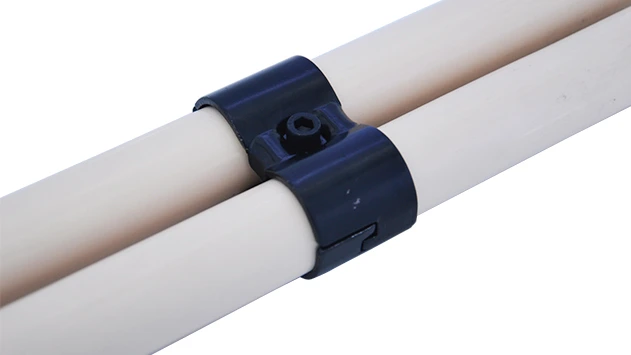
Parallel Lean Pipe Joint
Parallel lean pipe joint used for 2 pcs 28MM lean pipe connection in parallel direction to enhance frame structure, usually for heavy payload requirement for workbench. flow rack, hand trolley.
In the fast-paced world of manufacturing, where every second and every square foot of space counts, waste has long been the silent profit killer. From tangled workflows that slow down production to rigid workstations that can't adapt to changing needs, waste creeps in through inefficiencies in time, materials, and even employee energy. This is where lean manufacturing systems step in—designed to streamline processes, eliminate waste, and keep operations running like a well-oiled machine. But even the best lean strategies need the right tools to succeed. Enter the unsung hero of modern factory floors: the parallel lean pipe joint. These unassuming connectors, paired with lean pipe, are quietly revolutionizing how manufacturers build, adapt, and optimize their workspaces. In this article, we'll dive into how parallel lean pipe joints play a pivotal role in reducing manufacturing waste, supporting lean system goals, and creating work environments that grow with your business.
What Are Parallel Lean Pipe Joints, Anyway?
Let's start with the basics. If lean pipe is the backbone of flexible manufacturing setups—think of it as the "building blocks" of workstations, racks, and trolleys—then parallel lean pipe joints are the "glue" that holds these blocks together, but with a twist: they're designed to connect lean pipes in parallel configurations, creating stable, adjustable structures that can be reconfigured on the fly. Unlike traditional rigid fasteners or welded joints, these connectors are engineered for flexibility. Made from durable materials like high-grade steel or aluminum, they feature a simple yet ingenious design that allows workers to assemble, disassemble, and reassemble lean pipe structures without specialized tools or lengthy downtime.
Picture this: You're setting up a new workstation for a product line that's launching next month. With traditional metal frames, you'd need to weld pieces together, measure twice (and hope you don't cut once), and if the product specs change? You're stuck with a workstation that's now obsolete, collecting dust in a corner. But with parallel lean pipe joints, you can snap together lean pipes in minutes, adjust the height or width with a quick twist, and even repurpose the entire structure later for a different task. That's the power of modularity—and it's where the waste reduction magic begins.
The Features That Make Them Waste-Fighters
Parallel lean pipe joints aren't just "connectors"—they're designed with waste reduction in mind. Let's break down their key features and how each one targets a specific type of manufacturing waste:
1. Tool-Free Assembly & Disassembly: No more hunting for wrenches or waiting for the maintenance team to weld a new frame. Most parallel lean pipe joints use a simple clamp or twist-lock mechanism, so even a new employee can assemble a basic structure in under an hour. This slashes the time wasted on setup and reconfiguration—time that can be redirected to actual production.
2. Adjustability: Manufacturing needs change. A workstation that works for a small component today might need to accommodate a larger part tomorrow. Parallel lean pipe joints let you adjust angles, heights, and lengths without replacing the entire structure. For example, if a workbench is too low for ergonomic comfort, you can loosen the joints, raise the lean pipe, and lock it back in place—no new materials, no waste, just a quick tweak.
3. Durability & Reusability: Made from robust materials like stainless steel or aluminum, these joints are built to withstand the wear and tear of factory life. Unlike plastic connectors that crack or welded joints that weaken over time, parallel lean pipe joints can be reused dozens of times. When a project ends, you don't throw away the structure—you take it apart, store the joints and lean pipe, and rebuild something new later. This cuts down on material waste, as you're not constantly buying new frames or components.
4. Compatibility: Whether you're using standard steel lean pipe, aluminum lean pipe, or even specialized esd workbench materials, parallel lean pipe joints are designed to play well with others. This compatibility means you don't have to overhaul your entire setup to adopt them—you can start small, replacing rigid parts of your current system with lean pipe and joints, and scale up as needed. It's a low-risk, low-waste way to transition to a leaner workspace.

How Parallel Lean Pipe Joints Support Lean System Goals
Lean manufacturing isn't just a buzzword—it's a philosophy centered on the "5S" principles (Sort, Set in Order, Shine, Standardize, Sustain) and continuous improvement. Parallel lean pipe joints align perfectly with these goals, acting as the physical enablers of lean practices:
Sort & Set in Order: A cluttered workspace is a wasteful workspace. With parallel lean pipe joints, you can build custom racks and bins that keep tools and materials exactly where employees need them. For example, a turnover trolley and rack assembled with lean pipe and parallel joints can be designed to hold specific parts at eye level, eliminating the time wasted hunting for supplies or bending to reach items on the floor.
Standardize & Sustain: Consistency is key to lean systems, but so is adaptability. Parallel lean pipe joints let you standardize workbench heights, trolley sizes, or rack layouts across shifts, ensuring everyone works efficiently. But when a new product or process requires a change, you can adjust those standards without disrupting the entire line. This balance of consistency and flexibility helps sustain lean practices over the long term, preventing waste from creeping back in.
Continuous Improvement: Lean thrives on small, iterative changes. Maybe a team notices that a material rack is causing bottlenecks because it's too narrow. With parallel lean pipe joints, they can widen the rack in 15 minutes, test the new design, and adjust again if needed. This "test-and-learn" cycle is impossible with rigid structures, which often require months of planning and approval to modify. By making improvement easy, parallel lean pipe joints turn every employee into a waste-reduction champion.

Real-World Applications: Where the Waste Gets Cut
To understand the impact of parallel lean pipe joints, let's look at two common manufacturing setups where they shine: the humble workbench and the indispensable turnover trolley and rack.
1. The Adaptive Workbench
A workbench is the heart of any production cell, but traditional workbenches are often one-size-fits-all. They're either too tall, too short, or lack the storage needed for specific tasks. With lean pipe and parallel lean pipe joints, workbenches become customizable to the nth degree. Imagine an electronics manufacturer where employees assemble circuit boards of varying sizes. One day, they're working on small smartphone components; the next, larger laptop motherboards. Instead of having two separate workbenches (wasting space), they can adjust the same bench using parallel joints: add a shelf for tools, raise the surface for larger boards, or attach a side rail to hold cables. The result? No more cramming large parts onto tiny surfaces or stretching to reach tools—just a workspace that adapts, reducing errors and employee fatigue (another hidden form of waste).
2. Turnover Trolley and Rack: Smoothing Material Flow
Material handling is a major source of waste in manufacturing. When parts get stuck in transit between workstations, production slows down, and deadlines are missed. Turnover trolleys and racks, built with lean pipe and parallel joints, solve this by creating smooth, predictable paths for materials. For example, a food packaging plant might use a roller track system (paired with parallel joints) to move boxes from the filling station to the sealing station. If demand spikes and they need to add a second filling line, they can quickly extend the roller track using extra lean pipe and joints, without halting production. Similarly, a turnover trolley with adjustable shelves (thanks to parallel joints) can carry different-sized parts without needing multiple trolleys cluttering the floor. It's all about moving materials with minimal effort—and minimal waste.
Case Study: How One Factory Cut Waste by 30% with Parallel Lean Pipe Joints
Let's put numbers to the impact. Consider a mid-sized automotive parts manufacturer that was struggling with two major waste issues: long setup times for new product lines and excessive material waste from rigid, one-use workstations. Their old process involved welding steel frames for each new part, which took 2-3 days per setup and left piles of unused frames when projects ended. Employee morale was low, too—workers complained about uncomfortable workbenches and heavy trolleys that were hard to maneuver.
The solution? They switched to a lean system built around lean pipe and parallel lean pipe joints. Here's what happened in the first six months:
- Setup Time: New workstation assembly dropped from 3 days to 3 hours. The team could now test new layouts in a single shift, reducing downtime between product launches.
- Material Waste: By reusing joints and lean pipe, they cut material costs by 25%. Old steel frames, which once ended up in scrap, were replaced with modular structures that could be repurposed for future projects.
- Space Savings: The factory floor, once cluttered with unused frames, freed up 15% more space. They used this to add a new production line without expanding the facility.
- Employee Satisfaction: Ergonomic adjustments to workbenches (made easy with parallel joints) reduced worker fatigue, leading to a 10% drop in errors and a 15% increase in productivity.
In short, the switch to parallel lean pipe joints didn't just reduce waste—it transformed the factory's ability to adapt and grow. And this isn't an isolated case. Manufacturers across industries, from electronics to aerospace, are seeing similar results by prioritizing flexibility in their physical setups.
The Bottom Line: Waste Reduction That Boosts Profits
At the end of the day, reducing waste isn't just about doing good for the planet—it's about boosting your bottom line. Parallel lean pipe joints deliver on this by:
Cutting Time Waste: Faster setup, easier reconfiguration, and smoother material flow mean more time spent producing, not preparing.
Slashing Material Waste: Reusable joints and lean pipe reduce the need for new purchases, while adjustability means you use only what you need.
Maximizing Space: Compact, modular structures free up floor space for revenue-generating activities, not storage or unused equipment.
Empowering Employees: When workers can adjust their tools and workspaces to fit their needs, they're more engaged, productive, and less likely to make costly mistakes.
Traditional vs. Parallel Lean Pipe Joints: A Quick Comparison
| Aspect | Traditional Rigid Structures (Welded/Plastic Frames) | Lean Pipe with Parallel Lean Pipe Joints |
|---|---|---|
| Assembly Time | 2-3 days (requires welding/tools) | 2-3 hours (tool-free, no special skills) |
| Flexibility | Fixed; cannot be adjusted without rebuilding | Highly adjustable; reconfigurable in minutes |
| Material Waste | High (frames are often single-use, end up in scrap) | Low (joints and pipe are reusable for years) |
| Space Efficiency | Poor (bulky, hard to store when not in use) | Excellent (disassembles for compact storage) |
| Long-Term Cost | High (constant replacement of rigid frames) | Low (one-time purchase, reusable across projects) |
The Future of Lean Manufacturing: Even More Waste Reduction
As manufacturing evolves, so too will the tools that support it. Parallel lean pipe joints are already adapting—today, you'll find versions made from lightweight aluminum lean pipe for even greater portability, or esd-safe materials for electronics manufacturing. Tomorrow, we might see smart joints with sensors that track usage or alert teams when adjustments are needed, integrating with Industry 4.0 technologies to create self-optimizing workspaces.
But even as technology advances, the core value of parallel lean pipe joints remains the same: they put control back in the hands of manufacturers. In a world where customer demands change overnight and production needs shift constantly, the ability to build, adapt, and reuse is no longer a luxury—it's a necessity. And that's why these small, unassuming connectors will continue to play a big role in the future of lean, waste-free manufacturing.
Final Thoughts: The Joints That Keep Lean Systems Moving
Waste in manufacturing isn't just about what ends up in the trash—it's about lost time, wasted space, and missed opportunities. Parallel lean pipe joints tackle all three by turning rigid, one-use structures into flexible, reusable assets. They're the missing link between lean system goals and real-world execution, making it possible for factories to adapt quickly, reduce costs, and keep employees happy and productive.
So, the next time you walk through a factory floor, take a closer look at the workbenches, trolleys, and racks. If they're built with lean pipe and parallel joints, you're seeing a space designed to eliminate waste—not just today, but for years to come. And in manufacturing, that's not just smart—it's the key to staying competitive in a world that waits for no one.