- Company Articles
- Products and Technology
- Product knowledge
- The Role of Plastic Pipe End Caps in Lean Pipe Systems and Workstations

The Role of Plastic Pipe End Caps in Lean Pipe Systems and Workstations
Related Product
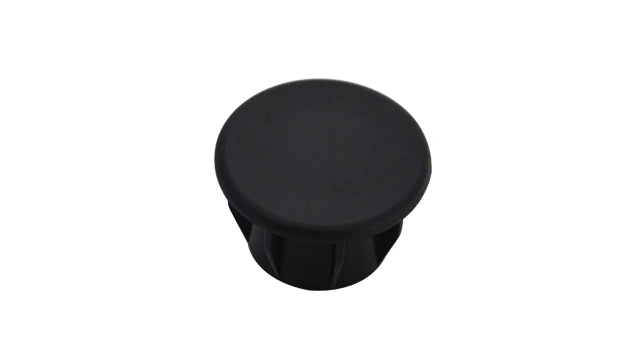
Plastic pipe end cap
Plastic pipe cover, used for 28mm two end cover and protection, to avoid any scratch from sharp metal surface.
In the world of manufacturing and assembly, where every second counts and efficiency is the name of the game, lean pipe systems have become the backbone of modern workplaces. These versatile, modular setups—think workbenches, flow racks, and material trolleys—are designed to streamline workflows, reduce waste, and keep operations running like well-oiled machines. But if you've ever walked through a factory floor or spent time around these systems, you might have noticed a small detail that often goes overlooked: the plastic caps on the ends of the pipes. They're unassuming, maybe even easy to dismiss as "just a cover," but the truth is, plastic pipe end caps are the unsung heroes that keep lean systems functioning at their best. Let's dive into why these tiny components matter, how they enhance everything from safety to durability, and why they're a non-negotiable part of any well-designed lean pipe workstation.
Understanding Lean Pipe Systems: More Than Just Pipes and Joints
Before we zoom in on plastic pipe end caps, let's take a quick step back to appreciate the bigger picture: lean pipe systems themselves. These systems are built around the principles of lean manufacturing—eliminating waste, optimizing flow, and prioritizing flexibility. At their core, they're made up of lightweight pipes (often steel, aluminum, or stainless steel) connected by modular joints, which allow for quick assembly, disassembly, and reconfiguration. Whether it's a lean pipe workbench where operators assemble electronics, a flow rack that moves materials from one station to the next, or a turnover trolley that transports parts across the shop floor, these systems are all about adaptability. They grow with your needs, shrink when you downsize, and rearrange when your workflow changes. But here's the thing: for all their modularity and strength, the pipes that form their structure have one vulnerable spot—the open ends. That's where plastic pipe end caps come in.
What Are Plastic Pipe End Caps, Anyway?
Plastic pipe end caps are exactly what they sound like: small, often cylindrical or dome-shaped covers made from durable plastics (like polypropylene or polyethylene) that fit snugly over the exposed ends of pipes in lean systems. They come in various sizes, shapes, and designs, but their primary job is simple: to seal off the open ends of pipes. At first glance, this might seem like a trivial task. After all, a pipe is a pipe, right? But anyone who's worked with lean systems knows that exposed pipe ends can cause a host of problems—from snags and scratches to safety hazards. Plastic end caps solve these issues, but their role goes far beyond just "covering a hole." Let's break down their key functions.

The Multifaceted Role of Plastic Pipe End Caps
1. Safety First: Protecting People and Products
In any workplace, safety is the top priority—and lean pipe systems are no exception. Exposed pipe ends, even if they're cut cleanly, can have sharp edges or burrs that pose a risk to anyone working nearby. Imagine an operator leaning over a lean pipe workbench to reach for a tool, only to brush against an uncovered pipe end and get a scrape. Or worse, a loose thread from a glove catching on a jagged edge, leading to a potential injury. Plastic end caps eliminate these risks by smoothing out those edges, turning a potential hazard into a harmless, rounded surface. But it's not just about protecting people—end caps also safeguard the products moving through the system. Think about a flow rack loaded with small components like circuit boards or delicate parts. If a pipe end is exposed, parts could get caught on it, leading to scratches, dents, or even damage. A plastic cap creates a smooth transition, ensuring materials glide freely without snags. In environments where electrostatic discharge (ESD) is a concern—like electronics manufacturing—you can even find ESD-safe plastic end caps that prevent static buildup, adding another layer of protection for sensitive components.
2. Durability: Keeping Pipes Stronger for Longer
Lean pipe systems are built to last, but they're not invincible. Over time, the open ends of pipes can collect dust, dirt, moisture, or debris. If left unchecked, this buildup can lead to corrosion (especially in steel pipes), weakening the structure from the inside out. Plastic pipe end caps act as a barrier, sealing out contaminants that would otherwise eat away at the pipe's integrity. For example, in a warehouse with high humidity, an uncovered steel pipe might start to rust from the inside within months. But with a tight-fitting plastic cap, the pipe stays dry, and its lifespan extends significantly. This isn't just about saving money on replacement pipes, either—it's about reducing downtime. A corroded pipe weakens the entire structure, which could lead to system failures, delays in production, or even accidents. By keeping pipes clean and protected, end caps ensure your lean system stays sturdy and reliable, day in and day out.
3. Aesthetics and Professionalism: Small Details, Big Impressions
Let's talk about the "look" factor. A lean pipe workstation with exposed pipe ends can look unfinished, even messy. Loose threads, rust spots, or debris peeking out from pipe openings can give the impression of neglect—which is the last thing you want in a workplace that prides itself on efficiency and attention to detail. Plastic pipe end caps clean up the appearance of the system, giving it a polished, professional look. They come in various colors, too—like yellow, grey, or black—so you can match them to your company's branding or use color-coding to organize different workstations. For example, a lean pipe workbench in a medical device facility might use white end caps to maintain a sterile, clean aesthetic, while a automotive plant could opt for bright yellow caps to highlight safety zones. It's a small touch, but it makes a big difference in how your workspace is perceived—by employees, clients, and even auditors. A well-maintained, visually cohesive system sends a message: "We care about quality, right down to the details."
4. Noise Reduction: Quieter Workspaces, Happier Teams
If you've ever worked in a busy factory, you know how loud it can get. Machines hum, tools clatter, and materials move with a constant buzz. Exposed pipe ends can add to this noise pollution, especially in systems where parts or tools are frequently moved around. For example, on a flow rack, items might bump against the ends of pipes as they slide down, creating a repetitive "clinking" sound. Plastic end caps, with their soft, non-metallic surface, absorb these impacts, reducing noise levels. Over the course of a shift, this can make a huge difference in employee comfort and focus. A quieter workspace is a more pleasant one, and happier employees are often more productive. It's a subtle benefit, but it's yet another way plastic pipe end caps contribute to a better overall work environment.

Plastic Pipe End Caps in Action: Real-World Applications
Now that we've covered the "why," let's look at the "where." Plastic pipe end caps aren't just a one-size-fits-all solution—they're used in a variety of lean systems, each with its own unique needs. Let's explore a few common applications to see how end caps make a tangible difference.
Lean Pipe Workbenches: The Heart of the Assembly Line
The lean pipe workbench is the workhorse of many manufacturing and assembly operations. It's where operators spend most of their day—assembling products, testing components, or packing orders. On a typical workbench, the pipes form the frame, supporting the tabletop, shelves, and tool holders. The ends of these pipes are often at waist height or within arm's reach, making them prone to contact with operators, tools, or materials. A plastic end cap here isn't just about safety (though that's critical)—it's also about protecting the workbench itself. For example, if an operator sets a heavy tool down near the edge of the bench, a plastic cap prevents the tool from scratching or denting the pipe end. Over time, this reduces wear and tear, keeping the workbench looking and functioning like new. Some workbenches even use specialized end caps with additional features, like non-slip surfaces, to keep tools from sliding off the edges. In short, on a lean pipe workbench, plastic end caps are the first line of defense against daily wear and tear.
Flow Racks: Keeping Materials Moving Smoothly
Flow racks are designed to keep materials flowing—literally. They use gravity to move parts from the loading end to the picking end, ensuring a steady supply of components to the assembly line. The racks are typically made of inclined pipes or roller tracks, with products sliding down as they're needed. In this setup, exposed pipe ends can be a major headache. Imagine a box of small parts sliding down a flow rack and catching on an uncovered pipe end—it could jam the entire system, bringing production to a halt. Plastic end caps eliminate this risk by creating a smooth, rounded edge that lets materials glide past without obstruction. They also protect the pipes from the constant friction of moving items. Over time, even lightweight parts can wear down exposed metal ends, but a plastic cap acts as a sacrificial layer, taking the brunt of the wear and tear. When the cap eventually shows signs of damage, it's easy and inexpensive to replace—much cheaper than replacing an entire pipe. For flow racks, plastic end caps aren't just accessories; they're essential for maintaining a steady, uninterrupted workflow.
Turnover Trolleys and Material Carts: On-the-Go Protection
Turnover trolleys and material carts are the "delivery trucks" of the factory floor, moving parts, tools, and finished products from one station to another. These trolleys are constantly on the move—bumping into door frames, navigating tight corners, and sharing space with forklifts and pedestrians. Exposed pipe ends on these carts are accidents waiting to happen. A sharp edge could catch on a worker's uniform, or a loose end could scrape against a wall, leaving a mark. Plastic pipe end caps soften these edges, reducing the risk of snags and scratches. They also help keep the trolley's structure intact. When a cart bumps into something, the end cap absorbs some of the impact, protecting the pipe from bending or denting. For example, a stainless steel pipe series cart used to transport heavy machinery parts might have reinforced plastic end caps to withstand repeated collisions. Even the smallest carts, like those used in labs or small workshops, benefit from end caps—they keep the cart looking neat and prevent dust from collecting inside the pipes during storage. In short, for any mobile lean system, plastic end caps are a must-have for durability and safety.
Choosing the Right Plastic Pipe End Cap: It's All in the Details
Not all plastic pipe end caps are created equal. To get the most out of your lean system, you need to choose the right cap for the job. Here are a few factors to consider:
- Size: End caps come in sizes to match standard pipe diameters—from 0.5 inches to 2 inches or more. Make sure to measure your pipes before buying to ensure a snug fit. A cap that's too loose will fall off; one that's too tight could crack when installed.
- Material: Most end caps are made from polypropylene (PP) or polyethylene (PE), which are lightweight, durable, and resistant to chemicals. For harsh environments (like those with oils or solvents), look for caps made from chemical-resistant plastics. For ESD-sensitive areas, opt for ESD-safe materials that dissipate static.
- Design: Basic caps are dome-shaped or flat, but there are specialized options too. For example, "flanged" end caps have a lip that adds extra stability, while "vented" caps allow air to escape (useful for pipes that might trap moisture). Some caps even have built-in grips for easy installation and removal.
- Color: As mentioned earlier, color-coding can help with organization. Yellow caps might mark high-traffic areas, while grey caps could indicate storage zones. Choose colors that align with your workplace's visual management system.
To help you compare, here's a quick overview of common plastic pipe end cap types and their best uses:
| Type of End Cap | Material | Size Range | Key Features | Ideal Application |
|---|---|---|---|---|
| Standard Dome Cap | Polypropylene (PP) | 0.5–2 inches | Smooth, rounded top; easy to install | General-purpose lean pipe workbenches, storage racks |
| Reinforced Flat Cap | High-density polyethylene (HDPE) | 1–3 inches | Thicker walls for extra durability; flat top prevents stacking issues | Heavy-duty flow racks, turnover trolleys |
| ESD-Safe Cap | Conductive polyethylene | 0.75–2 inches | Dissipates static electricity; prevents ESD damage | Electronics assembly workbenches, semiconductor facilities |
| Flanged Cap | Polypropylene (PP) | 1–2.5 inches | Integrated lip for secure fit; resists falling off during movement | Mobile material carts, conveyor systems |
| Vented Cap | Polyethylene (PE) | 1–2 inches | Small vent holes to release moisture or air pressure | Outdoor storage racks, humid environments |
The Bottom Line: Small Parts, Big Impact
In the world of lean manufacturing, every component matters—even the ones you can't see at first glance. Plastic pipe end caps might be small, but their impact on safety, durability, and efficiency is huge. They protect workers from cuts and scrapes, keep pipes free from corrosion and debris, reduce noise, and give lean systems a polished, professional look. Whether you're building a lean pipe workbench, a flow rack, or a turnover trolley, these caps are an essential part of the equation. They're inexpensive, easy to install, and replaceable, making them a cost-effective way to extend the life of your lean system. So the next time you walk past a lean pipe workstation, take a second to notice those plastic caps on the pipe ends. They might not be the star of the show, but they're the reason the show runs smoothly. After all, in lean manufacturing, it's the little details that add up to big results.
At the end of the day, plastic pipe end caps are a reminder that great systems are built from the ground up—one small, thoughtful component at a time. They're proof that even the most unassuming parts can play a critical role in creating safer, more efficient, and more productive workplaces. So here's to the plastic pipe end cap: long may it cover, protect, and keep our lean systems running strong.